
Home › Blog › Art and culture classes
Art Class for Kids in Saigon: What Beginners Need to Know
By the Cáo Experiences team · 2026-11-06
Art classes for kids in Saigon range from painting and drawing to sculpture and mixed media, hosted by studios, community centers, and independent instructors. Cáo Experiences runs small-group and private art and culture classes where kids learn creative skills in English.
What happens in the first class—will my child feel lost?
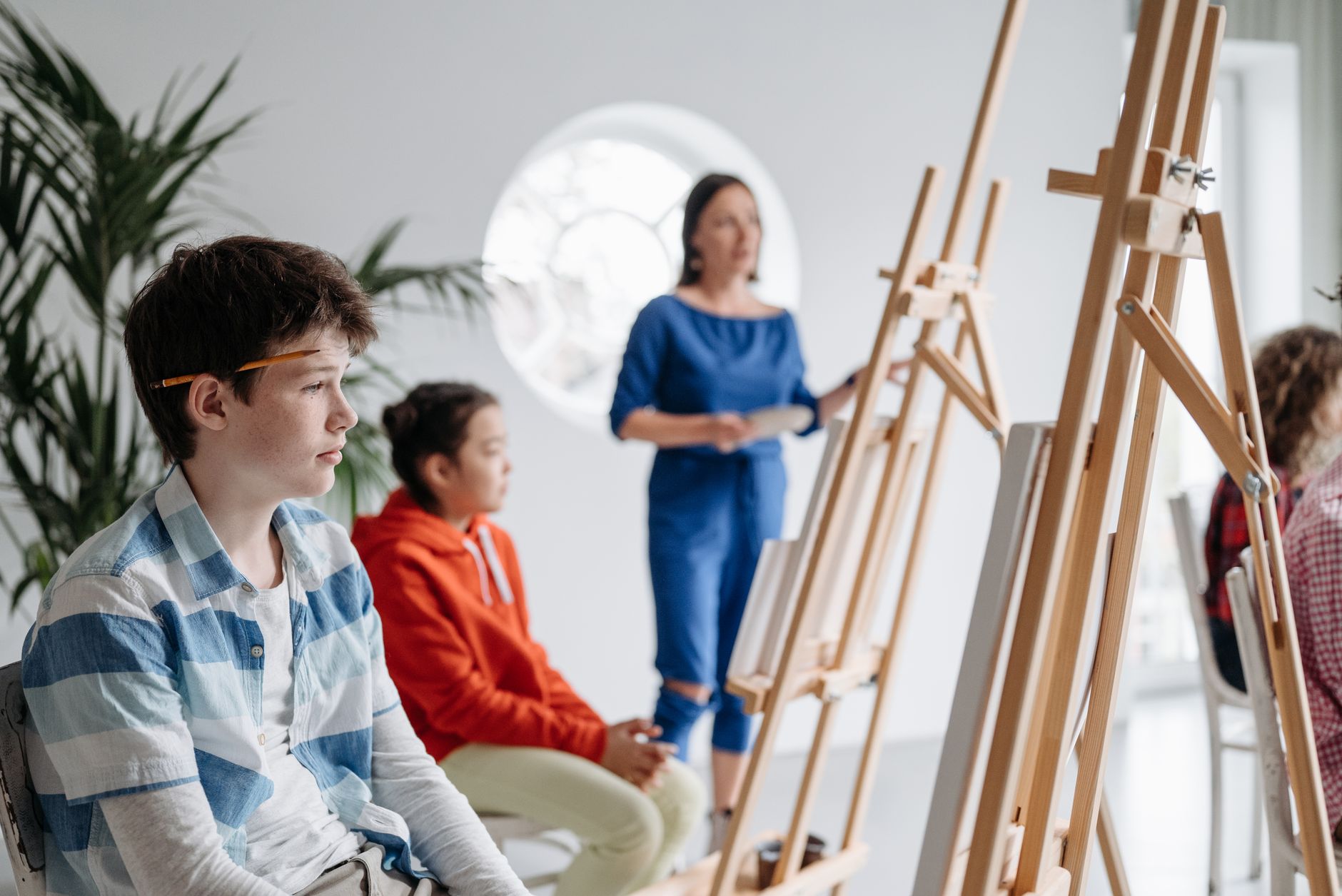
No. We start by letting kids explore materials: brushes, paint, charcoal, paper. We watch what they pick up naturally—some love bold sweeps, others fine detail. In the first 10 minutes, you're not teaching technique; you're seeing their confidence level. Then we sit together, show one simple idea (how to hold a brush without tension, how water changes paint thickness), and invite them to try. Most kids relax once they see no one is being judged. We check in quietly: "What are you noticing?" not "Is it right?" Kids aged 5–7 need shorter attention spans (30-minute activity bursts), so we mix drawing, painting, and hands-on making. Kids 8+ can sit longer and often want to solve problems—"How do I make it look 3D?" We adapt pace live.

How do we adapt for kids who say "I can't draw"?
This is the most common worry. Kids arrive believing drawing is a talent, not a skill they build. We separate drawing from "making it look realistic." We ask: "What do you see in this shape?" and draw with them side by side, not after them. We show artists who used simple lines or bright colors without photo-realism (children's book illustrators, graphic designers). We move fast if a kid is stuck—offer a different material (collage instead of pencil, paint instead of drawing pen) or a new prompt. We never say "try harder" or "that's beautiful!" (it sounds hollow). We say "I notice you used three shades of blue—why did you pick those?" Kids want to be seen, not praised. After two or three classes, most kids stop apologizing and start experimenting.
What should kids bring, and what do we provide?
We provide brushes, paint, charcoal, pencils, paper, erasers, water containers, and rags. Kids bring or wear clothes they don't mind staining—paint happens. Bring a water bottle. If your child has a favorite sketchbook or pencil, that's fine, but not necessary. We work in well-ventilated studios, indoors with air-conditioning in heat, or in covered outdoor spaces on dry days. If it rains heavily, we move activities indoors or reschedule; we'll confirm weather plans on WhatsApp 24 hours before. Kids with sensory sensitivities (texture, sound, smell) or physical needs—left-handed seating, fine-motor delays, autism-related routines—tell us beforehand. We adapt table setup, pacing, and breaks without fuss.
How long does it take to see real progress?
Progress looks different for each child. After class 1, most kids feel less anxious. After classes 3–4, they start choosing subjects and colors intentionally instead of randomly. After 8–10 sessions, they develop a recognizable "voice"—you can see their personality in their choices. Kids don't need to produce a finished portfolio; we measure progress by curiosity ("Can I try that?") and ownership ("This is mine, I made it"). We document work with photos so you see the journey. If your child shows no interest after 3 classes, that's useful data too—maybe they prefer craft workshops (hands-on making, instant results) or family experiences (group learning, less solo work).
Explore art class details
How does this fit with school art or online drawing apps?
School art is often crowded and time-pressured. Online apps (drawing tutorials, animation) are solitary and screen-based. Cáo Experiences art classes sit in the middle: live feedback, small group (so your kid isn't the only one learning), real materials (paint smells and moves differently than pixels), and a real person watching and responding. Kids in our groups sometimes use those apps at home—we don't discourage it—but they often say "I want to try it here, with my host," because they trust the feedback. We don't teach "the right way"; we teach how to notice what you're doing and why. That transfers to other art contexts.
What if my child wants something beyond painting?
Art is wide. Beyond painting and drawing, we can include mixed-media collage (paper, fabric, found objects), printmaking (stamps, stencils, relief), sculpture (modeling clay, papier-mâché), or craft workshops (ceramics, weaving, woodwork basics). Tell us what your child loves—building, storytelling, nature, technology—and we build a session around it. Kids who feel restless in traditional art classes often thrive in making-based formats where the result is a usable object, not framed work.
How does group size affect the experience?
| Group Type | Kid Ages | Attention Per Child | Best For | Pacing |
|---|---|---|---|---|
| Private (1 kid + 1 host) | Any | Full focus | Shy kids, specific goals, quick progress | Child-led; flexible timing |
| Small group (2–4 kids + 1 host) | 6–12 | High; peer modeling | Confidence building, social learning, cost-effective | Structured but relaxed |
| Larger group (5+ kids) | 8+ | Lower; rotations, demos | Exposure, sibling groups, budget-conscious | Faster pacing; less check-in |
Private sessions cost more but work best for kids aged 5–7, kids with anxiety, or kids with specific targets (portfolio prep, confidence-building before school art class). Small groups (2–4) are the Cáo Experiences sweet spot: kids learn from each other, don't feel watched alone, and we give real attention. Larger groups suit older kids who are already confident and want social energy.
See family experience options
Honest things that go wrong—and how to avoid them.
Kids arrive over-tired or hungry. Art needs a calm nervous system. Come fed, rested, and hydrated. If your child is cranky, we can pause or shift activity, but it's harder than showing up ready.
Parents hover and direct. "Draw a dog, sweetie." Kids need permission to mess up and choose. We ask you to sit back and let us guide. Observing is fine; narrating isn't.
Kids compare their work to others. It's natural. We separate finished work quickly so kids don't stare and judge. We frame it: "Everyone in this room sees color differently—that's why your blue is your idea."
Materials aren't right for the task. Thin paper tears; cheap brushes shed bristles. We invest in decent supplies. If you're booking elsewhere, check that they refresh paints (old paint = dull work) and use paper thick enough for wet media.
No clear start or structure. Kids feel anxious if they don't know what's happening. We always open with a 2-minute orientation: "Today we're exploring texture. Here's what we have. You choose what to make."
What to check before you book.
- Language: Will the host explain in English clearly? Can they pause and re-explain? (Essential for kids under 8.)
- Do they ask about your child's interests or just take any booking?
- Flexibility: If your child is unwell or you need to reschedule, what's the policy?
- Age mixing: Will your 6-year-old be with 12-year-olds? Ask for age groups or class breakdown.
- Supplies included: Are paints, brushes, paper included, or do you buy them?
- Space: Is it indoors, climate-controlled, with enough room to move? Watch for cramped studios with bad light.
- Insurance: Do they have liability coverage if a child is injured?
Cáo Experiences classes are booked one-to-one or small-group via WhatsApp; we confirm dates, group composition, and any dietary or sensory needs before the session. We work in clean, safe, air-conditioned or well-ventilated spaces. We always explain what's happening and why.
Art classes for kids in Saigon work best when expectations are clear, kids feel safe to fail, and hosts respond to individual pace. Cáo Experiences art and culture classes run in English with small groups and private options in Saigon and countryside settings. Reach out to see dates, ask about your child's interests, and get a quote.
Explore art class details
Pages from our team you may need

FAQ
What age can kids start art classes?
Kids aged 4–5 benefit from sensory, short-format classes (30 minutes, paint and collage). Ages 6–7 can sit through 60 minutes and follow basic instruction. Ages 8+ can tackle longer projects, complexity, and peer feedback. Younger kids need frequent breaks and material variety.
Do kids need art experience to join?
No. We assume zero experience and build from curiosity. Kids who've done art before sometimes have rigid ideas ("This is wrong") that we gently challenge. Beginners are often more open to experimenting.
Will my child's work be displayed or kept?
Yes, we document all work with photos so you have a record. If work is on display at the venue, we ask permission. Kids take home finished pieces unless they want to leave them for the studio. We don't frame or sell kid work without explicit agreement.
How do I know if art class is the right fit for my kid?
Try one session. If your child asks to go back, books are the right choice. If they say "never again," explore craft workshops or farm experiences instead—some kids prefer making functional objects or being outdoors. One class isn't a commitment; it's a trial.
Can I book a class just for my child's birthday or a small group of friends?
Yes. Private and small-group birthday art sessions are common. Tell us the age, how many kids, and any theme or interest, and we'll design something. Confirm dates and logistics on WhatsApp.
Ask about dates
Tell us the city, your dates and what you would like to try. We reply on WhatsApp in English with options and availability.
FAQ
What age can kids start art classes?
Kids aged 4–5 benefit from sensory, short-format classes (30 minutes, paint and collage). Ages 6–7 can sit through 60 minutes and follow basic instruction. Ages 8+ can tackle longer projects, complexity, and peer feedback. Younger kids need frequent breaks and material variety.
Do kids need art experience to join?
No. We assume zero experience and build from curiosity. Kids who've done art before sometimes have rigid ideas ("This is wrong") that we gently challenge. Beginners are often more open to experimenting.
Will my child's work be displayed or kept?
Yes, we document all work with photos so you have a record. If work is on display at the venue, we ask permission. Kids take home finished pieces unless they want to leave them for the studio. We don't frame or sell kid work without explicit agreement.
How do I know if art class is the right fit for my kid?
Try one session. If your child asks to go back, books are the right choice. If they say "never again," [explore craft workshops](/craft-workshops) or [farm experiences](/farm-experience) instead—some kids prefer making functional objects or being outdoors. One class isn't a commitment; it's a trial.
Can I book a class just for my child's birthday or a small group of friends?
Yes. Private and small-group birthday art sessions are common. Tell us the age, how many kids, and any theme or interest, and we'll design something. Confirm dates and logistics on WhatsApp.
More like this
Art and culture classes
Calligraphy class Hue: what to expect and how to start
Calligraphy classes in Hue teach you to hold the brush like a local, understand character structure, and leave with real work. We run them in an artist's studio space where you'll work alongside other learners—no previous art experience needed.
Art and culture classes
Best painting class in Hoi An: find your style
Hoi An's painting classes range from traditional lacquer to watercolour, silk and ink. We show you how to choose the right fit for your skill and schedule.
Art and culture classes
Best Painting Class in Da Nang: What to Know Before You Book
Painting classes in Da Nang range from casual drop-in sessions to structured multi-week courses. We walk you through what each type offers, who they suit best, and what to check before you commit.