
Home › Blog › Craft workshops
Bamboo Weaving Class in Vietnam: Learn Hands-On in Hanoi
By the Cáo Experiences team · 2026-11-06
A bamboo weaving class in Vietnam is a hands-on craft workshop where international guests learn to split, prepare and interlace strips of bamboo under the guidance of a practising weaver. At Cáo Experiences, we run small-group sessions in Hanoi in a family workshop in the old quarter, lasting 3–4 hours, where beginners split fresh bamboo by hand, learn two or three weaving patterns, and complete a small functional piece—usually a coaster, placemat or shallow basket. No prior skill is needed. We adapt for all ages and abilities, provide all tools and materials, and coordinate everything by WhatsApp. Ask us for dates and a quote on WhatsApp for current availability and group sizes.
What exactly happens during a weaving session?
We arrive at the workshop mid-morning and start with tea while the host shows us the bamboo storage—tall bundles soaking in water to stay flexible. You'll spend the first 45 minutes learning to split fresh canes using a simple metal splitter and mallet, then hand-plane each strip smooth. This is slower, more meditative work than most guests expect, but it's the foundation. We pause for water and rest if needed.
By mid-session you're sitting at a low table learning the actual weave. The host demonstrates a basic over-under pattern, then you begin on a simple frame they've prepared. Mistakes happen constantly—strips slip, tension goes slack—and that's the whole point. You see how small adjustments change the pattern. Concentration deepens. Conversation quiets. By the final hour, muscle memory kicks in and you're weaving without looking at your hands as much.
You finish your piece, trim loose ends, and often seal it with a light plant-based finish. You take it home. The session ends around 1 p.m., though many guests linger to photograph the workshop and ask the host questions about their own practice.
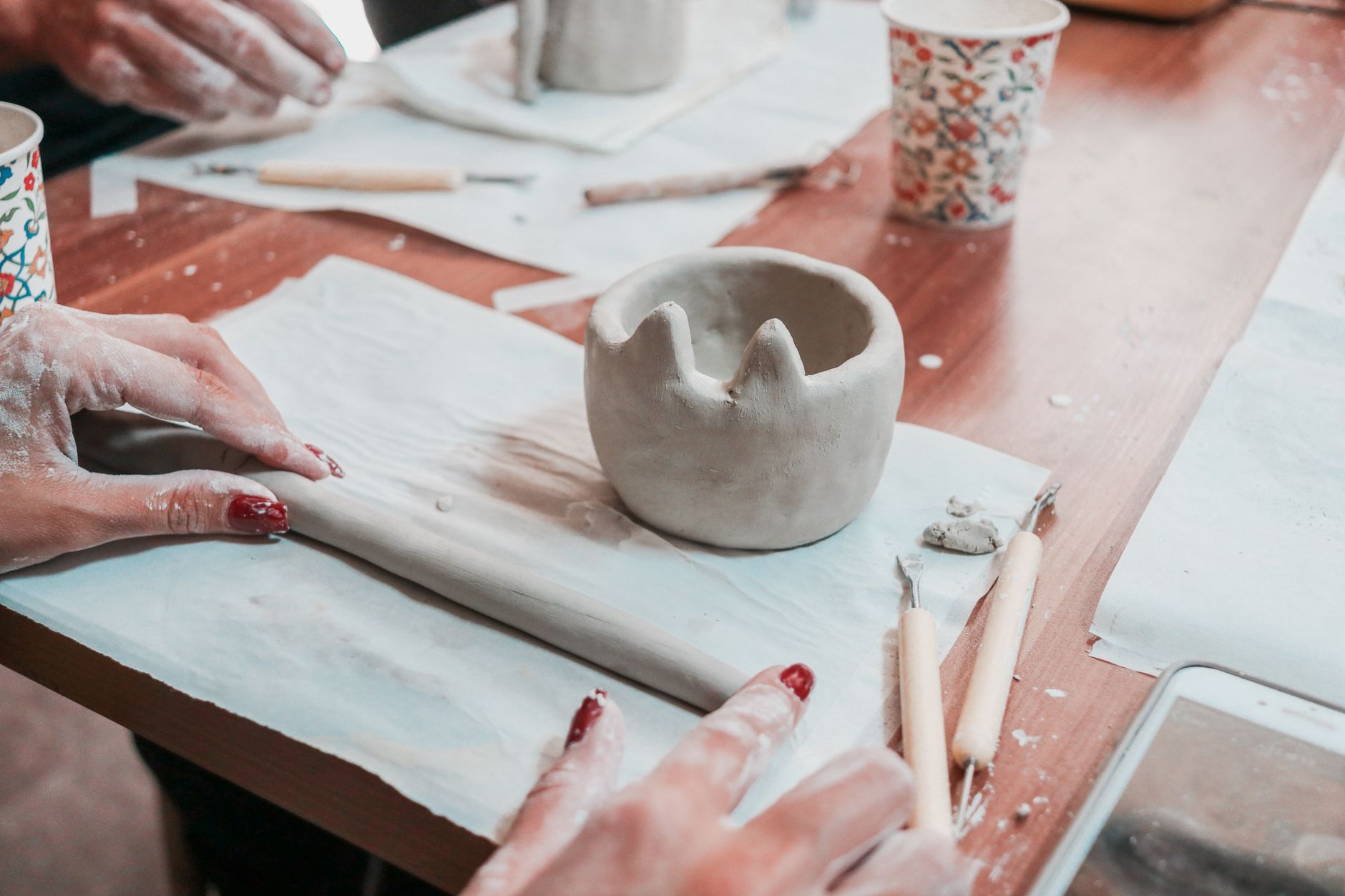
Why is bamboo weaving worth learning in Vietnam specifically?
Vietnam has been weaving bamboo for over two thousand years. The skill is embedded in dozens of family workshops across the Red River Delta, but it's disappearing—most young people move to cities for office work. By learning here, you're supporting craftspeople who've chosen to keep the tradition alive despite economic pressure.
Bamboo itself grows abundantly in northern Vietnam's climate and limestone regions. The canes used in Hanoi workshops come from farms within 50 kilometres, so the material is fresh, cheap and perfectly suited to hand-splitting. You can't replicate this anywhere else—the water content, the node spacing, the flexibility are specific to this geography.
Learning in situ means you understand why the techniques work: why splits must run parallel to the fibres, why soaking matters, why certain patterns distribute tension. A class in Europe or North America teaches the motions; here, you absorb the reasoning that comes from generations of local makers solving the same material problem. That difference is worth the journey.
Who should—and shouldn't—join a bamboo weaving workshop?
Fits well:
- Couples wanting a quiet shared activity (no performance pressure, room for chat)
- Solo travellers seeking focus and a skill souvenir
- Adults 60+ who enjoy repetitive hand work and slow pace
- Families with kids 10+ (younger children struggle with hand strength for splitting)
- Groups up to 6 who book together
Less suitable:
- People with limited hand grip or arthritis (splitting canes requires steady pressure; ask us in advance—we may adapt the session to focus on weaving only)
- Anyone uncomfortable sitting cross-legged or on low stools (we have low chairs if you prefer, but the traditional setup is floor-based)
- Those seeking quick results (the first piece is modest; the skill takes years to master)
We've hosted guests recovering from wrist surgery—they wove without splitting, learned the pattern, and were fine. We've adapted for guests with dyslexia who found the rhythm and spatial reasoning easier than they expected. Always tell us about physical limits, hearing loss, or sensory sensitivities when you inquire. We'll design the session around you.
How does a bamboo weaving session differ from other craft workshops?
Our craft workshops span flower arranging, pottery, painting, silk dyeing and bamboo work. Each has a different rhythm and outcome.
| Craft | Duration | Output | Pace | Best for |
|---|---|---|---|---|
| Bamboo weaving | 3–4 hours | Functional object | Slow, meditative | Patience, quiet focus |
| Flower arranging | 2–3 hours | Decorative vase | Intuitive, playful | Aesthetics, immediate joy |
| Pottery hand-building | 3–4 hours | Unfired clay form | Exploratory | Tactile sensory play |
| Silk painting | 2 hours | Small wall piece | Fluid, fast | Colour, boldness, gift-giving |
Bamboo weaving is the most process-focused. You're not making art; you're solving a structural problem. The satisfaction comes from understanding how a pattern holds itself together, not from an emotional vision. If you're drawn to meditation or craft history, this is your workshop. If you want to paint freely or arrange flowers by instinct, try another session instead.
Explore our full craft workshop range.
What do you need to prepare and bring?
Before the class:
- Wear clothes you don't mind staining (bamboo fibre is fine, but the water and mallet splash)
- Bring water bottle (we provide tea and often a snack)
- No special shoes; you'll sit most of the time
- If you have wrist or hand pain, mention it when you book so we can brief the host
Weather: Rain doesn't stop the workshop—the space is covered. In July–August heat, we start earlier and you'll sit in air-conditioned areas between active weaving. In winter Hanoi (December–February), the workshop is unheated but hands stay warm from work and tea; bring a jumper if you're cold-sensitive.
What not to bring:
- Cameras or phones during active splitting (splinters and equipment don't mix well with expensive devices)
- Children under 8 (they get restless and can't hold the tools safely)
- High expectations for a "perfect" finished piece (the learning is rougher than you imagine, and that's the point)

What about dietary needs, kids, seniors or groups?
Kids (8–12): The physical demands are real—hand strength for splitting, sitting for 2+ hours. Kids this age sometimes power through brilliantly, but some get frustrated or bored by the repetition. We recommend a shorter 2-hour session focused only on weaving, skipping the splitting. Parent feedback matters: one parent sat next to her 9-year-old and they wove together, which transformed the experience. We can arrange that.
Teens (13+): Usually thrive. They get the patience thing faster than adults sometimes do, and enjoy the maker's focus.
Seniors (65+): We've hosted many. Some find splitting physically taxing—we adjust to weaving-only. The meditative pace suits this group. The host sometimes brings a cushioned stool or low chair if knees are stiff. Bathrooms are accessible. No health risks beyond normal craft fatigue.
Groups (4–10): We split large groups into two sessions so each person has space to work. One cohesive group works better than two strangers forced together.
Allergies/dietary: Bamboo dust rarely triggers reactions, but if you have asthma or hay fever, let us know. We can position you near open air and brief the host on breaks. We provide tea, water and usually fresh fruit or small pastries—let us know about vegetarian, vegan or nut allergies when you book.
Rainy season (May–September): Sessions run as normal in covered workshops.
How do you choose between learning bamboo weaving or another craft workshop?
Consider what you want to take home—literally and emotionally.
Choose bamboo weaving if you want:
- A functional object you'll actually use (the placemat or basket works for years)
- Understanding of why techniques work, not just how to execute them
- To support a family business facing real economic pressure
- A quiet, meditative experience—no creativity performance anxiety
- Connection to Vietnamese material culture and land
Choose flower arranging if you want:
- Instant, visible beauty; confidence in aesthetics
- An experience that feels more celebratory
- A skill you can teach friends later
Choose pottery if you want:
- Sensory play; getting genuinely messy
- Trying something you've never done
- A half-formed object that could be anything
Choose silk painting if you want:
- Colour, speed, a finished gallery-ready piece
- Less physical exertion
All run in Hanoi and take 2–4 hours. Ask about which fits your trip timeline and mood.
What happens after the session—is your piece actually useful?
Yes. The basket or placemat you weave is structurally sound and ready to use. It'll last years with normal care—they're used in Vietnamese homes daily. You don't need to fire, glaze, or finish it further unless you want to.
That said, the first piece is humble. The weave might be slightly uneven. Some guests treasure that imperfection; others prefer a second session to refine technique. If you fall in love with bamboo work and want to deepen it, we can arrange a follow-up private session or connect you with the host for ongoing lessons (in Vietnamese, but we can brief you).
Most guests photograph it, display it briefly, then use it for tea, fruit, or desk bits. It becomes a reminder of the workshop and a tangible conversation starter—people always ask where it's from.
Learn bamboo craft hands-on
What to check before you book
- Location: We work in a family workshop in Hanoi's old quarter—not a tourist-facing studio. It's genuine, modest, and sometimes noisy (street traffic, other craftspeople nearby). If you need a serene, polished space, manage expectations.
- Language: All instruction is translated from Vietnamese to English by our host team. The actual weaver usually speaks limited English; we bridge that gap, but conversations are simple.
- Pace: This is slow. If you're used to high-intensity classes or quick results, this will feel like a different rhythm entirely.
- Physical demands: Hand strength, sitting, repetition. Not gruelling, but real. Test yourself with 20 minutes of hand-splitting before committing to the full class if you're unsure.
- Group size: Small groups (4–6) mean more personal feedback. Private sessions are available; ask for availability and pricing.
- Cancellation: If you book and weather or personal circumstances change, tell us as soon as you know. We're flexible about rescheduling within the same season.
Pages from our team you may need
FAQ
Do I need any experience to join a bamboo weaving class?
No. We teach splitting, preparation and weaving from scratch. You'll leave with a finished piece and real knowledge of how the craft works. Most guests have never woven anything before, and that's exactly who we teach.
How long is a typical bamboo weaving session?
3–4 hours, including breaks. We usually arrive at 9 a.m., finish around 1 p.m. You can shorten to 2 hours if you skip the splitting section and focus only on weaving patterns.
Can I do a private session, or is it only group classes?
Both. Private sessions are available for couples, families or individuals. They're personalised and sometimes run longer. Ask us for dates and a quote on WhatsApp for private options.
What if I have weak hands or arthritis—can I still join?
Yes. We adapt by focusing on weaving and skipping the hand-splitting section. Talk to us in advance about your specific limits, and we'll design the session around you. Some guests with arthritis find the repetitive, supported hand movement therapeutic.
Will my finished basket or placemat actually last, or is it just a souvenir?
It's functional and will last years. People use bamboo woven pieces daily in Vietnam. Yours isn't museum-quality, but it's structurally sound. Treat it like any handmade craft—it'll wear and develop patina, which adds character.
Can I book this as part of a longer Vietnam trip, mixing it with other Cáo experiences?
Absolutely. Many guests combine bamboo weaving with our Vietnamese cooking class, a coffee workshop, or a street food market tour across different days. We coordinate everything by WhatsApp and help you build an itinerary that flows.
Ask about dates
Tell us the city, your dates and what you would like to try. We reply on WhatsApp in English with options and availability.
FAQ
Do I need any experience to join a bamboo weaving class?
No. We teach splitting, preparation and weaving from scratch. You'll leave with a finished piece and real knowledge of how the craft works. Most guests have never woven anything before, and that's exactly who we teach.
How long is a typical bamboo weaving session?
3–4 hours, including breaks. We usually arrive at 9 a.m., finish around 1 p.m. You can shorten to 2 hours if you skip the splitting section and focus only on weaving patterns.
Can I do a private session, or is it only group classes?
Both. Private sessions are available for couples, families or individuals. They're personalised and sometimes run longer. Ask us for dates and a quote on WhatsApp for private options.
What if I have weak hands or arthritis—can I still join?
Yes. We adapt by focusing on weaving and skipping the hand-splitting section. Talk to us in advance about your specific limits, and we'll design the session around you. Some guests with arthritis find the repetitive, supported hand movement therapeutic.
Will my finished basket or placemat actually last, or is it just a souvenir?
It's functional and will last years. People use bamboo woven pieces daily in Vietnam. Yours isn't museum-quality, but it's structurally sound. Treat it like any handmade craft—it'll wear and develop patina, which adds character.
Can I book this as part of a longer Vietnam trip, mixing it with other Cáo experiences?
Absolutely. Many guests combine [bamboo weaving with our Vietnamese cooking class](/cooking-class), [a coffee workshop](/coffee-workshop), or [a street food market tour](/street-food-tour) across different days. We coordinate everything by WhatsApp and help you build an itinerary that flows.
More like this
Craft workshops
Craft Workshop in Saigon: Small Group Classes for Beginners
Cáo Experiences runs small-group craft workshops across Saigon where you learn traditional and contemporary making in intimate studio and community spaces. Sessions suit absolute beginners, families, and skill-builders.
Craft workshops
Craft workshop in Saigon for couples: what to choose
Couples in Saigon have three main craft paths: ceramics in a family studio, natural-dye silk painting, or bamboo weaving. Each teaches differently and suits different moods.
Craft workshops
Craft Workshop in Hoi An: What to Expect Step by Step
A craft workshop in Hoi An with Cáo Experiences is a half or full-day session where you learn a traditional Vietnamese skill—lantern-making, silk painting, woodblock printing, or lacquerware—in a working studio or family workshop. You leave with a finished piece you made yourself.