
Home › Blog › Farm and countryside days
Beginner Farm Experience in Da Nang: What to Expect
By the Cáo Experiences team · 2026-11-06
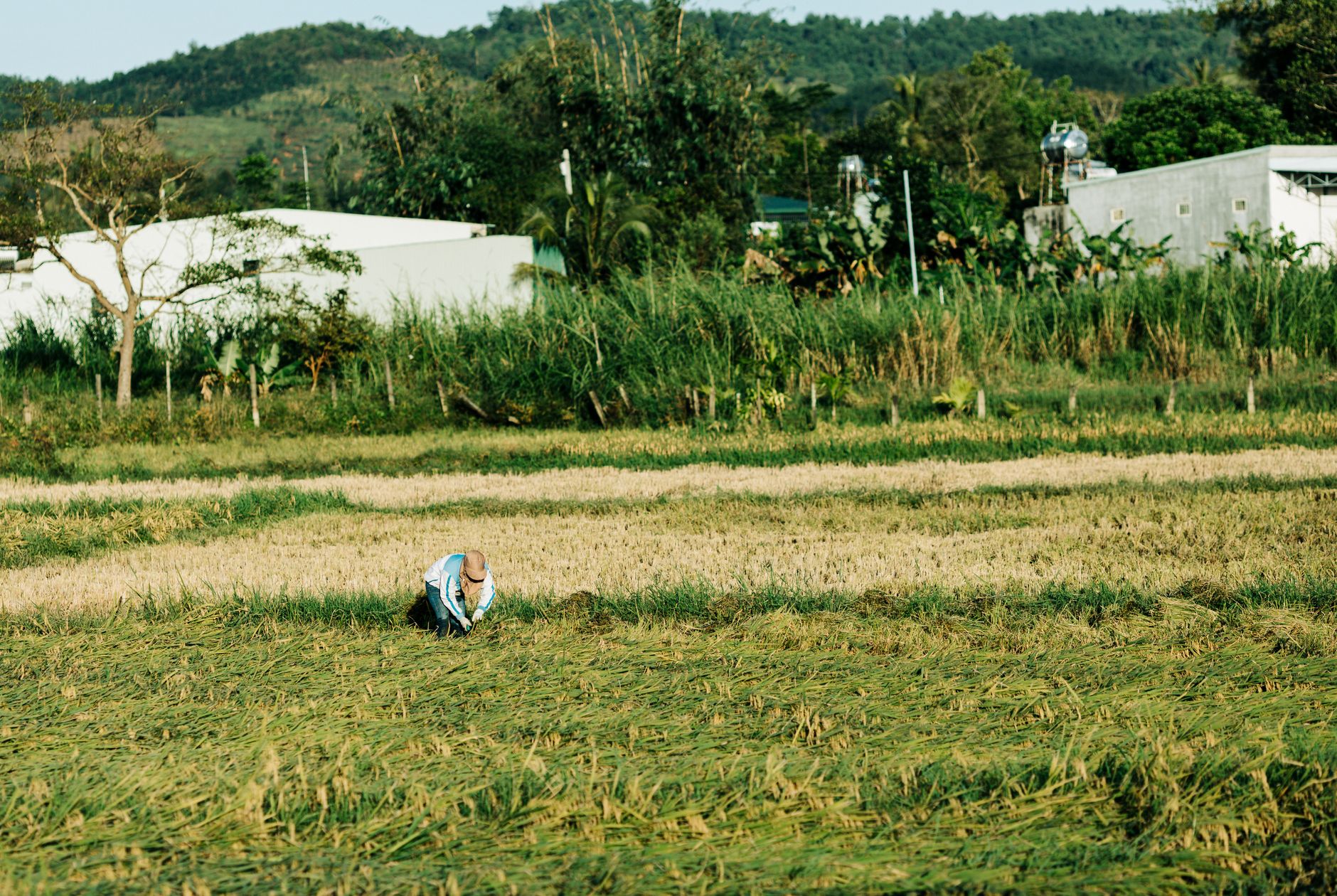
A beginner farm experience in Da Nang isn't a tourist show. We work on an actual family-run farm or market garden in the rural lanes and paddies outside the city, where the host has been growing vegetables, raising poultry, or tending fruit trees for decades. You do the work they do: dig soil, carry water, pick ripe produce, scatter feed, clean animal enclosures. It's physical, sometimes muddy, and always real. Most people who come have never done farm work before—many have never held a hoe.
What actually happens hour by hour?
You'll arrive at the farm gate by 7 a.m. or 8 a.m. (depending on your session start time) and meet your host, usually an older farmer or a middle-aged couple. They show you the tools, the animals, and the day's plan. First 15 minutes: a walk around the property so you understand the layout, the seasons, and what's growing or about to grow. Next, your host hands you a hat, points to a section of the garden, and shows you the task—maybe weeding young vegetable beds, or harvesting tomatoes, or turning compost. You work alongside them for 60–90 minutes, asking questions in simple English (our host explains through gesture and repetition too). Around 9:30 or 10 a.m., you stop for a rest and usually drink fresh water, herbal tea, or a cold drink the host's family brings. The second work block is 60–120 minutes, often a different task—perhaps feeding ducks or chickens, or preparing harvested greens for bundling. By midday (on a half-day session), you return to a simple shelter or the farmhouse kitchen, wash your hands, and eat a meal cooked by the host's family from produce you may have just picked. A full-day session continues with an afternoon rest and lighter tasks, or a visit to a local market to see where the farm's produce goes.

Which seasons suit beginners best?
Autumn and early winter (September–December) are ideal: temperatures are milder, monsoon rains taper off, and the harvest is abundant—you'll pick vegetables, fruits, and herbs actively. Spring (January–April) brings planting season; you'll learn soil prep and seed work. Summer (May–August) is wet and hot; tasks shift indoors (bundling, processing) and outdoors only in early morning or late afternoon. We always work around what the land needs, not what's comfortable for guests. If you're new to farm work and dislike heat or mud, choose autumn.
Does rain cancel the session or change it?
No, but we adapt. Light rain isn't a problem—you're already dirty. The host moves indoors-compatible work under a covered area: cleaning and bundling vegetables, repairing tools, preparing seedlings, sorting dried herbs, or learning food preservation. Heavy or sustained rain (October–November, May–June) might reduce outdoor time to 30–50 minutes, with the rest spent in the kitchen, learning to cook what you picked, or sitting with the family while they work. We always let you know by WhatsApp the night before if the day's plan is changing. Bring a light rain jacket and accept mud; it washes off.
What should beginners worry about—and what's not a problem?
Not a problem: physical fitness, strength, or speed. The host works at a pace you can match; they're not timing you. Age (we host guests from 8 to 75). Calluses or blisters—real but mild, and hands toughen after an hour. Language—English and gesture work fine.
Real concerns: allergies (pesticides, animals, pollen, insect bites). Tell us in advance, and we'll confirm the farm uses minimal sprays and can avoid certain tasks. Heat exhaustion in peak summer—hydrate constantly and ask for shade breaks. Footwear; wear sturdy, closed shoes; flip-flops or loose sandals lead to stubbed toes and mud inside. Sunburn; the sun is intense even when you feel cool. Bring sunscreen and reapply after washing hands.
The biggest honest worry is disappointment from expecting something Instagram-friendly. Real farms are unglamorous—flies, manure smell, muddy water, repetitive work, and no wifi. If that sounds good, you'll love it.
How does a beginner farm day compare to other countryside experiences?
Compare your options with Cáo Experiences:
| Experience | Duration | What you do | Physical level | Group size |
|---|---|---|---|---|
| Farm morning | 3 hours | Harvest, plant, feed animals | Moderate; standing, bending, carrying | 1–6 people |
| Market + cooking combo | 4 hours | Street food tour, then cook at a kitchen | Light–moderate; walking, standing | 1–4 people |
| Countryside day + horse riding | 5 hours | Farm tasks, then ride through rural lanes | Moderate–high; farm work + sit on horse | 2–4 people |
| Wellness slow retreat | Full day | Meditative farm tasks, tea, yoga | Light; gentle movement, sitting | 1–6 people |
Choose farm-only if you want unfiltered work and real farmer knowledge. Pair it with cooking if you want to eat what you grew. Add horse riding if you want landscape views and movement variety.

What do you need to bring and wear?
- Clothes: long pants or capris (protection from sun and scrapes), a breathable shirt, a hat or cap.
- Shoes: closed, sturdy, water-resistant (farm shoes, hiking boots, or trainers—not sandals or dress shoes).
- Extras: sunscreen (high SPF), insect repellent, a small towel, a water bottle (we refill it), a change of clothes or a plastic bag for muddy items.
- Optional: a camera (the host will pose for photos), a notebook (to sketch plants or write observations), hand cream (for after-work softening).
Do not bring: valuables (leave jewelry and excess cash at your hotel), perfume (masks the smell of the land and draws insects), or white clothes (they show mud and stain easily).
How do we adapt for kids, seniors, and specific diets?
Children (ages 6–12): They work alongside an adult at half-speed, often in shorter bursts (30–40 minutes) with more play mixed in—chasing chickens, collecting eggs, splashing in water channels. A parent or guardian stays with them always. We avoid heavy lifting and keep a first-aid kit on hand.
Teenagers (13–17): Full participation; they often outwork adults. The host treats them as junior farmhands and teaches real skills (tool safety, soil testing, budgeting for seeds). Many find it grounding and surprising.
Seniors (65+): We choose tasks that don't require heavy load-bearing—sorting vegetables, watering by hand, sitting while bundling herbs, observing and asking questions. Shade breaks every 30–45 minutes. We confirm mobility and any pain points beforehand by WhatsApp.
Dietary restrictions: The farm lunch is almost always vegetarian or light (rice, greens, tofu, eggs, fresh fruit). Tell us about allergies or preferences in advance, and the host's family will adjust. Vegan meals are possible if you give notice.
What to check before you book
- Confirm the date and weather by WhatsApp. Ask if rain is forecast; if so, ask what the indoor backup plan is.
- Mention any health conditions, injuries, or mobility concerns. We won't turn you away, but we'll choose the right farm and tasks.
- State your group size and ages. Solo guests may join a small group (2–3 others); private bookings are also available.
- Ask about pickup. Do we arrange transport, or do you get yourself to a landmark and meet the host there?
- Confirm what you're eating. If you have allergies or follow a specific diet, we'll confirm the lunch is safe before your session.
- Ask what happens if heavy rain forces rescheduling, or if you need to cancel.
Why a beginner farm experience matters differently in Da Nang
Da Nang sits between the coast and inland valleys with year-round growing. The farms here grow year-round vegetables, mangoes, citrus, and herbs—very different from a single-crop region. You're not learning rice farming (though we can arrange that in the Mekong Delta); you're learning diversified vegetable and fruit work that's closer to home gardening but at market scale. The host community is warm and genuinely curious about why foreigners want to get muddy. Many tell us afterward that this session was the most human conversation they'd had in Vietnam—not because of language, but because working side by side breaks the tourist barrier. If you want to explore other countryside and wellness options, we also run tea experiences and countryside crafts in the Da Nang area. For a fuller picture of what we offer regionally, see more stories from our hosts.
FAQ
Do I need farming experience or a certain fitness level?
No. Beginners of all ages and fitness levels come. We adjust tasks to your pace and strength. The host will show you how to use tools safely and correctly.
What if I'm allergic to insects or animal dander?
Tell us before booking. Some farms focus more on vegetable work than animal contact. We'll match you to a suitable farm or confirm the task list avoids your triggers.
Can kids do this? How young is too young?
Children from age 6 can participate with a supervising adult. Under 6, the work pace and heat make it difficult. Teenagers often enjoy it most.
What happens if I get injured or feel unwell during the session?
The host has basic first aid (cuts, blisters, minor scrapes). For serious injury, we return to town immediately. Phone reception is usually available. Tell us about any medical conditions in advance.
Can I visit just to take photos, or do I have to work?
You participate. That's the point. Guests who come ready to work and get dirty report the deepest satisfaction. If you prefer observation-only, our art and culture classes or flower arranging workshop might suit better.
Is the farm organic or are pesticides used?
Most family farms in the Da Nang region use minimal chemical sprays, preferring manual pest control and crop rotation. We'll confirm the specific farm's practices when you book.
How long is the session, and what's included?
Half-day (3 hours) or full-day (5–6 hours) options. Included: guidance from a local host, tools, a meal (usually lunch), water, and local knowledge. Ask us for dates and pricing on WhatsApp.
Ask about dates
Tell us the city, your dates and what you would like to try. We reply on WhatsApp in English with options and availability.
FAQ
Do I need farming experience or a certain fitness level?
No. Beginners of all ages and fitness levels come. We adjust tasks to your pace and strength. The host will show you how to use tools safely and correctly.
What if I'm allergic to insects or animal dander?
Tell us before booking. Some farms focus more on vegetable work than animal contact. We'll match you to a suitable farm or confirm the task list avoids your triggers.
Can kids do this? How young is too young?
Children from age 6 can participate with a supervising adult. Under 6, the work pace and heat make it difficult. Teenagers often enjoy it most.
What happens if I get injured or feel unwell during the session?
The host has basic first aid (cuts, blisters, minor scrapes). For serious injury, we return to town immediately. Phone reception is usually available. Tell us about any medical conditions in advance.
Can I visit just to take photos, or do I have to work?
You participate. That's the point. Guests who come ready to work and get dirty report the deepest satisfaction. If you prefer observation-only, our [art and culture classes](/art-classes) or [flower arranging workshop](/flower-arranging) might suit better.
Is the farm organic or are pesticides used?
Most family farms in the Da Nang region use minimal chemical sprays, preferring manual pest control and crop rotation. We'll confirm the specific farm's practices when you book.
How long is the session, and what's included?
Half-day (3 hours) or full-day (5–6 hours) options. Included: guidance from a local host, tools, a meal (usually lunch), water, and local knowledge. Ask us for dates and pricing on WhatsApp.
More like this
Farm and countryside days
Fishing Experience Vietnam for Japanese Travelers: Where to Go & What to Expect
Vietnam's waterways offer Japanese travelers a chance to learn traditional fishing methods directly from locals. Cáo Experiences runs half- and full-day sessions on rivers, lakes and the Mekong Delta where you cast nets, set traps, and cook your catch.
Farm and countryside days
Fishing Experience Vietnam for Foreigners: Hands-On Guide
Fishing in Vietnam isn't a spectator sport—you'll wade into rivers, cast nets, trap fish in baskets, and cook your catch for lunch. We run small-group and private fishing days in the countryside outside Hanoi, Ha Noi region, and the Mekong Delta.
Farm and countryside days
Fishing Experience in Vietnam: 8 Questions to Ask Before You Go
Fishing in Vietnam means wading through rice paddies, learning trap techniques, or casting in rivers with local guides. Here's what to ask before you book.