
Home › Blog › Farm and countryside days
Beginner Farm Experience in Ho Chi Minh City: What to Expect
By the Cáo Experiences team · 2026-11-06
A farm experience with Cáo Experiences runs 4–5 hours, usually starting early morning to avoid midday heat. You travel to a family-run vegetable garden on the rural edge of the city, where a local farmer shows you seasonal crops (leafy greens, herbs, root vegetables, melons depending on the month). You harvest by hand, learn soil and water practices, then return to a simple kitchen—often in the farmhouse itself—to cook a meal using only what you picked. Beginners worry about pace and whether they'll be capable, but we move slowly, explain each step in English, and adapt tasks for age and fitness. The experience costs less than a city restaurant meal; ask us for dates and a quote on WhatsApp. Rain doesn't cancel—we reschedule or shift to indoor activities (preserving, drying, cooking-focused sessions).
What Does a Beginner Actually Do on a Farm Morning?
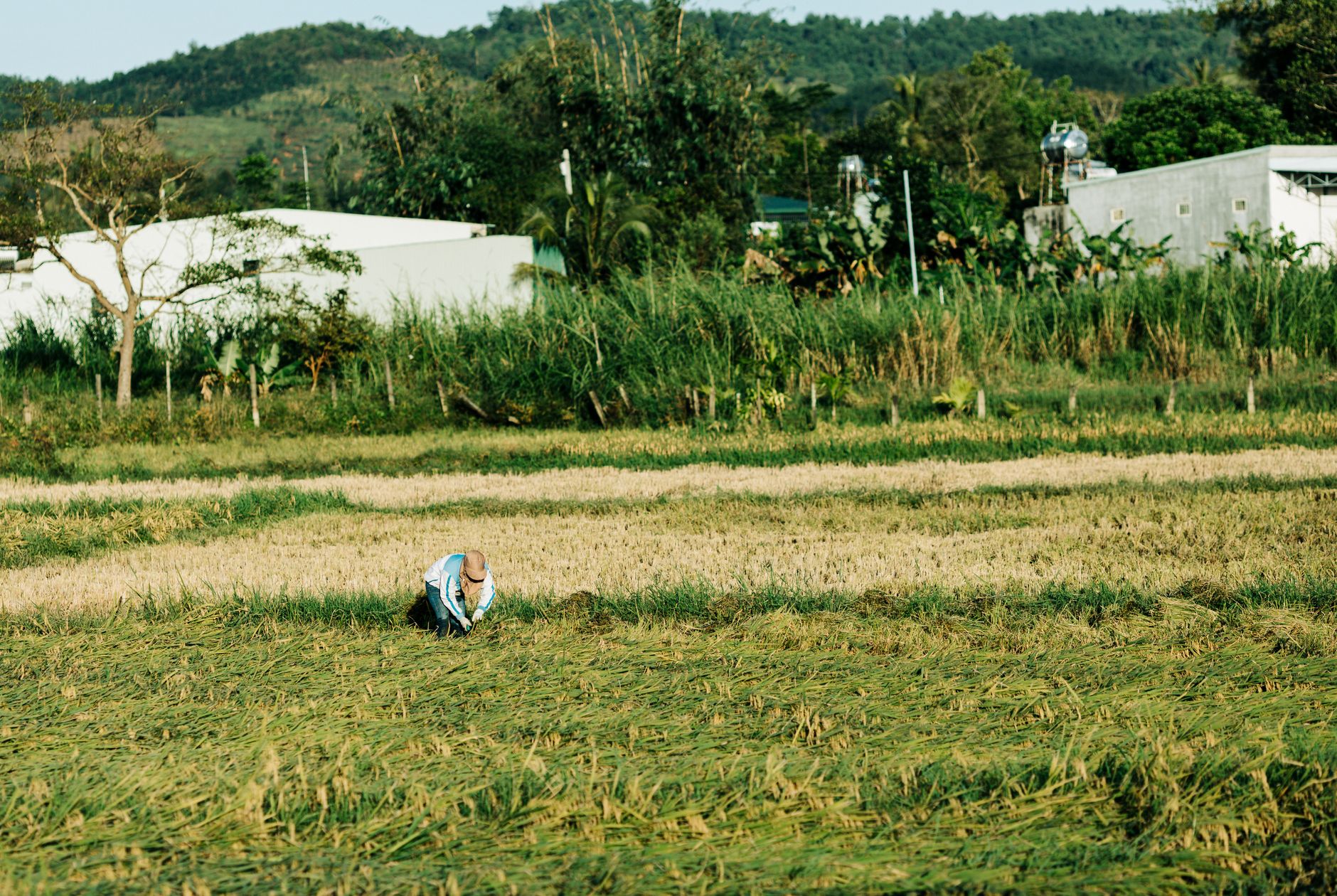
You'll arrive before 7 a.m. when the air is cool and the soil still holds moisture from overnight. The farmer walks you through the rows, pointing out what's ready to harvest: maybe morning glory with its tender stems, Thai basil heavy with scent, long beans clinging to bamboo frames, or root crops still crusted with earth. You work with simple tools—a blade, a basket—learning the exact angle to cut or pull. There's no rush. Beginners often ask "Will I do this correctly?" but the farmer shows you by example twice, then guides your hands the first time. Within minutes, most people move from anxious to absorbed. By the end, you've filled a basket with vegetables you chose, touched soil, and felt the difference between a plant that's ready and one that isn't—knowledge city-dwelling never gives.

Which Season Should You Choose, and Why It Matters?
Ho Chi Minh City's hot, humid climate means different crops in different months. July to October (rainy season) brings leafy greens, herbs, and melons that love wet soil; December to March (cool season) is ideal for root vegetables, cabbage, and longer-harvest cycles. Beginners often ask which time is "best," but each has its own rhythm. Rainy-season farms feel more lush and urgent—everything grows fast, weeds are constant, water floods the paths (we wear rubber boots or reschedule if the downpour is extreme). Cool-season work feels slower and more methodical. Neither is easier; they're different. The type of crop you handle changes your mood: harvesting a spiky bitter melon feels different from picking soft leafy herbs. Ask us for dates and a quote on WhatsApp, and mention whether you prefer cooler mornings or lush growth.
How Do We Handle Diet, Age, and Fitness on a Working Farm?
We adapt every session. Kids (ages 5+) love the sensory side—digging in soil, chasing insects, tasting a sun-warm tomato—but we shorten the harvest time and pair them with a parent or slow the pace for groups with seniors. Mobility: the path isn't paved, the ground is soft and sometimes muddy, and you'll crouch or kneel. If stairs or uneven ground concern you, tell us—we can modify tasks to standing work or hands-on cooking instead of harvesting. Pregnant people, people with back issues, and anyone over 70 should discuss details with us before booking.
What's the Difference Between Morning Harvest and a Full Farm-to-Table Day?
Two main formats exist. A morning harvest (3–4 hours) focuses on learning to pick and basic soil knowledge, then a simple meal—grilled herbs, fresh soup, salad. A full farm-to-table day (5–6 hours) includes longer harvest time, a cooking class in the farm kitchen where we make 2–3 dishes, and eating together. The full day is richer if you want to learn cooking technique alongside farming; the morning suits people who want a quick taste or have limited time. Both include a guide who speaks English and translates the farmer's knowledge. Both end with you taking home extra vegetables or seeds. The full day costs more; ask us for a quote. Neither is better—they fit different schedules and curiosity levels.
| Format | Who it's for | What happens | Why choose it |
|---|---|---|---|
| Morning harvest | Quick learners, families with young kids, people tight on time | Pick vegetables, learn basics, eat a simple meal on-site | Fast, sensory, good intro to farm rhythms |
| Full farm-to-table | Cooking hobbyists, groups, anyone wanting deeper engagement | Longer harvest, in-depth cooking class, meal prep and eating together | Learn technique, taste what you made, more storytelling with farmer |
How Do We Reschedule or Adapt If Rain or Heat Gets Intense?
August and September can bring storms that flood paths and make harvesting impossible. We check forecasts 48 hours before and offer three options: reschedule to another date (no penalty), shift the experience to an indoor cooking-focused session using pre-picked vegetables from the farm, or pause and wait—the farm waits. Heat is different: if it hits 35°C+ by 9 a.m., we start earlier (5:30 a.m. instead of 6:30) or move the session to the kitchen with a lesson on preserving, drying, and pickling the farm's seasonal crops. We provide water, shaded rest time, and honest communication. The farm isn't air-conditioned, but the kitchen and simple shelter are functional. We've never had a session fail; we've just made it different. Bring a light long-sleeved shirt (sun and insects), a wide hat, and closed shoes that can get muddy.
What Should You Check Before Booking a Farm Session?
Ask yourself and us these questions:
- Mobility: Can you walk uneven, muddy paths and crouch or kneel for 30–45 minutes? If no, ask if a cooking-only format works instead.
- Allergies or diet restrictions: Do you have any that the kitchen needs to plan around? The farm grows many crops; we'll work with your needs, but tell us upfront.
- Language comfort: We speak English. Does your group? If not, we can arrange translation for an extra fee.
- Time of year: Are you visiting during rainy season (risk of rescheduling) or cool season (more stable)? Either is fine, but know the trade-off.
- Heat tolerance: Can you handle 6+ hours in warm, humid weather with limited shade during harvest? Honest answer here matters.
- Group size: Are you solo, a couple, a family, or a larger group? We run sessions 2–12 people; larger groups split or need advance notice.
- Cooking confidence: Do you want to learn technique or just taste farm food? Either is fine; it shapes the day.
We also pair farm experiences well with Vietnamese cooking classes if you want deeper kitchen skills, or with street food and market tours to learn where urban suppliers source their crops. Many guests also enjoy tea experiences on a countryside visit, or family experiences if kids are joining.
FAQ
Do I need farming experience to do this?
No. We teach beginners to harvest by watching and doing. Most people feel capable within 10 minutes.
What if I'm vegetarian or have a food allergy?
Tell us when you ask about dates. The farm grows dozens of crops; we build meals around what you can eat. The farmer avoids certain pesticides on specific crops—ask us directly.
Is there air conditioning or shade during the hot hours?
The harvest area has some shade. We start early to avoid peak heat (10 a.m.–2 p.m.). The kitchen and farm buildings have fans. It's not a resort; it's a working farm.
Can we bring kids? How young is too young?
Ages 5+ usually enjoy it. Younger kids can come if a parent is hands-on; we adapt tasks. Teenagers love the dirt and independence.
What happens if it rains the day of our session?
We check the forecast 48 hours out. We'll reschedule, shift to cooking indoors, or adjust the start time. No sessions are cancelled; they're adapted.
How much do we take home?
Typically a bundle of extra vegetables or herbs we picked together, plus any seeds the farmer is sharing that season.
Can a group of 10 or more book a farm day?
Yes. Larger groups need advance notice so we can arrange transport and kitchen space. Ask us for dates and a quote on WhatsApp.
Ask about dates
Tell us the city, your dates and what you would like to try. We reply on WhatsApp in English with options and availability.
FAQ
Do I need farming experience to do this?
No. We teach beginners to harvest by watching and doing. Most people feel capable within 10 minutes.
What if I'm vegetarian or have a food allergy?
Tell us when you ask about dates. The farm grows dozens of crops; we build meals around what you can eat. The farmer avoids certain pesticides on specific crops—ask us directly.
Is there air conditioning or shade during the hot hours?
The harvest area has some shade. We start early to avoid peak heat (10 a.m.–2 p.m.). The kitchen and farm buildings have fans. It's not a resort; it's a working farm.
Can we bring kids? How young is too young?
Ages 5+ usually enjoy it. Younger kids can come if a parent is hands-on; we adapt tasks. Teenagers love the dirt and independence.
What happens if it rains the day of our session?
We check the forecast 48 hours out. We'll reschedule, shift to cooking indoors, or adjust the start time. No sessions are cancelled; they're adapted.
How much do we take home?
Typically a bundle of extra vegetables or herbs we picked together, plus any seeds the farmer is sharing that season.
Can a group of 10 or more book a farm day?
Yes. Larger groups need advance notice so we can arrange transport and kitchen space. Ask us for dates and a quote on WhatsApp.
More like this
Farm and countryside days
Fishing Experience Vietnam for Japanese Travelers: Where to Go & What to Expect
Vietnam's waterways offer Japanese travelers a chance to learn traditional fishing methods directly from locals. Cáo Experiences runs half- and full-day sessions on rivers, lakes and the Mekong Delta where you cast nets, set traps, and cook your catch.
Farm and countryside days
Fishing Experience Vietnam for Foreigners: Hands-On Guide
Fishing in Vietnam isn't a spectator sport—you'll wade into rivers, cast nets, trap fish in baskets, and cook your catch for lunch. We run small-group and private fishing days in the countryside outside Hanoi, Ha Noi region, and the Mekong Delta.
Farm and countryside days
Fishing Experience in Vietnam: 8 Questions to Ask Before You Go
Fishing in Vietnam means wading through rice paddies, learning trap techniques, or casting in rivers with local guides. Here's what to ask before you book.