
Home › Blog › Farm and countryside days
Beginner Farm Experience in Saigon: What to Expect & How to Choose
By the Cáo Experiences team · 2026-11-06
A beginner farm experience with Cáo Experiences runs 4–8 hours in a working family kitchen garden or small rural holding outside central Saigon, led by English-speaking hosts who live there or work the land. You arrive by car or motorbike, walk the beds, learn seasonal crops (herbs, greens, morning glory, eggplant, tomatoes depending on month), harvest by hand, sit down to cook with what you picked in a family kitchen, and eat together. No farming skill needed—we show you what to do. Most suited to adults and curious kids aged 8+; families love the hands-on rhythm. Wear closed shoes, bring sun cream, expect to squat, bend, and get soil on your clothes. Rain doesn't cancel—we adapt indoors or shorten the harvest, focusing on the kitchen and stories instead. Ask us for dates and a quote on WhatsApp to fit your group size and season. Ask about dates on WhatsApp
What actually happens in a beginner farm session?
We meet you at 8 a.m. or 1 p.m. outside a family kitchen garden in the peri-urban belt—20 to 40 minutes from central Saigon depending on traffic. You arrive, greet the farmer or our host (who lives or has deep ties there), and get a 10-minute walk-around: they point out the beds, explain what's in season, show you how they irrigate and compost. Then you harvest for 45 minutes to an hour, using small baskets and knives we provide. Beginners worry they'll cut the plant wrong or pick unripe fruit—we stand beside you, show the angle, the ripeness test (color, a gentle squeeze). By the second harvest item, your hands relax. You gather greens, pick herbs, dig a root vegetable if it's root season. Around 10 a.m. or 3 p.m., you move into the family kitchen. A low table, stools, running water, a gas stove. We prep ingredients together—washing, chopping, tying bundles. Someone stir-fries, someone makes a soup, someone arranges a fresh herb plate. No one's a chef; you learn by watching and doing one task at a time. In an hour, you have 3 or 4 dishes. You sit, eat, talk about the flavors, the work, why this farm does it this way. Coffee or tea follows. Total: about 5 hours for a half-day, 7–8 for a full day (which often includes a lunch break and a market visit nearby).

Why do beginners choose farm visits over cooking classes?
Many guests arrive thinking: "I'll just take a Vietnamese cooking class in the city." But they discover a farm day answers a deeper question—where does the food come from, and who grows it? A city cooking class teaches technique; a farm teaches soil, seasonality, the farmer's day. Beginners are often surprised by the physical work (bending, kneeling, heat) and by how much flavor changes when you pick a tomato at peak ripeness instead of buying it three days old. The kitchen work at the end feels less like instruction and more like a natural thank-you to the land. If you want to cook, a farm-plus-kitchen hybrid works best. If you want story and connection, choose the farm. Both can link to coffee workshops or tea experiences if you're spending a full day in the countryside.
Who is a beginner farm experience actually for?
| Visitor type | What they get | Best fit? |
|---|---|---|
| Solo traveler, 20–40 | Independence, story, Instagram moment, connection to the work | Yes, if curious and okay with a small group |
| Couple | Shared effort, novelty, good photos, quiet time together | Yes; we run private sessions |
| Family with kids 8+ | Kids learn by doing, less screen time, honest food story | Yes; we adapt pacing and chores for age |
| Retiree | Low-pressure, hands-on learning, respect for farmers, coffee/tea included | Yes; we slow the pace, offer chairs, no heavy lifting required |
| Group on a corporate day | Team bonding, light activity, no competition | Yes; group and team experiences run 6–15 people |
| Fitness enthusiast | Wants outdoor activity | Maybe; it's not a workout, but you will sweat and bend |
Beginners often fear they're "too old" or "too weak" to farm. We adapt immediately: if you can't kneel, we harvest from standing; if your hands tire, someone else finishes. If rain comes, we move indoors. The only real requirement is curiosity and a willingness to get soil on your shoes.
What should you wear and bring?
Closed shoes—no sandals, no flip-flops (sharp tools, uneven ground, insects). Long pants or capris work better than shorts (sun, minor scratches). A hat or cap. Sunscreen; we're outside 2+ hours. Bring a small backpack with a water bottle (we refill). Wear something you don't mind staining; soil is stubborn. A light long-sleeve shirt helps with sun and minor scratches but isn't mandatory in hot months. Kids often wear their play clothes. Some guests bring a small notebook and pen to jot down plant names or recipes. Don't bring jewelry that catches on plants, perfume (it attracts insects), or leather belts that get wet and stink. If you have a food allergy, tell us in advance—we cook around it. If rain falls, we still harvest under a canopy or move straight to the kitchen. A drizzle doesn't stop us; a heavy downpour does, and we reschedule or cook an indoor meal together instead.
How does Cáo Experiences adapt for kids, seniors, and dietary needs?
For kids (8–16): We keep the harvest short (30 minutes instead of 60) and make it a game—"find the reddest tomato," "count the basil stems." They do lighter tasks: collecting, sorting, washing. In the kitchen, they stir, tear herbs, set the table. Older teens help with chopping under supervision. Most kids are engaged because they're handling real food, not watching someone else cook. Snacks between harvest and eating keep energy up.
For seniors (60+): We offer a stool or chair nearby; standing is optional. Harvesting can be done slowly, with a host doing half the picking while the senior learns and points. In the kitchen, sitting down to prep is normal—we bring ingredients to you. No pressure to stand at a stove. Stories often matter as much as the work; many hosts are happy to chat about the farm's history, their family's ties to the land, or how things have changed. The pace is gentler.
For allergies and diets: Vegetarian, vegan, gluten-free, shellfish-free—we plan the menu in advance via WhatsApp. We grow vegetables and herbs; you won't cook with meat. If you're allergic to peanuts or fish sauce, we use alternatives or omit them. Let us know when you book.
For rain: Light rain means we harvest under a shelter and focus on the kitchen sooner. Heavy rain, and we reschedule to a dry date or do an indoor session: learning about crops, cooking two or three dishes, and stories about the farm. We don't cancel lightly, but we also don't want you miserable.
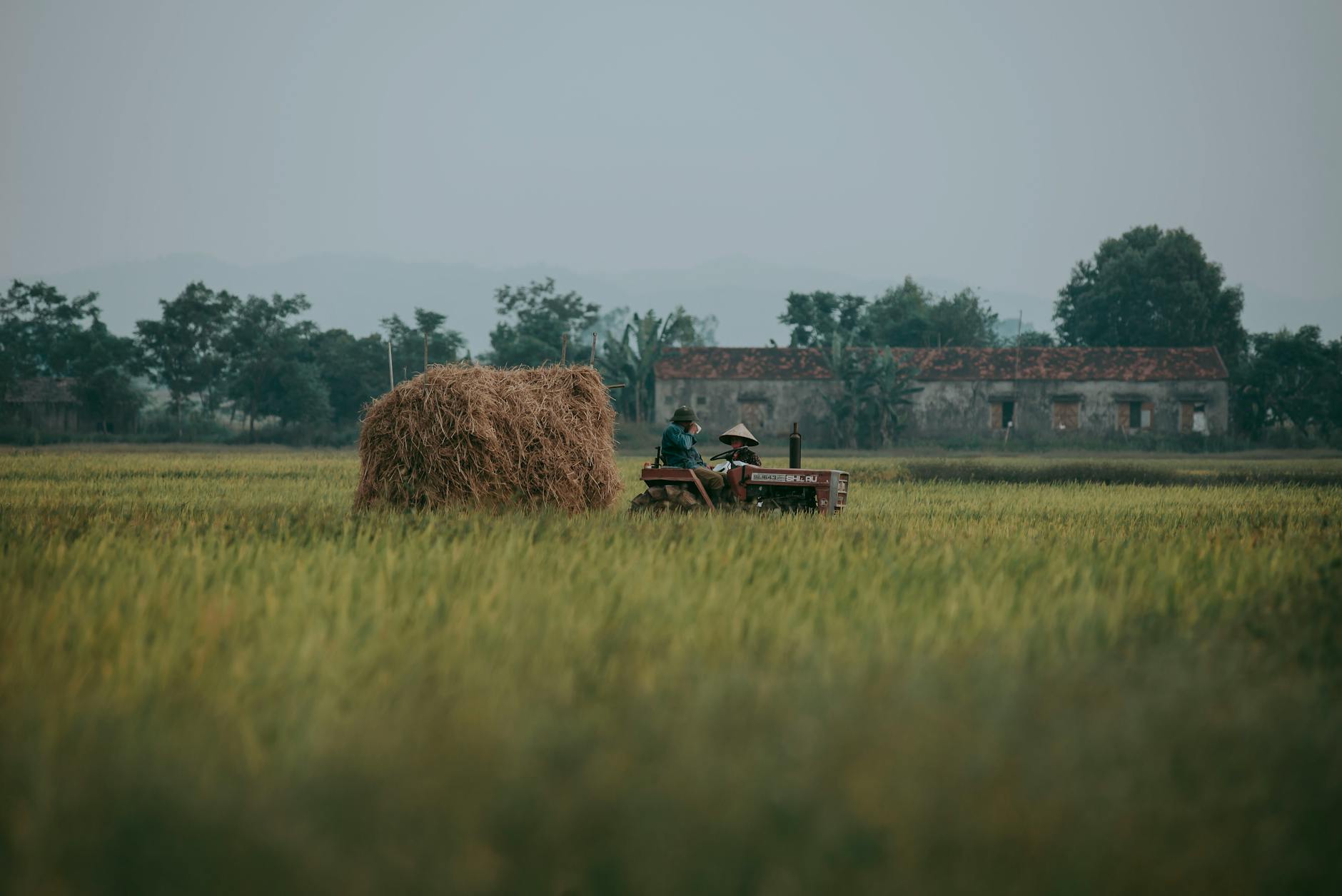
What's the real difference between a half-day and full-day farm session?
A half-day (4–5 hours) starts at 8 a.m. or 1 p.m., includes a harvest (60–90 minutes), kitchen work, eating, and a cup of tea before you leave. You see one or two growing areas, learn 3–5 plants in depth, cook 3–4 dishes. It's focused, not rushed. Most beginners choose this because it fits a day in the city—morning farm, afternoon museum or market. A full-day (7–8 hours) starts at 8 a.m., includes a longer harvest (90 minutes), a lunch break or market visit, then a deeper afternoon: maybe a second kitchen session (ferments, preserved vegetables), a tea experience with the farmer's preferred leaf, or a walk to a nearby waterway. You meet the farmer's family, see more of their calendar (season prep, composting, water management). Full days suit couples, small groups, or anyone wanting deep immersion. Beginners sometimes worry a full day is too much—it rarely is, because you're not rushing and the rhythm feels natural.
How does a farm experience compare to other Saigon countryside options?
You could choose horse riding experience outdoors, a street food and market tour in the city, or a wellness retreat instead. A farm visit is the only one where you grow and cook the food yourself—it's participatory, not observational. A street food tour teaches you what vendors cook; a farm teaches why that ingredient tastes the way it does at its source. A horse ride is about the animal and landscape; a farm is about human knowledge and skill passed to you. Family experiences on the farm suit kids well because they're doing real work, not just watching. If you're in Saigon for a week, a farm day + a cooking class + coffee workshop build a complete food story: where it grows, how to cook it, how to drink it well. Start with the farm if you're new to Vietnam; it frames everything else you eat.
What to check before you book a farm experience
- Confirm the date fits the season. Saigon's farms grow different crops in winter (October–March: leafy greens, herbs, root vegetables) and summer (April–September: eggplant, peppers, morning glory, tomatoes). Ask which crops will be ready; some visitors want to see a specific plant and might be disappointed if it's off-season.
- Clarify the group size. A private session (2–4 people) feels intimate; small-group sessions (4–8 people) are social and cheaper per person. Ask if you'll meet other guests.
- Check the start time. 8 a.m. sessions are cooler; 1 p.m. sessions suit late risers but mean midday heat during the harvest. Know what suits your body and schedule.
- Ask about the kitchen location. Some farms have a covered outdoor area; others have a proper family kitchen. If you want air conditioning, ask—most don't have it, and that's part of the charm. But some guests with heat sensitivity need to know.
- Confirm transport. Do you arrange your own motorbike or car? Does Cáo Experiences arrange pickup? If you're uncomfortable on a motorbike, ask for a car option and confirm cost.
- Disclose allergies, mobility limits, and dietary needs upfront. We adapt, but we need to know before the day arrives.
How to extend your farm experience into a bigger food journey
If you're staying in Saigon for 2–3 days, combine a morning farm visit with an afternoon street food and market tour—you'll see the wholesale market and street stalls where some farmers also sell. A second day could include a Vietnamese cooking class in a city family kitchen, where a chef teaches refined techniques (different from the farm's simple, seasonal approach). On the third day, a coffee workshop shows you how Saigon's cafe culture works. Some guests add art and culture classes or flower arranging if they have extra time. Each builds a layer: farm = source; market = distribution; cooking class = technique; coffee = ritual. For families, family experiences can be customized to combine farm time with light craft or a nearby nature walk. Ask us to design a multi-day itinerary on WhatsApp.

FAQ
Do I need farming experience to join a beginner farm session?
No. "Beginner" means no prior knowledge required. We teach as we go, and most guests have never harvested or cooked in a farmhouse kitchen. You learn by doing, with a host beside you.
What if I'm vegetarian or have a food allergy?
Tell us when you book via WhatsApp. We grow vegetables and herbs; the menu is naturally plant-based. We adapt for allergies (shellfish, peanut, gluten, etc.) by adjusting recipes or omitting ingredients. No problem.
Is the farm far from Saigon city center?
Usually 20–40 minutes by car, depending on traffic and which farm. We'll confirm the exact location and transport plan when you book.
What happens if it rains?
Light rain doesn't stop us—we harvest under cover and move to the kitchen sooner. Heavy rain, and we reschedule to another date or run an indoor session (cooking, stories, tea). We'll adapt on the day.
Can I bring a small child (under 8)?
Younger children are welcome if a parent stays very close. They can't harvest safely alone, but they can collect, sort, and help in the kitchen. Ask us for advice on your child's age and comfort level.
How much does a farm experience cost?
Ask us for dates and a quote on WhatsApp. Cost depends on group size, whether it's private or small-group, and half-day or full-day. We'll give you a clear price when we confirm dates. --- Explore more countryside experiences
Ask about dates
Tell us the city, your dates and what you would like to try. We reply on WhatsApp in English with options and availability.
FAQ
Do I need farming experience to join a beginner farm session?
No. "Beginner" means no prior knowledge required. We teach as we go, and most guests have never harvested or cooked in a farmhouse kitchen. You learn by doing, with a host beside you.
What if I'm vegetarian or have a food allergy?
Tell us when you book via WhatsApp. We grow vegetables and herbs; the menu is naturally plant-based. We adapt for allergies (shellfish, peanut, gluten, etc.) by adjusting recipes or omitting ingredients. No problem.
Is the farm far from Saigon city center?
Usually 20–40 minutes by car, depending on traffic and which farm. We'll confirm the exact location and transport plan when you book.
What happens if it rains?
Light rain doesn't stop us—we harvest under cover and move to the kitchen sooner. Heavy rain, and we reschedule to another date or run an indoor session (cooking, stories, tea). We'll adapt on the day.
Can I bring a small child (under 8)?
Younger children are welcome if a parent stays very close. They can't harvest safely alone, but they can collect, sort, and help in the kitchen. Ask us for advice on your child's age and comfort level.
How much does a farm experience cost?
Ask us for dates and a quote on WhatsApp. Cost depends on group size, whether it's private or small-group, and half-day or full-day. We'll give you a clear price when we confirm dates. --- [🌱 Explore more countryside experiences](/farm-experience)
More like this
Farm and countryside days
Fishing Experience Vietnam for Japanese Travelers: Where to Go & What to Expect
Vietnam's waterways offer Japanese travelers a chance to learn traditional fishing methods directly from locals. Cáo Experiences runs half- and full-day sessions on rivers, lakes and the Mekong Delta where you cast nets, set traps, and cook your catch.
Farm and countryside days
Fishing Experience Vietnam for Foreigners: Hands-On Guide
Fishing in Vietnam isn't a spectator sport—you'll wade into rivers, cast nets, trap fish in baskets, and cook your catch for lunch. We run small-group and private fishing days in the countryside outside Hanoi, Ha Noi region, and the Mekong Delta.
Farm and countryside days
Fishing Experience in Vietnam: 8 Questions to Ask Before You Go
Fishing in Vietnam means wading through rice paddies, learning trap techniques, or casting in rivers with local guides. Here's what to ask before you book.