 Cáo Experiences
Home › Blog › Flower arranging workshops
Beginner Floristry Class in Hoi An: What to Expect
By the Cáo Experiences team · 2026-11-01
A beginner floristry class in Hoi An through Cáo Experiences runs for a half or full day in a family kitchen or workshop space in the old quarter. You arrive with zero experience; we show you how to strip, condition, and arrange stems using both Western and Vietnamese styling principles—symmetry, balance, the role of negative space. By the end you leave with 2–3 arrangements of your own. Classes suit couples, solo travelers, small groups, and families with teenagers. We adapt for allergy concerns (some florals trigger sensitivity) and work around rain by staying indoors. Ask us for dates and a quote on WhatsApp. Cáo Experiences runs all sessions in English with live WhatsApp coordination.
Why learn floristry in Hoi An instead of at home?
Hoi An's light, lantern-lined lanes and riverfront views anchor the experience in a place that inspired flower design for centuries. The town's flower markets sell seasonal stems you won't find in your home country—spider chrysanthemums, local dahlias, tropical greenery most travelers never knew existed. Learning to arrange them here means you're working with the plant life of the place. When you return home, you'll recognize Vietnamese design logic in any florist's window.

What do you actually make and take home?
You create 2–3 finished arrangements during a class. The first is usually a low bowl or cylinder arrangement—classical structure, teaches you mechanics (grid work, water absorption, stem placement angles). The second might be a hand-tied bouquet or tall vase design depending on what's seasonal and what appeals to you. If you book a full day, a third arrangement gives you confidence repeating techniques or trying a style you hesitated on. Each one wraps carefully for travel; most last 5–7 days with daily water changes. Families often split the materials across two or three smaller pieces kids can each carry.
How do skill levels and age ranges work?
We see everyone from 8-year-olds to guests in their 70s. Children under 12 usually pair with a parent; we give them simpler mechanics (no heavy conditioning) and let them focus on color and placement while an adult handles scissors and stems. Teenagers and adults do the full process. Older guests sometimes worry about hand strength for conditioning—we show you the one-handed technique or use pre-prepped stems with no loss of learning. Couples often work side by side; one person leads while the other discovers. Groups of friends divide into stations so everyone gets individual attention. Nobody arrives knowing anything, and that's the entire point.
What happens if rain disrupts the outdoor parts?
We're indoors for 90% of any session—prep, arrangement, and finishing happen under cover. The only outdoor element might be a morning walk to a local market to see stems before purchase, or photos in natural light at the end. If rain is heavy, we skip the walk and source materials ahead. You lose nothing essential. In fact, wet-weather sessions feel cozier; the workshop feels more intimate. We've never cancelled a class for weather; we adapt it.
How do allergies and dietary needs get handled?
Some flowers—especially chrysanthemums and certain lilies—shed pollen or have sap that irritates skin. Tell us on WhatsApp before you book. We keep the material list and substitute high-pollen stems with aster, rose, or greenery-forward designs. Hand sensitivity is common; we use gloves if needed and show you the gentler handling trick. A few guests are allergic to floral water preservative; we use plain water instead (arrangements last slightly shorter but look identical). We're not a café, so dietary needs don't apply—but if you book a full-day session with us, we point you to nearby lunch spots in the old quarter where you can eat what suits you.
Comparison: What Kind of Floristry Class Suits Your Style?
| Class focus | Best for | What you make | Duration | Why choose it |
|---|---|---|---|---|
| Seasonal arrangement fundamentals | Beginners, all ages | 2 bowl/vase arrangements | Half day | Core techniques, relaxed pace, group energy |
| Bridal or event bouquet | Couples, wedding planners | 1 statement bouquet | Full day | Occasion-specific, deeper conditioning work, take-home gift |
| Market-to-arrangement | Food/plant lovers, explorers | 2–3 pieces + market tour | Full day | See Hoi An's flower vendors, understand local growing seasons |
| Family multi-height station | Kids + parents together | 4–5 small arrangements (shared materials) | Half day | Everyone leaves with something, low pressure, teaches color theory |
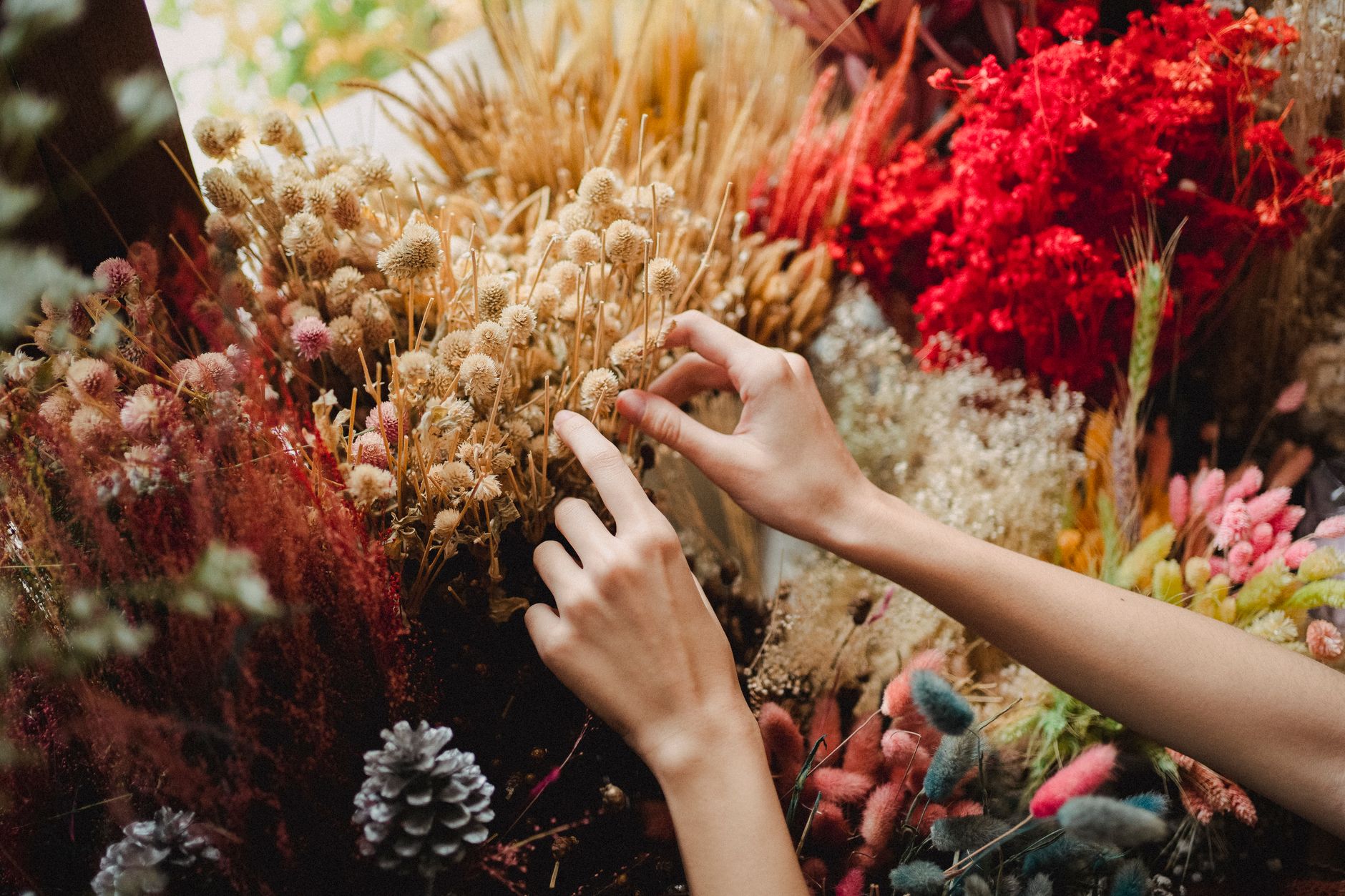
What to check before booking your class
Timing and season. Ask whether the class aligns with stem availability. Spring brings dahlias and imported peonies; autumn has chrysanthemums and celosia. Winter sometimes has fewer variety but calmer crowds. Ask us for dates on WhatsApp.
Group size. We cap beginner classes at 4–5 people so you get real feedback. If you want a private session, we arrange it; ask for a quote.
Transportation. Most classes happen in a workshop in the old quarter, a 10–15-minute walk or cheap motorbike taxi from the central hotels. We send you the address after booking.
Materials and takeaway. All stems, vases, floral foam, and water are provided. Your arrangements wrap in kraft paper. If you're flying out within 24 hours, let us know—we use shorter-lasting but showier combinations so they peak the day of class.
What to wear. An apron protects clothes (we have spares). Bring a small towel; hands get damp. Wear shoes you don't mind water splashing on.
Cancellation and rescheduling. Weather rarely closes us. Personal conflicts? Ask us to reschedule.
How a typical session flows (step by step)
9:00 a.m.: arrival and intro (15 min). You meet us in the workshop; we show you the stems for the day, ask your color preferences, explain the session plan. We talk through what you'll learn—why we strip lower leaves, how to hold pruners without strain, the geometry of balance.
9:15–10:15: demo and first arrangement (1 hour). We arrange one piece live while you watch; you interrupt with questions. Then you step up to your own vase. We stand beside you, guide your hand if needed, celebrate each stem you place right. No judgment. Most beginners finish their first piece around 10:15, buzzing a little.
10:15–10:30: break and water refill. Tea or coffee. Stretch. Look at what you've made.
10:30–11:45: second arrangement (1.25 hours). You work faster now. You've felt how stems drink, where to angle them. You try a bouquet or a tall arrangement this time. Some guests ask to repeat the first style to refine it. We support both.
11:45–12:00: wrapping and photos. Your arrangements wrap, you write labels if you want, we photograph you with your work in natural light from the workshop door. You leave with something real and beautiful.
Full-day sessions add a lunch break (you choose nearby spots), a market walk if the weather's clear, and a third smaller piece in the afternoon.
Compare floristry with other hands-on experiences in Hoi An
If you're weighing floristry against other workshops, consider: Vietnamese cooking classes teach you a lifelong skill you use daily; coffee workshops focus on tasting and brewing technique. Floristry is visual and meditative—the learning curve is gentler, the result is decorative, and it's harder to "fail" because you're in control of the aesthetic. If you want to move your body more, consider horse riding or a farm experience. If you want culture and storytelling, art and culture classes dig deeper into Vietnamese history. Floristry is for people who want calm, small-group focus, and a beautiful object to carry away.
What makes Hoi An's flower market different
The markets—Quang Ba in Hanoi and Ben Thanh in Ho Chi Minh City are famous—but Hoi An's smaller vendors in the early morning sell stems that rarely export. You'll see local dahlias in shades of cream and terracotta, spider chrysanthemums the size of your hand, and tropical greenery (rattan palm, monstera, wild pepper branches) that grows wild or semi-wild in the provinces nearby. Prices are half what those stems cost in the US or Europe. If you book a full-day market tour and class combo, we walk you through the vendors, explain how they source, and you pick stems together—then arrange them immediately. The sense of place becomes part of the arrangement.
Real honest challenges and how we solve them
"I'm clumsy with scissors." Pruners feel different. We show you the one-handed technique and most people adjust in 5 minutes. Bring a small towel; water and sap happen.
"I want my arrangement to last." Tell us your travel timeline. We choose sturdy stems if you're leaving in two days, and use flower food and cool water. Roses outlast peonies by days. Greenery-heavy arrangements last longer than flower-heavy ones.
"What if I hate the color I chose?" We'll have extra stems. You swap. No one's paying for something they don't love.
"I'm worried everyone else will be better." Everyone starts somewhere. Your first arrangement won't be Instagram-perfect, but it'll be yours and it'll be gorgeous. We promise.
Who else enjoys floristry at Cáo Experiences
Couples on their first trip to Vietnam often book floristry because it's calm, collaborative, and produces a keepsake. Solo travelers love it because the focus is on learning, not small talk, but you're in a warm group. Families with teenagers find it gives everyone—kid and parent—a shared skill and accomplishment. Expats living in Hoi An or nearby take classes to understand the town's flower culture better. Creatives (writers, designers, photographers) book it because arranging trains your eye differently than screens do.
We host sessions year-round. Hoi An experiences include many modalities; floristry is one of the deepest ways to sit still and make something with your hands in this particular town.

FAQ
Do I need any experience with flowers or plants?
No. We teach everything from how to hold pruners to why stems drink at an angle. If you've never arranged before, this class is built for you. About half our guests are complete beginners.
What if I'm here for just one day—can I still book?
Yes. Half-day classes fit a morning or afternoon slot. We coordinate dates on WhatsApp based on what works for us and you. Ask us for availability.
Can I bring a friend or family member to sit and watch?
We can usually fit one observer into a group session at no extra charge. Let us know when you ask about dates; we'll confirm. Private sessions work better if both people want to arrange.
What happens if my arrangement dies before I get home?
It won't, if you change water daily. We send care instructions (two sentences) with your wrapped arrangement. Most last 5–7 days; roses and greenery often go longer. If you're flying out the same day, we design with that in mind.
Is there a minimum group size, or can I book alone?
We run small groups of 1–5 people. Solo bookings welcome. For 2+ people at once, ask for a quote. Group sessions (6+) need more notice; ask us.
Do you offer gift certificates or can someone else book for me?
Yes. Ask us on WhatsApp for a gift-voucher option and pricing. We'll send details and a booking process.
Can I book online right now, or do I need to message WhatsApp?
Message us on WhatsApp to confirm your preferred dates, group size, and any allergies or mobility notes. We handle all coordination there. Ask about dates on WhatsApp.
What's the actual cost?
Ask us for dates and a quote on WhatsApp. We price based on group size, session length, and materials.
Ask about dates
Tell us the city, your dates and what you would like to try. We reply on WhatsApp in English with options and availability.
FAQ
Do I need any experience with flowers or plants?
No. We teach everything from how to hold pruners to why stems drink at an angle. If you've never arranged before, this class is built for you. About half our guests are complete beginners.
What if I'm here for just one day—can I still book?
Yes. Half-day classes fit a morning or afternoon slot. We coordinate dates on WhatsApp based on what works for us and you. Ask us for availability.
Can I bring a friend or family member to sit and watch?
We can usually fit one observer into a group session at no extra charge. Let us know when you ask about dates; we'll confirm. Private sessions work better if both people want to arrange.
What happens if my arrangement dies before I get home?
It won't, if you change water daily. We send care instructions (two sentences) with your wrapped arrangement. Most last 5–7 days; roses and greenery often go longer. If you're flying out the same day, we design with that in mind.
Is there a minimum group size, or can I book alone?
We run small groups of 1–5 people. Solo bookings welcome. For 2+ people at once, ask for a quote. Group sessions (6+) need more notice; ask us.
Do you offer gift certificates or can someone else book for me?
Yes. Ask us on WhatsApp for a gift-voucher option and pricing. We'll send details and a booking process.
Can I book online right now, or do I need to message WhatsApp?
Message us on WhatsApp to confirm your preferred dates, group size, and any allergies or mobility notes. We handle all coordination there. Ask about dates on WhatsApp.
What's the actual cost?
Ask us for dates and a quote on WhatsApp. We price based on group size, session length, and materials.
More like this
Flower arranging workshops
Flower Arranging Workshop Ho Chi Minh City: How to Book
A flower arranging workshop in Ho Chi Minh City teaches you to design seasonal arrangements in a calm studio setting. We run small-group and private sessions with English-speaking hosts who walk you through technique, flower choice, and how to make arrangements last.
Flower arranging workshops
Flower arranging workshop in Ninh Binh for couples
A flower arranging workshop in Ninh Binh lets couples create an arrangement together in a calm setting, learning Vietnamese design principles while working with seasonal blooms.
Flower arranging workshops
Flower Arranging Workshop in Mekong Delta for Foreigners
We run intimate flower arranging workshops in family-owned gardens and workshops across the Mekong Delta, where you'll learn seasonal design by practicing alongside our hosts. Pick your own blooms, arrange three pieces, and take them home.