
Home › Blog › Farm and countryside days
Best Buffalo Riding Experience in Vietnam: How to Ride Safely
By the Cáo Experiences team · 2026-11-06
A buffalo riding experience in Vietnam means mounting a water buffalo (not a horse) and spending 2–3 hours walking through rice fields, streams, or village lanes with a local handler. We run these on farm and countryside experiences at family-owned properties outside Hanoi, with one guide per buffalo and groups of 2–6 riders. You don't need riding skill—beginners sit on a cloth saddle, hold the rope harness, and the handler leads. Sessions include a walk-around orientation, mounting help, paddies or forest paths depending on season, a water break, and a farmhouse cup of water or herbal tea. Wear quick-dry pants, closed shoes with grip, and bring a change of clothes; it's muddy. Cost varies by group size and season; ask us for dates and a quote on WhatsApp. What to avoid: riding in peak rain (slippery banks), expecting speed or acrobatics, or booking via unlicensed guides—we vet our farms for animal welfare and insurance. Ask about dates on WhatsApp
Why Buffalo, Not Horses?
Water buffalo are slower, more stable, and native to Vietnam's rice-farming culture. When you ride a buffalo, you're not importing a Western sport; you're joining a daily practice that's shaped these valleys for centuries. Buffaloes have wider, flatter backs than horses, making them more forgiving for nervous riders. Their gait is steady rather than bouncy. And honestly, they're more interested in eating grass than performing tricks—which means fewer surprises mid-ride. For families with kids aged 7+, this is gentler than horse riding. For seniors over 65, it suits those comfortable with slow walking and some mud; the handler leads, so balance demands are low. Riders who expect speed or showy maneuvers should book horse riding experience instead.
What Happens Hour by Hour?
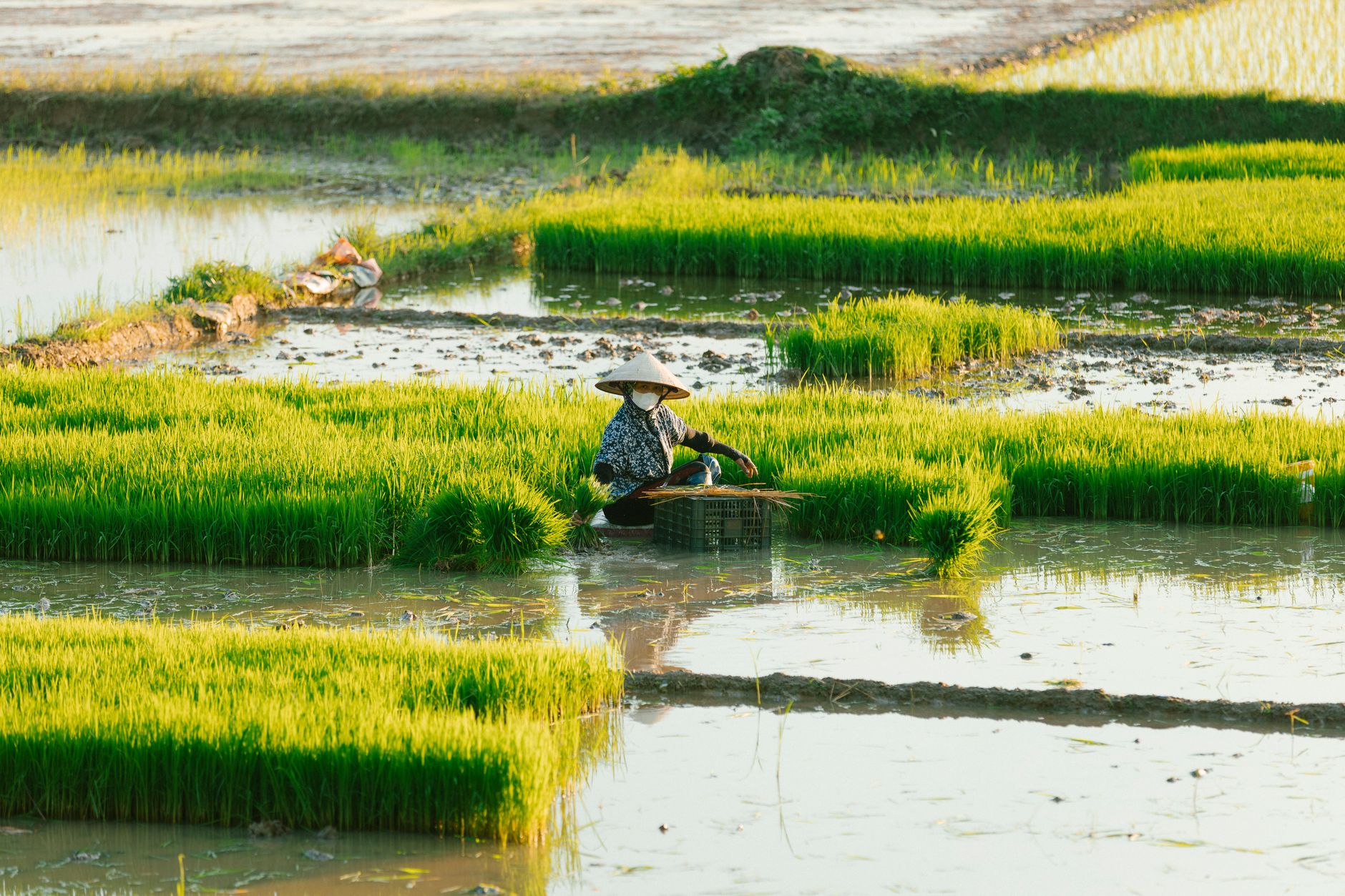
We collect you from your hotel in Hanoi mid-morning (7:30–8:00 AM start). A 30–40 minute drive takes us to a farming village outside the city; you'll see rice in various stages, ponds, and wooden houses on stilts. We stop at a family kitchen in a lane off the old quarter (or similar rural setting) for a brief safety chat: how to mount, hold the rope, lean back on slopes, and signal the handler if you need to stop. You change into old clothes in a simple room. Then we walk to the paddies. The handler brings the buffalo—usually a young adult, used to tourists—and shows you how to step onto a low log beside it, swing your leg over, and settle onto the woven saddle cloth. We start at a walk through a waterlogged field or along a raised bank. The buffalo's feet make soft sucking sounds in mud. You'll cross a shallow stream, pass villages where kids wave, and climb a slope where tree roots grip the path. Around 11:00 AM we rest under a tree, drink water, and eat a light snack (usually rice cracker or fruit). Then another 45-minute loop back. We finish by noon, change clothes, and we offer water or herbal tea in the farmhouse. Most riders say the best part is the quiet—no engine noise, just birds and hoofbeats.
How Do We Adapt for Kids and Seniors?
Kids (7–12): They often sit in front of an adult on the same buffalo, or ride tandem with a guide. We shorten the route to 1.5 hours and choose flatter paddies. Kids love the mud and splashing in streams. We bring extra snacks and allow frequent breaks. Expect giggles and questions ("Why does the buffalo pee so much?"). Parents stay calm, and the buffalo stays calm.
Seniors (65+): If you're fit enough to walk an hour without knee pain, you'll manage. We choose the gentlest route—fewer slopes, wider paths. The handler walks beside you the entire time. We schedule morning rides (cooler, fresher energy). One guide recently rode with an 72-year-old woman who'd never ridden anything; she went slowly, and she told us it was the most peaceful morning of her trip.
Pregnant riders: Not recommended after month 6; the jostling and mud risk aren't worth it.
Allergies & dietary: We serve plain water and simple rice snacks; tell us what you avoid, and we'll prepare accordingly.
What to Wear and Bring—A Practical Checklist
| Item | Why | What happens if you skip it |
|---|---|---|
| Quick-dry pants (not denim) | Mud splashes and streams are inevitable. Cotton holds water and chafes. | Soggy jeans, cold legs, saddle rash. |
| Closed shoes with grip (trail runners, hiking boots) | The buffalo's back and mounting log are slippery when wet. | Slipping off, muddy bare feet, twisted ankles. |
| Change of clothes & towel | You will be muddy. Seriously. | Sitting in wet, sticky clothes for 30 min drive home. |
| Sunscreen & hat | Morning sun reflects off water. Dehydration sneaks up. | Sunburn on your face, dizziness. |
| Small backpack | Hands-free for balance. Phone, cash, ID, water bottle. | Fumbling mid-ride, dropping phone in mud. |
| Flip-flops or sandals | For changing into at the farmhouse. | No dry footwear, cold toes in shoes. |
Leave rings and watches in your hotel safe—they get muddy and won't come off easily. Bring a dry phone pouch if you want photos; mud and water kill devices.
Where in Vietnam Can You Ride Buffalo?
Buffalo riding is authentic in the Red River Delta (Hanoi surroundings), the Mekong Delta (Saigon day-trips), and parts of northern Laos, but the most accessible, safest experiences we run are in the village farmland 45 minutes northeast of Hanoi. These farms have been teaching visitors for 10+ years and employ handlers who speak basic English. Rides near Hoi An or Da Nang exist but are less common and often tied to larger tourist operations. The Red River Delta is ideal: flat to rolling terrain, rice paddies (May–July flooded; August–April dried or newly planted), and a 30-min commute from the city. If you're in experiences in Saigon, the Mekong's slower waterways and coconut groves offer different scenery, but water levels and monsoons can close routes June–September. Our hosts in Hanoi are the ones we know personally and trust for welfare.

How Is This Different from Horse Riding or Other Farm Visits?
| Experience | Animal | Duration | Skill | Mud | Vibe | Best for |
|---|---|---|---|---|---|---|
| Buffalo riding | Water buffalo | 2–3 hrs | None | High | Meditative, slow | Families, seniors, quiet seekers |
| Horse riding experience | Horses | 2–3 hrs | Beginner+ | Low | Active, scenic | Confident riders, speed lovers |
| Farm and countryside experiences | None / walking | 4–6 hrs | None | Medium | Educational, hands-on | Food growers, culture learners |
| Street food & markets | None / walking | 3–4 hrs | None | Low | Bustling, tastings | Food adventurers, early risers |
Buffalo riding is slower and messier than horse riding, and it includes less farm work than a full farm and countryside experiences. If you want speed or to learn composting, pick something else. If you want to sit quietly on an animal and listen to a village wake up, buffalo is your answer.
What to Check Before You Book
1. Season & water levels:
- May–July: paddies are flooded; muddy and atmospheric.
- August–April: fields are dry or newly planted; cleaner, less dramatic.
- October–November: best weather, moderate mud, no rain risk.
- June–September: monsoon season can cancel rides same-day.
2. Your fitness: Riding isn't exercise, but mounting and walking 1–2 hours on uneven ground require basic fitness. If you can walk uphill for 20 minutes without stopping, you're fine. If you have hip or knee pain, discuss it with us first.
3. Animal welfare: Ask whether the buffalo is rested, fed, and retired during hot midday. We rotate animals and check they're not overworked. If a guide rushes or is rough with the animal, speak up—we'll replace them.
4. Group size: Small groups (2–4 people) get more personalized attention. Large groups (8+) may split into two rides with different guides. Couples often book private rides (more expensive but more intimate).
5. Insurance & liability: You'll sign a simple waiver. We carry liability insurance, but travel insurance is your responsibility. Check whether your policy covers "animal riding" (most do).
Real Worries First-Time Riders Have
"What if the buffalo runs away?" It won't. Buffaloes are herd animals; they're more scared of you than you are of them. They move at their own pace (slow walk) and respond to the handler's voice and rope. In 10+ years of village rides, this hasn't happened.
"I've never ridden anything. Will I fall off?" Unlikely. The saddle is wide, you're sitting on the broadest part of the back, and the handler is leading. You'd have to be unconscious or actively jump to fall. Nervous riders actually grip too tight; we remind you to relax. Relaxed riders stay on.
"How muddy does it actually get?" Very. Expect mud up to your mid-calf, mud splashes on your arms and face, and mud in your ears if you're unlucky. It's normal. It washes off. This is not a spa day.
"What if I'm allergic to hay or animal fur?" Tell us before booking. We can offer a non-riding farm and countryside experiences instead, or you can take antihistamine before the ride. Actual allergic reactions are rare; most people tolerate buffaloes fine.
"Is it ethical to ride them?" Yes, if the farm rotates animals fairly, feeds well, and doesn't overwork them. We visit our partner farms regularly and won't book where animals look thin or stressed. If you're still unsure, ask to meet the buffalo first—you'll feel its temperament.
How to Book and What Happens Next
- Message us on WhatsApp with your preferred dates (we'll suggest alternatives if your dates clash with monsoons or farm schedules).
- We'll confirm group size, any dietary needs, and ask for hotel pickup details.
- We'll send you a simple form (name, phone, any health info, emergency contact).
- 2–3 days before, we'll send a detailed itinerary: pickup time, what to wear, what we provide.
- Day-of: we arrive 15–30 min early, confirm again, collect you, and head out.
We also offer combinations: buffalo ride in the morning, then Vietnamese cooking class at a village kitchen for lunch, or tea experience at a farm café afterward. Families sometimes add a family-experiences package with kids' activities on the farm (learning to thresh rice, making crafts).
See how a session runs
FAQ
What age can kids start buffalo riding?
7+ is our recommendation. Younger kids can ride tandem with a parent. We've had 6-year-olds go, but 7+ is steadier and more confident. A: 7+ is our recommendation. Younger kids can ride tandem with a parent. We've had 6-year-olds go, but 7+ is steadier and more confident.
Do I need riding experience?
No. The handler leads the buffalo entirely. You just sit and hold the rope. Beginners are our norm.
What happens if it rains on the day?
Light rain is fine (you're muddy anyway). Heavy rain makes banks slippery and unsafe; we'll reschedule you free of charge to the next available date.
Is buffalo riding available year-round?
Mostly yes, but June–September monsoon can cause same-day cancellations. Best months are October–April. Ask us for dates and a quote on WhatsApp for your preferred season.
How much does it cost?
Ask us for dates and a quote on WhatsApp. Price depends on group size, whether it's private or small-group, and any add-ons (lunch, other experiences).
Can I ride alone, or do I need a group?
Both. Private rides cost more but are more personal. Small-group rides are cheaper and more social. We can match you with other travelers if you prefer company.
Do you provide photos?
We can take some on your phone or camera during the ride. If you want professional shots, tell us in advance and we can arrange a photographer (separate fee).
What's the difference between your buffalo rides and what I see on tourist websites?
We run small groups (max 6) on family farms we know personally, with guides paid fairly and animals rotated. Bigger operators cram 15–20 people on tired animals. Our rides are slower, more authentic, and we actually know the handlers' names.
Ask about dates
Tell us the city, your dates and what you would like to try. We reply on WhatsApp in English with options and availability.
FAQ
What age can kids start buffalo riding?
7+ is our recommendation. Younger kids can ride tandem with a parent. We've had 6-year-olds go, but 7+ is steadier and more confident. A: 7+ is our recommendation. Younger kids can ride tandem with a parent. We've had 6-year-olds go, but 7+ is steadier and more confident.
Do I need riding experience?
No. The handler leads the buffalo entirely. You just sit and hold the rope. Beginners are our norm.
What happens if it rains on the day?
Light rain is fine (you're muddy anyway). Heavy rain makes banks slippery and unsafe; we'll reschedule you free of charge to the next available date.
Is buffalo riding available year-round?
Mostly yes, but June–September monsoon can cause same-day cancellations. Best months are October–April. Ask us for dates and a quote on WhatsApp for your preferred season.
How much does it cost?
Ask us for dates and a quote on WhatsApp. Price depends on group size, whether it's private or small-group, and any add-ons (lunch, other experiences).
Can I ride alone, or do I need a group?
Both. Private rides cost more but are more personal. Small-group rides are cheaper and more social. We can match you with other travelers if you prefer company.
Do you provide photos?
We can take some on your phone or camera during the ride. If you want professional shots, tell us in advance and we can arrange a photographer (separate fee).
What's the difference between your buffalo rides and what I see on tourist websites?
We run small groups (max 6) on family farms we know personally, with guides paid fairly and animals rotated. Bigger operators cram 15–20 people on tired animals. Our rides are slower, more authentic, and we actually know the handlers' names.
More like this
Farm and countryside days
Fishing Experience Vietnam for Japanese Travelers: Where to Go & What to Expect
Vietnam's waterways offer Japanese travelers a chance to learn traditional fishing methods directly from locals. Cáo Experiences runs half- and full-day sessions on rivers, lakes and the Mekong Delta where you cast nets, set traps, and cook your catch.
Farm and countryside days
Fishing Experience Vietnam for Foreigners: Hands-On Guide
Fishing in Vietnam isn't a spectator sport—you'll wade into rivers, cast nets, trap fish in baskets, and cook your catch for lunch. We run small-group and private fishing days in the countryside outside Hanoi, Ha Noi region, and the Mekong Delta.
Farm and countryside days
Fishing Experience in Vietnam: 8 Questions to Ask Before You Go
Fishing in Vietnam means wading through rice paddies, learning trap techniques, or casting in rivers with local guides. Here's what to ask before you book.