
Home › Blog › Craft workshops
Best craft workshop in Da Lat: hands-on classes we run
By the Cáo Experiences team · 2026-11-06
A craft workshop in Da Lat with us means three to four hours in a real maker's studio or kitchen—not a tourist venue. You arrive early morning or mid-afternoon, wear something you don't mind dust or paint on, and make something concrete: a ceramic bowl, a woven wall hanging, a coffee blend, or a pressed-flower arrangement. We work in small groups (maximum 6 people) or book private sessions. Our hosts speak English and move at your pace—beginners and experienced makers both learn. The session includes materials, tools, tea or coffee, and usually a finished piece you take home. Rainy weather? We adapt with indoor-only classes or reschedule. Ask us for dates and a quote on WhatsApp—cost depends on the craft, group size, and materials used.
What does a typical morning craft session look like?
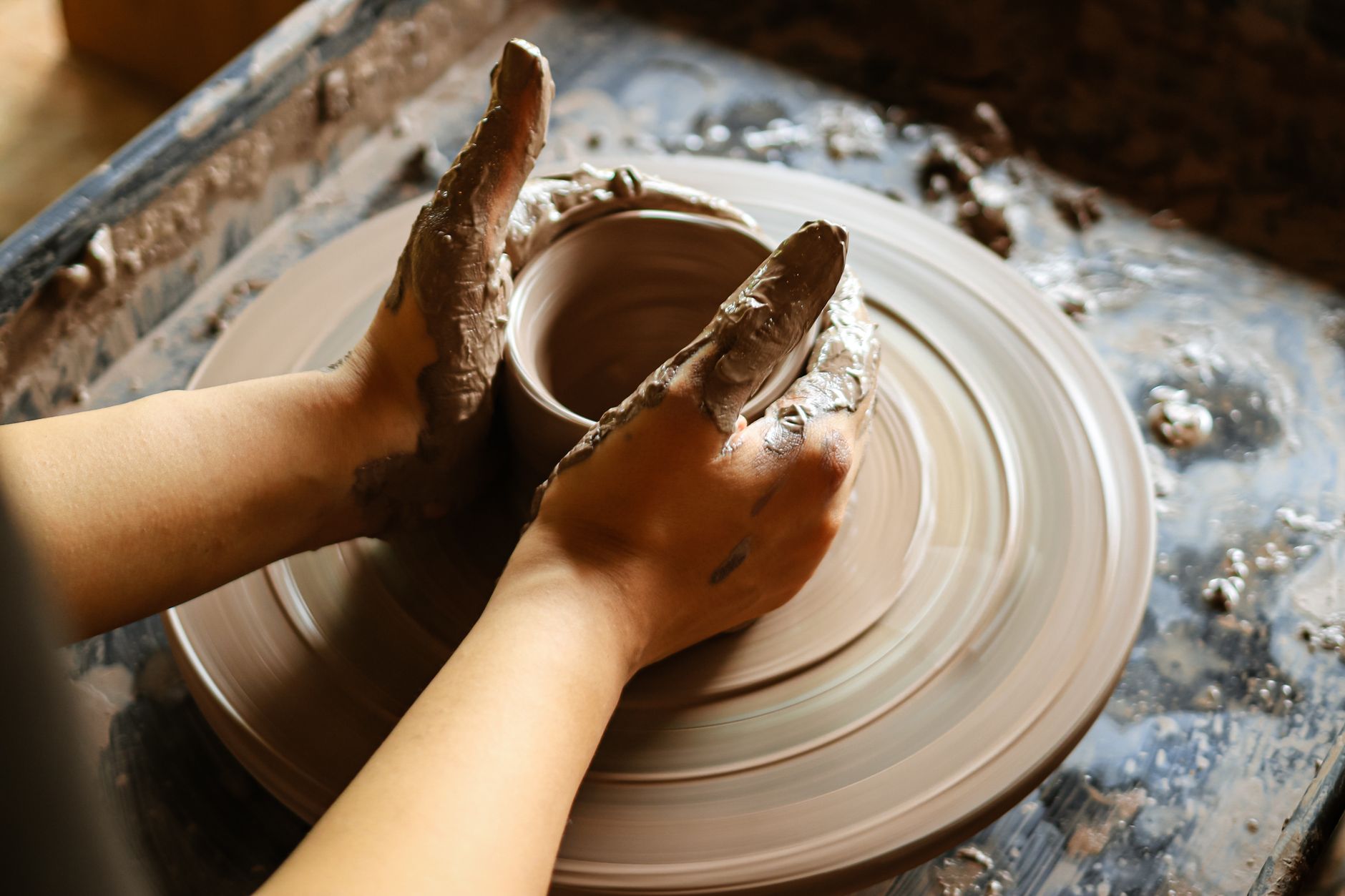
We start around 8:30 or 9 a.m. in a maker's studio in a quiet lane or the pine-forest outskirts of Da Lat. The host greets you with hot tea or coffee while you settle in, meet the other guests (if it's a group session), and handle the materials you'll work with today. The first 20 minutes covers technique: how to center clay on a wheel, how to tension a loom, how to read a coffee's roast profile, or how to fold paper for a lantern. Then you make something, with the host circulating to adjust your grip, answer questions, and show you corrections on their own hands. Breaks happen naturally—you chat, drink water, photograph your work in progress. By hour three or four, you wrap up: wash brushes, rest your hands, listen to the host's story about why they chose this craft. You leave with your finished piece (or it's wrapped for later pickup if it needs firing or drying).

Which craft type suits which kind of traveler?
Pottery and ceramics attract people who want meditative, sculptural work. You don't need any prior skill; clay forgives mistakes. Seniors and guests with joint concerns often choose this because the pace is slow and you sit most of the time.
Flower arranging appeals to people who love color, photography, and taking home something beautiful and fragrant. Groups of friends often book this together. It works for all ages—kids enjoy the creative mess, and we adapt vase heights for different hand reaches.
Coffee roasting draws people curious about source, flavor, and the chemistry of heat. Expect 90 minutes of focused attention. This suits guests who visit local coffee farms and want to understand the craft behind their morning cup.
Textile arts (weaving, indigo dyeing, embroidery) suit people with patience for repetition and color theory. Groups doing team bonding often choose this because the rhythm is meditative and the results are tangible gifts.
Mixed-media and painting workshops fit guests who want to experiment without judgment. We don't teach "art"; we show materials and let you play. Families with teenage kids thrive here.
See all our craft workshops to find details on each type.
What do beginners worry about—and how do we handle it?
"I'm not artistic. Will I mess up?" Yes, and that's the point. We've never had a guest produce something unsalvageable. Even wonky bowls fire into real bowls. Indigo-dyed fabric darkens unevenly by design. We show you technique, then let your hands do the learning.
"Will my allergies or dietary needs be an issue?" Tell us by WhatsApp before you book. Some studios keep nuts or dust in the air; we move you to a different class time or a private session in a ventilated space. We offer tea, coffee, and snacks—let us know restrictions.
"What if it rains?" Most craft work happens indoors. Pottery, weaving, painting, coffee roasting, and flower arranging are unaffected. We only reschedule if flooding blocks access. Rain often cools Da Lat beautifully—the studio smells better, and guests are more focused.
"Do I need to bring anything?" Wear clothes you don't mind getting dusty or paint-stained. Closed-toe shoes for pottery (splash risk). A phone for photos. That's all. We provide aprons, tools, materials, and sometimes a small gift to take home.
How does the group size change the experience?
Private sessions (1–2 people): The host designs the entire three hours around you. You ask deeper questions. You move slower or faster without affecting others. Couples often choose this for anniversary bookings or quiet skill-building. Parents with very young kids (4–6) usually book private to avoid overwhelming the child or the group.
Small groups (3–6 people): You meet other travelers or expats with the same curiosity. There's a small social energy—people laugh, help each other, trade stories. Timing is shared: one person's breakthrough energizes everyone. This is often cheaper per head and feels less formal.
Larger groups (7+, team bookings): We split you into two sessions on different days or pair you with two hosts in one space. Risk: one person dominates conversation or finishes early and gets bored. Benefit: team bonding deepens when you all struggle with the same clay or loom. Ask us to co-design a session that includes a short group game or challenge.
| Craft type | Best group size | Why | Time needed |
|---|---|---|---|
| Pottery | 3–4 (one wheel per person) | Each needs wheel time; too many means waiting. | 3–4 hours |
| Flower arranging | 4–5 (one vase per person) | You learn from seeing others' color choices. | 2.5–3 hours |
| Coffee roasting | 2–3 (sensory focus) | Small group means everyone tastes every sample. | 2 hours |
| Weaving | 3–6 (looms can run parallel) | Meditative; social chat doesn't break rhythm. | 3–4 hours |
| Painting/mixed-media | 2–6 (unlimited table space) | Group energy lifts hesitant makers. | 2.5–3 hours |
How do we adapt for kids, seniors, and mixed-ability groups?
For families with children (6–12 years): We run afternoon sessions (they're less tired). Pottery uses a hand-pinch method instead of the wheel—more forgiving, faster results. Flower arranging becomes a "garden design" game where kids arrange stems in low vases and take the whole vase home. We keep explanations short and move faster. Parents often sit at the next table, making their own piece.
For guests aged 65+: We offer standing rest breaks and extra cushioned seats. Pottery: we adjust wheel height and teach seated techniques. Flower arranging: we use lower tables and lighter buckets. We never rush. Conversations often flow longer—elders ask about the craft's history and the maker's journey. This is where the magic happens.
For mixed groups (beginners + experienced makers): The host demonstrates once, then gives each person a slightly different brief. A beginner centers a small practice ball; the experienced guest throws a taller form. Both are learning. We pair people thoughtfully—experienced guests often mentor beginners without being asked, and it doesn't feel like teaching.
For guests with mobility or sensory concerns: Tell us before booking. Weaving can happen seated; we bring the loom to you. Pottery is partly standing (centering clay) but mostly seated and can be adapted. Coffee roasting requires standing for smell and sound cues; we find you a stool. Indigo dyeing uses deep buckets—we can lower them into a table frame. Flower arranging is flexible. No question is silly; we've solved it.
What should you check before you book a craft session?
Duration and end time: Most sessions run 2.5 to 4 hours depending on the craft. Ask whether you take the finished piece home same-day or whether ceramics need firing (3–5 days later, we handle pickup or shipping). Confirm the end time; don't assume a 9 a.m. start is done by noon.
Location and transport: We'll tell you the exact neighborhood and nearest landmark. Da Lat is small—no session is more than 20 minutes from the city center by scooter taxi. Confirm parking if you're driving; some studios sit down narrow lanes.
Materials included: Premium materials—clay, high-quality paper, fresh coffee beans, real indigo dye—are included. If you want to take home extra supplies, ask us to source them; we'll add a small cost.
Group size when you book: Let us know if you're one person joining a scheduled group, a couple, or a full private party. We'll tell you whether other guests are already booked. If you want privacy, ask for a private-only date.
Weather and rescheduling: Most crafts are weather-proof indoors. Confirm our rescheduling policy (we offer a free alternative date within 30 days if something changes on our end; you choose the new date within reason).
Dietary and access needs: Allergies, mobility, hearing, vision—tell us. We adapt without fuss. It's better to ask awkwardly than to show up and struggle silently.
Photos and social media: We love when you share photos of your work. Ask the host before photographing their studio or other guests. We can tag you on our channel if you'd like.
For more hands-on experiences in Da Lat—from coffee workshops to farm days—visit experiences in Da Lat. Or start with a Vietnamese coffee workshop to deepen your maker skills.
Pages from our team you may need
- Vietnamese cooking class
- street food and market tour
- Vietnamese coffee workshop
- flower arranging workshop
- horse riding experience

FAQ
How much does a craft workshop cost?
Cost depends on the craft, materials, group size, and duration. Ask us for dates and a quote on WhatsApp—we'll give you a clear price before you commit.
Can I do a craft workshop if I have zero experience?
Yes. Every craft we run is designed for beginners. The host teaches technique from the ground up. Experience is a bonus, not a requirement.
Do I take my finished piece home the same day?
Usually yes for painting, flower arranging, coffee, weaving, and some pottery. Ceramics that need kiln firing take 3–5 days; we arrange pickup, delivery, or you collect on a later visit to Da Lat.
What's the best season for a craft workshop in Da Lat?
Year-round. Da Lat is cooler than lowland Vietnam, which makes studio work comfortable. Rainy season (May–September) happens mid-afternoon; morning sessions are usually dry. Winter (November–January) is sunny and crisp.
Can I book a craft workshop as a gift for someone else?
Yes. We'll send you a booking confirmation and can arrange a gift voucher or message. The recipient books a date and time with us directly via WhatsApp after they receive the gift details.
What should I wear to a craft workshop?
Clothes you don't mind dust, paint, or clay on. Closed-toe shoes for pottery (clay splash). An apron is provided. Avoid loose sleeves if you're using a pottery wheel. Long hair should be tied back.
Do you offer craft workshops in Hanoi, Saigon, or Hoi An as well?
We focus on Da Lat. For other experiences—cooking, coffee, flower arranging, or farm days—in Hanoi, Saigon, Hoi An, or Da Nang, ask us what's available. See our full experience menu for other options in Da Lat.
Ask about dates
Tell us the city, your dates and what you would like to try. We reply on WhatsApp in English with options and availability.
FAQ
How much does a craft workshop cost?
Cost depends on the craft, materials, group size, and duration. Ask us for dates and a quote on WhatsApp—we'll give you a clear price before you commit.
Can I do a craft workshop if I have zero experience?
Yes. Every craft we run is designed for beginners. The host teaches technique from the ground up. Experience is a bonus, not a requirement.
Do I take my finished piece home the same day?
Usually yes for painting, flower arranging, coffee, weaving, and some pottery. Ceramics that need kiln firing take 3–5 days; we arrange pickup, delivery, or you collect on a later visit to Da Lat.
What's the best season for a craft workshop in Da Lat?
Year-round. Da Lat is cooler than lowland Vietnam, which makes studio work comfortable. Rainy season (May–September) happens mid-afternoon; morning sessions are usually dry. Winter (November–January) is sunny and crisp.
Can I book a craft workshop as a gift for someone else?
Yes. We'll send you a booking confirmation and can arrange a gift voucher or message. The recipient books a date and time with us directly via WhatsApp after they receive the gift details.
What should I wear to a craft workshop?
Clothes you don't mind dust, paint, or clay on. Closed-toe shoes for pottery (clay splash). An apron is provided. Avoid loose sleeves if you're using a pottery wheel. Long hair should be tied back.
Do you offer craft workshops in Hanoi, Saigon, or Hoi An as well?
We focus on Da Lat. For other experiences—cooking, coffee, flower arranging, or farm days—in Hanoi, Saigon, Hoi An, or Da Nang, [ask us](https://caoexperiences.com/contact) what's available. [See our full experience menu](https://caoexperiences.com/craft-workshops) for other options in Da Lat.
More like this
Craft workshops
Craft Workshop in Saigon: Small Group Classes for Beginners
Cáo Experiences runs small-group craft workshops across Saigon where you learn traditional and contemporary making in intimate studio and community spaces. Sessions suit absolute beginners, families, and skill-builders.
Craft workshops
Craft workshop in Saigon for couples: what to choose
Couples in Saigon have three main craft paths: ceramics in a family studio, natural-dye silk painting, or bamboo weaving. Each teaches differently and suits different moods.
Craft workshops
Craft Workshop in Hoi An: What to Expect Step by Step
A craft workshop in Hoi An with Cáo Experiences is a half or full-day session where you learn a traditional Vietnamese skill—lantern-making, silk painting, woodblock printing, or lacquerware—in a working studio or family workshop. You leave with a finished piece you made yourself.