
Home › Blog › Craft workshops
Best craft workshop in Da Nang: hands-on classes for every skill
By the Cáo Experiences team · 2026-11-06
Da Nang craft workshops at Cáo Experiences run 2–4 hours in family-run studios and artist spaces in the old quarter and countryside. You'll learn one skill—hand-throwing pottery, traditional lacquer painting, silk dyeing, basket weaving, or flower arrangement—from a Vietnamese craftsperson who speaks English. Groups stay small (4–8 people) so you get real feedback. Everyone leaves with a finished piece or a plant arrangement. Cost varies by craft and group size; ask us for dates and a quote on WhatsApp. Beginners worry about "messing up," but we adapt pacing for all levels, and mistakes become part of the work's character. Rain? We move indoor sessions indoors (they already are); outdoor farm-to-arrangement days reschedule.
Da Nang's best craft workshops aren't in shopping malls. We run small-group and private sessions in working artist spaces—family kitchens that also teach, studio courtyards, a pine-forest stable for flower workshops, countryside farms. You learn from people who've been making the craft for decades, not tour guides reading scripts.
What craft workshops does Da Nang actually offer?
Da Nang has five main traditional crafts you can learn hands-on: pottery (hand-throwing bowls and vessels), traditional lacquer painting (building up layers on wood or shell), silk dyeing and weaving, rattan and bamboo weaving, and seasonal flower arrangement. Not all are equally accessible to visitors. Pottery and lacquer are most common; weaving requires longer commitment but day-introductions exist. Our flower-arranging workshop teaches ikebana and Vietnamese seasonal styles in 2 hours. Each craft teaches patience—you can't rush lacquer or a clay rim—and gives you a keepsake. We also run family-friendly craft sessions where kids and seniors do simplified versions of the same work side by side.
Explore flower arranging in Da Nang
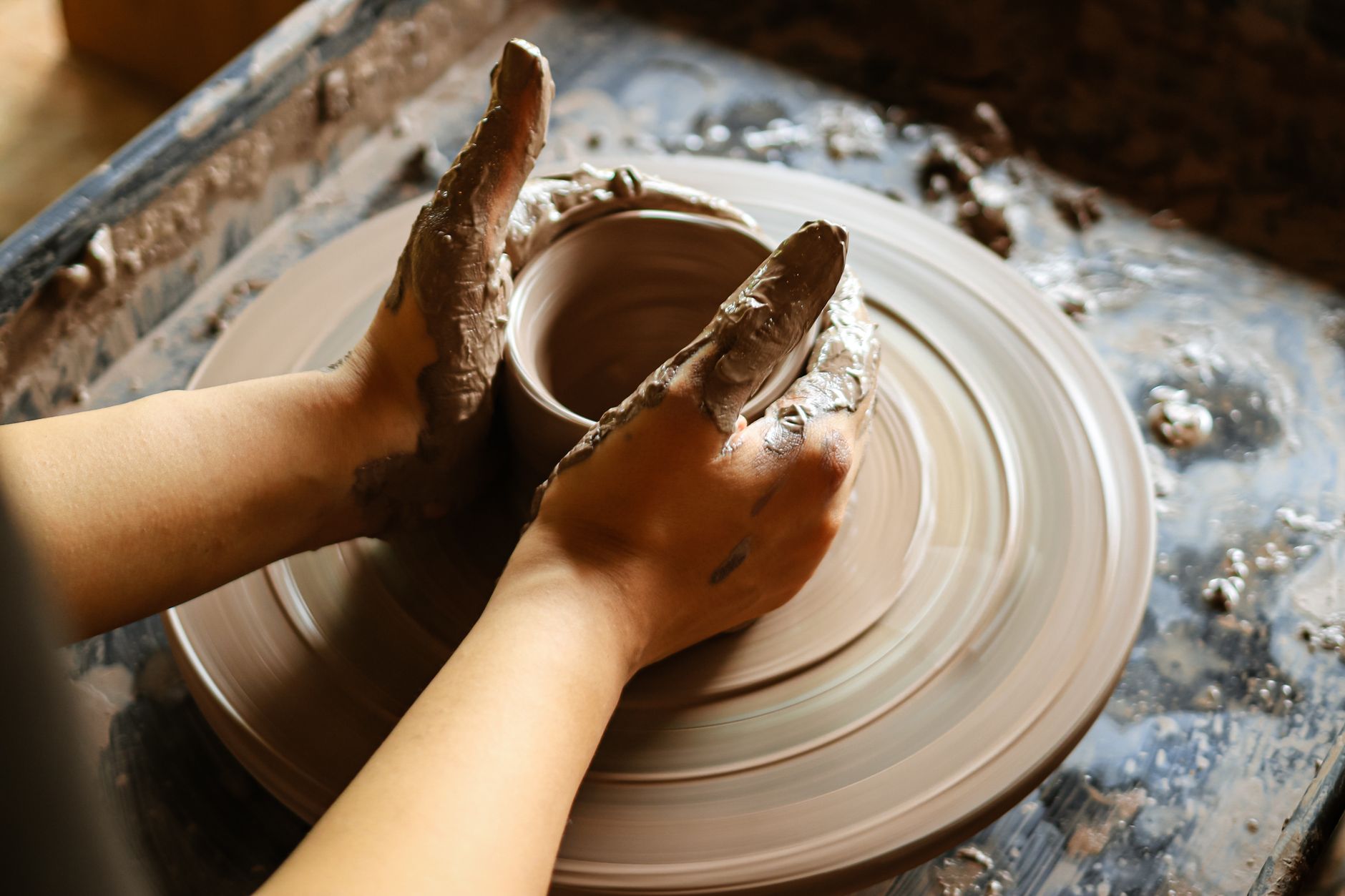
How do I choose between pottery, lacquer, silk and weaving?
Craft | Hands-on time | Finished piece | Best for | Physical demand ---|---|---|---|--- Pottery (wheel) | 2 hours | Bowlful of 3–4 small vessels | Tactile learners, couples | Medium (hands wet, core engaged) Lacquer painting | 2.5 hours | One painted box or tray | Patience, detail-oriented, gift-makers | Low (seated, steady hands) Silk dyeing | 2–3 hours | Scarf or fabric piece | Visual learners, those who like color | Medium (standing, warm water) Weaving (intro) | 3 hours | Small mat or wall hanging | Rhythm-lovers, meditative work | Low–medium (seated, repetitive) Flower arranging | 2 hours | One arrangement to take home | Seasonal decorators, gift-givers | Low (standing, light lifting)
Pick based on what you want to keep and how you like to learn. Pottery gives instant tactile feedback and a slightly wonky bowl that's unmistakably yours. Lacquer takes longer to see results (first coat looks unfinished) but teaches precision. Silk and weaving suit people who want rhythm and meditation. Flower arranging works if you want a beautiful piece on day one with no messy hands.
What happens hour-by-hour in a typical session?
You arrive at a family studio or workshop space—usually a lane off the old quarter, or countryside if it's flower arrangement. Your host greets you in English, shows you around, and starts with the raw materials: clay wedges, lacquer sticks, silk bolts, rattan bundles, or fresh flowers and branches laid out on a long table.
First 20–30 minutes: Demo and hand-holding. Your host does one complete example (a bowl, a painted box) slowly, talking through each decision—water temperature, hand position, layering order, color balance. You ask questions. Nerves drop when you see them make a small mistake and keep going.
Middle 60–90 minutes: You make. Your hands are in clay, paint, dye, or weaving threads. Your host circles, adjusts your grip, asks what you're aiming for, and sometimes just watches you work. Groups often get quiet here—it's focused, not chatty. Kids usually finish one small piece and then make a second if they want. Seniors pace themselves and typically produce the most careful work.
Last 30 minutes: Finishing and packing. For pottery, your pieces stay at the studio to be fired (we mail or hold them). For lacquer, you varnish your final coat. For silk and weaving, you trim and tie off. For flower arranging, you pack your arrangement in a box with damp paper. You photograph it. You leave with the piece (or a photo if it needs drying).
What do beginners worry about—and how do we adapt?
"I'll be bad at this." You won't make museum pieces in 2 hours. But you'll make something honest and handmade. We tell you that upfront. Your host has taught dozens of nervous people. Wonky is real.
"My hands are too clumsy." Pottery is the most forgiving—clay self-corrects. Lacquer and weaving reward steadiness but not perfection. Flower arranging has no "wrong" arrangement (some just balance better). We match pacing to your confidence.
"I have [arthritis / limited mobility / only one hand]." Pottery and lacquer can be done seated; weaving and flower work are naturally lower-impact. Tell us beforehand on WhatsApp. We adapt tools and height of tables.
"My partner isn't crafty." One person does clay, the other watches and drinks tea, then swaps roles—or you both do the same thing at different speeds. We've seen couples bond over making a shared set of bowls.
"I have a food allergy." Tell us. We offer tea and local snacks; you don't have to eat anything. No peanut dust on pottery clay, we promise.
"It's raining." Pottery, lacquer, weaving, and flower arranging all happen indoors. We only reschedule outdoor farm-to-table or countryside rides.

How do Da Nang crafts compare to other workshops in Vietnam?
Da Nang's craft studios are less crowded than Hanoi's and less touristy than Hoi An's. You're more likely to have direct contact with the artisan here. Hoi An's lantern-making is famous but involves groups of 15+; Da Nang pottery studios keep 4–6 people. Hanoi's coffee workshops are more detailed, but Da Nang's flower-arranging sessions use fresh seasonal blooms from local farms—you won't see that quality in a city class. Da Lat's flower markets are stunning, but arranging in a Da Nang countryside studio, then carrying your work home on a motorbike, feels more intimate.
If you're combining experiences, pair a craft workshop with a street-food tour the same day—morning craft, afternoon market and cooking demo—or follow it with a tea experience in a quiet courtyard. We coordinate timing on WhatsApp.
What should you check before booking a craft workshop in Da Nang?
- Group size: Confirm whether you're in a small open group (4–8 mixed guests) or a private session. Both work; open groups add energy, private sessions let you repeat the same craft twice or customize timing.
- Finished piece: Ask what you take home same-day versus what gets fired/finished later. Pottery wheels usually ship pieces; painted lacquer leaves same-day.
- Language: Confirm your host speaks English fluently. All our hosts do, but clarity matters when your hands are in clay.
- Dietary needs: Flag allergies, vegetarian/vegan preference, or "no snacks" upfront. We'll know what to provide.
- Physical setup: If you're senior, pregnant, or have limited mobility, describe it. We position chairs, tables, and materials to fit your body.
- Photos: Ask if you can photograph your work in progress and the finished piece. Most hosts love this; a few prefer not (we'll tell you).
- Duration: 2 hours is tight; 2.5–3 gives breathing room. Don't book back-to-back activities; you'll be tired and damp.
See craft workshops in Da Nang
Which craft workshop is right for your group or trip length?
Solo travelers: Pottery or flower-arranging. Both are meditative and leave you with something real. Pottery pairs well with a countryside farm day same-day (morning craft, afternoon farm lunch and walk).
Couples or friends: Lacquer painting (you can paint matching boxes) or weaving (take turns, watch each other, laugh at the learning curve). Flower-arranging if you want something for your home after.
Family with kids (8+): Pottery or flower arrangement. Kids throw small pinch pots, paint simple patterns, or arrange their own tiny bouquet. Parents do the more detailed work. Everyone leaves with a piece. Check our family-experiences page for age-specific notes.
Seniors (65+): Lacquer painting (seated, no heavy lifting, meditative), flower arrangement (standing but no strain, beautiful result), or weaving (slow pace, rhythmic). Avoid pottery wheels if you have balance or grip concerns, but hand-building clay (coil or slab) works well.
Groups of 8+: Book a private session so your whole team learns together. We've run corporate groups, anniversary groups, and school trips. Craft-building together lowers stress and sparks conversation.
Longer stays (1+ weeks): Take two different workshops—pottery one day, flower arrangement on day 3—so you see how different crafts teach different kinds of thinking. Or do the same craft twice to deepen skill.
What makes Cáo Experiences craft workshops different?
We work with actual working artisans in their own spaces, not replica studios built for tourism. Your pottery teacher has been hand-throwing for 20+ years and still uses the same wheel and clay source. The lacquer artist learned the craft from their parent and paints custom boxes for homes and temples—you're watching real work, just slowed down to teaching pace. Our flower arrangers source blooms from farms we know, not wholesalers. No script. No upsell. You'll hear stories about why the craft matters and what people make it for—then you make it yourself.
We adapt for rain, allergies, age, and skill. We coordinate everything on WhatsApp so there's no confusion on the day. And we keep groups small enough that your host knows your name and what you're nervous about.

FAQ
Can I take my finished pottery piece home the same day?
Pottery from the wheel needs 2–3 weeks to dry and fire. We'll ship it to you (5–10 days to most countries) or hold it for pickup if you're in Vietnam longer. Hand-built clay pieces (coils, slabs) sometimes air-dry in a week. Ask on WhatsApp which option fits your trip.
Do I need any art experience to do a craft workshop?
No. We teach every session as if you've never done it. Beginners often produce the most interesting work because they haven't learned to be precious about mistakes.
What if I'm left-handed?
Tell us. Pottery wheels and lacquer brushes work fine left-handed; we just position your seat and materials on the left side. Most lefties don't realize they can until we show them.
Can I do a private craft workshop just for my family?
Yes. Private sessions are available for individuals, couples, families, and groups of up to 8–10. Cost adjusts for group size. Ask us for dates and a quote on WhatsApp.
What should I wear to a craft workshop?
Clothes you don't mind getting wet or stained. Pottery clay, dye, and lacquer don't wash out of expensive fabrics. Wear a closed-toe shoe and tie back long hair. We provide aprons and usually have extras.
Can I combine a craft workshop with other experiences on the same day?
Yes. Morning craft + afternoon street-food tour, or afternoon flower-arranging + evening tea experience. We coordinate timing and transport on WhatsApp so you're not rushed.
Ask about dates
Tell us the city, your dates and what you would like to try. We reply on WhatsApp in English with options and availability.
FAQ
Can I take my finished pottery piece home the same day?
Pottery from the wheel needs 2–3 weeks to dry and fire. We'll ship it to you (5–10 days to most countries) or hold it for pickup if you're in Vietnam longer. Hand-built clay pieces (coils, slabs) sometimes air-dry in a week. Ask on [WhatsApp](/contact) which option fits your trip.
Do I need any art experience to do a craft workshop?
No. We teach every session as if you've never done it. Beginners often produce the most interesting work because they haven't learned to be precious about mistakes.
What if I'm left-handed?
Tell us. Pottery wheels and lacquer brushes work fine left-handed; we just position your seat and materials on the left side. Most lefties don't realize they can until we show them.
Can I do a private craft workshop just for my family?
Yes. Private sessions are available for individuals, couples, families, and groups of up to 8–10. Cost adjusts for group size. [Ask us for dates and a quote on WhatsApp](https://wa.me/84338762340).
What should I wear to a craft workshop?
Clothes you don't mind getting wet or stained. Pottery clay, dye, and lacquer don't wash out of expensive fabrics. Wear a closed-toe shoe and tie back long hair. We provide aprons and usually have extras.
Can I combine a craft workshop with other experiences on the same day?
Yes. Morning craft + afternoon [street-food tour](/street-food-tour), or afternoon flower-arranging + evening [tea experience](/tea-experience). We coordinate timing and transport on WhatsApp so you're not rushed.
More like this
Craft workshops
Craft Workshop in Saigon: Small Group Classes for Beginners
Cáo Experiences runs small-group craft workshops across Saigon where you learn traditional and contemporary making in intimate studio and community spaces. Sessions suit absolute beginners, families, and skill-builders.
Craft workshops
Craft workshop in Saigon for couples: what to choose
Couples in Saigon have three main craft paths: ceramics in a family studio, natural-dye silk painting, or bamboo weaving. Each teaches differently and suits different moods.
Craft workshops
Craft Workshop in Hoi An: What to Expect Step by Step
A craft workshop in Hoi An with Cáo Experiences is a half or full-day session where you learn a traditional Vietnamese skill—lantern-making, silk painting, woodblock printing, or lacquerware—in a working studio or family workshop. You leave with a finished piece you made yourself.