
Home › Blog › Craft workshops
Best Craft Workshop in Ninh Binh: What to Know Before You Book
By the Cáo Experiences team · 2026-11-06
Cáo Experiences runs craft workshops in Ninh Binh—small-group and private classes where you work with your hands in local artisan spaces, not tourist theaters. Sessions last 3–4 hours, usually mornings or afternoons, and include materials, English-speaking instruction, and time to make something real to take home. A typical workshop involves learning a craft (lacquerware finishing, silk dyeing, paper-making, or bone carving) from someone who practices it daily, then making your own piece under guidance. You learn why the craft exists here, what common mistakes beginners make, and how different hand techniques change the outcome. We adapt for complete beginners, kids, seniors, and groups with mixed abilities—no prior skill needed. Ask us for dates and a quote on WhatsApp to confirm availability and what's included for your group size and interests. Ask about dates on WhatsApp
What craft workshops does Ninh Binh actually offer?
Ninh Binh is known for specific traditional crafts rooted in local villages and family workshops, not general "craft classes" you'd find in tourist zones. The main ones we host sessions in are: silk and indigo dyeing (using natural dyes and traditional resist-tie methods), lacquerware finishing and detail work (applying and polishing layers of natural resin), ceramic hand-building and surface carving, paper-making from mulberry bark or water hyacinth, and bone or horn carving for decorative pieces. Each craft has a different feel—silk dyeing is wet, textural, and forgiving; lacquerware is meditative and detail-focused; ceramics is tactile and loose; paper-making feels like small-scale alchemy. We don't offer every craft every session; availability depends on which artisans are working and the season. The craft you choose should match your patience level and what you want to take home.

Who should book a craft workshop, and who shouldn't?
A craft workshop in Ninh Binh is ideal if you: want to learn a specific technique over 3–4 hours (not a quick demo), are comfortable with hands getting dirty or stained, enjoy slow work and repetition, travel in a group of 2–8 people, or want something more active than a museum visit. They work well for couples (quiet, collaborative, romantic), families with kids aged 10+, groups of friends wanting a shared memory, and solo travelers who don't mind joining a small group. Beginners thrive here—we assume no prior knowledge and scale the output to skill. Seniors do well too; all work is done seated or standing at a comfortable pace, with rest breaks built in. Skip a craft workshop if you: need instant results (real skill takes time), dislike getting your hands messy or stained, have severe mobility limits (studios have stairs or uneven floors), or want a high-speed tourist tick-box. Kids under 8 can join with a parent but lose focus quickly unless it's a family session we've designed for them.
How do craft workshops in Ninh Binh compare to cooking or tea classes?
| Experience Type | What You Make | Mess Level | Best For | How Long |
|---|---|---|---|---|
| Craft (lacquer, textile, ceramic) | A finished object | Medium–high | Visual learners, hands-on makers | 3–4 hours |
| Vietnamese cooking class | A meal to eat | Medium | Food lovers, hungry groups | 3–4 hours |
| Tea experience | Understanding flavors | Low | Mindful people, sensory focus | 1–2 hours |
| Flower arranging | A bouquet or display | Low–medium | Detail-oriented, design-minded | 2–3 hours |
| Coffee workshop | Brewed coffee to taste | Low | Caffeine fans, flavor explorers | 1–2 hours |
Craft is the most physically demanding and leaves you with a tangible keepsake. Cooking fills you (and your stomach) at the end. Tea and coffee are meditative and shorter. Flower arranging is design-focused and quiet. Pick based on whether you want to make an object, eat something, taste something, or create a display. Couples often pair a craft workshop one day with cooking or coffee another day for contrast.
What actually happens during a 3-hour craft workshop?
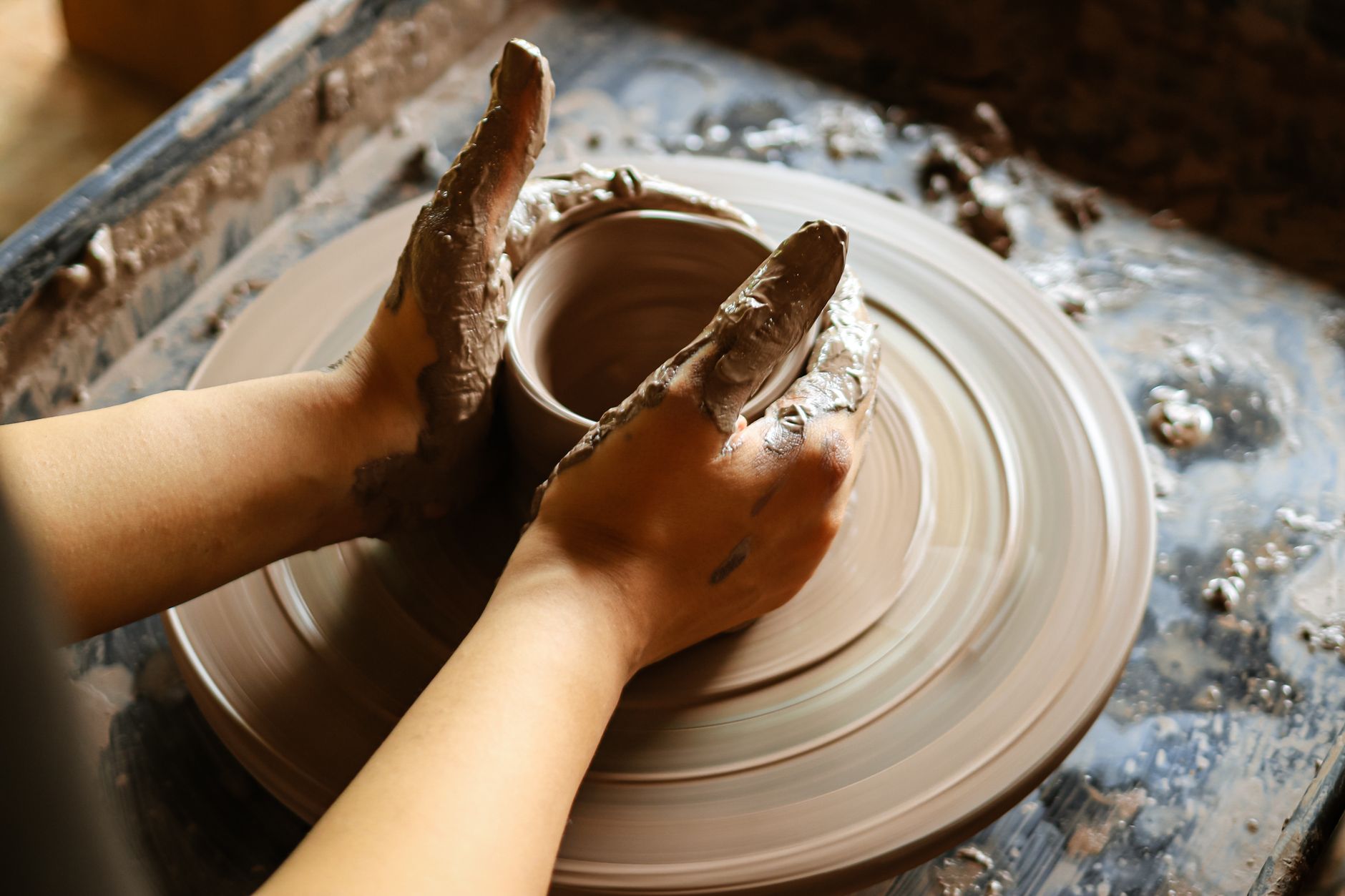
Here's the real arc: You arrive, meet your artisan host and translator (if needed—we always have English speakers). First 15–20 minutes: demonstration and story. Your host shows the craft's history, why it exists in Ninh Binh, common mistakes, and the specific technique you'll use. They work slowly, narrate their hand movements, answer "why that way?" questions. Then 10 minutes: materials and setup. You put on an apron or old clothes (we warn you about stains), choose your colors or clay, and sit at a proper work station—not a toy table. Next 90–120 minutes: your turn. You make a single piece or a small series, guided hands-on. The host watches, corrects gently (adjusting hand angle, drying time, pressure), and lets you feel what "right" feels like. Breaks happen naturally—no one dyes for two hours straight. Last 20–30 minutes: finishing and reflection. You wrap or photograph your piece, the host explains care and use, and you ask questions. You leave with your object, tired hands, and a story. Kids get shorter sessions and make simpler pieces; groups of 4+ get one artisan plus an assistant.
What should you check before booking a craft workshop?
Skill level fit: Ask exactly what you're making. "Lacquer finishing" could mean painting simple patterns (easier) or carving detailed relief (harder). We describe it honestly and suggest tweaks—e.g., "try this design instead if you prefer simpler outlines." Group size: Ideal is 2–6 people per artisan. Groups of 8+ split across two artisans or sessions; solo travelers join an open group (mixed nationalities, ages). Ask whether your group size fits. Staining risk: Indigo dye stains skin and light fabrics for days; lacquer can stick to skin; clay dries hands out. Know this and wear old clothes. We warn you in WhatsApp before the session. Allergies and sensitivities: If you have latex sensitivity, respiratory issues with dust (pottery), or skin reactions to natural dyes, tell us when you ask about dates. We can source alternatives or suggest a different craft. Rainy-day plan: Ninh Binh studios are indoors and covered, so light rain doesn't cancel. Heavy flooding (rare, seasonal) might shift the date. Fatigue: Craft work is repetitive and uses small muscles. If you have joint pain (hands, shoulders, neck), ask whether you can take frequent breaks or make a smaller piece. We always adapt.
How do craft workshops in Ninh Binh fit into a longer trip?
If you're visiting Ninh Binh for its farm experiences, horse riding, and limestone scenery, a craft workshop fills a rainy morning or afternoon break perfectly. Most visitors spend 2–3 days in the region—one day hiking or cycling, one day on water (boats), one day crafting. You could pair a craft workshop with a street food and market tour to taste local life the same morning, leaving the afternoon free for the countryside. From Hanoi? A craft workshop in Ninh Binh is 1.5–2 hours south; many travelers extend a Hanoi trip (we run craft classes and art classes there too) with 2 nights in Ninh Binh for the wider experience. Families find that a quiet craft afternoon balances active days; family-focused versions of craft workshops include snack breaks and simpler projects for kids aged 8–14.
Craft workshops vs. buying pre-made crafts: which makes sense?
You'll see beautiful lacquerware, silk scarves, and ceramics sold in Ninh Binh markets and shops. A workshop isn't about making a museum-quality piece—it's about understanding why the piece is hard to make, feeling the artisan's hand technique, and owning your own beginner's work (which has honest, human flaws). A pre-made craft is faster, polished, and gift-ready. A workshop-made craft is slower, imperfect, and yours. If you want a high-end souvenir, buy it. If you want a memory and a story, make it. Many people do both: make a simple piece in the workshop, then buy a finished piece as a gift for someone else.
What to check before you book
- Exact dates and group size – Tell us how many people and when you're in Ninh Binh (specific dates matter for artisan availability).
- Which craft appeals to you – Lacquer, textile, ceramic, paper, or carving? Each has a different tempo and sensory feel.
- Physical comfort – Let us know about joint pain, allergies, or mobility limits so we can adapt the workspace.
- What you'll take home – Some crafts dry slow; ask about packaging or drying time if you're leaving the next day.
- Old clothes – Wear something you don't mind staining. Indigo and lacquer don't wash out completely from light fabrics.

FAQ
Do I need any craft experience to join a workshop?
No. We assume zero prior knowledge. Beginners often make surprising pieces because they're not over-thinking it. The artisan teaches technique step by step and adjusts pace to your speed.
What happens if I hate my piece at the end?
It's yours and usually takes home fine (once dry). Many people love their "wonky" first attempt—it's honest and human. If you genuinely want another attempt, we can discuss a second session.
Can my partner come and watch, or must everyone make?
Yes, observers are fine and usually help. They can take photos, sit with you, and chat with the artisan. Some pairs split (one crafts, one does coffee workshop nearby) and swap later.
Are workshops cancelled in rainy weather?
No—studios are indoors and roofed. Light rain doesn't affect sessions. Only extreme seasonal flooding (very rare) would shift a date; we'd reschedule well in advance.
How fragile are the pieces we make, and how do I transport them?
Very fragile when wet or soft. Ask your artisan about drying time (lacquer takes days; clay takes 48 hours; silk dries fast). We pack pieces carefully for transport—wrap in newspaper or cloth, keep flat in a bag, and avoid pressure.
Can kids really do a full 3-hour workshop?
Kids aged 10+ do full sessions but with shorter explanations and simpler designs. Younger kids (6–9) do 90-minute family workshops with snack breaks and easier projects. Under 6 is tricky—ask us about family-specific sessions first.
What's the difference between a small-group and private workshop?
Small-group (2–6 people) shares one artisan with other guests, usually on set dates. Private (2+ people) books a time slot just for your group. Private costs more but lets you customize the craft and pace. Ask us for dates and a quote to compare.
Ask about dates
Tell us the city, your dates and what you would like to try. We reply on WhatsApp in English with options and availability.
FAQ
Do I need any craft experience to join a workshop?
No. We assume zero prior knowledge. Beginners often make surprising pieces because they're not over-thinking it. The artisan teaches technique step by step and adjusts pace to your speed.
What happens if I hate my piece at the end?
It's yours and usually takes home fine (once dry). Many people love their "wonky" first attempt—it's honest and human. If you genuinely want another attempt, we can discuss a second session.
Can my partner come and watch, or must everyone make?
Yes, observers are fine and usually help. They can take photos, sit with you, and chat with the artisan. Some pairs split (one crafts, one does [coffee workshop](/coffee-workshop) nearby) and swap later.
Are workshops cancelled in rainy weather?
No—studios are indoors and roofed. Light rain doesn't affect sessions. Only extreme seasonal flooding (very rare) would shift a date; we'd reschedule well in advance.
How fragile are the pieces we make, and how do I transport them?
Very fragile when wet or soft. Ask your artisan about drying time (lacquer takes days; clay takes 48 hours; silk dries fast). We pack pieces carefully for transport—wrap in newspaper or cloth, keep flat in a bag, and avoid pressure.
Can kids really do a full 3-hour workshop?
Kids aged 10+ do full sessions but with shorter explanations and simpler designs. Younger kids (6–9) do 90-minute family workshops with snack breaks and easier projects. Under 6 is tricky—ask us about [family-specific sessions](/family-experiences) first.
What's the difference between a small-group and private workshop?
Small-group (2–6 people) shares one artisan with other guests, usually on set dates. Private (2+ people) books a time slot just for your group. Private costs more but lets you customize the craft and pace. Ask us for dates and a quote to compare.
More like this
Craft workshops
Craft Workshop in Saigon: Small Group Classes for Beginners
Cáo Experiences runs small-group craft workshops across Saigon where you learn traditional and contemporary making in intimate studio and community spaces. Sessions suit absolute beginners, families, and skill-builders.
Craft workshops
Craft workshop in Saigon for couples: what to choose
Couples in Saigon have three main craft paths: ceramics in a family studio, natural-dye silk painting, or bamboo weaving. Each teaches differently and suits different moods.
Craft workshops
Craft Workshop in Hoi An: What to Expect Step by Step
A craft workshop in Hoi An with Cáo Experiences is a half or full-day session where you learn a traditional Vietnamese skill—lantern-making, silk painting, woodblock printing, or lacquerware—in a working studio or family workshop. You leave with a finished piece you made yourself.