
Home › Blog › Farm and countryside days
Best Farm Experience in Hue: What to Choose & How to Book
By the Cáo Experiences team · 2026-11-06
Farm experiences in Hue are half- or full-day sessions where you work in paddy fields, village kitchens, or organic gardens with local families, learning seasonal crops and rural rhythms. Most run March to November (the dry and cooler months); wet seasons bring flooded paddies and harder ground access. A typical session includes transport from the old town, 3–5 hours of hands-on work, lunch cooked by the family or your group, and a walk through the farm. Cáo Experiences adapts each day for solo travelers, couples, families with kids aged 6+, seniors, and groups; we scale the physical pace, provide sturdy footwear advice, and work around allergies and dietary needs. Cost varies by group size, season, and whether you cook; ask us for dates and a quote on WhatsApp. Most guests worry about fitness—we go at your pace—or whether they'll really help; families always do, and rural hosts genuinely appreciate it. Ask about dates on WhatsApp
A farm experience in Hue means half or full-day sessions where you work in paddy fields, village kitchens, or organic gardens with local families, learning seasonal crops and rural rhythms. Most run March to November (the dry and cooler months); wet seasons bring flooded paddies and harder ground access. A typical session includes transport from the old town, 3–5 hours of hands-on work, lunch cooked by the family or your group, and a walk through the farm. Cáo Experiences adapts each day for solo travelers, couples, families with kids aged 6+, seniors, and groups; we scale the physical pace, provide sturdy footwear advice, and work around allergies and dietary needs. Cost varies by group size, season, and whether you cook; ask us for dates and a quote on WhatsApp. Most guests worry about fitness—we go at your pace—or whether they'll really help; families always do, and rural hosts genuinely appreciate it.
What type of farm work matches your skill and pace?
The kind of task depends on the season and farm family you're matched with. In spring and early summer, you might transplant rice seedlings into flooded paddies—slower, meditative, easiest for seniors and kids. Autumn harvesting involves bending, cutting, binding sheaves; it's faster-paced and suits people who enjoy physical activity. Year-round, you can help in vegetable gardens (weeding, watering, picking herbs), feed animals, or learn to make rice paper or preserved vegetables in a family kitchen. We assess your fitness and interests when you message us, then book you into a session that fits. No prior farm experience is needed; the host family leads every task step by step, and we translate. Physical demands are real but scaled—you set the pace, and it's never exhausting. The best match happens when your energy and curiosity match the host family's rhythm, so we ask: do you want to work steadily, learn techniques, or mostly observe and chat? That shapes the whole day.
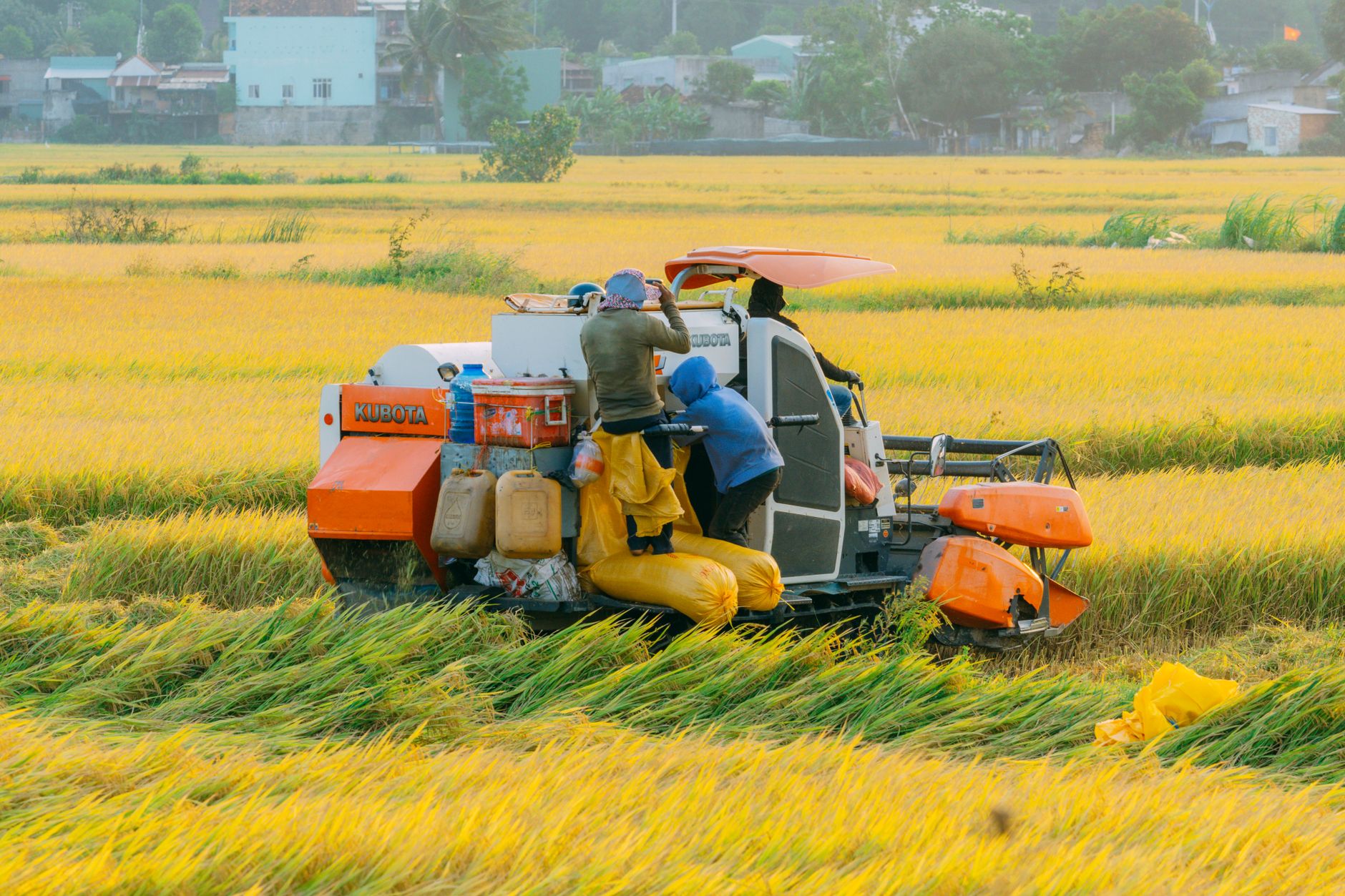
How do half-day and full-day farm sessions actually differ?
Half-day sessions (roughly 8am–12:30pm or 2pm–6pm) cover one main task—planting, harvesting, or a kitchen skill—plus a short walk and light snack or tea with the family. You're home early, less travel fatigue, good for families with young kids or people with limited energy. Full-day sessions (usually 8am–4pm) include morning farm work, a home-cooked lunch with the family (often using what you've just harvested), afternoon work or a deeper craft skill, and tea or a visit to a neighboring farm or orchard. You feel the rhythm of a real working day and build a closer connection with the hosts. Both include transport from central Hue and all guidance; the difference is depth versus time. Explore our farm and countryside experiences to see which length suits your schedule.
Who is a farm experience actually right for?
| Traveler type | Best fit | Why it works |
|---|---|---|
| Solo travelers (20–40) | Half or full day, any season | Time to think, meet locals, take photos; easy to fit one session into a longer stay |
| Couples | Full day + lunch | Shared memory, light work pace, time to chat with hosts; romantic without being cheesy |
| Families with kids (6–15) | Half day, spring or autumn | Kids love animals, water, picking fruit; shorter day prevents boredom; families feel proud helping |
| Seniors (60+) | Half day, vegetable gardens or kitchen | Standing and bending are gentler than harvesting; learning a recipe or preserving technique suits pace and interest |
| Groups (8–15 people) | Private full day, scheduled in advance | More fun, shared work, often cheaper per person; we split tasks so everyone stays engaged |
| Groups with mixed fitness | Half day, adjusted tasks | Some dig while others chop or pack; no one feels left behind |
What should you wear and bring to a farm?
Wear sturdy, closed-toe shoes (sandals get muddy and offer no grip on wet clay). Bring a hat, sunscreen, and a reusable water bottle; we refill it at the farm. Long sleeves and trousers protect from sun and insects; it's rural but not dangerous—just practical. In wet season (May–September), expect mud; wear clothes you don't mind getting stained. Bring a small towel and wet wipes; not all farms have running water nearby. A camera is welcome; some hosts enjoy photos. Don't bring valuables; leave them at your accommodation. We provide work gloves, baskets, and any special tools; just tell us if you have a hand or back issue, and we'll adapt. Many guests ask if they'll be cold or too hot; Hue is subtropical, so mornings are cool and noon is warm. Layers work well. If you have allergies (pollen, certain plants, dust), tell us in advance; we can match you with a kitchen-based day or ensure the host family knows to avoid specific crops.
How does the meal work, and what if you have a diet?
Lunch is almost always cooked by the host family in their kitchen, using vegetables from the farm and ingredients from their store. It's a big, warm, shared meal—the heart of the day. If you're vegetarian, vegan, gluten-free, allergic, or prefer no shellfish, tell us when you book, and we brief the family in advance. They're used to adapting; rural kitchens are flexible and keen to please. You'll eat together at a big table, often with the family's kids and elderly relatives. It's genuine, not performed. Sometimes guests cook alongside the mother or grandmother, learning to roll spring rolls or stir a curry while sitting on a low stool. If you're very squeamish about unfamiliar ingredients, let us know; we never surprise you. The food is always fresh, sometimes the best meal you'll have in Hue—you've just grown or caught part of it. Drinks include water, tea, and sometimes rice wine (optional; no pressure). Snacks on half-day visits are fruit, cake, or sticky rice with coconut.
Rain, mud, and seasons: when should you really book?
March to May is dry, warm, and best for long sessions; rice paddies are being prepared or planted, and it's visually stunning. June to September is wet; paddies flood (beautiful for photos), but the walk becomes sloppy and some farm tasks are harder. October to November is dry and cool—comfortable for physical work, and harvests are happening. December to February is Hue's coolest (still warm by northern standards), and fields are resting or being replanted. We don't cancel for light rain; it's part of farm life. If a storm is coming, we shorten the session or move it indoors to a kitchen or workshop. Muddy ground is normal and part of the experience; you get dirty, it washes off, and the memories stick. Ask us which farm family and season best match your idea of a good day.

How does booking work, and what do you need to decide first?
Message us on WhatsApp with your dates, group size (solo, couple, family, or full group headcount), and a rough idea of what appeals—rice paddies, vegetable gardens, animal care, cooking, or "surprise us." We'll suggest a farm family, time of day, tasks, and a cost quote. You choose a date, we confirm with the family, and you'll get pickup details, a list of what to wear, and the name and WhatsApp number of your host. We handle all translation and logistics. The only thing you really need to decide in advance is whether you prefer morning or afternoon (morning is cooler), how many hours you can commit, and whether you want to cook lunch or just watch. Everything else we work out together. If the date doesn't suit, we reschedule. If you're traveling with kids, tell us their ages so we match you with a family-friendly farm and pair you with a guide who's worked with children. Solo travelers often get paired with a small group (saves cost, and you meet other travelers); if you want private, just say so.
What's the difference between a farm day and countryside or cooking experiences?
A farm experience focuses on working the land or in the farm kitchen for most of the time—it's labor, rhythm, and learning how food grows. A broader countryside day might include a farm visit but also a village temple, a market, craft workshops, or a longer walk through rice terraces. A Vietnamese cooking class is usually in a kitchen (farm-based or in town) and centers on recipes and technique; you're not harvesting first. A street food and market tour is about tasting and buying, not producing. Many guests do a farm day and then a cooking class separately, or combine them: "grow it, cook it, eat it" in one full day with lunch as the centerpiece. Explore the full farm experience page to see how to layer experiences together.
What real mistakes do guests make, and how do we help?
Underbooking time is common; a half-day feels short, especially if travel takes 30 minutes each way. Consider a full day if you're staying in Hue for more than two days. Wearing the wrong shoes (flip-flops, heels, trainers with no grip) makes fieldwork miserable and unsafe; we remind you, and sturdy shoes make the difference. Not eating enough beforehand is another one; farm work is real, not touristy, so eat a solid breakfast. Skipping sunscreen in the belief you'll only be out a few hours—the sun in Hue is strong, and you don't notice burns until evening. Assuming you'll understand everything without a guide; our translators catch the stories and details that make the day meaningful. Booking without mentioning a diet, allergy, or mobility issue, then feeling awkward on the day; tell us, and we prepare the family, and it's fine. Not checking the weather forecast; we do, and we'll suggest the best week, but if you pick a sketchy forecast, a rain session is less pleasant. Lastly, expecting a resort experience; this is real farm life—basic, warm, genuine, and far better for it.
Should you book a group or go solo?
Solo bookings save you money if you're joined with other travelers; it's often the best way to meet people and share the cost. A couple gets a private, slower-paced day and better photos. A family or friend group gets inside jokes and shared effort; kids pull together, and it bonds people. A team-building session for a workplace group can be eye-opening but works best with 8–15 people and a morning or full-day commitment; ask us about group and corporate experiences for that. If you're an introvert, private is worth the cost. If you're social or budget-conscious, a small group is ideal. We'll ask: do you want to meet others, or have a private day? No judgment either way.
How do we adapt for kids, seniors, and mixed-ability groups?
For kids aged 6–12, we choose farms with animals, water, or soft tasks like picking herbs or digging. We pair them with a calm host family, keep sessions under 4 hours, build in breaks and snacks, and make sure they feel like real helpers (no busywork). Teens (13–17) often love the authenticity; they'll do proper work and often form a bond with the family. For seniors, we prioritize comfort—vegetable gardens over flooded paddies, kitchen tasks, shorter duration, and a sturdy seat at lunch. We ask about mobility, stairs, standing time, and medications. Mixed groups (e.g., parents and grandparents) are common; we match the farm family's pace and tasks to the oldest or least mobile person, then let faster people take on extra work if they want. No one gets left behind, and no one feels rushed. Our guides watch for fatigue and suggest a break; it's a day, not a race.
What to check before you book
- Season and weather: Pick a month that suits you (dry is easier, wet is authentic; ask which crops are in). Check the 7-day forecast and accept that rain is possible and fine.
- Fitness and mobility: Tell us your real fitness level and any joint, back, or breathing issues. We'll match you honestly; no farm is easier than all others, but some are.
- Diet and allergies: Mention vegetarian, vegan, shellfish, peanut, gluten, anything else. The family will adapt, but they need to know upfront.
- Group size and privacy: Decide if you're happy to meet other travelers or want a private day. Private costs more; group saves money.
- Hours and logistics: Half-day or full? Morning or afternoon? Do you need pickup and drop-off from your hotel, or will you meet the guide somewhere? How many days ahead can you book?
- Photos and pace: Some guests want to document everything; others want to just be present. Tell us so the guide knows your vibe.

FAQ
Do I need farm experience to join?
No. Every task is taught from scratch. Most guests have never planted rice or harvested vegetables; that's the whole point. Our guide and the host family show you, and you learn by doing.
What if I'm very unfit or have a bad back?
Tell us, and we'll match you with a vegetable-garden or kitchen-based day where standing and bending are optional. You'll still work and learn; it's just adapted. Seniors and people with mobility limits book all the time.
Can I book for tomorrow, or do I need to plan ahead?
Ideally 3–5 days, so we can confirm with the host family and prepare. Last-minute bookings (1–2 days) sometimes work if a farm family is available; WhatsApp and ask. Expect slower response times in bad weather or harvest season.
Will the meal be safe if I'm vegetarian or have food allergies?
Yes. Tell us when you book, and we brief the family. Rural kitchens are flexible and take allergies seriously. If you're very nervous, you can bring ingredients, but that's rare; the family almost always has or can buy what you need.
Is this touristy, or is it real farm work?
Real. You're genuinely helping. You won't earn a wage, but the family relies on seasonal labor, and your hands do the work. You get dirty, you're tired after, and you understand why farm life is hard and beautiful. No one is performing.
Can kids come, and will they be bored?
Yes, kids aged 6+ love it, especially if there are animals or water. Younger kids (4–5) sometimes struggle with the pace or bugs; ask us. Teens often prefer it to any other activity. Build in shorter sessions for young kids and breaks for snacks.
Can I combine a farm day with a cooking class?
Yes. Many guests book a Vietnamese cooking class the same afternoon or next day. Some full-day farm sessions include cooking lunch together; ask us how to layer them.
How much does it cost?
It varies by group size, season, location, and whether you cook. Ask us for dates and a quote on WhatsApp. Group bookings (3+ people) are cheaper per person than solo.
Ask about dates
Tell us the city, your dates and what you would like to try. We reply on WhatsApp in English with options and availability.
FAQ
Do I need farm experience to join?
No. Every task is taught from scratch. Most guests have never planted rice or harvested vegetables; that's the whole point. Our guide and the host family show you, and you learn by doing.
What if I'm very unfit or have a bad back?
Tell us, and we'll match you with a vegetable-garden or kitchen-based day where standing and bending are optional. You'll still work and learn; it's just adapted. Seniors and people with mobility limits book all the time.
Can I book for tomorrow, or do I need to plan ahead?
Ideally 3–5 days, so we can confirm with the host family and prepare. Last-minute bookings (1–2 days) sometimes work if a farm family is available; WhatsApp and ask. Expect slower response times in bad weather or harvest season.
Will the meal be safe if I'm vegetarian or have food allergies?
Yes. Tell us when you book, and we brief the family. Rural kitchens are flexible and take allergies seriously. If you're very nervous, you can bring ingredients, but that's rare; the family almost always has or can buy what you need.
Is this touristy, or is it real farm work?
Real. You're genuinely helping. You won't earn a wage, but the family relies on seasonal labor, and your hands do the work. You get dirty, you're tired after, and you understand why farm life is hard and beautiful. No one is performing.
Can kids come, and will they be bored?
Yes, kids aged 6+ love it, especially if there are animals or water. Younger kids (4–5) sometimes struggle with the pace or bugs; ask us. Teens often prefer it to any other activity. Build in shorter sessions for young kids and breaks for snacks.
Can I combine a farm day with a cooking class?
Yes. Many guests book a [Vietnamese cooking class](/cooking-class) the same afternoon or next day. Some full-day farm sessions include cooking lunch together; ask us how to layer them.
How much does it cost?
It varies by group size, season, location, and whether you cook. Ask us for dates and a quote on WhatsApp. Group bookings (3+ people) are cheaper per person than solo.
More like this
Farm and countryside days
Fishing Experience Vietnam for Japanese Travelers: Where to Go & What to Expect
Vietnam's waterways offer Japanese travelers a chance to learn traditional fishing methods directly from locals. Cáo Experiences runs half- and full-day sessions on rivers, lakes and the Mekong Delta where you cast nets, set traps, and cook your catch.
Farm and countryside days
Fishing Experience Vietnam for Foreigners: Hands-On Guide
Fishing in Vietnam isn't a spectator sport—you'll wade into rivers, cast nets, trap fish in baskets, and cook your catch for lunch. We run small-group and private fishing days in the countryside outside Hanoi, Ha Noi region, and the Mekong Delta.
Farm and countryside days
Fishing Experience in Vietnam: 8 Questions to Ask Before You Go
Fishing in Vietnam means wading through rice paddies, learning trap techniques, or casting in rivers with local guides. Here's what to ask before you book.