
Home › Blog › Farm and countryside days
Best Farm Experience in Saigon: Which Works for You
By the Cáo Experiences team · 2026-11-06
A farm experience in Saigon typically runs 3 to 5 hours at a family-owned kitchen garden, fruit orchard, or rice-growing property in the peri-urban countryside—zones about 30–60 minutes from central Ho Chi Minh City. Guests pick seasonal vegetables, eggs, or herbs, help prepare a meal using what they've harvested, eat together, and learn how urban farmers manage soil and water in a tropical climate. Cáo Experiences designs each session for beginners: no farming knowledge needed, kids and seniors adapt easily, and we coordinate transport and skill levels via WhatsApp. Sessions include hands-on work, instruction, a shared meal, and takeaway baskets of produce or a recipe sheet. Rain is common but doesn't cancel—we move prep indoors, provide rain gear, and pick crops that tolerate wet conditions. Expect to get your hands dirty, wear layers and closed shoes, and leave with a real sense of where your food originates. Ask us for dates and a quote on WhatsApp to confirm availability and group size.
What actually happens on a farm morning?
You arrive around 7:30 a.m. at a lane off the main highway, parked outside a modest family house with a large vegetable plot and a simple kitchen shelter. Your host meets you with water and a brief walkthrough: which crops are ready, what season we're in, why soil here stays fertile without heavy chemicals. Everyone gets a basket and garden shears. For the next 90 minutes, you're among tomato stakes, okra plants, and leafy greens, picking ripe vegetables, learning to judge ripeness by touch and color. Kids pull herbs and small items; seniors work at their own pace. Then you wash off, walk to the kitchen—concrete floor, charcoal stove, wooden bench—and help chop, slice, and cook a simple meal with your harvest: a soup, a stir-fry, fresh rolls with herbs you picked. Around 11:30, everyone sits on low plastic stools or benches and eats together, talking about the morning. You leave around 1 p.m. with a bag of extra vegetables or a handwritten recipe. It's not glamorous; it's real.

How do we match you to the right farm type?
We host sessions at three main property styles. A kitchen garden (the most common) is a 500–1000 m² plot next to a family home, growing year-round leafy greens, herbs, and root vegetables for local markets and home sale—best for everyone, especially first-timers and children. An orchard property (available April–September) focuses on fruit: mangoes, guavas, dragon fruit, depending on the month—better for groups of adults and small families who want to learn about tropical tree-cropping. A rice paddy experience (June–August, during growing season) is standing in shallow flooded fields, learning transplanting or weeding in the wet season—more physical, messier, suited to adventurous teens and adults who want to understand staple crop labor.
Our matching process is straightforward: you tell us your group size, age range, dietary needs, and which appeals to you on a WhatsApp call. We then ask about the current week's harvest and weather, confirm which property is ready to host, and lock in dates. No guessing. If rain is forecast, we confirm you're comfortable with a wet-day plan (moving indoors, prepping food earlier, or rescheduling) before finalizing.
Which farm experience suits your group?
| Group type | Best farm style | Why it works | What to check first |
|---|---|---|---|
| Solo traveler (20s–50s) | Kitchen garden or orchard | Meet locals, full participation, photos, flexible timing | Confirm solo booking OK; ask transport cost separately |
| Couple | Kitchen garden + afternoon cooking class | Shared morning work, lunch prep, intimate pace | Whether you want transport or can drive; dietary overlap |
| Family with kids (6–16) | Kitchen garden, morning session | Kids love picking, safe crops, short attention span suits 2-hour format, no tools needed | Ages of children; any produce allergies; if kids have harvested vegetables before |
| Seniors (60+) | Kitchen garden, early morning or late afternoon | Cooler hours, shorter on-foot time, sitting-based cooking, slower pace | Mobility; whether they prefer mostly observation or hands-on work; shade availability; bathroom access on-site |
| Group of friends (3–8) | Any type, but orchard in season | Shared adventure, laughter in heat, no pressure to know each other | Budget for private session vs. joining a small group; whether one person has plant allergies |
| Corporate team (8–15) | Kitchen garden with team cooking challenge | Icebreaker, shared meal, light competition, photo opportunities | Dietary restrictions for the whole team; whether anyone has a plant allergy; fitness mix; water bottles for everyone |
Choose based on your comfort with mess, heat tolerance, and what story you want to tell afterward. Kitchen gardens work for nearly everyone; orchards suit fruit enthusiasts; rice paddies are for the adventurous.
What do you actually learn that matters?
Sessions teach three practical things most urban diners never see. Seasonal harvest: tomatoes ripen slower in November than August; herbs grow year-round in Vietnam's heat; understanding "in season" changes what tastes best and costs least at market. Soil and water management: a family farmer shows you how to rotate crops, keep soil rich without buying expensive fertilizer, and irrigate efficiently in a tropical climate with unpredictable rain—this is not textbook farming, it's how real people feed themselves. Flavor and freshness: a vegetable picked 90 minutes before cooking tastes different. You'll taste this directly when you eat what you harvested. After this, supermarket produce feels abstracted. Many guests tell us they shop farmers' markets differently afterward, asking vendors questions about harvest timing and how crops were grown.
Kids aged 8–16 often surprise themselves: they'll eat okra or bitter greens they'd refuse at home because they grew it. Seniors often reflect on how much farm work has changed since their childhood. Solo travelers frequently ask for recipe sheets and photo opportunities because they want to cook at home and remember the moment. None of this is packaged or forced—it emerges from the morning itself.
What goes wrong, and how we prevent it?
Heat and dehydration is the most common risk. Saigon humidity is real, and morning sun climbs fast. We provide water, hats, and shade cloth; we start early (6:30 or 7:00 a.m.) when it's coolest; we move cooking indoors; we schedule the session length so you're back in air conditioning by early afternoon. If you say you're heat-sensitive, we adjust—more water stops, more shade sitting, maybe a shorter picking time.
Allergies to soil, insects, or specific plants matter. Tell us immediately. We can source latex gloves, assign you to crops that don't trigger reactions, or provide antihistamine and a change of plan if a wasp or skin reaction occurs mid-session. It's rare but happens.
Rain doesn't cancel. A light drizzle doesn't stop picking—some crops actually taste better after rain. Heavy rain moves us indoors earlier: you prep vegetables, help cook, learn knife skills, eat in the shelter. We always have a backup plan ready on WhatsApp by the morning of the session.
Muscle soreness from bending and squatting—yes, real, usually mild, preventable by doing a few stretches after picking and before you leave. We remind guests.
Mismatched expectations: someone arrives thinking it'll be a luxury "farm-to-table" dining experience with a chef and plating. We set this straight in the pre-session chat: it's honest, rustic, family-run, and you're part of the work. If that doesn't suit you, try a Vietnamese cooking class in the city instead, where the focus is technique and recipes in a controlled kitchen space.
How does a farm experience differ from other countryside options?
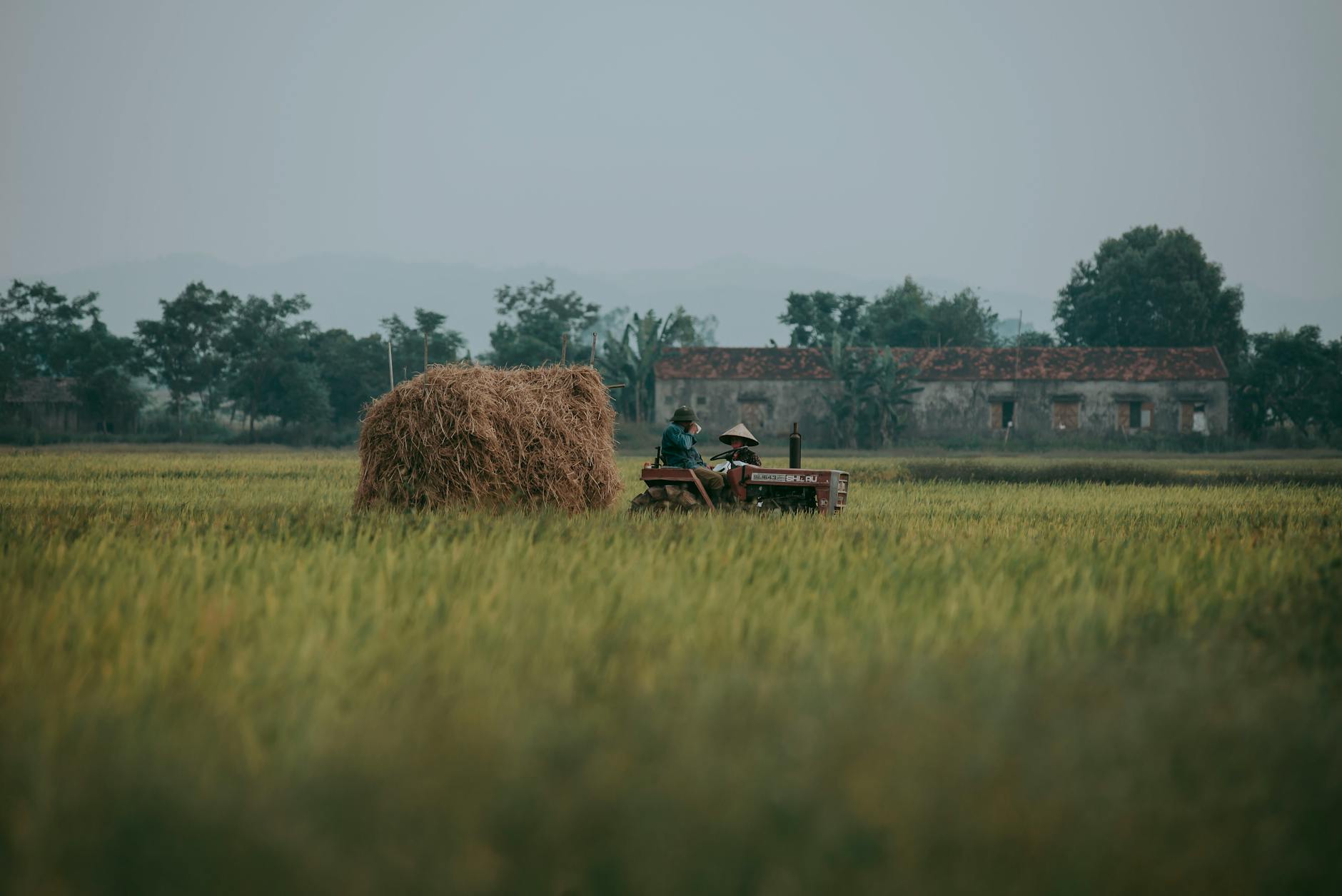
You might also consider a farm and countryside experience as a broader category: some include bamboo craft-making, some combine it with a street food and market tour to show where urban farmers sell, some add a horse riding experience on the same property if the venue has stables. A pure farm session is focused—arrival, harvest, cook, eat, leave. A longer countryside day might layer in a craft workshop or a visit to a village artisan.
For comparison: if you want a full immersion in how Saigon's food system works, combine a morning farm session with an afternoon street food tour at a central market—you'll see the other end of the chain, where your vegetables are sold hours later. If you're interested in how traditional crops are processed, a tea experience in Da Lat or a coffee workshop might appeal more than a Saigon farm. Each tells a different story about Vietnamese agriculture.
What to check before you book a farm experience
- Transport: Ask whether the quote includes pickup from your hotel or if you're expected to meet us on-site. If you're renting a scooter or car, confirm the property address and parking.
- Physical demands: Let us know your fitness level, any joint pain, or mobility limits. We'll describe the actual terrain (flat, muddy in wet season, walking distance on-site).
- Dietary restrictions and allergies: Tell us upfront—both plant allergies and food preferences. We adapt the cooking meal so you can eat what you help prepare.
- Weather plan: Ask what happens if heavy rain or extreme heat occurs. We'll confirm the backup—usually moving indoors or shifting to a different day.
- Group size and cost: Clarify whether you're booking a private session (just your group) or joining a small shared group. Price differs. Ask us for dates and a quote on WhatsApp for both.
- Photos and social media: Check if it's OK to take photos; some family hosts prefer privacy. We'll tell you.
- What to wear and bring: Closed shoes (not sandals—farm tools, wet ground, insects), layers, a hat, sunscreen, a small towel or bandana for sweat. Leave expensive jewelry at your hotel.
- How long it takes: Confirm whether you need 3 hours, 4 hours, or a half-day. Some guests want just picking; others want cooking time too. We'll tailor it.
Why farm experiences in Saigon matter right now
Urban farming is growing in Ho Chi Minh City—not as a trend, but as a practical response to food costs, supply chain risks, and a reconnection to land many city dwellers lost. By spending a morning on a family farm, you're not playing at farming; you're learning how real people keep themselves fed and contribute to the city's food security. You'll see a business model—small, steady, low-margin, climate-dependent—that most global food systems ignore. And you'll eat differently afterward.
For travelers, this is a tangible, unscripted experience: there's no performance, no expectation to be impressed, just work and food and conversation. It's the opposite of a polished tour. For expats in Saigon, it's often a grounding ritual—a reason to leave the air-conditioned office on a Saturday morning and feel soil under your fingernails again.
See how a session runs
Ready to book? Here's the next step
Go to WhatsApp and contact us with your dates, group size, and interests. We'll tell you what's available this week or next, confirm the property and harvest, give you a price quote, and send you a packing list and pickup time. We'll also ask a few quick questions about dietary needs, fitness, and whether you want cooking included or just the harvest. From first message to a confirmed date usually takes 24–48 hours.
If you're in Saigon for a longer stay, you can also combine a farm morning with another experience: a group and corporate experience team-building day, a family experience for your kids' holiday, or even a Vietnamese cooking class in the city to expand your skills with what you learned on the farm.
The farm experience is not a product you buy; it's a conversation you start.
#

FAQ
Do I need farming experience?
No. We teach everything as we go. Most guests have never picked vegetables before. We show you what's ripe, how to hold the shears, where to cut. Kids learn fastest; seniors appreciate the slower pace. Beginners are our norm.
What if I have a food allergy or dietary restriction?
Tell us during the WhatsApp call. We'll plan the meal around your restrictions. If you're allergic to soil organisms (rare), we can arrange gloves and suggest you stay closer to the washing station. We've adapted for vegan, gluten-free, shellfish allergy, and nut-free diets successfully.
Is the farm close to Saigon, or do I need to wake up very early?
It's 30–60 minutes depending on traffic and which property hosts you. We pick you up around 6:30 or 7:00 a.m. from central hotels, so yes, it's early. We return by 1:00 p.m. If early mornings don't suit you, ask about afternoon sessions (4:00–7:00 p.m.) in cooler months.
Can children join, and is it safe?
Yes. Children from age 5 upward enjoy it. There are no hazardous machines—just hand tools and water. The host watches closely. Kids love picking and eating what they grew. Parents stay with children. Toddlers under 4 are harder to manage in the heat and mud; we'd suggest waiting a year or two.
What's the difference between a small-group session and a private booking?
A small-group session has 4–8 guests from different families, all booked for the same date—cheaper, social atmosphere, shared meal. A private booking is just your group—more flexible timing, can tailor the experience more, costs more. Ask us for dates and a quote on WhatsApp for both options.
What if it rains heavily?
We monitor weather the night before and the morning of. Light rain doesn't stop the session—crops need water, you'll dry off. Heavy rain moves the focus indoors: we pick whatever we can, then move to the kitchen early and focus on cooking, knife skills, and eating together. We'll confirm the backup plan before you confirm your date.
Do I get to take home what I pick?
Usually, yes. You take a basket of vegetables home or to your hotel. If the property also sells to markets, some crops stay there. We'll tell you what's yours to take before the session starts. We also provide a handwritten recipe sheet if you want to cook at home.
Can I combine the farm experience with other activities in Saigon?
Absolutely. Many guests do a farm morning, rest at midday, then join an afternoon street food and market tour to see how vegetables are sold, or a Vietnamese cooking class the next day to refine skills. We can help coordinate dates via WhatsApp. --- Last updated: January 2026. All times, durations, and group sizes reflect current small-group hosting practice at Cáo Experiences.
Ask about dates
Tell us the city, your dates and what you would like to try. We reply on WhatsApp in English with options and availability.
FAQ
Do I need farming experience?
No. We teach everything as we go. Most guests have never picked vegetables before. We show you what's ripe, how to hold the shears, where to cut. Kids learn fastest; seniors appreciate the slower pace. Beginners are our norm.
What if I have a food allergy or dietary restriction?
Tell us during the WhatsApp call. We'll plan the meal around your restrictions. If you're allergic to soil organisms (rare), we can arrange gloves and suggest you stay closer to the washing station. We've adapted for vegan, gluten-free, shellfish allergy, and nut-free diets successfully.
Is the farm close to Saigon, or do I need to wake up very early?
It's 30–60 minutes depending on traffic and which property hosts you. We pick you up around 6:30 or 7:00 a.m. from central hotels, so yes, it's early. We return by 1:00 p.m. If early mornings don't suit you, ask about afternoon sessions (4:00–7:00 p.m.) in cooler months.
Can children join, and is it safe?
Yes. Children from age 5 upward enjoy it. There are no hazardous machines—just hand tools and water. The host watches closely. Kids love picking and eating what they grew. Parents stay with children. Toddlers under 4 are harder to manage in the heat and mud; we'd suggest waiting a year or two.
What's the difference between a small-group session and a private booking?
A small-group session has 4–8 guests from different families, all booked for the same date—cheaper, social atmosphere, shared meal. A private booking is just your group—more flexible timing, can tailor the experience more, costs more. Ask us for dates and a quote on WhatsApp for both options.
What if it rains heavily?
We monitor weather the night before and the morning of. Light rain doesn't stop the session—crops need water, you'll dry off. Heavy rain moves the focus indoors: we pick whatever we can, then move to the kitchen early and focus on cooking, knife skills, and eating together. We'll confirm the backup plan before you confirm your date.
Do I get to take home what I pick?
Usually, yes. You take a basket of vegetables home or to your hotel. If the property also sells to markets, some crops stay there. We'll tell you what's yours to take before the session starts. We also provide a handwritten recipe sheet if you want to cook at home.
Can I combine the farm experience with other activities in Saigon?
Absolutely. Many guests do a farm morning, rest at midday, then join an afternoon [street food and market tour](/street-food-tour) to see how vegetables are sold, or a [Vietnamese cooking class](/cooking-class) the next day to refine skills. We can help coordinate dates via WhatsApp. --- *Last updated: January 2026. All times, durations, and group sizes reflect current small-group hosting practice at Cáo Experiences.*
More like this
Farm and countryside days
Fishing Experience Vietnam for Japanese Travelers: Where to Go & What to Expect
Vietnam's waterways offer Japanese travelers a chance to learn traditional fishing methods directly from locals. Cáo Experiences runs half- and full-day sessions on rivers, lakes and the Mekong Delta where you cast nets, set traps, and cook your catch.
Farm and countryside days
Fishing Experience Vietnam for Foreigners: Hands-On Guide
Fishing in Vietnam isn't a spectator sport—you'll wade into rivers, cast nets, trap fish in baskets, and cook your catch for lunch. We run small-group and private fishing days in the countryside outside Hanoi, Ha Noi region, and the Mekong Delta.
Farm and countryside days
Fishing Experience in Vietnam: 8 Questions to Ask Before You Go
Fishing in Vietnam means wading through rice paddies, learning trap techniques, or casting in rivers with local guides. Here's what to ask before you book.