 Cáo Experiences
Home › Blog › Flower arranging workshops
Best Flower Arranging Class in Sapa: What to Know
By the Cáo Experiences team · 2026-11-01
We host small-group flower arranging workshops in a traditional family kitchen in Sapa's old quarter, steps from the market. Sessions run three to four hours, typically mornings to catch best natural light. You'll learn basic structure (stems, foliage, balance), then design and take home three finished arrangements—a mixed vase, a tight posy, and a seasonal piece using what's freshest that week. We source blooms from Sapa's flower wholesalers and local growers; no two classes use identical flowers. Beginners worry they'll "mess up" the stems or pick wrong colours—we show you that flowers are forgiving, and most "mistakes" teach you what works. Kids (8+) enjoy it; seniors find it meditative. We adapt for lefties, trembling hands, and flower allergies. If rain comes, we move into the covered kitchen and work by window light. Ask us for dates and a quote on WhatsApp. Ask about dates on WhatsApp
Why Sapa's altitude matters for fresh flowers
Sapa sits at 1,600 metres, where cool nights extend flower vase life significantly. Blooms picked in the market that morning stay crisp for eight to ten days at home—versus five in Hanoi's heat. We time sessions for early week (Tuesday, Wednesday) when stock is freshest off the growers' trucks. That freshness means you're working with stems that still bend without snapping, petals that haven't tightened, and true colour. Competitors in lower towns often work with day-old imports; ours arrive within hours.

What does a three-hour session actually include?
We arrive at 9 a.m. and start with tea and a walk through the morning market—five minutes—to show you how florists read freshness (closed buds, firm stems, no brown patches). Back in the kitchen, you'll spend 45 minutes learning cuts, angles, how to strip leaves, and the "rule of thirds" for height and balance. Then you design a loose vase arrangement (90 minutes), a hand-tied posy (45 minutes), and a seasonal piece—wreaths, posies, or preserved-stem designs depending on what we've sourced (30 minutes). You'll wrap and box your three pieces; we'll label them with care notes and send you off with photos. Expect to use scissors, florist's foam, tape, floral wire, and your hands—not a brush or glue. Most guests leave around 1 p.m., ready for lunch.
Explore our flower workshops
How does Sapa's flower market compare to other regions?
| Market | Season | Peak freshness | Who sources from here | Best for |
|---|---|---|---|---|
| Sapa | Year-round | Tue–Wed | Mountain hotels, weddings | Cold-hardy blooms, dahlias, zinnias |
| Hoi An | Year-round | Fri–Sun | Cafes, decorators | Roses, carnations, imported mixes |
| Da Lat | Jun–Oct | Mon–Wed | National distributors | Chrysanthemums, strawflowers, lisianthus |
Sapa's market is tiny—one corner of Quang Ba's scale—but turnover is fast and waste is low. Most flowers are grown in local communes; you'll often hear growers' names. Da Lat (a three-hour drive) has more volume and longer growing season, but we choose Sapa for intimacy and the chance to visit the same suppliers week after week.
Do you adapt for kids, seniors, and allergies?
We run classes for mixed ages (8 to 75+). Kids under 12 work with softer, thicker stems (dahlias, chrysanthemums, green hydrangeas) and skip the fine wire work; a parent often pairs with them. Seniors sit on stools, we bring stems to them at chest height (no reaching), and we pre-cut hard wood (branches, eucalyptus) if arthritis is a concern. For pollen allergies, we remove stamens before you arrive (takes five minutes), swap heavy-pollen lilies for garden roses, or use silk stems for certain pieces. We've never had anyone unable to participate once we know in advance. Tell us what to adapt when you message us.
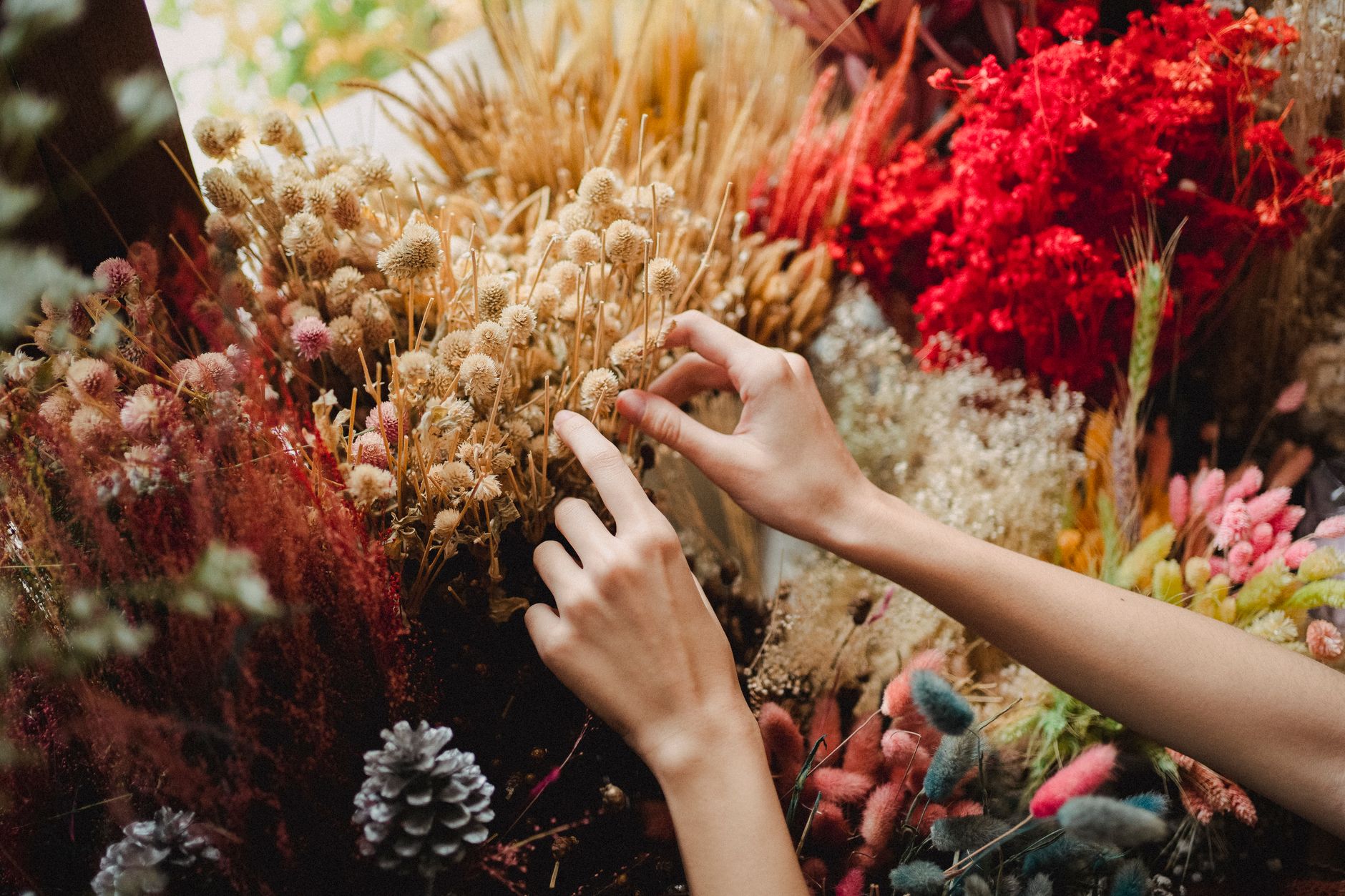
What should you wear and bring—and what happens if it rains?
Wear clothes that don't mind pollen smudges and a small apron (we provide one, but bring yours if you prefer). Shoes should be comfortable for walking the market and standing two hours in the kitchen. Bring a phone for photos and a light bag; you'll carry home three wrapped arrangements. Water stays on hand; we offer herbal tea. If rain comes heavy, we stay in the kitchen—it's the driest part of the venue—and move tables closer to the windows for light. We've never postponed; the market still moves in rain, and floristry doesn't care about weather once you're inside. The arrangements you make travel well; we wrap them in paper and box, so they're safe for a motorbike ride back to your hotel or a flight home.
What to check before you book
- Verify dates and group size early. We run small groups (two to six people) and book sessions two to three weeks ahead. Winter months fill faster.
- Confirm any dietary or allergy needs. Pollen, latex (in floral tape), or flower-scent sensitivity? Tell us before you pay—we'll adjust or suggest an alternative craft workshop.
- Check what blooms will be in season. We use what the market has that week, so spring brings peonies and tulips; autumn brings dahlias and chrysanthemums. Ask us what's typical for your travel dates.
- Know what to do with the flowers afterward. We'll give you care notes (change water every two days, recut stems, keep away from fruit). If you're leaving Sapa soon, we can also suggest a local cafe or hotel to receive them as a gift.
- Expect a learning curve, not perfection. First-timers often tighten too much or cut too short. Every class member "fixes" at least one piece live. That's the point—you see that flowers adapt and forgive.
Other Sapa experiences that pair well
If you love working with living things, consider pairing your flower class with a half-day farm visit to a commune vegetable garden or tea plot—both run in the same quiet mornings. Or book a Vietnamese cooking class the same day and use your flowers as a table centrepiece for lunch. Many guests also add horse riding on a quieter mountain trail the afternoon after, since Sapa's elevation means cooler, less humid air for animals and riders alike. Tea lovers sometimes do tea experiences in a family sitting-room overlooking the valley—we can weave in the same local connections and slow pace you'll feel in floristry.

FAQ
Can I book a private class just for my partner or family?
Yes. Private sessions run the same three-hour format but are entirely your group. Prices and availability differ; message us on WhatsApp for a quote.
What if I have no experience with flowers at all?
Perfect. We expect zero prior knowledge. The first hour is all basics—how to hold scissors, why stems split, where to cut for maximum vase life. You'll be designing by hour two.
Do the flowers I make last long enough to bring home on a plane?
Yes, if you're leaving within 24 hours. We wrap tightly and use sturdy stems. Longer trips: we'll suggest leaving them as a gift or keeping them in a local cafe's cool room until flight time. Ask us when you book.
Is the class in English?
Yes, fully. We host in English and can arrange a translator for Mandarin or French if you request it two weeks ahead.
What if it rains hard or the market is closed that day?
We've never cancelled. Rain doesn't stop the market, and the kitchen has windows and good light. Market closures (rare, Tet or national holidays) we announce at least three weeks ahead and reschedule you immediately.
Can I do a class if I'm visiting from Hanoi or Da Nang?
Absolutely. Sapa is a two-hour drive from Hanoi and four from Da Nang. Many guests stay overnight and combine floristry with other experiences—countryside walks, cafes, homestays. We can help coordinate. === Start planning now
Ask about dates
Tell us the city, your dates and what you would like to try. We reply on WhatsApp in English with options and availability.
FAQ
Can I book a private class just for my partner or family?
Yes. Private sessions run the same three-hour format but are entirely your group. Prices and availability differ; message us on WhatsApp for a quote.
What if I have no experience with flowers at all?
Perfect. We expect zero prior knowledge. The first hour is all basics—how to hold scissors, why stems split, where to cut for maximum vase life. You'll be designing by hour two.
Do the flowers I make last long enough to bring home on a plane?
Yes, if you're leaving within 24 hours. We wrap tightly and use sturdy stems. Longer trips: we'll suggest leaving them as a gift or keeping them in a local cafe's cool room until flight time. Ask us when you book.
Is the class in English?
Yes, fully. We host in English and can arrange a translator for Mandarin or French if you request it two weeks ahead.
What if it rains hard or the market is closed that day?
We've never cancelled. Rain doesn't stop the market, and the kitchen has windows and good light. Market closures (rare, Tet or national holidays) we announce at least three weeks ahead and reschedule you immediately.
Can I do a class if I'm visiting from Hanoi or Da Nang?
Absolutely. Sapa is a two-hour drive from Hanoi and four from Da Nang. Many guests stay overnight and combine floristry with [other experiences](/destinations/da-lat)—countryside walks, cafes, homestays. We can help coordinate. === [🌸 Start planning now](/contact)
More like this
Flower arranging workshops
Flower Arranging Workshop Ho Chi Minh City: How to Book
A flower arranging workshop in Ho Chi Minh City teaches you to design seasonal arrangements in a calm studio setting. We run small-group and private sessions with English-speaking hosts who walk you through technique, flower choice, and how to make arrangements last.
Flower arranging workshops
Flower arranging workshop in Ninh Binh for couples
A flower arranging workshop in Ninh Binh lets couples create an arrangement together in a calm setting, learning Vietnamese design principles while working with seasonal blooms.
Flower arranging workshops
Flower Arranging Workshop in Mekong Delta for Foreigners
We run intimate flower arranging workshops in family-owned gardens and workshops across the Mekong Delta, where you'll learn seasonal design by practicing alongside our hosts. Pick your own blooms, arrange three pieces, and take them home.