 Cáo Experiences
Home › Blog › Flower arranging workshops
Best flower arranging class in Vietnam: learn from skilled hosts
By the Cáo Experiences team · 2026-11-01
The best flower arranging class in Vietnam combines skilled instruction, fresh seasonal blooms, and time to practise without rushing. Cáo Experiences hosts flower arranging workshops in Hanoi, Saigon, Hoi An and Da Lat in family kitchens and studio spaces; sessions run 2–3 hours with 2–8 people (private bookings welcome). You'll learn proportion, colour balance, and one or two finished arrangements you take home the same day. We source blooms from local suppliers the morning of your session, adapt to left-handers and beginners, and work around allergies. No prior experience needed. Ask us for dates and a quote on WhatsApp.
What makes a flower arranging class worth your time?
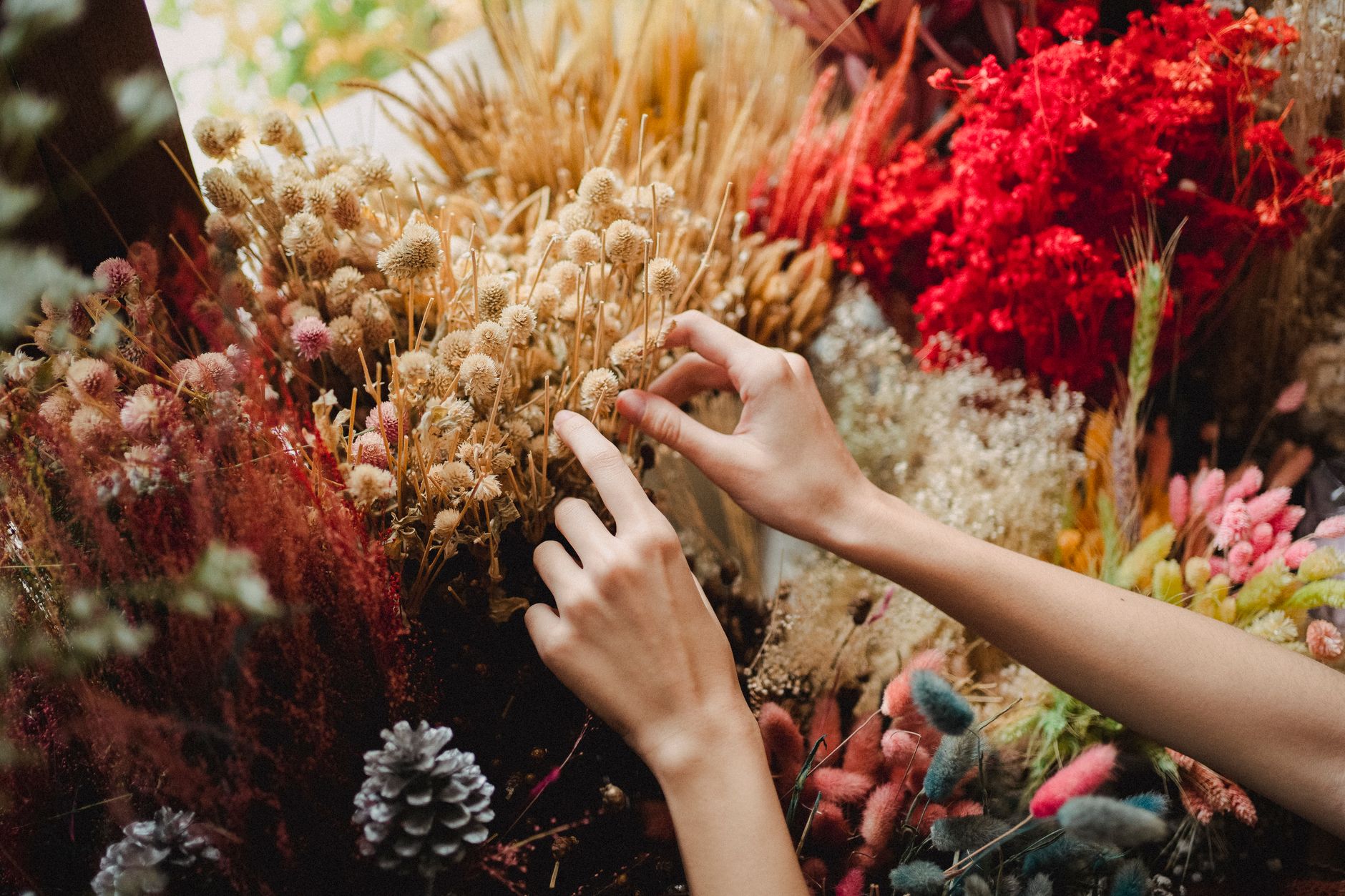
A genuine class teaches why flowers go where they do, not just where to stick them. You'll understand how stem length, negative space and focal flowers create visual weight—then apply that to real arrangements with your own hands. The best sessions let you make mistakes and adjust them live, ask questions mid-arrangement, and walk away with something you made yourself, not a demo you watched. That's what we build into every two to three hour block.
Where in Vietnam can you actually take one?
We run flower arranging workshops in four cities: Hanoi, Saigon (Ho Chi Minh City), Hoi An and Da Lat. Each location has a dedicated space—a family kitchen or studio in a quiet lane, never a commercial flower shop. The environment matters: good natural light, room to move, a table at the right height, water and tools ready. Da Lat, in the central highlands, offers access to cooler-climate blooms year-round; Hoi An sits in the quiet old quarter; Hanoi and Saigon sessions sit in laneways away from main traffic. Proximity to your hotel or interest in exploring a particular neighbourhood should guide your choice.
How do we adapt the class for different skill levels and needs?
Every attendee arrives with different hands. Some have arranged flowers before; many have never held a stem or considered why certain colours sit together. We teach the same principles—scale, balance, depth—but tailor the pace. A beginner spends more time on the first small arrangement; an experienced florist moves faster and tries a larger, more complex piece. If you're left-handed, we adjust the demo and stand on your opposite side. If you have hay fever or pollen allergies, we choose varieties carefully, keep antihistamines to hand, and use a well-ventilated space. Kids (8+) join our family experiences sessions; they arrange in a simplified framework and leave with a finished posy they're proud of. Seniors often move slowly and need a lower table or chair; we always provide both. If rain threatens, we shift indoor timing or move a session indoors entirely—the flowers don't mind.
What arrangements do you actually make during the session?
We guide you through two or three finished pieces depending on time and confidence. The first is usually a hand-held posy or small vase arrangement—20–30 centimetres tall, teaching basic spiral technique or layering. You'll select stems yourself from the day's blooms (usually 8–12 varieties in season), cut them to length, strip lower leaves, and build the shape step by step. We demo each stage first, then you replicate it with your own hands. The second or third arrangement explores a different style: perhaps a low, wide bowl arrangement for a table, or a tall statement piece. You take everything home the same day in a flower box with a care card (change water daily, re-cut stems, avoid direct sunlight). Nothing wilts before you leave.
How do seasonal blooms affect what you'll learn?
Vietnam's tropical and subtropical zones mean flowers bloom differently by season and by altitude. In Hanoi and Saigon, you work with year-round imports and local hothouse stock—roses, carnations, orchids, tropical greens. Da Lat's cool climate yields dahlias, sunflowers, zinnias and temperate foliage spring and autumn. Hoi An sits between, with access to both coastal and highland sources. We never promise "the exact roses you'd see in Amsterdam"—we work with what's vibrant and fresh that morning, and teach you how to design with abundance or scarcity. Lesson: a good arranger adapts to the palette, not the reverse. Seasonal awareness is part of the skill.

How to choose the right class for your group or timeline
| Situation | Best fit | Why it works |
|---|---|---|
| Solo traveller, 2–3 hours free | Small group in Hanoi, Da Lat or Hoi An | Intimate teaching; meet other guests; affordable per person. |
| Couple or pair | Private session, any city | Full host attention; your pace; no watching others. |
| Family with kids 8–12 | Family experiences group | Simplified designs; kids leave with their own arrangement. |
| Corporate or larger team | Private group (8–12 max) | Custom timing; team building; take-home gift. |
| Rainy season visit | Indoor studio in Hanoi or Saigon | Climate-controlled; no weather delay; blooms protected. |
| Wellness or slow travel day | Da Lat or countryside session with tea | Combine tea experiences or farm experience; rural, restorative pace. |
What to check before you book
Timing: Sessions fill 2–3 hours; confirm how much time you want and whether you prefer morning (better light) or afternoon (quieter pace). Ask if the session includes a break or café time.
Blooms: If you dislike certain flowers or colours, or have allergies, tell us in advance. We'll source alternatives or adapt variety choices.
Group size: Small is better for learning (2–8 people ideal); larger groups share one host and mean less individual feedback. Private sessions cost more but give you full attention.
What to bring: Wear clothes you don't mind getting soil or water on. Bring a phone if you want to photo your work. We provide all tools, water, and a box to take arrangements home. Closed shoes recommended (water and stems on a wet floor).
Refund and cancellation: Ask us for the cancellation window; bad weather (typhoon, flood warning) triggers a full reschedule or refund.
Why our hosts stand out
We employ people who practise flower arranging in their own time, not just teach it. They know the pain points—how thorns catch, how a light hand matters, how to recover when a stem snaps. They've arranged for weddings, funerals, restaurants and homes; they understand why someone might want to learn. They speak English fluently, have patience with silence and slow questions, and remember your name by the third stem. They're based in each city, so they know this week's freshest blooms and how to navigate seasonal scarcity.
How a real session unfolds: hour by hour
Minute 1–10: Arrival. You meet your host in a quiet family kitchen or studio. They show you the day's blooms—always fresh, cut that morning—and explain what's in season and why. Water, tools, aprons laid out. No formal welcome speech.
Minute 10–20: Demo. Host arranges a small posy live, narrating each cut and placement. You ask questions. They show the spiral grip, how to angle stems, where to clip.
Minute 20–50: Your turn. You select blooms, cut, build. Host circles, corrects gently, lets you redo sections. First arrangement finished.
Minute 50–70: Short break. Water, tea, a moment to step back. Chat about the arrangement—why colours worked, what you'd change next time.
Minute 70–150: Second (and maybe third) arrangement. Faster now, you're confident. Different style or scale. Deeper questions answered. Finished pieces placed in water.
Minute 150–160: Care card, photos, goodbyes. You leave with boxes of flowers and the muscle memory of how to do this again at home.
Connect with other experiences during your trip
If you're drawn to hands-on, intimate learning in Vietnam, you might pair a flower arranging workshop with our Vietnamese cooking class or street food and market tour—same philosophy, different medium. Or combine it with tea experiences or coffee workshop for a slow-learning day. Longer stays in rural areas? Farm and countryside experiences or horse riding round out the week. All bookings go through WhatsApp; we stagger timing and transport as needed.

FAQ
Do I need any prior flower arranging experience?
No. Most of our guests have never arranged before. We teach from the ground up—how to hold a stem, judge proportion, use negative space. If you've arranged at home, you'll deepen that skill; if you haven't, you'll leave confident you can try again.
What if I have pollen allergies?
Tell us before you book. We'll choose hypoallergenic blooms (dahlias, roses, some tropical varieties), use a well-ventilated space, and keep antihistamines on hand. Some guests find the allergy fades as they focus on technique; others prefer to take breaks outside.
Can I arrange something for a wedding or event I need to give away?
We teach arranging for yourself to take home that day. If you want something for an event, we can advise where to commission a florist locally, but that's outside our scope. Private sessions are ideal for learning before you commission or DIY for a smaller gathering.
What if it rains on my class day?
Sessions in studio spaces are unaffected. If we're planning an outdoor component, rain shifts us indoors or we reschedule to the next suitable date. We'll confirm a backup date when you book.
How much do the flowers cost, and do I pay extra to take them home?
Blooms and all tools are included in the session price. You take everything home in a box at no extra charge. Ask us for dates and a quote on WhatsApp for your group size and city.
Can children join, and what's the minimum age?
Children 8 and up are welcome in our family experiences sessions—they make a simplified posy or small arrangement and leave with their own work. Younger children (5–7) can join a private family session with a parent if an adult helps them manage the stems and tools. Ask us to discuss your child's age and confidence.
Ask about dates
Tell us the city, your dates and what you would like to try. We reply on WhatsApp in English with options and availability.
FAQ
Do I need any prior flower arranging experience?
No. Most of our guests have never arranged before. We teach from the ground up—how to hold a stem, judge proportion, use negative space. If you've arranged at home, you'll deepen that skill; if you haven't, you'll leave confident you can try again.
What if I have pollen allergies?
Tell us before you book. We'll choose hypoallergenic blooms (dahlias, roses, some tropical varieties), use a well-ventilated space, and keep antihistamines on hand. Some guests find the allergy fades as they focus on technique; others prefer to take breaks outside.
Can I arrange something for a wedding or event I need to give away?
We teach arranging for yourself to take home that day. If you want something for an event, we can advise where to commission a florist locally, but that's outside our scope. Private sessions are ideal for learning before you commission or DIY for a smaller gathering.
What if it rains on my class day?
Sessions in studio spaces are unaffected. If we're planning an outdoor component, rain shifts us indoors or we reschedule to the next suitable date. We'll confirm a backup date when you book.
How much do the flowers cost, and do I pay extra to take them home?
Blooms and all tools are included in the session price. You take everything home in a box at no extra charge. Ask us for dates and a quote on WhatsApp for your group size and city.
Can children join, and what's the minimum age?
Children 8 and up are welcome in our [family experiences](/family-experiences) sessions—they make a simplified posy or small arrangement and leave with their own work. Younger children (5–7) can join a private family session with a parent if an adult helps them manage the stems and tools. Ask us to discuss your child's age and confidence.
More like this
Flower arranging workshops
Flower Arranging Workshop Ho Chi Minh City: How to Book
A flower arranging workshop in Ho Chi Minh City teaches you to design seasonal arrangements in a calm studio setting. We run small-group and private sessions with English-speaking hosts who walk you through technique, flower choice, and how to make arrangements last.
Flower arranging workshops
Flower arranging workshop in Ninh Binh for couples
A flower arranging workshop in Ninh Binh lets couples create an arrangement together in a calm setting, learning Vietnamese design principles while working with seasonal blooms.
Flower arranging workshops
Flower Arranging Workshop in Mekong Delta for Foreigners
We run intimate flower arranging workshops in family-owned gardens and workshops across the Mekong Delta, where you'll learn seasonal design by practicing alongside our hosts. Pick your own blooms, arrange three pieces, and take them home.