
Home › Blog › Art and culture classes
Best painting class in Vietnam: learn from local artists
By the Cáo Experiences team · 2026-11-06
The best painting class in Vietnam meets you where you are: small groups (2–6 people) in a working artist's studio or family art space, hosted in English, for 2–3 hours with materials included. Cáo Experiences runs art and culture classes in Hanoi, Saigon, Hoi An and Da Lat, each hosted by a practising painter who teaches while they work. Sessions suit complete beginners through confident painters; kids can join family versions; seniors work at their own pace on stools with easels adjusted to height. You'll paint on canvas or paper, take your work home, and learn why local artists choose certain pigments, brush weights and composition rhythms. Rain doesn't stop us — we move indoors. Cost varies by location and group size; ask us for dates and a quote on WhatsApp. Avoid tourist-heavy "painting factories" where 20 strangers follow a template in one hour.
What actually happens in a Cáo painting session?
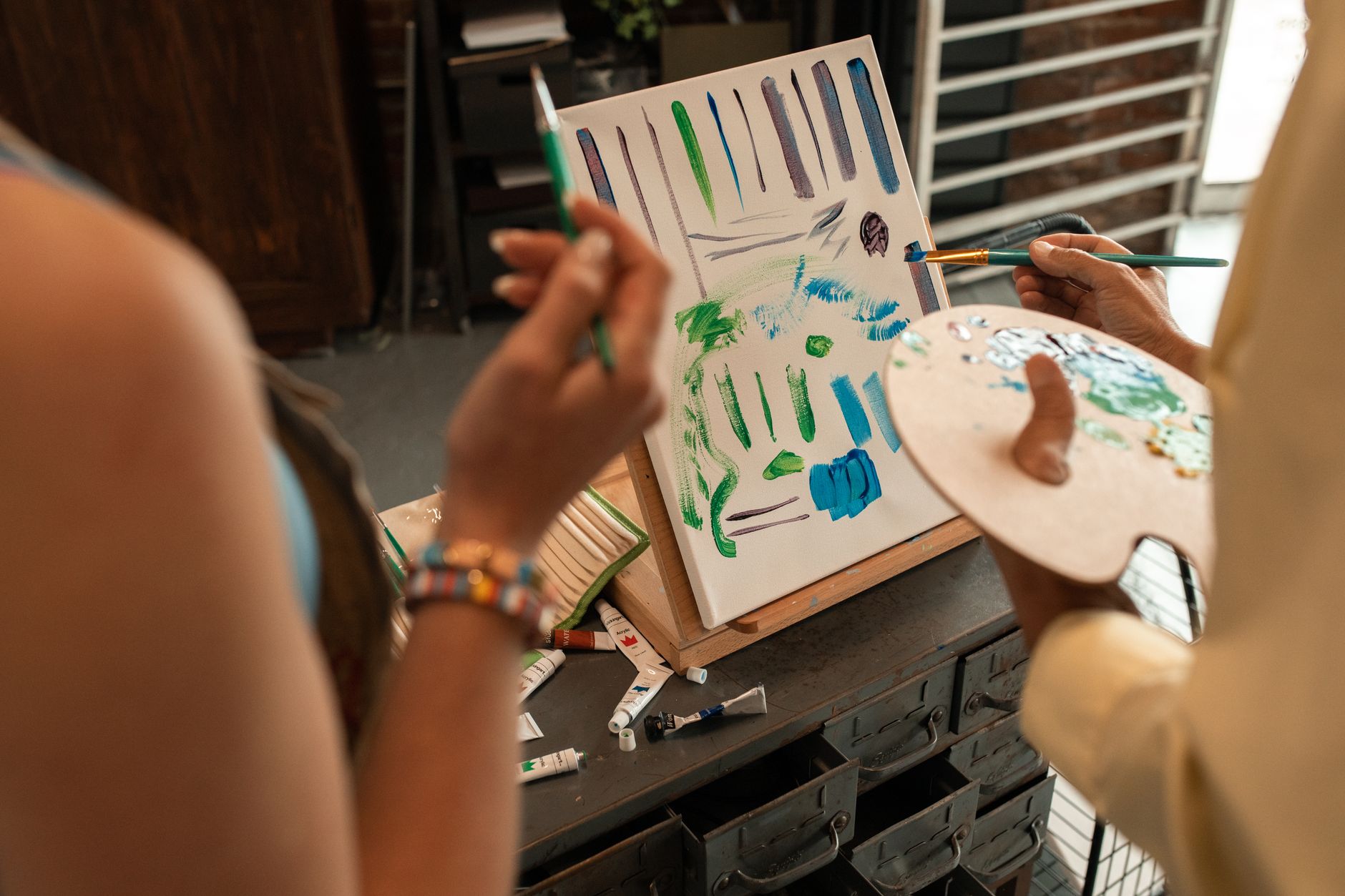
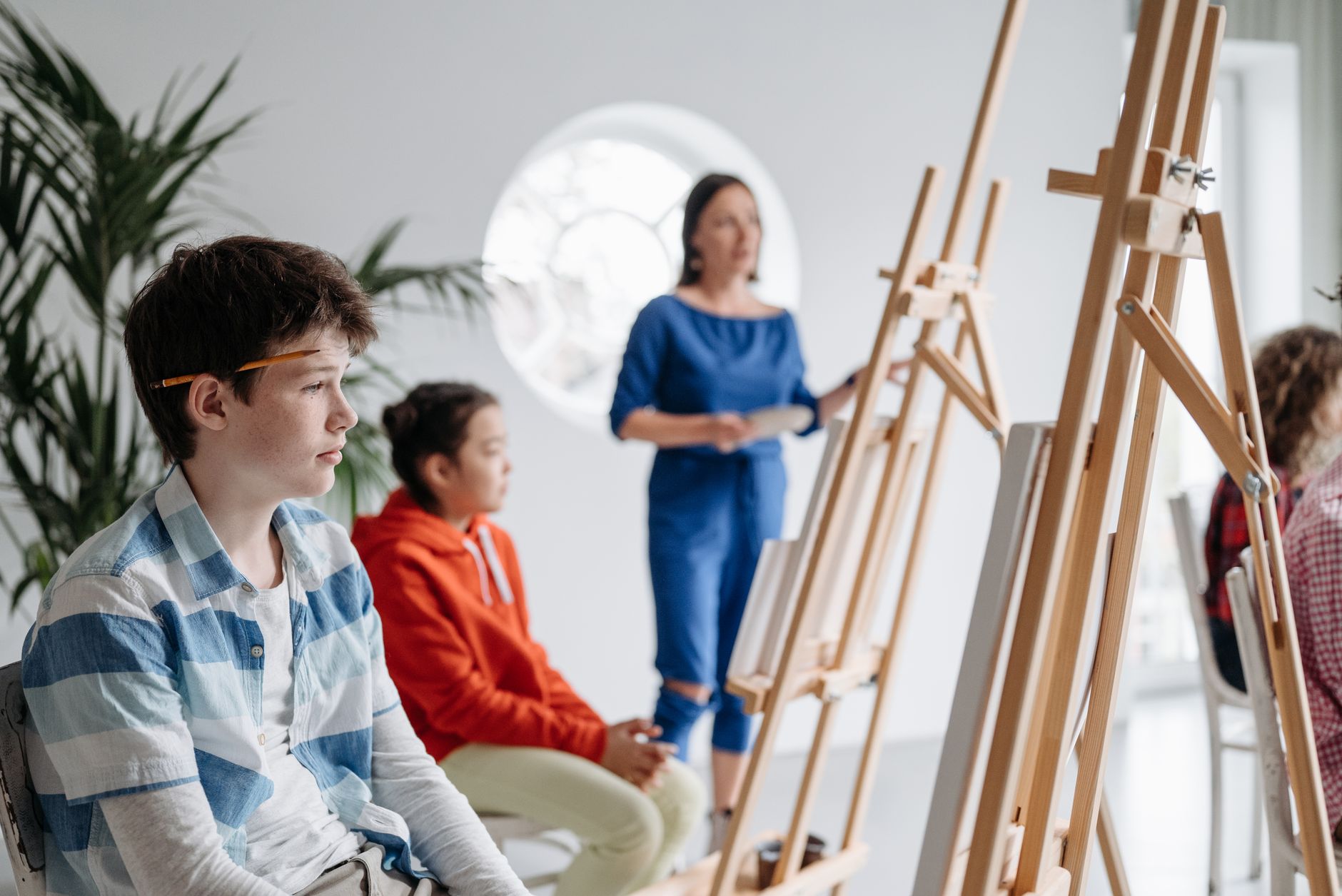
We start with 15 minutes of tea or coffee in the studio while your host shows you their own work—what they're painting that week, why they chose their subject, how they mix colours. This isn't a lecture; it's a conversation. Then we move to your easels. Your host demonstrates one technique—say, dry-brush texture or wet-on-wet blending—on a demo canvas you can see up close. You try it immediately on your own canvas or paper, and they walk around offering small corrections: "press lighter here," "let the blue breathe under the ochre." By hour two, most people are absorbed in their own piece—a landscape, a portrait study, an abstract exploration—while the host works alongside you, available for questions. The last 20 minutes, we step back. You finish touches or decide you're done. Photos happen. Your work dries while you chat about what you learned and what you might paint next time. The whole rhythm is low-pressure and social, not a race.
Which painting style should I choose for my skill level?
Beginners and experienced painters often worry they'll be bored or lost. We don't separate by ability; instead, your host adapts the subject and technique within the same session. A beginner might paint a simple still life—an orange and a cup—focusing on how light hits a curved surface. An experienced painter in the same room might tackle the same subject with more complex colour mixing or looser brushwork. Both learn proportion, shadow and colour temperature, but at their own depth. The host watches quietly, then offers feedback tuned to each person. Kids (ages 6+) usually join family experiences where the subject is simpler—a flowering tree, a market vendor—and the host uses washable acrylics on paper instead of canvas, keeps sessions to 90 minutes, and builds in movement breaks. This mixed-level approach works because painting isn't a race to a single "right" answer; it's practice in seeing and translating what you see onto a surface.
How do allergies, joint pain and heat affect a painting session?
Heat in Vietnam is real. Studios have fans, open windows and offer plenty of water and juice. If you're sensitive to paint fumes, tell us beforehand—we can use low-VOC acrylics instead of oils, and your host will position fans to move air away from your face. Acrylic dries faster and smells less. Standing for two hours isn't required. We have stools, and easels adjust to height so you can sit comfortably. If you have arthritis or grip weakness, let us know. We provide brushes of different thicknesses, and some people prefer holding a thicker brush or using a brush grip (a foam tube that slides onto the handle). Allergies to specific materials? We ask this when you contact us, and your host sources alternatives—hypoallergenic brushes, latex-free gloves, water-based vs. oil mediums. Nobody here is rigid about the method. The goal is that you paint and enjoy it, not that you suffer through.
Where are painting classes located, and do they suit couples and groups?
We host painting classes in four regions: Hanoi, Saigon, Hoi An and Da Lat. Each location pairs you with a different artist—someone working in that community, painting local subjects, familiar with the light and landscape around them. A Hanoi class might focus on old-quarter architecture; a Hoi An class on river reflections and traditional boats; a Da Lat class on misty hills and temperate light. Couples often book private sessions (just the two of you and the host), which feels intimate and lets you paint side-by-side without distraction. Small groups (3–6) mix with friends, families, or solo travelers. We also coordinate group and corporate painting days if your team wants a half-day team experience. Mixed-ability groups work well because the host moves between easels, and people help each other by example—someone's colour mixing looks good, the person next to them tries a similar approach. Rain days move indoors to a covered studio space or a bright family home with large windows.
| Format | Who it suits | Prep needed | Why it works |
|---|---|---|---|
| Private (2 people) | Couples, close friends, solo painters wanting 1-on-1 feedback | Tell us your painting history | Most personalised; host adapts entirely to you |
| Small group (3–6) | First-timers, friends visiting, solo travelers wanting community | None; tell us if you have allergies or mobility needs | Low-pressure; people learn from each other |
| Family session | Parents with kids (6–16), multigenerational groups | Kids should enjoy sitting/focusing for 90 min | Shorter, simpler subjects; washable materials |
| Group and corporate team day | Office groups, retreats, team-building | 6+ people; 3-hour session | Shared creative break; no competitive element |

What should I bring, wear and expect to take home?
Wear something you don't mind getting paint on. Acrylics wash out of cotton and most fabrics if you rinse quickly, but oils stain. We provide aprons, but people often prefer an old shirt or linen trousers they're happy to speckle. Bring a water bottle—you'll be standing or sitting in a warm studio. Sunscreen if you're sensitive (some studios have skylights). Don't bring brushes or paints; we supply everything, chosen for the session. Your finished painting dries during the last 20 minutes. You carry it home flat or rolled gently in paper (we provide wrapping). Canvas stretches 40–50 cm; it fits in a day pack or a carry-on if you're flying. Keep it flat for the first 24 hours so the paint sets evenly. If you're returning to your hotel immediately, ask your host to store it upright in a safe corner for a few hours so it dries fully before you move it. A painting from your session becomes a real souvenir—something you made with your hands, not bought—and many people say it reminds them of that afternoon and what they learned about colour and observation.
What to check before you book a painting session
Group size and language. Confirm the session is in English and that the group size suits you (private vs. small group). We run sessions in English; if you speak Vietnamese, that's a bonus, but your host will translate concepts clearly.
Duration and location. Sessions run 2–3 hours. Check the location—is it in the city centre or a quiet lane? Some people prefer the studio atmosphere; others want a countryside or village setting.
Materials and subject. Ask what materials you'll use (acrylics, oils, watercolour) and whether the subject is set by the host (e.g., "still life") or you can suggest something. If you have a painting you've always wanted to attempt, mention it.
Accessibility. If you need a wheelchair-accessible studio, mobility seating, or specific dietary breaks, tell us early. Not all studios are flat, but we'll find one that works.
Weather backup. Confirm that rain doesn't cancel the session. Indoor studios exist in all four cities.
Dietary and sensory needs. Low-VOC paints for fume sensitivity, latex-free materials, specific brush types, chairs instead of stools—name it, and we'll prepare.
What to do before and after your class
The day before, get a good night's sleep—painting requires focus, and you'll notice details better when you're rested. The evening of, don't pack the painting flat immediately. Let it sit upright or tilted against a wall at room temperature for 6–8 hours. If it's still slightly tacky, leave it overnight. Once dry, store flat. In the week after, you might feel inspired to paint again. We offer follow-up art and culture classes or you might explore other creative practices—flower arranging or craft workshops—to keep your hands moving and your eye sharp. Many of our guests combine a painting class with a Vietnamese cooking class or a morning coffee workshop as part of a multi-day arts immersion.
See how a session runs
FAQ
Do I need any painting experience to join?
No. Most of our guests are beginners who've never held a brush seriously. Your host teaches from the ground up—how to hold a brush, mix a colour, understand light and shadow. Experienced painters come too; the host adapts the depth and complexity to suit.
What if I hate my painting?
That's normal. Even after one session, many people are surprised by what they've made. If you genuinely dislike it, your host will help you paint over it or start a new piece in the remaining time. The learning is the point, not the product.
Can I bring my own brushes or paints?
Not necessary. We source good-quality materials suited to the session's technique and pace. If you have a preferred brand or sensitivity, let us know in advance, and we'll include it.
How long does the paint take to dry?
Acrylic dries to the touch in 30 minutes and is fully cured in 24 hours. Oil and watercolour take longer. We keep paintings in the studio for the first hour so they're safe to carry.
Is there a rainy-day plan?
Yes. Studios are indoors with good light. Sessions run rain or shine. If your host's studio lacks skylights, we move to a family home or covered workshop space in the same neighbourhood—same host, same session, just a different room.
Can kids join, and is it safe?
Kids 6+ join family experiences. We use washable acrylics, ensure easels are stable, and keep sessions to 90 minutes with a movement break. Younger siblings (3–5) can come if a parent stays with them.
How much does a painting class cost?
Pricing varies by location, group size and session length. Ask us for dates and a quote on WhatsApp so we can tailor an offer to your needs.
Ask about dates
Tell us the city, your dates and what you would like to try. We reply on WhatsApp in English with options and availability.
FAQ
Do I need any painting experience to join?
No. Most of our guests are beginners who've never held a brush seriously. Your host teaches from the ground up—how to hold a brush, mix a colour, understand light and shadow. Experienced painters come too; the host adapts the depth and complexity to suit.
What if I hate my painting?
That's normal. Even after one session, many people are surprised by what they've made. If you genuinely dislike it, your host will help you paint over it or start a new piece in the remaining time. The learning is the point, not the product.
Can I bring my own brushes or paints?
Not necessary. We source good-quality materials suited to the session's technique and pace. If you have a preferred brand or sensitivity, let us know in advance, and we'll include it.
How long does the paint take to dry?
Acrylic dries to the touch in 30 minutes and is fully cured in 24 hours. Oil and watercolour take longer. We keep paintings in the studio for the first hour so they're safe to carry.
Is there a rainy-day plan?
Yes. Studios are indoors with good light. Sessions run rain or shine. If your host's studio lacks skylights, we move to a family home or covered workshop space in the same neighbourhood—same host, same session, just a different room.
Can kids join, and is it safe?
Kids 6+ join [family experiences](/family-experiences). We use washable acrylics, ensure easels are stable, and keep sessions to 90 minutes with a movement break. Younger siblings (3–5) can come if a parent stays with them.
How much does a painting class cost?
Pricing varies by location, group size and session length. [Ask us for dates and a quote on WhatsApp](https://wa.me/84338762340) so we can tailor an offer to your needs.
More like this
Art and culture classes
Calligraphy class Hue: what to expect and how to start
Calligraphy classes in Hue teach you to hold the brush like a local, understand character structure, and leave with real work. We run them in an artist's studio space where you'll work alongside other learners—no previous art experience needed.
Art and culture classes
Best painting class in Hoi An: find your style
Hoi An's painting classes range from traditional lacquer to watercolour, silk and ink. We show you how to choose the right fit for your skill and schedule.
Art and culture classes
Best Painting Class in Da Nang: What to Know Before You Book
Painting classes in Da Nang range from casual drop-in sessions to structured multi-week courses. We walk you through what each type offers, who they suit best, and what to check before you commit.