
Home › Blog › Craft workshops
Best Pottery Class in Hanoi: Learn Hand-Building & Wheel
By the Cáo Experiences team · 2026-11-06
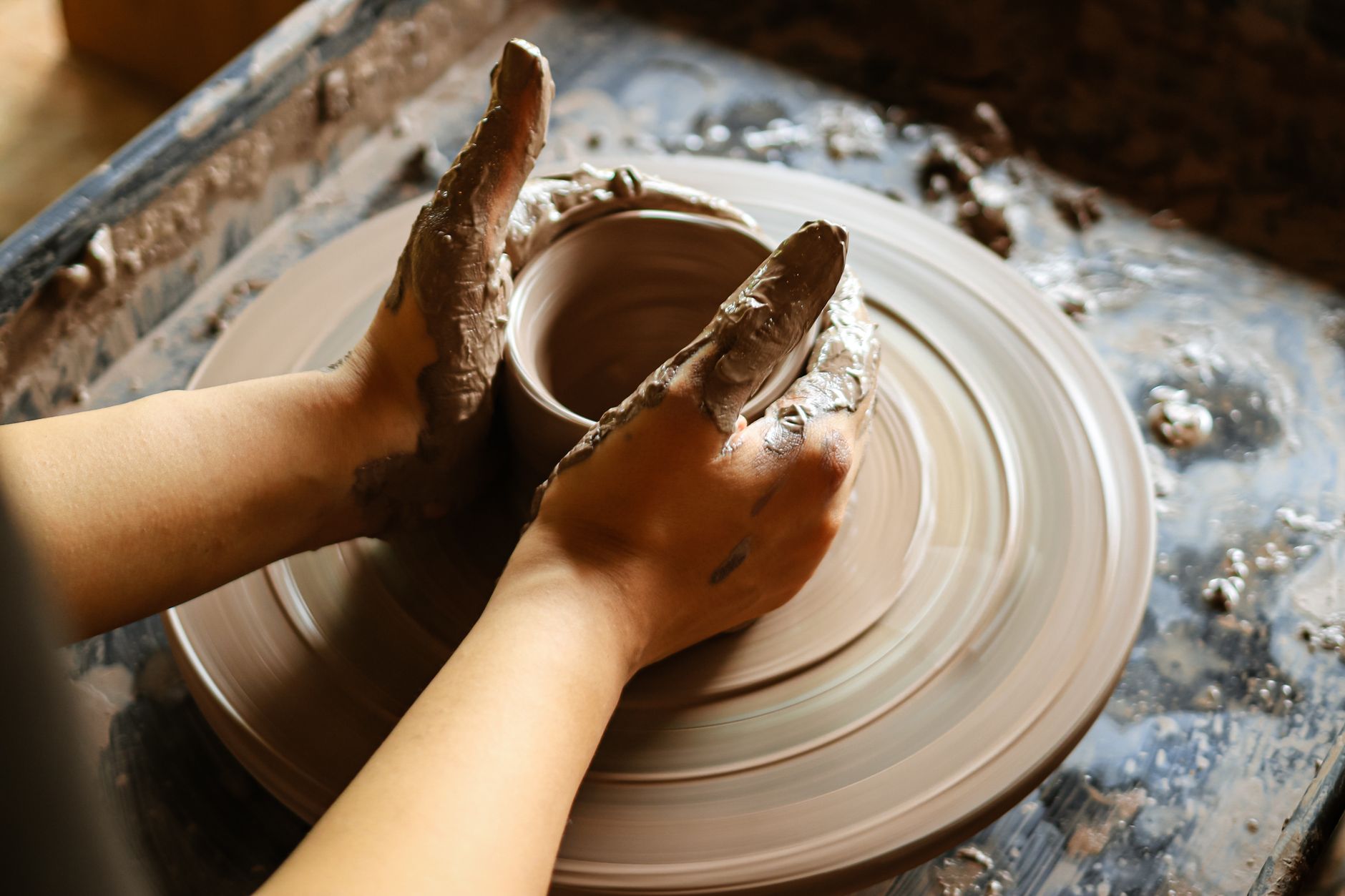
Cáo Experiences runs pottery and ceramic craft workshops in Hanoi's Old Quarter and surrounding neighborhoods, hosting small groups and private sessions for beginners through intermediate potters. A typical session lasts 2–3 hours: you'll center clay on the wheel (or hand-build by coil or slab), trim, and fire your piece over the next week or two. Most of us come to pottery wanting to try something hands-on—not to become professionals. Beginners often worry about messing up on the wheel; we show you what wet clay actually feels like and give you permission to fail. The main thing to check before booking: whether you want wheel-throwing (dramatic, messy, sometimes frustrating) or hand-building (slower, more control, meditative). Ask us for dates and a quote on WhatsApp; we'll tell you what's open for your group size and how we handle wet hands and aprons in a working studio space. Ask about dates on WhatsApp
What's the difference between wheel and hand-building?
Wheel-throwing spins clay at speed while you shape it—it feels magical the first time it works, humbling when it collapses. Hand-building (coil, slab, pinching) gives you full control and no surprises; clay won't suddenly fly off. Both make a finished pot. Choose wheel if you like the feeling of play and surprise; choose hand-building if you prefer patience and precision. Most first-timers try wheel once, then switch to hand-building for the second session because it's less daunting.

How long does it take to make one pot?
A pot made during a 2–3 hour session is leather-hard (partially dry) when you leave. We trim the base, sign it, then fire it in a kiln over 1–2 weeks. You pick it up glazed and finished, or we can mail it if you're traveling. If you want to glaze it yourself, we run separate short glaze workshops where you paint and fire the piece you made earlier. First-timers expect to leave with a finished pot that day; that's not how clay works. The making is the session; the firing is the bonus.
Who are these sessions right for?
Pottery suits curious adults (18+), couples on a date, friend groups wanting a novelty, and people burned out on screens. Seniors with steady hands do beautifully—clay is forgiving and quiet. Kids (8+) love hand-building; we usually skip the wheel for children under 12 because the learning curve is steep and balance matters. We run family experiences with clay sometimes in school holidays; ask us what's coming. Groups of 4–8 work well; beyond that, people get bored waiting for the wheel.
| Session type | Who it's for | What you make | Why choose it |
|---|---|---|---|
| Wheel-throwing intro | Thrill-seekers, first-timers | Centered bowl or mug attempt | Feels immediate; fun to fail |
| Hand-building (coil/slab) | Patients, sculptors, kids | Pinch pot, slab box, coil vessel | Full creative control; less stress |
| Glaze painting | People with unfired pots | Color and shine on finished pieces | Fast; makes a gift |
| Multi-week course | Serious hobbyists | 3–4 pieces, multiple techniques | Deep skill-building |
What should you wear and bring?
Wear clothes you don't mind getting clay-stained. Aprons are provided. Avoid loose sleeves (they stick to wet clay) and loose rings. Bring a towel or we'll loan you one. Your hands will be wet and tired—that's normal and means you worked. We have a washbasin on-site; clay clogs regular drains, so we've set up a proper rinse station. If you have a latex allergy, let us know in advance; we source clay-free alternatives. No jewelry beyond a watch.

How do you adapt for rain and seasons?
Hanoi's monsoon season (May–Sept) brings humidity that actually helps clay stay workable longer. Winter is dry, so clay dries faster between sessions. We work indoors in a climate-controlled space, so rain doesn't stop us. If a kiln firing gets delayed by power cuts (rare, but it happens), we'll contact you and reschedule pickup. Wet clay doesn't mind the weather; we do.
Comparing pottery to other hands-on classes in Hanoi
If you're torn between pottery and other craft workshops in Hanoi, consider your outcome: pottery makes a functional or decorative object over two weeks; Vietnamese cooking class gives you dinner and recipes the same day; flower arranging workshop makes a bouquet you take home immediately; art and culture classes teach technique without a physical take-home. Pottery is slower, messier, and more meditative. It suits people who want to show up, get their hands dirty, and trust the process. If you want instant gratification, street food and market tour or a coffee workshop will feel faster.
What to check before you book
Studio space: Visit or ask photos. Does it feel clean but worn (good sign—clay dust is real)? Is the wheel steady? Are there enough hand tools? A cramped or cold studio makes the session less enjoyable.
Teacher ratio: Small groups (max 4–5 per teacher) mean hands-on feedback. Large classes mean lots of waiting for wheel time.
Firing timeline: Confirm when you'll pick up your piece and whether it's glazed. Some places charge extra for glazing; we include it.
Apron and towel: Confirm they're provided. Cheap aprons tear; ask if theirs are reinforced.
Cancellation: Ask the policy if you fall sick. Reputable craft workshops offer rescheduling within 2–4 weeks.
First-timer jitters: Message the host before the session. Tell them you're nervous. They'll prep you and remove the surprise factor.
We're based in Hanoi and accept drop-ins for some sessions, but booking 3–5 days ahead gives us space to prepare clay and plan the lesson for your group size. Ask about dates on WhatsApp; we'll send you a photo of the studio and tell you exactly what to expect.
Other farm and countryside experiences in the region (pottery-making villages in Thai Nguyen and Ha Tai) offer multi-day immersions if you want to go deeper. We keep ours short and city-based so you don't need a driver or overnight planning.
See how a session runs
FAQ
Can I take my pot home the day I make it?
No. Unfired clay cracks during drying. We kiln-fire it after your session (1–2 weeks), then glaze and fire again. You pick it up finished or we ship it. The making is the experience; firing is the wait.
What if I'm a total beginner and I'm scared of the wheel?
Start with hand-building coil or slab. No wheel, no speed, no drama. You'll feel confident by hour one. Many people return for wheel work after that.
Do I need to book a private session or can I join a group?
Both. Open group sessions run on set dates (ask us for the calendar). Private sessions are booked around your schedule. Groups are cheaper; private sessions give you the teacher's full attention.
What happens if my pot cracks in the kiln?
Firing is unpredictable—sometimes pots crack from moisture, air pockets, or clay body weakness. It's rare (1 in 20 pots, roughly), but we'll tell you if it happens and offer you a free second session to remake it.
Can I bring kids?
Yes, 8+ for hand-building. We run family experiences and can adapt. Under 8 gets bored and the wheel isn't safe. Tell us the age when you book.
How much does it cost?
Ask us for dates and a quote on WhatsApp. Pricing depends on group size, session length, and whether you want to add a glaze workshop. We keep it fair and transparent.
Ask about dates
Tell us the city, your dates and what you would like to try. We reply on WhatsApp in English with options and availability.
FAQ
Can I take my pot home the day I make it?
No. Unfired clay cracks during drying. We kiln-fire it after your session (1–2 weeks), then glaze and fire again. You pick it up finished or we ship it. The making is the experience; firing is the wait.
What if I'm a total beginner and I'm scared of the wheel?
Start with hand-building coil or slab. No wheel, no speed, no drama. You'll feel confident by hour one. Many people return for wheel work after that.
Do I need to book a private session or can I join a group?
Both. Open group sessions run on set dates (ask us for the calendar). Private sessions are booked around your schedule. Groups are cheaper; private sessions give you the teacher's full attention.
What happens if my pot cracks in the kiln?
Firing is unpredictable—sometimes pots crack from moisture, air pockets, or clay body weakness. It's rare (1 in 20 pots, roughly), but we'll tell you if it happens and offer you a free second session to remake it.
Can I bring kids?
Yes, 8+ for hand-building. We run [family experiences](/family-experiences) and can adapt. Under 8 gets bored and the wheel isn't safe. Tell us the age when you book.
How much does it cost?
Ask us for dates and a quote on WhatsApp. Pricing depends on group size, session length, and whether you want to add a glaze workshop. We keep it fair and transparent.
More like this
Craft workshops
Craft Workshop in Saigon: Small Group Classes for Beginners
Cáo Experiences runs small-group craft workshops across Saigon where you learn traditional and contemporary making in intimate studio and community spaces. Sessions suit absolute beginners, families, and skill-builders.
Craft workshops
Craft workshop in Saigon for couples: what to choose
Couples in Saigon have three main craft paths: ceramics in a family studio, natural-dye silk painting, or bamboo weaving. Each teaches differently and suits different moods.
Craft workshops
Craft Workshop in Hoi An: What to Expect Step by Step
A craft workshop in Hoi An with Cáo Experiences is a half or full-day session where you learn a traditional Vietnamese skill—lantern-making, silk painting, woodblock printing, or lacquerware—in a working studio or family workshop. You leave with a finished piece you made yourself.