
Home › Blog › Craft workshops
Best pottery class in Ho Chi Minh City for beginners
By the Cáo Experiences team · 2026-11-06
We host pottery classes in a light-filled studio space in central Ho Chi Minh City where international guests and expats learn hand-building or wheel-throwing in English. Sessions run 2–3 hours; beginners arrive with no experience and leave with a finished, fired piece. We provide all clay, tools, glazes and firing. Most guests worry about "ruining" the clay—we explain that clay waste is normal and every attempt teaches technique. Classes suit couples, solo travelers, small families and corporate groups. We adapt for arthritis (hand-building instead of wheel), children (smaller clay amounts, stools to reach the wheel), and dietary needs at optional tea breaks. Rain doesn't affect studio sessions. Ask us for dates and a quote on WhatsApp to check availability and group size.
What happens in a first pottery session?
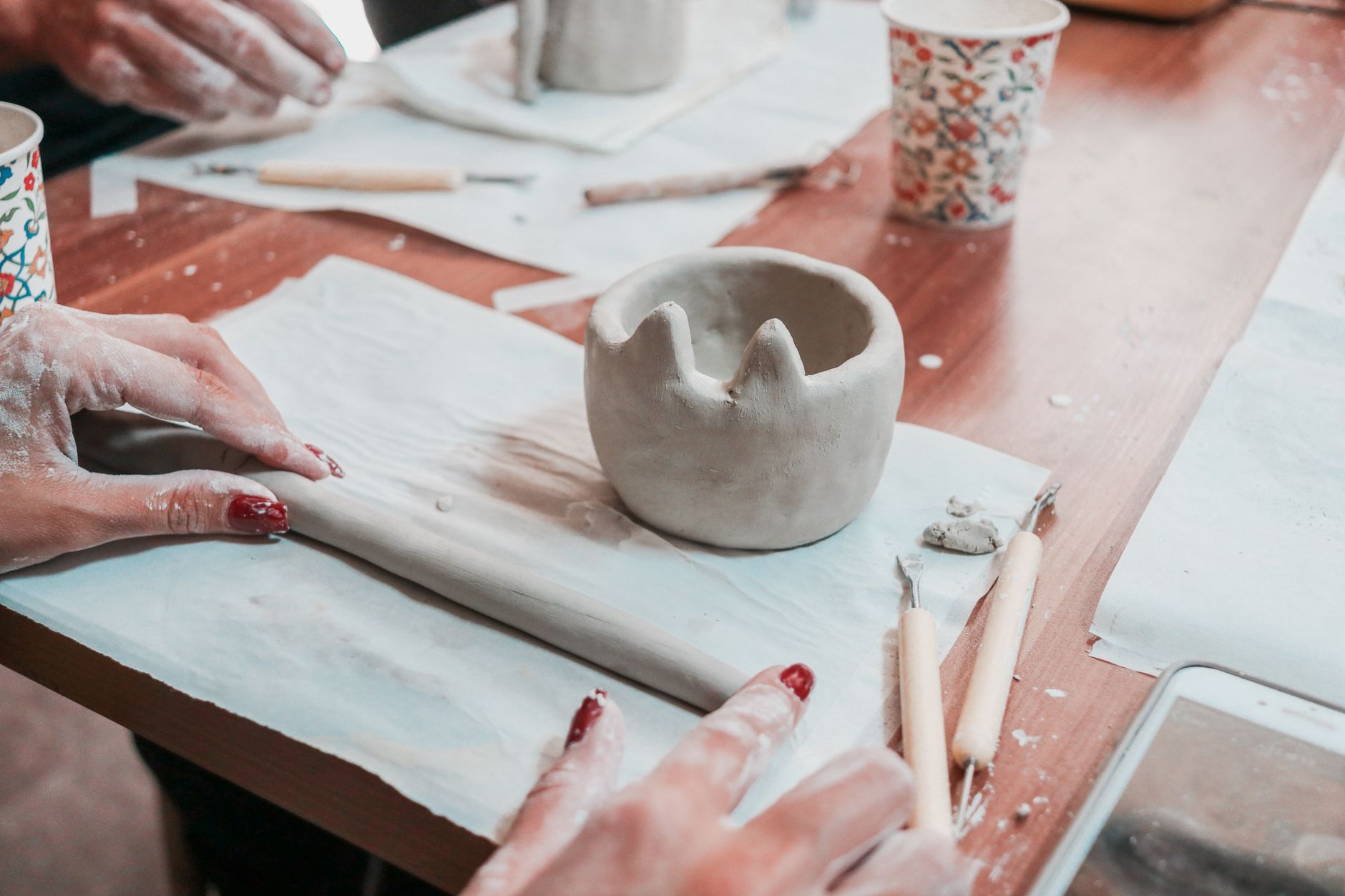
You arrive 10 minutes early; we show you the studio, introduce you to two or three other guests, and explain clay behavior in plain English. We start with wedging—pushing and folding clay to remove air bubbles—which takes five minutes and feels oddly meditative. Then you choose: hand-build a pinch pot or coil vessel, or try the wheel. On the wheel, your instructor steadies your hands as the clay spins; most people center it within 15 minutes. By hour two, you've shaped a functional bowl or vessel. We trim the base, sign it, and it goes into the kiln for firing over the next week. You collect it finished and glazed, or we can ship it if you've left the city.
Hand-builders often make dishes, small sculptures or tiles in the same timeframe. No "right" answer exists—the point is learning how clay responds to pressure, moisture and intention. Beginners frequently produce pieces strong enough to hold tea or small objects. We fire everything using a high-temperature kiln on-site; pieces are dishwasher-safe and last years.
Who is pottery right for—and who should pick something else?
Pottery suits creative people who like working with their hands: artists, architects, couples on a slow holiday, small corporate teams wanting a break from meetings. It works for ages 8–75 (we've taught both). It does not suit people with severe hand arthritis (we offer hand-building as an alternative, but the wheel requires grip strength). It's not ideal if you're only in the city one day—the full experience includes collection of the fired piece, which takes a week.
If you're interested in other makers' techniques, flower arranging workshops and art and culture classes in the city offer similar hands-on creativity in shorter timeframes. If you want to make and eat immediately, Vietnamese cooking classes might suit you better.
How does pottery in Ho Chi Minh City compare to other craft workshops?
| Craft | Duration | Skills taught | Fired piece included? | Best for |
|---|---|---|---|---|
| Pottery | 2–3 hours | Wheel or hand-building | Yes, fires over 1 week | People who want a keepsake; slow travelers |
| Ceramic painting | 1–2 hours | Glazing and detail work | Yes, fires same day or later | Families; quick souvenir makers |
| Flower arranging | 2 hours | Arrangement design, cutting, composition | No physical keepsake | Event planners; visual thinkers |
| Lacquer or wood crafts | 2–3 hours | Hand carving, finishing | Yes, same day | Detail-focused makers; gift buyers |
Pottery is slowest—you leave empty-handed—but the waiting period builds anticipation. Many guests find the week of wondering how it'll look in the kiln as rewarding as making it. Other craft workshops in the city offer faster gratification; pottery rewards patience.
What should you bring and wear to a pottery class?
Wear clothes that don't matter: clay splashes are permanent. An apron is provided. Bring water (we supply it, but many people drink more than expected). Leave jewelry and watches in your locker—metal and clay don't mix, and rings catch spinning clay. Shoes are fine; we work standing at wheels or tables. If you have long nails, trim them or tell us in advance; we'll adjust grip techniques. Bring a phone if you want photos of your piece before firing. Nothing else is needed; all clay, tools, glazes and kiln firing are included.

How do we adapt pottery for kids, seniors and specific needs?
Children (ages 8–12) get lower tables, smaller clay portions and more hand-building focus; the wheel is harder to control with short arms. We slow down and celebrate every attempt. Seniors often excel at precision work—coil-building is meditative and low-impact. For people with arthritis or reduced grip strength, hand-building replaces wheel work; results are equally beautiful.
Allergies aren't a typical pottery issue (clay is safe to touch), but if you have latex sensitivity, tell us in advance—we stock latex-free tools. If rain falls, the studio is fully enclosed; sessions run as scheduled. We've never cancelled for weather.
One regular guest with partial hand loss learned to wedge one-handed, then used a pottery wheel with the instructor steadying his forearm. The piece he threw was stronger than many two-handed efforts. We adapt based on what you tell us matters.
What actually goes wrong in pottery—and how to avoid it?
Air bubbles in clay crack pieces during firing. Solution: wedge thoroughly (we teach this every session).
Off-center clay wobbles and becomes unusable. Solution: we guide your hands the first 5–10 times; centering becomes automatic.
Thin walls collapse under their own weight. Solution: we explain wall thickness during hand-building; thin doesn't mean weak on a wheel.
Glazes crack or peel if applied too thick. Solution: we apply glazes; guests don't handle this step.
Pieces stick to the kiln if the base isn't trimmed smooth. Solution: we trim and sign every base before firing.
The most common beginner mistake: wanting perfection. Clay is uneven. A slightly lopsided bowl made by you works better than a perfect factory bowl. We remind people mid-session: "You're not making a commercial product—you're learning a skill and keeping proof of the effort."
What to check before you book
- Availability: Ask us about dates and group size on WhatsApp. Private sessions (1–2 people) book faster than group classes.
- Timing: Plan to be in Ho Chi Minh City for at least 7 days if you want to collect your fired piece. If you leave sooner, we can arrange shipping, but firing takes one week minimum.
- Physical ability: Wheel-throwing requires standing for 1–2 hours and applying steady downward and inward pressure. If that sounds uncomfortable, tell us—we'll design a hand-building session instead.
- Rainy season: Ho Chi Minh City's rainy season (May–September) doesn't affect studio sessions. The space is climate-controlled.
- Group size: Private sessions (1–2 people) feel intimate; group classes (3–6 people) are social and cheaper per person. Ask which suits your mood.
- What you take home: Your finished piece, fired and glazed. It's yours to keep, gift or ship anywhere.
For other hands-on experiences in the city, explore our farm and countryside days, group and team workshops, or wellness and slow experiences to pair with pottery. Or see how we run craft workshops across Vietnam.

FAQ
How long does it take to get my finished pottery piece?
Firing takes 5–7 days after your session. You'll collect it finished and glazed, ready to use. If you've left Ho Chi Minh City, we can ship it to your address—ask us about international postage when you book.
Do I need any experience to join a pottery class?
No. We teach beginners how to wedge, center and throw from zero. Many guests have never touched clay before. We adapt for all ages and physical abilities.
What if my pottery cracks in the kiln?
It's rare if the piece is made well, but clay is fragile. If it cracks, we fire you another piece free of charge within the same session type. We've never had a guest leave without a usable piece.
Can children under 8 join pottery?
Children 8–12 are our sweet spot—they have the focus and hand strength. Under 8, hand-building is possible but requires one-on-one guidance. Contact us to discuss your child's age and what they've made before.
Is pottery messy? Will my clothes get ruined?
Pottery is wet and earthy, not dangerous. Wear clothes you don't mind getting clay on. We provide aprons. Wash hands and forearms immediately after; clay dries but water-based clay comes out of most fabrics. Don't wear jewelry; it catches spinning clay.
What happens if it rains during my session?
We run pottery indoors in a full studio. Rain doesn't affect us at all. Humidity actually helps clay work better.
Ask about dates
Tell us the city, your dates and what you would like to try. We reply on WhatsApp in English with options and availability.
FAQ
How long does it take to get my finished pottery piece?
Firing takes 5–7 days after your session. You'll collect it finished and glazed, ready to use. If you've left Ho Chi Minh City, we can ship it to your address—ask us about international postage when you book.
Do I need any experience to join a pottery class?
No. We teach beginners how to wedge, center and throw from zero. Many guests have never touched clay before. We adapt for all ages and physical abilities.
What if my pottery cracks in the kiln?
It's rare if the piece is made well, but clay is fragile. If it cracks, we fire you another piece free of charge within the same session type. We've never had a guest leave without a usable piece.
Can children under 8 join pottery?
Children 8–12 are our sweet spot—they have the focus and hand strength. Under 8, hand-building is possible but requires one-on-one guidance. Contact us to discuss your child's age and what they've made before.
Is pottery messy? Will my clothes get ruined?
Pottery is wet and earthy, not dangerous. Wear clothes you don't mind getting clay on. We provide aprons. Wash hands and forearms immediately after; clay dries but water-based clay comes out of most fabrics. Don't wear jewelry; it catches spinning clay.
What happens if it rains during my session?
We run pottery indoors in a full studio. Rain doesn't affect us at all. Humidity actually helps clay work better.
More like this
Craft workshops
Craft Workshop in Saigon: Small Group Classes for Beginners
Cáo Experiences runs small-group craft workshops across Saigon where you learn traditional and contemporary making in intimate studio and community spaces. Sessions suit absolute beginners, families, and skill-builders.
Craft workshops
Craft workshop in Saigon for couples: what to choose
Couples in Saigon have three main craft paths: ceramics in a family studio, natural-dye silk painting, or bamboo weaving. Each teaches differently and suits different moods.
Craft workshops
Craft Workshop in Hoi An: What to Expect Step by Step
A craft workshop in Hoi An with Cáo Experiences is a half or full-day session where you learn a traditional Vietnamese skill—lantern-making, silk painting, woodblock printing, or lacquerware—in a working studio or family workshop. You leave with a finished piece you made yourself.