
Home › Blog › Craft workshops
Best pottery class in Saigon: a hands-on guide
By the Cáo Experiences team · 2026-11-06
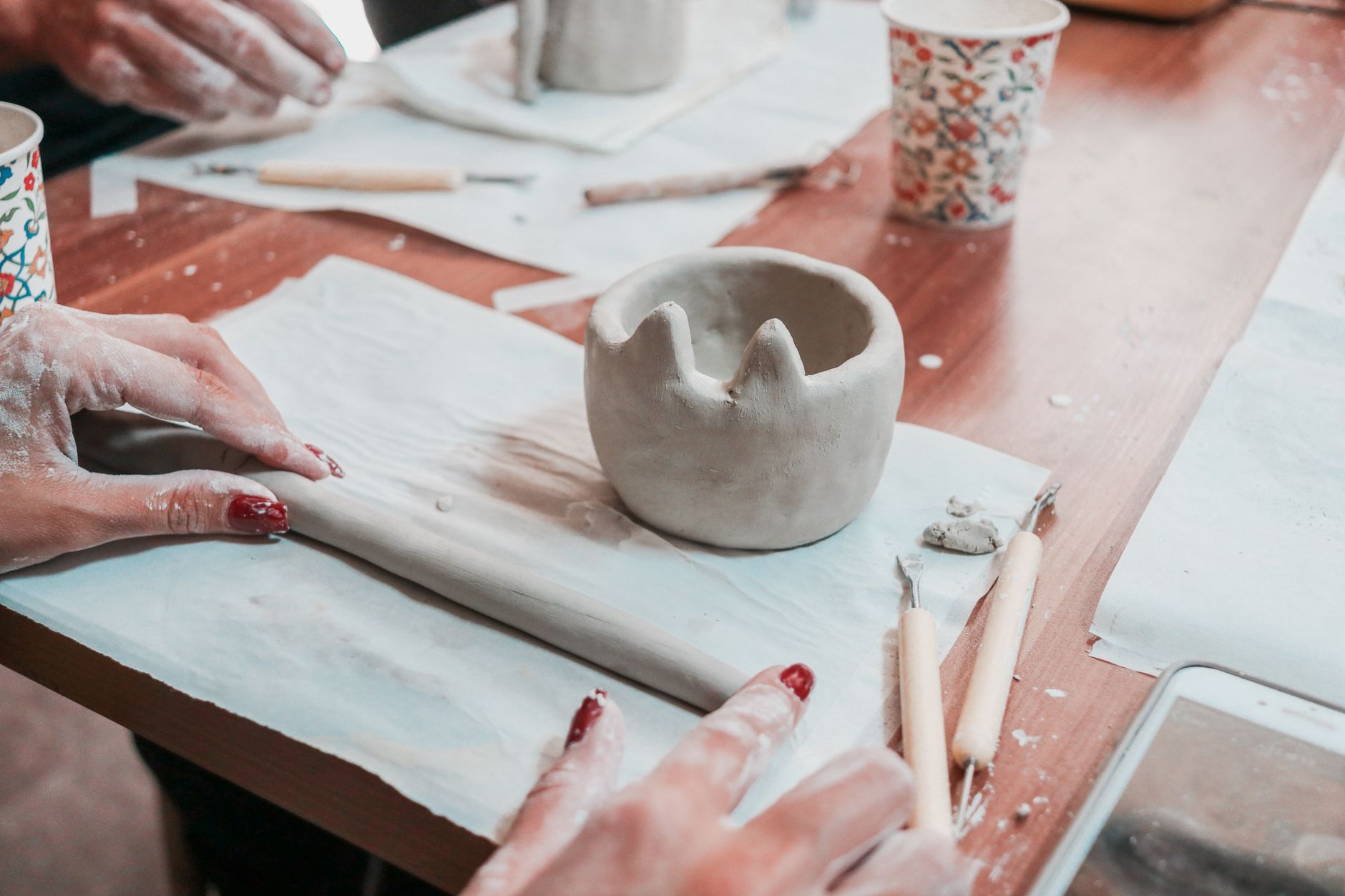
At Cáo Experiences, we host pottery classes in a family-run studio in a quiet lane off the old quarter, where natural light floods the wheel stations. A typical session runs three hours. You learn hand-building and wheel-throwing from a working potter; we provide all clay, tools, and firing (pots go back to the kiln after you leave). Beginners worry about control and mess—we start with hand techniques, move to the wheel only if you're ready, and yes, clay washes out. Sessions suit solo travelers, couples, families with kids aged 10+, and groups. Rain doesn't stop us; the studio is covered. We adapt for allergies (clay dust concerns: we wet-spray the workspace) and mobility (hand-building at a table if wheel access is tricky). Ask us for dates and a quote on WhatsApp—we coordinate everything via message and confirm firing pickup or shipping before you arrive. Ask about dates on WhatsApp
What makes Saigon pottery different from other craft workshops?
Pottery in Vietnam has deep roots in village traditions—Bat Trang, just outside Hanoi, remains famous for it. In Saigon, studio-based classes are newer and more intimate. We work in a family setting, not a factory or tourist farm. The difference: you're learning from someone who throws daily for their own work, not leading a rotation through stations. You'll see their finished pieces drying and firing alongside yours. That context—making something real in a real workspace—changes how you listen and practice.

Who should take a pottery class, and who shouldn't?
Pottery suits: solo travelers seeking a meditative skill, couples wanting a shared creative activity, families with kids aged 10+ (younger kids can hand-build but wheel work requires focus), groups of friends booking private sessions, people recovering from burnout (clay centering is calm), expats settling into Saigon looking for a local craft anchor.
Skip it if: you have severe hand tremors or arthritis affecting grip (we can adapt, but you'd be frustrated), you have a phobia of getting dirty (clay splashes), you need a quick souvenir (pots take days to dry and fire—you collect them later or we ship). If you want to buy finished pottery instead, the Quang Ba flower market and Ben Thanh market both stock local ceramics.
How does hand-building compare to wheel-throwing?
Hand-building teaches form first—you're not fighting physics. You pinch, coil, slab, and carve. It's quieter, less intimidating, and you can make a finished piece in one session. Wheel-throwing looks dramatic and feels magical the first time clay centers, but it requires muscle memory. Most beginners throw a wonky bowl, laugh, and feel proud anyway.
| Technique | Time to learn | First-session success rate | Best for | Physical demand |
|---|---|---|---|---|
| Hand-building | 20 minutes | 95% (finished piece) | all ages, nervous beginners, sculptors | low (hands, wrists) |
| Wheel-throwing | 45–90 minutes | 60% (usable shape) | adults 16+, repeaters, detail-lovers | medium (core, arms) |
| Combination (both) | full 3 hours | 85% (2 pieces, mixed) | curious people, longer blocks | medium |
We mix both in standard sessions unless you request one focus. Hand-building opens the door; many guests ask to book a second class to master the wheel.
What happens to your pot after class ends?
You leave it at the studio. We dry it slowly (rushed drying cracks pots). After 5–7 days, it goes into a kiln firing at 1200°C. You collect it finished, glazed, and food-safe—or we arrange shipping if you've left Saigon. This matters: your pot is fragile until fired. Don't expect to carry it on the plane same-day. We'll give you a ceramic care card and contact you once it's ready.
How do you choose between private and group sessions?
Group sessions (3–6 people) cost less per head, suit travelers meeting other guests, and feel collaborative. You share wheels and material. A group session runs the same three hours but with more waiting time between turns.
Private sessions (1–2 people) are pricier but faster—you get a wheel to yourself, 1:1 feedback, and control the pace. Couples often book private; families with young kids do too (no waiting, fewer distractions). If you're bringing a non-English speaker, private also lets us slow down without holding back others.
Both include tea, all materials, and firing. Group dates run on a set schedule (ask us for the calendar). Private sessions flex to your timezone and energy level. Neither is "better"—private suits learners who want depth; group suits explorers who want company.
How do you adapt pottery for kids, seniors, and people with allergies?
Kids aged 10–14: They do hand-building and slab work beautifully. Wheel-throwing is risky (long hair, loose sleeves catch)—we skip it unless the child is 15+ and focused. We use kid-friendly, non-toxic clay. Sessions run 2 hours instead of 3. Parents can join or sit in the courtyard with tea.
Seniors: Wheel-throwing stresses the lower back (you lean forward). We offer chair-based hand-building and tabletop techniques instead. Arthritis in hands? No problem—we adjust tool grip and clay softness. We take breaks. Tea and rest are built in.
Dust/respiratory concerns: Clay dust is minimal (we wet-spray the studio), but if you're asthmatic or sensitive, tell us before booking. We can source clay-free alternatives (air-dry sculpting compound) or arrange breathing support. No guessing.
Nut allergies, vegan needs: Our tea and snacks are simple (loose-leaf tea, fruit, rice crackers). Tell us what you avoid; we'll bring something safe or ask you to bring your own.
The studio is open-air with good ventilation. It stays cool even in summer. Rain triggers a move to the covered clay station, but you'll still get wet, so wear clothes you don't mind staining.
What should you check before booking a pottery class?
- Firing timeline. Your pot won't be ready same-day. Confirm the kiln schedule and how you'll collect (return to studio, shipping, donation). Some visitors only want to learn and leave—clay work demands patience.
- Studio location and access. Ask where in Saigon and whether it's wheelchair-accessible or has stairs. Our studio is in a lane; no lift, but ground level. Some studios are on upper floors.
- Pottery class size and schedule. How many people, what days/times, how long? A group of 10 feels very different from 4.
- What's included and what costs extra. Firing, materials, tea should all be in the base quote. Some places charge per firing or upcharge for glazes. We're all-in; no hidden costs.
- Your skill and expectations. Are you learning for fun or building toward a portfolio? A one-off class won't make you a potter, but it'll teach you the feel and respect clay demands. If you want ongoing skill-building, ask about repeat bookings and payment options.
- Cancellation and weather. Ask the studio's policy if you need to reschedule. We're flexible (Saigon heat and monsoon are real); rain alone won't cancel you, but illness should.
For a broader look at craft workshops in Saigon beyond pottery, see our full craft workshops range. If you're drawn to hands-on making but want variety, flower arranging and art and culture classes also run in the city. For a full Saigon experience that includes food and craft, many guests pair pottery with our Vietnamese cooking class or street food and market tour in the same trip.
See how a session runs
What to check before you book
- Fit: Do you want one experience or ongoing classes? Is wheel work or hand-building your draw?
- Logistics: Can you collect your pot in a week, or do you need shipping? Some studios won't ship; we will.
- Group size: Are you solo, a couple, or a group? Price and vibe change with size.
- Timeline: Pottery takes time. Don't book if you leave Saigon in two days unless hand-built pieces you take unfinished suit you.
- Adaptations: Allergies, mobility, age, or anxiety? Mention before booking, not on arrival.

FAQ
Can I take my pottery home the same day?
No. Clay must dry slowly, then fire in the kiln (several days total). You collect it finished or arrange shipping. Unfinished pots can travel wet if wrapped well, but they'll crack unless properly dried and fired later. Hand-built pieces can dry faster if kept in a cool place, but wheel-thrown work needs the kiln cure.
What if I've never done pottery before?
That's the norm at our studio. We start with hand-building—pinching and coiling—so you feel success in the first hour. The wheel comes after if you want it. Nobody expects skill; we expect curiosity.
How is pottery different from other craft workshops in Saigon?
Pottery is tactile, meditative, and leaves you with a usable object (a bowl, cup, or sculpture). Unlike flower arranging, which is visual and ephemeral, or art and culture classes, which might focus on technique or history, pottery is about centering yourself through material. You get clay under your nails and quietness in your mind.
Do you offer group discounts or team bookings?
Yes. Larger groups (8+) usually get better rates per head. See our group and team experiences page or ask us on WhatsApp for a custom quote.
What's the best time of year to take a pottery class in Saigon?
October to March (cool, dry months) are most comfortable. Summer (May–September) is hot and humid; the studio gets steamy, and clay dries unevenly. Rain in monsoon season doesn't stop us, but humidity slows drying. No "bad" time, just trade-offs.
How do pottery classes fit with other Saigon experiences?
Many guests pair pottery with Vietnamese cooking classes or coffee workshops to spend a full creative day. Some book pottery as a slow, meditative anchor between busier tours. Ask us about combining experiences in one trip. Ask about dates on WhatsApp
Ask about dates
Tell us the city, your dates and what you would like to try. We reply on WhatsApp in English with options and availability.
FAQ
Can I take my pottery home the same day?
No. Clay must dry slowly, then fire in the kiln (several days total). You collect it finished or arrange shipping. Unfinished pots can travel wet if wrapped well, but they'll crack unless properly dried and fired later. Hand-built pieces can dry faster if kept in a cool place, but wheel-thrown work needs the kiln cure.
What if I've never done pottery before?
That's the norm at our studio. We start with hand-building—pinching and coiling—so you feel success in the first hour. The wheel comes after if you want it. Nobody expects skill; we expect curiosity.
How is pottery different from other craft workshops in Saigon?
Pottery is tactile, meditative, and leaves you with a usable object (a bowl, cup, or sculpture). Unlike [flower arranging](/flower-arranging), which is visual and ephemeral, or [art and culture classes](/art-classes), which might focus on technique or history, pottery is about centering yourself through material. You get clay under your nails and quietness in your mind.
Do you offer group discounts or team bookings?
Yes. Larger groups (8+) usually get better rates per head. [See our group and team experiences page](/group-and-corporate) or ask us on WhatsApp for a custom quote.
What's the best time of year to take a pottery class in Saigon?
October to March (cool, dry months) are most comfortable. Summer (May–September) is hot and humid; the studio gets steamy, and clay dries unevenly. Rain in monsoon season doesn't stop us, but humidity slows drying. No "bad" time, just trade-offs.
How do pottery classes fit with other Saigon experiences?
Many guests pair pottery with [Vietnamese cooking classes](/cooking-class) or [coffee workshops](/coffee-workshop) to spend a full creative day. Some book pottery as a slow, meditative anchor between busier tours. [Ask us about combining experiences](/contact) in one trip. [💬 Ask about dates on WhatsApp](https://wa.me/84338762340)
More like this
Craft workshops
Craft Workshop in Saigon: Small Group Classes for Beginners
Cáo Experiences runs small-group craft workshops across Saigon where you learn traditional and contemporary making in intimate studio and community spaces. Sessions suit absolute beginners, families, and skill-builders.
Craft workshops
Craft workshop in Saigon for couples: what to choose
Couples in Saigon have three main craft paths: ceramics in a family studio, natural-dye silk painting, or bamboo weaving. Each teaches differently and suits different moods.
Craft workshops
Craft Workshop in Hoi An: What to Expect Step by Step
A craft workshop in Hoi An with Cáo Experiences is a half or full-day session where you learn a traditional Vietnamese skill—lantern-making, silk painting, woodblock printing, or lacquerware—in a working studio or family workshop. You leave with a finished piece you made yourself.