
Home › Blog › Street food and market tours
Best Street Food Tour in Hue: What to Choose, Who It's For
By the Cáo Experiences team · 2026-11-06
A street food tour in Hue walks you through old quarters and local markets to eat breakfast cakes, grilled seafood, and noodle soups made fresh at family stalls—the kind locals queue for. Hue's imperial history means food carries ceremony: a single bowl often takes years to perfect. Tours run 2–3 hours (breakfast) or 3–4 hours (lunch/evening), led by English-speaking hosts who know vendors by name. At Cáo Experiences, we design street food and market tours where you stop at 6–8 stops, taste 10+ dishes, and learn why a vendor's grandmother's recipe still draws crowds. Tours suit small groups, families with teenagers, and solo travelers; we adapt portions and spice for kids, allergies, and vegetarians. Cost basis varies by group size and season—ask us for dates and a quote on WhatsApp. Avoid tours that skip conversation with vendors or rush between stops; the food matters less than understanding why it's been made the same way for 20 years. Ask about dates on WhatsApp
What Happens Hour by Hour on a Hue Street Food Tour?
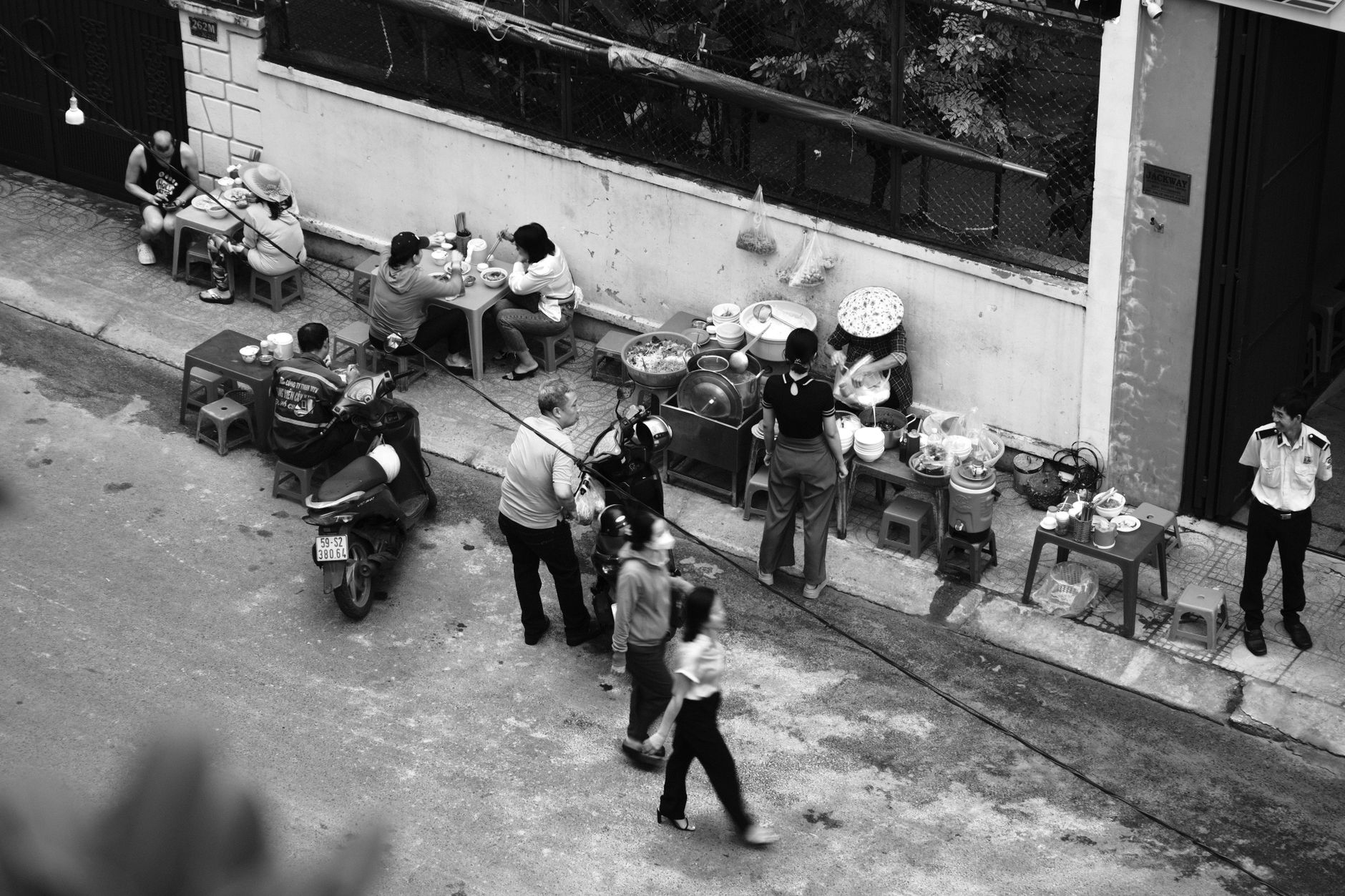
Most tours start at 6:30 or 7 a.m., when Hue's breakfast vendors are still setting up. You meet your host near a central lane and walk into the old quarter. The first stop is usually a banh hoai stall—a round, crispy cake made only in Hue, fried to order. You watch the cook work the pan, ask why the batter sits overnight, taste it warm with shrimp and pork inside. By 7:30 a.m. you've moved to a noodle soup spot where the broth has simmered since 4 a.m. You sit on a plastic stool, slurp, and learn the difference between three regional broths. At stop three, you're at a fruit or coffee stand for a palate cleanser or a Vietnamese coffee workshop moment if you're interested. By 9 a.m. you've covered six stops, eaten more than you expected, and talked to vendors about their children, their rent, their suppliers. The tour ends when you're full, usually at a quiet cafe where you debrief. Afternoon tours (starting 4 p.m.) focus on snacks and grilled food; evening tours add seafood stalls near the river.
What Food Actually Gets Tasted, and How Much?
A typical itinerary includes: one savory cake, two noodle soups (different styles), one grilled meat skewer, one seafood dish (shrimp cake or grilled squid), one vegetable or herb-based dish, and one sweet ending (iced dessert or sticky rice). That's 7–8 dishes per person, shared between 2–4 stops. Portions are small—a soup bowl is 8 oz, a cake is the size of your palm—so you eat steadily without feeling overfed by hour two. Vegetables and herbs arrive in every dish; if you dislike cilantro or mint, your host flags that at the start. Vegetarian guests eat at the same stalls; vendors offer tofu soups, herb plates, and vegetable cakes without fuss. Spice levels vary: some broths are mild, some carry chili oil on the side. Kids aged 8+ usually manage all stops; under 8, we suggest shorter tours or skipping one or two stalls. Allergies (peanuts, shellfish, gluten) are communicated to vendors in advance—most have prepared alternatives. No one leaves hungry; many guests say they eat more than at a sit-down restaurant because the food is so light.
How Do Small-Group Tours Differ from Private or Larger Groups?
Small-group tours (4–6 people) let you move at a natural pace and ask vendors questions without feeling rushed. A private tour (your group, your timing) costs more but means your host adapts stops based on what interests you—if you want to spend 20 minutes at one stall learning how to roll spring rolls, you can. Larger group tours (8+ people) split vendors' attention and can feel crowded at narrow stalls. They're cheaper per person but less intimate. For couples or solo travelers, small-group tours are the only way to meet other travelers and locals. For families with kids, private tours let you leave early if a child gets tired, and you don't feel pressured to keep up. For corporate groups, we run group and team experiences that include a debrief and shared learning. There's no "better" option—it depends on your budget, energy, and whether you want community or control. Ask us which suits your group.
When Should You Take a Tour: Breakfast, Lunch, or Evening?
Breakfast tours (6:30–9 a.m.): Best if you want to see vendors at their busiest and eat what locals eat first thing. The air is cooler, the streets are quieter, and the food is freshest. Vendors have made broth overnight and cakes are still warm. Suits early risers, solo travelers, and anyone on a tight schedule.
Lunch tours (11 a.m.–2 p.m.): Harder for us to schedule because vendors often close between 10 a.m. and 11 a.m. or serve lunch only at sit-down spots. Less common but possible if you prefer a slower morning.
Afternoon/evening tours (4–7 p.m.): Start as vendors set up for dinner. You taste grilled seafood, sticky rice with pork, and snacks meant to pair with beer. The light is golden, the streets fill with families, and the mood is relaxed. Suits groups who want to combine a tour with evening drinks or dinner afterward. Late tours (after 7 p.m.) risk vendors closing or running low on stock.
Seasonal note: July–August is hot and humid; morning tours suit this best.
What Should You Check Before Booking a Street Food Tour?
| Factor | What to ask | Why it matters |
|---|---|---|
| Group size | How many people tour together? | Small (4–6) feels intimate; large (10+) feels rushed. |
| Timing | Is the start time flexible? Can you leave early? | Kids or early sleepers need exit options. |
| Dietary needs | Do vendors offer vegetarian, gluten-free, or allergen swaps? | Not all stalls can adapt; confirm in advance. |
| Language | Is the host a native English speaker? | Matters for vendor stories and nuance; ask about their background. |
| Route | How many stops, and which neighborhoods? | Old quarter tours differ from river or suburb routes. |
| Inclusions | Water, napkins, wet wipes included? | Street eating is messy; clarify what you get. |
| Weather plan | What if it rains? Do you reschedule or adapt? | Monsoon months (Sept–Oct) need contingencies. |
| Pacing | How long at each stop? Rushed or leisurely? | Some hosts teach you to cook one dish; others keep moving. |
What to avoid: Tours that skip conversation with vendors, claim "secret" spots everyone knows, or promise you'll eat at a restaurant instead of stalls. Tours that don't disclose group size upfront. Hosts who don't speak English fluently enough to translate vendor stories.

Why Combine a Street Food Tour with a Cooking Class?
After a street food tour, you understand why Hue cooks the way they do. A Vietnamese cooking class lets you replicate that knowledge in a home kitchen. Many guests book a tour on day one, then cook the same dishes on day two in a family kitchen off the old quarter. You buy ingredients at the market your host showed you on the tour, then prepare banh hoai, a noodle soup, and a vegetable dish under guidance. The recipes feel less mysterious once you've met the vendor and tasted their version. This pairing suits travelers staying 3+ days and families who want to deepen the experience. It also works for groups splitting a private tour and class back-to-back.
Another pairing: a street food tour with a tea experience or coffee workshop. Hue has its own tea gardens and coffee traditions, and we can arrange a tour that includes a stop at a tea stall or coffee vendor, then a deeper dive into preparation and sourcing elsewhere.
What's the Honest Reality of Street Food Tours?
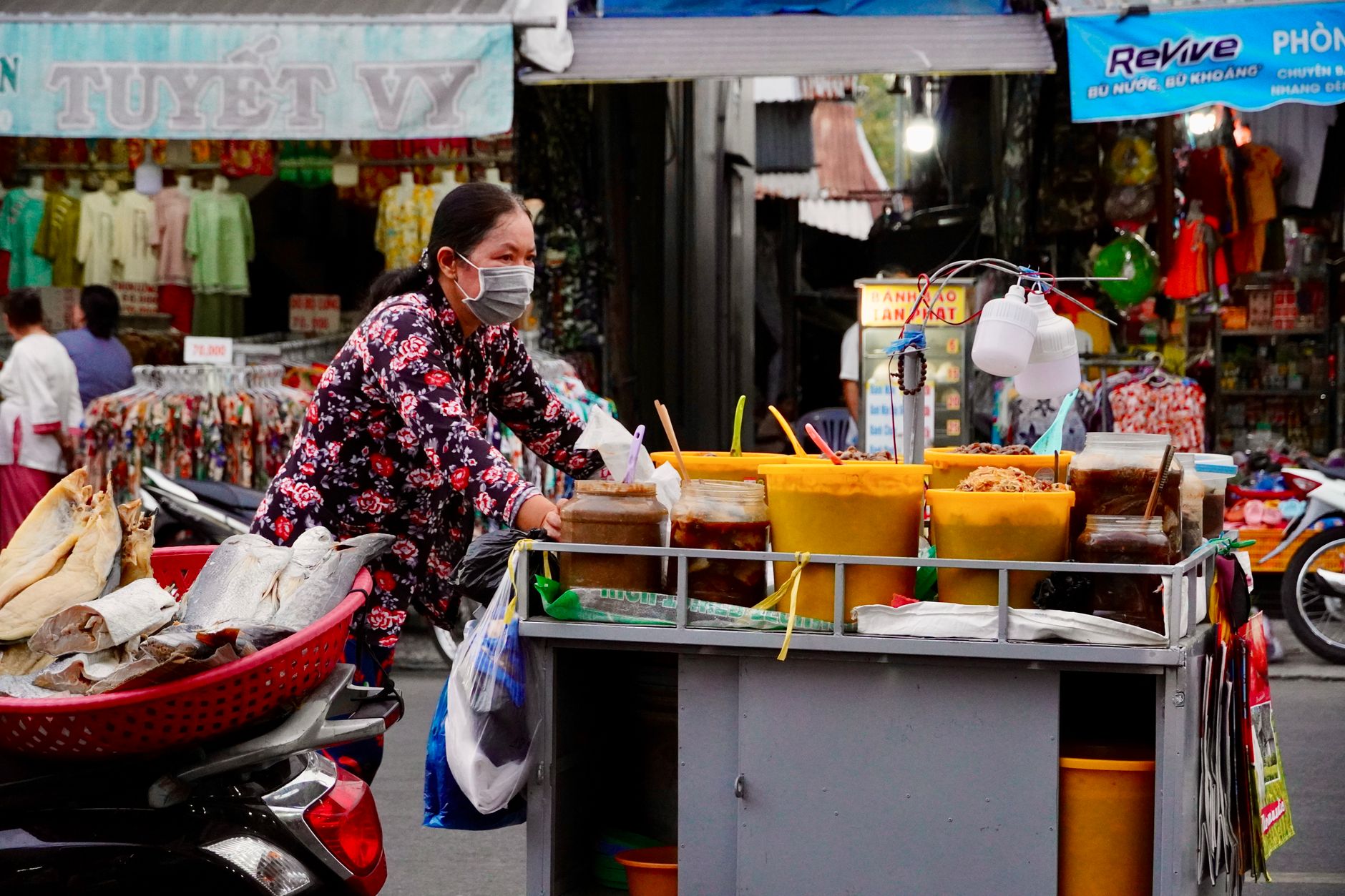
You will get very full very fast. After three stalls, your stomach fills even though you've only eaten a few ounces of food—everything is rich, salty, or sweet. By stop six, you're eating partly out of curiosity and partly out of commitment. This is normal and good; it teaches you to eat mindfully, the way locals do: small amounts, frequent stops, long pauses. You will get dirty. Eating a grilled skewer or a soup at a plastic stool with napkins the size of tissues is messy. Bring a light scarf or accept grease on your sleeve. You might encounter live animals at markets (chickens, crabs) if your tour includes a market stop; mention if this upsets you. Rain is common; tours don't cancel in light rain (vendors stay open), but heavy downpours mean a reschedule or a shift to covered stalls. Most vendors don't speak English; your host translates but can't conduct long interviews. The biggest limitation: you taste a lot but spend little time at any one stall. If you want to spend an hour learning one dish, a private cooking class is better than a tour.
See how a session runs
How to Decide: Tour vs. Class vs. Market Visit
Choose a tour if: You're in Hue 1–2 days, want variety, prefer walking and tasting over cooking, enjoy meeting other travelers, and have a flexible stomach. Tours give you a snapshot of Hue's food culture.
Choose a class if: You have 3+ hours, want to replicate recipes at home, prefer hands-on learning, and are staying 2+ days. Classes are deeper and slower.
Choose a market visit alone if: You're cooking yourself, want to shop independently, or prefer unguided exploration. Markets are free but you miss vendor stories and context.
Combine all three if: You're staying a week, passionate about food, and want breadth and depth. This is ideal for food writers, culinary professionals, or deep learners.
Before You Book: Key Questions to Ask Us
- Dates: When are you in Hue? We schedule weekly and fill fast in peak season.
- Group size: Are you solo, a couple, a family, or a larger group? We tailor pacing and stops accordingly.
- Dietary needs: Vegetarian, vegan, allergies, or religious restrictions? Mention all before we confirm.
- Fitness level: Are you comfortable walking 1–2 hours on uneven streets? Can anyone in your group not walk far?
- Language: Do you need a native English speaker, or is intermediate English okay?
- Budget: Prices vary by group size, season, and whether you prefer a small-group or private tour. Ask us for a quote.
FAQ
Will I actually like the food if I'm a picky eater?
Most dishes are mild and familiar—noodles, broth, grilled meat. The challenge is unfamiliar textures (organ meats, sticky rice) not heat. Tell your host your preferences; they skip or modify stops. Kids and cautious eaters usually surprise themselves and eat everything.
How much does a street food tour actually cost?
Pricing varies by group size, season, and duration. Ask us on WhatsApp for a quote tailored to your dates and group. We don't list prices publicly because they change based on demand.
Can I do a tour if I'm vegetarian?
Yes. All our tours include vegetarian stops—tofu soups, herb cakes, noodles with vegetables, fresh spring rolls. Vendors prepare them without fish sauce or meat stock if you request. Tell us in advance so we plan the route accordingly.
What if it rains during the tour?
Light rain doesn't cancel; vendors stay open and many stalls have roofs. Heavy rain means we reschedule or move to covered market stalls. We'll confirm a backup date or time before you book.
Is a tour better than eating on my own at random stalls?
A tour gives context, vendor stories, and insider stops locals know. Eating alone, you find good food but miss the why—why one soup tastes better, how vendors compete, what's seasonal. Tours are faster, safer, and more educational. Solo exploration is cheaper and more spontaneous. Both are valid.
How do I book, and can I customize the tour?
Contact us on WhatsApp with your dates, group size, and preferences. We'll propose a route and timing, then adjust. All tours are semi-customizable; fully private tours offer complete flexibility.
Ask about dates
Tell us the city, your dates and what you would like to try. We reply on WhatsApp in English with options and availability.
FAQ
Will I actually like the food if I'm a picky eater?
Most dishes are mild and familiar—noodles, broth, grilled meat. The challenge is unfamiliar textures (organ meats, sticky rice) not heat. Tell your host your preferences; they skip or modify stops. Kids and cautious eaters usually surprise themselves and eat everything.
How much does a street food tour actually cost?
Pricing varies by group size, season, and duration. Ask us on WhatsApp for a quote tailored to your dates and group. We don't list prices publicly because they change based on demand.
Can I do a tour if I'm vegetarian?
Yes. All our tours include vegetarian stops—tofu soups, herb cakes, noodles with vegetables, fresh spring rolls. Vendors prepare them without fish sauce or meat stock if you request. Tell us in advance so we plan the route accordingly.
What if it rains during the tour?
Light rain doesn't cancel; vendors stay open and many stalls have roofs. Heavy rain means we reschedule or move to covered market stalls. We'll confirm a backup date or time before you book.
Is a tour better than eating on my own at random stalls?
A tour gives context, vendor stories, and insider stops locals know. Eating alone, you find good food but miss the *why*—why one soup tastes better, how vendors compete, what's seasonal. Tours are faster, safer, and more educational. Solo exploration is cheaper and more spontaneous. Both are valid.
How do I book, and can I customize the tour?
Contact us on WhatsApp with your dates, group size, and preferences. We'll propose a route and timing, then adjust. All tours are semi-customizable; fully private tours offer complete flexibility.
More like this
Street food and market tours
Best Street Food Tour in Sapa: What to Expect, How to Choose
Street food tours in Sapa connect you with hill-town cooks and night markets. We'll walk you through what these sessions offer, who they're for, and how to avoid common missteps.
Street food and market tours
Best Food Walking Tour in Vietnam: Hanoi Street Food Guide
A food walking tour in Vietnam immerses you in bustling markets and street lanes where vendors have cooked the same dishes for decades. We show you what to taste, how to order, and the stories behind each bite.
Street food and market tours
Best Food Tour in Ho Chi Minh City: What to Expect
A street food tour in Ho Chi Minh City immerses you in local markets and laneways where vendors have cooked the same dishes for decades. We run small-group and private sessions that move at your pace, with translation and stops chosen by what you're curious about—not a fixed script.