
Home › Blog › Farm and countryside days
Buffalo Riding Experience in Da Nang for Foreigners
By the Cáo Experiences team · 2026-11-06
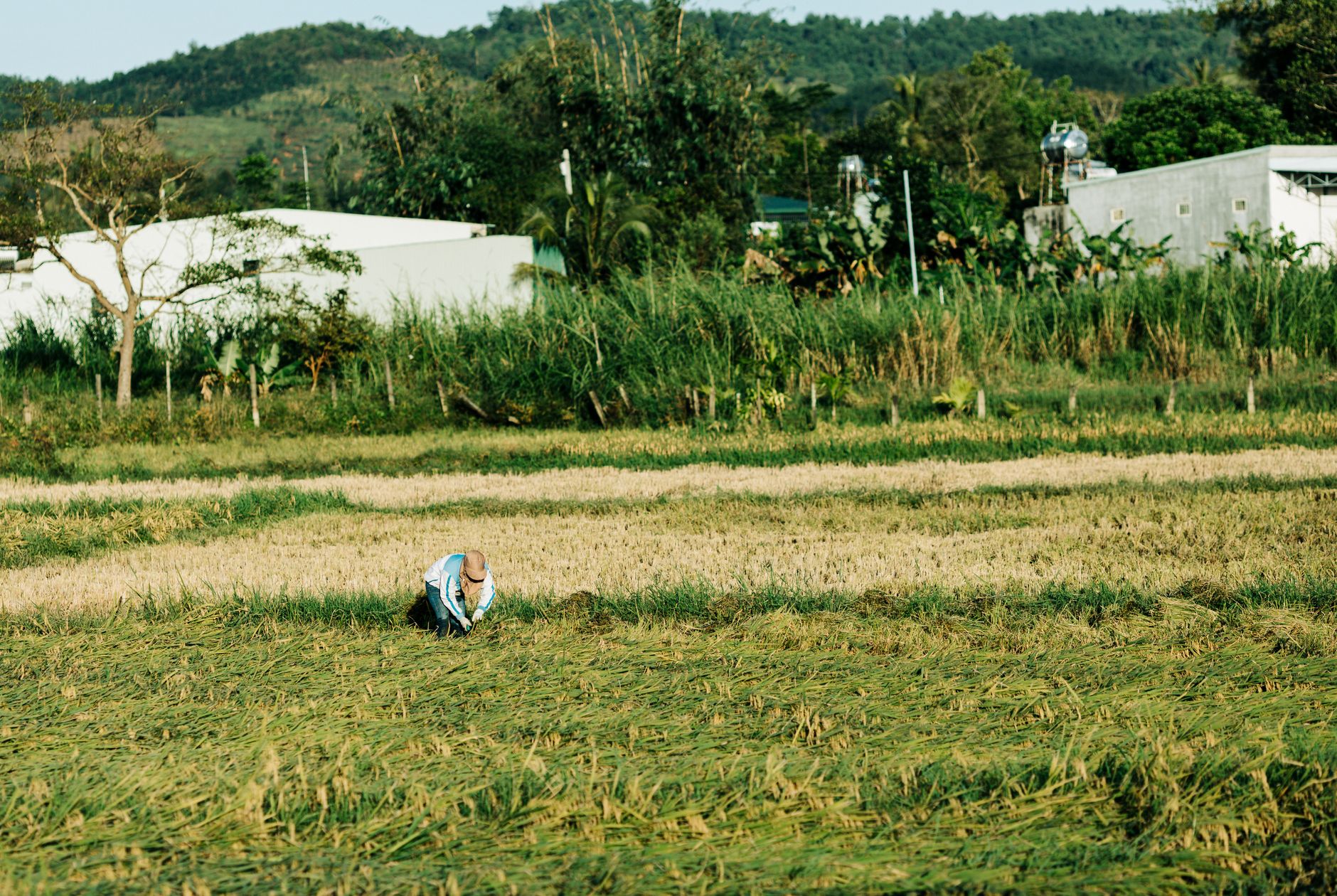
A buffalo riding experience with Cáo Experiences runs 3–4 hours and takes place on family farms in the valleys and paddies outside Da Nang's urban center. You're paired with a water buffalo and a local guide who walks alongside; no saddle or stirrups—you sit on the buffalo's back, feeling its warm hide and the rhythm of its gait through rice fields or along riverbanks. We offer group sessions (4–8 riders) or private bookings for couples and families. Beginners worry most about falling (it's slower than you fear, and handlers brief you on balance and grip), slippery conditions after rain (we reschedule or adjust the route), and whether you'll feel safe (our guides have worked with the same buffalo herds for years). The experience includes a walk through the farm, time with the handlers, and often a simple meal or drink in a local home.
Why do buffalo rides feel so different from horse riding?
Buffalo are built lower to the ground, wider in the back, and slower—you feel each step, not a trot. Water buffalo are also herbivores with gentler temperaments; they're used to farm work, not trained for speed. On a horse, you sit higher, move faster, grip with stirrups. On a buffalo, you balance on muscle, lean into turns, and the pace lets you absorb the landscape. If you've ridden horses before, you'll notice the stability comes from width, not momentum. First-timers find it less intimidating because there's no illusion of speed—you're moving at walking pace, which means you can actually look around and talk.

What does a typical session look like hour by hour?
We pick you up from your Da Nang hotel or meet you at the farm entrance (usually outside town, accessible by car). The first 20 minutes: you meet the buffalo, learn its name and habits, watch how handlers lead it. Then you mount with our guide's help—they steady the buffalo and support your leg while you swing onto its back. Hours 1–2: riding through paddies, along water channels, maybe into a light forest. Handlers stay close, leading the buffalo by a rope halter. You stop once to rest the animal and see a local family's workshop or home kitchen. Hour 2–3: return journey, often slower, with time to ask handlers questions. Final 30 minutes: you dismount, wash up if muddy, and sit with the handlers or family for tea, water, or a light snack. Total: about 3 hours on or near the buffalo.
Who is this experience really for?
| Traveler type | Session fit | What to expect | Why it works |
|---|---|---|---|
| Solo travelers | Group ride | 4–8 people, shared stories | You meet others; handlers manage pacing for mixed fitness |
| Couples | Private | 1–2 hours, just you two | Slow, intimate, plenty of photo stops |
| Families with kids (5+) | Private or small group | Kids often ride in pairs; slower pace | Buffalo tolerant of children; handlers brief kids beforehand |
| Seniors (mobile) | Private | 2.5 hours, frequent stops | Handlers adjust route for knees and balance; buffalo less spooky than horses |
| First-time riders | Either | Beginner-friendly instruction | No prior horse experience needed; handlers stay present |
| People afraid of animals | Not ideal | Better to explore farm and countryside experiences first | Recommend a walking farm day or craft workshops instead |
The biggest misconception: buffalo riding is only for adventure seekers. It's actually for people who want to sit still, slow down, and feel one animal's steady heartbeat beneath them. If you're an adrenaline rider, you'll feel bored. If you're a photographer or writer, you'll find it meditative.
What should you wear and bring?
Wear loose cotton pants or shorts that reach past your knees (so your legs don't burn on the buffalo's hide in midday sun). Avoid white or light colors—mud splashes. Closed-toe shoes with grip (not flip-flops) are best; some people go barefoot if the farm is dry, but slippers or water sandals are safer. Bring sunscreen, a hat, and a small backpack with water and a camera. Leave valuables in your hotel. If you wear glasses, consider a strap or switch to contacts (you won't want to lose them on the ride). Avoid heavy jewelry. On rainy or very hot days, we adjust the timing or route—you stay safer and the buffalo stays cooler. Most farms provide a simple lunch or snack; tell us about allergies or dietary choices when you book, and we brief the family ahead of time.
How do we adapt for rain, allergies, and skill gaps?
Rain: If light rain comes during a booked session, the ride continues—paths are muddy but passable, and the buffalo loves it. Heavy rain? Allergies: Tell us before your session. Most farms have basic First Aid; if you're allergic to animal dander, buffalo rides may not suit you. We recommend tea experiences or flower arranging as alternatives. Fitness and skill: Handlers assess you at the start. If you're not confident, they shorten the ride, walk closer beside you, or teach you grounding techniques (holding the rope, breathing into the buffalo's rhythm). Kids under 5 usually ride with a parent; kids 5–12 often ride in pairs. Seniors ride shorter routes, with more rest stops. No one leaves a session feeling rushed or unsafe—that's on us to manage.
What to check before you book
- Group size preference: Do you want solo riders, couples, or a full group of 6–8? This affects pacing and social dynamic.
- Time of day: Morning sessions are cooler; afternoon rides can be hot. Rain is likelier in early afternoon in Da Nang's wet season.
- Physical ability: Can you walk for 15 minutes without a break? Can you swing your leg over a 5-foot-high object? If unsure, email us or call.
- Dietary needs: Alert us to allergies or preferences. Most farm families offer simple rice, vegetables, or eggs—let them know in advance.
- Camera: Bring a waterproof case or phone pouch. Handlers are used to photo stops but won't wait endlessly.
- Transportation: Confirm how you're getting to the farm. Our hosts can advise on the nearest public stop or help arrange pickup.
How does buffalo riding fit into a broader Da Nang itinerary?
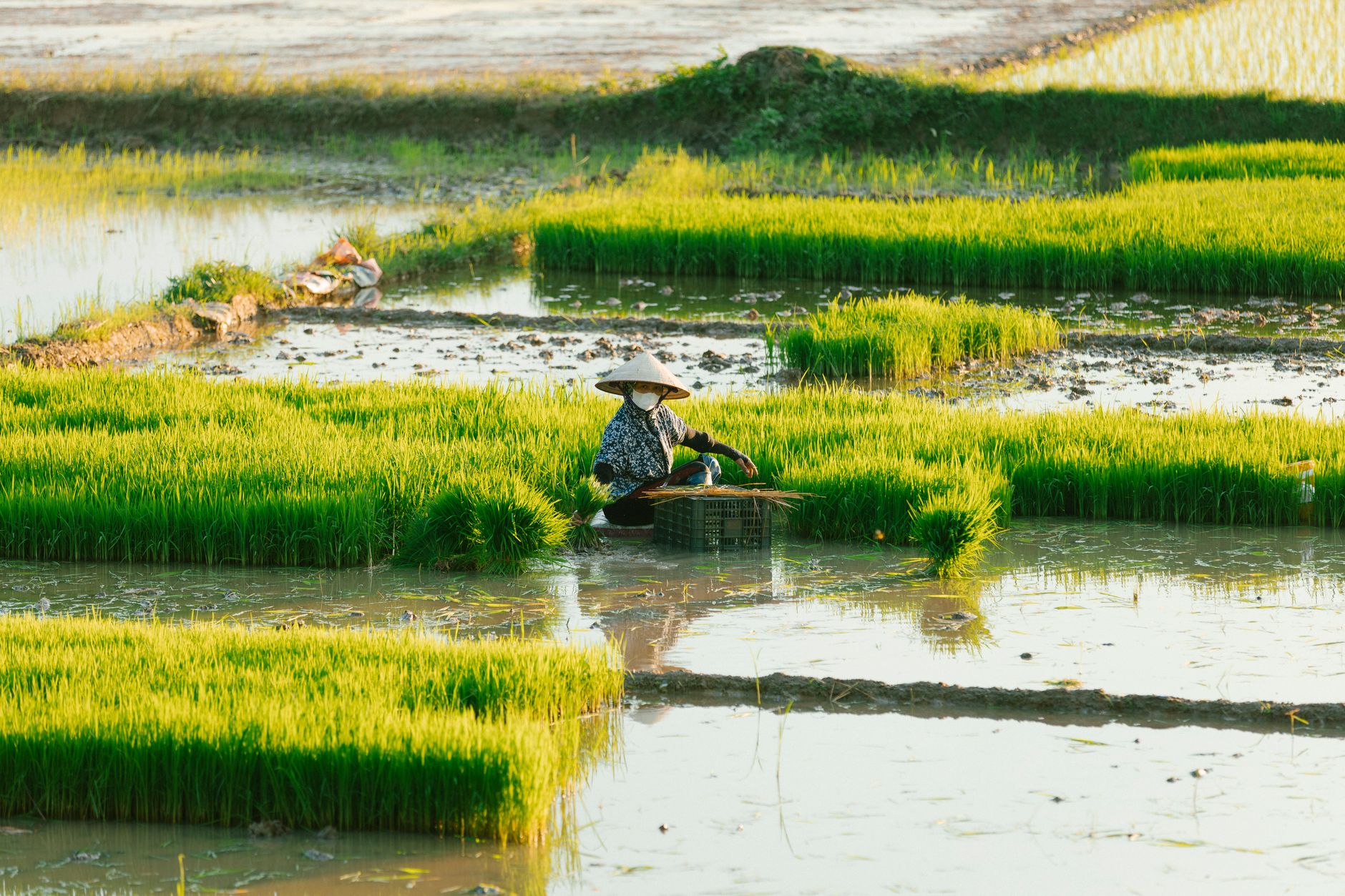
Many visitors combine a buffalo ride with other farm and countryside experiences in the same region—a morning walk through a vegetable garden, afternoon ride, then a cooking class or tea session at a family home. Da Nang is close enough to the countryside that you can do a half-day ride and still visit Hoi An or explore destinations in the same trip. Some travelers pair it with horse riding experience in a different region to compare the two animals and landscapes. If you're interested in slow, hands-on learning, also consider craft workshops or tea experiences—they share the same ethos of sitting with a local guide and absorbing one skill deeply.
FAQ
Do I need riding experience to do a buffalo ride?
No. Buffalo riding is simpler than horse riding. Handlers stay with you the whole time, teach you balance from the ground, and adjust the pace to your comfort level.
What if I'm scared of the buffalo when I first touch it?
Handlers introduce you slowly—you'll pet the buffalo, hear its breathing, watch it eat. Fear usually evaporates once you sit on its back and feel how calm it is. If it doesn't, we reschedule or switch to a farm and countryside experiences walking option instead.
Will I fall off or get hurt?
Falls are rare because the pace is slow (walking speed) and handlers stay directly beside you. The biggest risk is a sore backside or chafed thighs—wear pants. Minor mud splashes and bruises happen; serious injury is very uncommon in 3–4 hours.
Can kids ride buffalo?
Yes, ages 5 and up, with parental supervision or a handler's support. Kids under 5 can ride with a parent. Handlers brief children beforehand and adjust the route to keep them engaged and safe. See experiences for families and kids for more activities.
Do I need to bring my own helmet or gear?
No helmets are used because of the slow pace and handler presence. Handlers provide basic ropes for balance if needed. Just wear long pants, closed-toe shoes, and bring sun protection. We recommend a small dry bag for your phone.
Ask about dates
Tell us the city, your dates and what you would like to try. We reply on WhatsApp in English with options and availability.
FAQ
Do I need riding experience to do a buffalo ride?
No. Buffalo riding is simpler than horse riding. Handlers stay with you the whole time, teach you balance from the ground, and adjust the pace to your comfort level.
What if I'm scared of the buffalo when I first touch it?
Handlers introduce you slowly—you'll pet the buffalo, hear its breathing, watch it eat. Fear usually evaporates once you sit on its back and feel how calm it is. If it doesn't, we reschedule or switch to a [farm and countryside experiences](/farm-experience) walking option instead.
Will I fall off or get hurt?
Falls are rare because the pace is slow (walking speed) and handlers stay directly beside you. The biggest risk is a sore backside or chafed thighs—wear pants. Minor mud splashes and bruises happen; serious injury is very uncommon in 3–4 hours.
Can kids ride buffalo?
Yes, ages 5 and up, with parental supervision or a handler's support. Kids under 5 can ride with a parent. Handlers brief children beforehand and adjust the route to keep them engaged and safe. See [experiences for families and kids](/family-experiences) for more activities.
Do I need to bring my own helmet or gear?
No helmets are used because of the slow pace and handler presence. Handlers provide basic ropes for balance if needed. Just wear long pants, closed-toe shoes, and bring sun protection. We recommend a small dry bag for your phone.
More like this
Farm and countryside days
Fishing Experience Vietnam for Japanese Travelers: Where to Go & What to Expect
Vietnam's waterways offer Japanese travelers a chance to learn traditional fishing methods directly from locals. Cáo Experiences runs half- and full-day sessions on rivers, lakes and the Mekong Delta where you cast nets, set traps, and cook your catch.
Farm and countryside days
Fishing Experience Vietnam for Foreigners: Hands-On Guide
Fishing in Vietnam isn't a spectator sport—you'll wade into rivers, cast nets, trap fish in baskets, and cook your catch for lunch. We run small-group and private fishing days in the countryside outside Hanoi, Ha Noi region, and the Mekong Delta.
Farm and countryside days
Fishing Experience in Vietnam: 8 Questions to Ask Before You Go
Fishing in Vietnam means wading through rice paddies, learning trap techniques, or casting in rivers with local guides. Here's what to ask before you book.