
Home › Blog › Farm and countryside days
Buffalo Riding Experience in Hanoi for Foreigners
By the Cáo Experiences team · 2026-11-06
Buffalo riding near Hanoi happens on working family farms in the Red River Delta, 45–60 minutes' drive from the old quarter. A typical half-day with Cáo Experiences runs 9 a.m. to 1 p.m. or 2–6 p.m., with 3–8 guests per group. You'll be fitted with a guide who walks you through basic commands, then ride a trained buffalo through muddy fields and shallow water (no saddle—you sit bareback on the animal's neck). Most riders are beginners; the buffalo are calm, accustomed to tourists, and move at a walk. You'll take photos, swim or wade with your animal in a pond, and return for a lunch of simple rice, greens, and fish or tofu cooked in the farm kitchen. Bring a change of clothes and old shoes—you will get wet and muddy. Ask us for dates and a quote on WhatsApp. Ask about dates on WhatsApp
What's the real difference between small-group and private buffalo rides?
Small-group rides (4–8 people) mean you share one guide and buffalo are assigned based on temperament and your size—a social morning where you meet other travelers. Private rides are just your group on one farm with a dedicated guide who adapts pace and stops to your wishes. Small-group rides tend to include more downtime socializing; private sessions let you stay longer in the water or take extra photos without waiting. Both end in the same farm lunch. Choose small-group if you like meeting others and want a more relaxed cost structure; choose private if you're a family, have mobility concerns, or want the flexibility to change plans mid-morning. Either way, the buffalo and farm routine stay the same.
Who should not book a buffalo ride, and why?
Buffalo riding isn't for people with recent knee or hip surgery, severe back problems, or a fear of water and mud—the ride involves gripping with your thighs and getting soaked. Children under 5 aren't safe bareback; kids 5–12 ride best on private sessions with a parent on a second buffalo nearby. Heavy riders (over 100 kg) may need to check with us first, as the farm has weight limits based on the individual animal. Pregnant people should skip it. If you dislike getting filthy or have immaculate travel clothes, this isn't the experience—we're talking mud in your hair, water down your back, and farm smells. Anyone with a strong dislike of animals or insects should also reconsider. Honest answer: it's rustic, wet, and muddy by design.
What do first-time riders worry about most—and what actually happens?
Beginners fear falling off (you won't—buffalo are slow, stable, and used to wobbly riders); that buffalo will buck or run (they won't, unless startled by a loud noise, which is rare); and that they'll feel cruel or unsafe handling the animal (the farms we use have well-treated buffalo, and our guides teach respectful, gentle control). Many worry the ride will be too short or boring—it's not. You spend time in the saddle, in the water, watching the family farm routine, and eating a real meal. Some travelers fret about the language barrier—our guides speak enough English to teach commands and stay safe. The actual surprise: how patient and oddly affectionate the buffalo are, and how meditative the experience feels compared to the noise and speed of the city.
How do we adapt for families with kids, seniors, and bad weather?
For kids aged 5–10, we offer family-friendly farm experiences where a child can ride with a parent on a tandem buffalo or on a second animal with one of our guides walking alongside; younger kids help feed buffalo or splash in shallow water instead. Seniors over 70 ride shorter distances, skip the bareback section, and sit on a padded saddle if their hip or knee flexibility is low—we've adapted sessions for people in their late 70s with no problems. If rain is heavy the night before, the fields flood and mud becomes unsafe; we reschedule to the next available date or switch to a half-day countryside and farm experience that includes a kitchen visit, rice-planting demo, or craft activity on covered porches. Light rain doesn't stop rides—the animals expect it.
Which type of rider gets the most from a buffalo experience?
Travelers seeking an authentic rural snapshot, not a theme-park thrill, leave happiest. People interested in agricultural life, animal behavior, and meeting farming families find real depth here. Photographers love the light, the water spray, and the unposed moments with locals. Groups of friends or couples looking for a shared "we did something real" memory come back to Cáo Experiences with stories. By contrast, riders chasing Instagram extremes (fastest buffalo, biggest jumps) are disappointed—this is slow, contemplative work. Comparison table:
| Rider type | Best fit | Why | Alternative if not ideal |
|---|---|---|---|
| Adventurous beginner | High | Slow, safe, memorable | Horse riding for a faster pace |
| Rural cultural interest | Very high | Direct farm family contact, authentic routine | Countryside farm day for broader farm skills |
| Photography & light-chasing | High | Golden-hour water, muddy texture, real emotion | Other Hanoi experiences in markets or Old Quarter |
| Thrill-seekers | Low | Pace is walk-only, no racing or stunts | Horse riding for cantering |
| Mobility-limited (bad knees) | ? Conditional | Bareback is hard on joints; discuss saddle option with us first | Craft workshops or tea experiences |
| Family with young kids | With adaptation | Tandem or adapted rides available; under 5 may not ride | Family experiences with broader age range |

What should you check and bring before booking?
Checklist before you order:
- Confirm your physical fitness with us if you have joint, back, or cardiac concerns—we'll be honest about fit.
- Check that your group size matches the session date (small-group vs. private).
- Verify the farm location is a reasonable drive from your accommodation.
- Ask if lunch includes your dietary needs (vegetarian, allergy, halal, gluten-free).
- Confirm English-speaking guide availability.
- Book at least 3–5 days ahead; last-minute slots may not exist.
What to bring:
- Swimsuit and change of clothes (we have no drying facilities).
- Old shoes or sandals (you will lose them in mud or remove them to wade).
- A waterproof phone case or leave your phone in the hotel.
- Sunscreen (reapplied after water entry).
- A towel (some farms provide, best to bring your own).
- Cash for any tips to the family (optional, no amount expected).
Common mistakes:
- Wearing new or favorite clothes.
- Bringing expensive jewelry or cameras.
- Assuming you can ride in flip-flops—secured shoes only.
- Booking without mentioning allergies or injuries.
- Expecting a guide who speaks perfect English (basic is normal).
How does a buffalo ride fit into a longer Hanoi trip?
A half-day buffalo ride pairs well with a street-food market tour in the Old Quarter the same morning or afternoon, a Vietnamese cooking class the next day using ingredients from farms like the one you visited, or a coffee workshop to understand another rural crop. Many travelers bundle it with a countryside farm experience on a different day—riding buffalo one morning, learning to plant rice or make tofu the next. If you're traveling with non-riders or younger kids, they can join a parallel family experience on the same farm or a nearby village. Hanoi-based guests often do buffalo riding as a day escape, then return to other Hanoi experiences in the evenings. Longer trips might also include horse riding outside the city as an alternative large-animal encounter.
Red River Delta farm visits: what makes a farm worth your time?
Not all farms near Hanoi that offer buffalo rides are equal. Cáo Experiences partners with family-run farms where buffalo are working animals used for daily field labor, not just tourist props—you see the real routine. The farms we use have shade, clean water for the buffalo, and staff that show genuine care (not rushed turnover). Family kitchens cook lunch fresh that day; you're not eating pre-made hotel meals. Guides have grown up on or near the farm and know the land's history and seasonality. You'll notice the difference: animals move calmly, meals taste like home cooking, and conversations with the family feel unhurried. Farms to avoid are those with visibly stressed animals, high-volume throughput (20+ riders a day), generic lunch boxes, or guides who treat you like a transaction. Ask us which farm matches your dates and group size—we'll tell you honestly if a farm is too busy that week or if a private session is better.
Why Hanoi's buffalo riding is different from Vietnam's other rural experiences
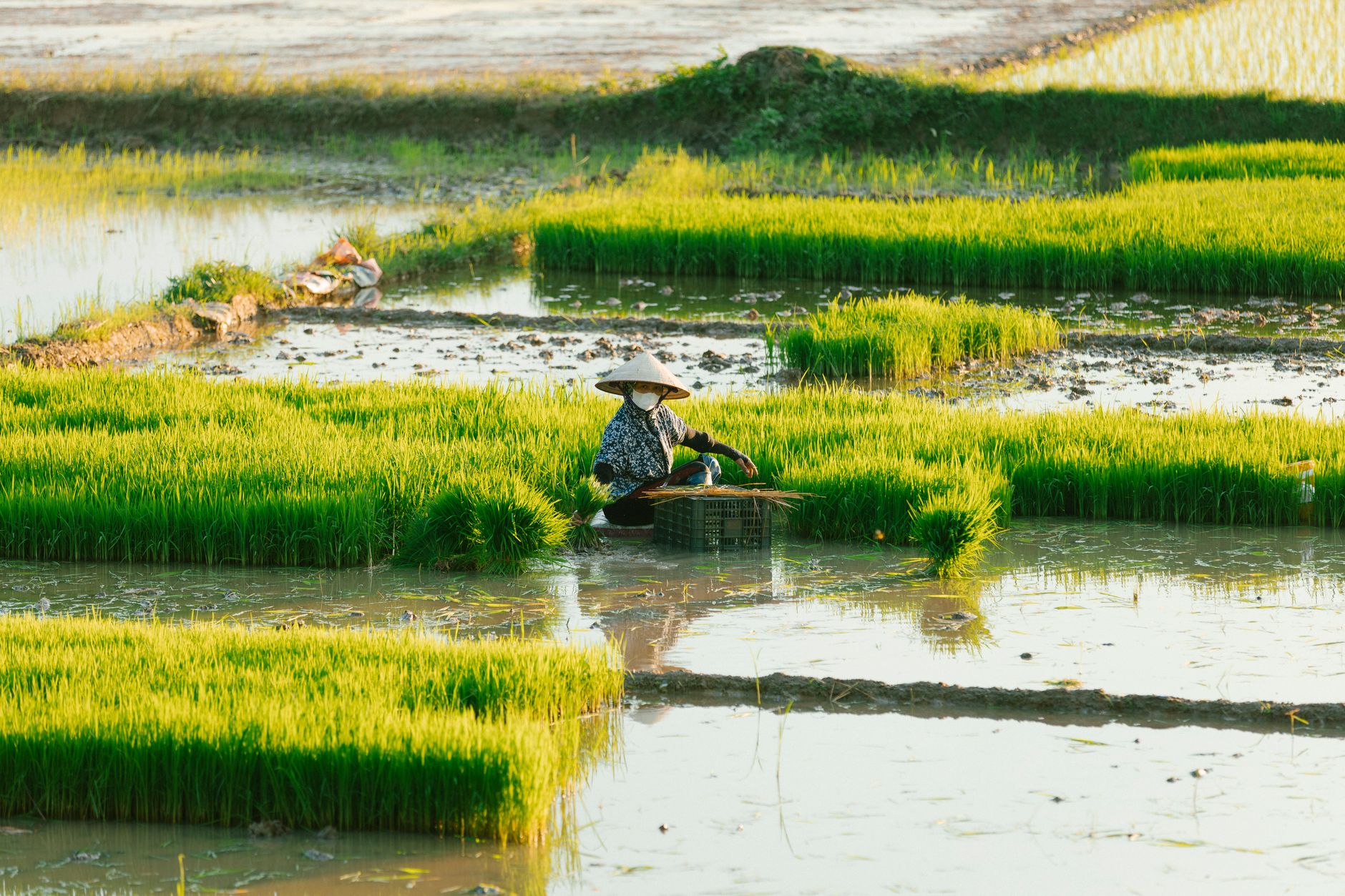
Riding a water buffalo is distinct from horse riding (which is cantering through forests or hills, faster and more athletic) and broader countryside farm experiences (which might include rice planting, fruit picking, or craft workshops without animal contact). Buffalo riding is specifically about the bond with an ancient working animal and the flooded-field ecosystem—you're moving at the buffalo's pace through mud and water, not racing or checking boxes on a farm tour. The pace is meditative. Many visitors say it feels like time slowed down. That's deliberate: we choose farms and guides who let the experience breathe. If you want more physical activity, horse riding is better. If you want to sample many farm skills in one day, a countryside day is broader. If you want deep immersion in one animal and one landscape, buffalo riding is unmatched.
See how a session runs
FAQ
Can I ride a buffalo if I've never ridden any animal before?
Yes. Buffalo are calm and accustomed to nervous beginners. Our guide teaches you mounting, basic commands, and balance in the first 10 minutes on a stationary animal before you move. Most first-time riders feel confident after 15 minutes of walking.
What if I'm too heavy or too light for a buffalo?
Buffaloes vary in size and weight capacity. Very light riders (under 35 kg) may be unbalanced; very heavy riders (over 100 kg) need to check with us first. We'll match you to an appropriate animal or suggest alternatives if needed.
Is the mud and water clean?
It's farm mud and rice-paddy water—not chlorinated, but not sewage either. The water has been used for rice cultivation for generations. Avoid getting it in your mouth; rinse your nose after riding. If you have open cuts or compromised immunity, discuss it with us first.
What if it rains on the day of my ride?
Light rain doesn't stop buffalo riding; the animals expect it. Heavy overnight rain that floods fields may force a reschedule to another date or a switch to an indoor farm activity. We'll notify you by WhatsApp the evening before if weather is a concern.
Do I need special riding clothes or shoes?
Wear old, loose clothes you don't mind soiling. Secure shoes (trainers or hiking boots) only—sandals slip off in mud. Most riders change into swimwear under their clothes and change again after. Bring a complete dry outfit in a bag at the farm.
How much English does the guide speak?
Guides speak functional English—enough to teach control, ensure safety, and explain farm life. They may not translate poetry or history in detail, but you'll understand the core experience and feel safe.
Can I bring my phone or camera?
Yes, but use a waterproof case or leave it behind. You'll be soaked and muddy; phone loss is real. Many riders bring an old smartphone or disposable camera instead.
Is lunch included, and can you cater to allergies?
Yes, lunch (rice, vegetables, fish or tofu, water, tea) is included. Tell us about allergies or diet restrictions when you book—we'll confirm with the farm kitchen. Vegan, vegetarian, and gluten-free are usually manageable with advance notice.
Can children ride?
Children 5+ can ride with a guide or parent on tandem buffaloes. Children under 5 shouldn't ride bareback but can wade and splash. Discuss your child's age and swimming ability with us before booking.
What's the difference between morning and afternoon slots?
Morning (9 a.m.–1 p.m.) is cooler and has better light for photos; fields may be busier with farm work. Afternoon (2–6 p.m.) is hotter but quieter; sunset light is excellent. Choose based on your heat tolerance and photo preferences.
Ask about dates
Tell us the city, your dates and what you would like to try. We reply on WhatsApp in English with options and availability.
FAQ
Can I ride a buffalo if I've never ridden any animal before?
Yes. Buffalo are calm and accustomed to nervous beginners. Our guide teaches you mounting, basic commands, and balance in the first 10 minutes on a stationary animal before you move. Most first-time riders feel confident after 15 minutes of walking.
What if I'm too heavy or too light for a buffalo?
Buffaloes vary in size and weight capacity. Very light riders (under 35 kg) may be unbalanced; very heavy riders (over 100 kg) need to check with us first. We'll match you to an appropriate animal or suggest alternatives if needed.
Is the mud and water clean?
It's farm mud and rice-paddy water—not chlorinated, but not sewage either. The water has been used for rice cultivation for generations. Avoid getting it in your mouth; rinse your nose after riding. If you have open cuts or compromised immunity, discuss it with us first.
What if it rains on the day of my ride?
Light rain doesn't stop buffalo riding; the animals expect it. Heavy overnight rain that floods fields may force a reschedule to another date or a switch to an indoor farm activity. We'll notify you by WhatsApp the evening before if weather is a concern.
Do I need special riding clothes or shoes?
Wear old, loose clothes you don't mind soiling. Secure shoes (trainers or hiking boots) only—sandals slip off in mud. Most riders change into swimwear under their clothes and change again after. Bring a complete dry outfit in a bag at the farm.
How much English does the guide speak?
Guides speak functional English—enough to teach control, ensure safety, and explain farm life. They may not translate poetry or history in detail, but you'll understand the core experience and feel safe.
Can I bring my phone or camera?
Yes, but use a waterproof case or leave it behind. You'll be soaked and muddy; phone loss is real. Many riders bring an old smartphone or disposable camera instead.
Is lunch included, and can you cater to allergies?
Yes, lunch (rice, vegetables, fish or tofu, water, tea) is included. Tell us about allergies or diet restrictions when you book—we'll confirm with the farm kitchen. Vegan, vegetarian, and gluten-free are usually manageable with advance notice.
Can children ride?
Children 5+ can ride with a guide or parent on tandem buffaloes. Children under 5 shouldn't ride bareback but can wade and splash. Discuss your child's age and swimming ability with us before booking.
What's the difference between morning and afternoon slots?
Morning (9 a.m.–1 p.m.) is cooler and has better light for photos; fields may be busier with farm work. Afternoon (2–6 p.m.) is hotter but quieter; sunset light is excellent. Choose based on your heat tolerance and photo preferences.
More like this
Farm and countryside days
Fishing Experience Vietnam for Japanese Travelers: Where to Go & What to Expect
Vietnam's waterways offer Japanese travelers a chance to learn traditional fishing methods directly from locals. Cáo Experiences runs half- and full-day sessions on rivers, lakes and the Mekong Delta where you cast nets, set traps, and cook your catch.
Farm and countryside days
Fishing Experience Vietnam for Foreigners: Hands-On Guide
Fishing in Vietnam isn't a spectator sport—you'll wade into rivers, cast nets, trap fish in baskets, and cook your catch for lunch. We run small-group and private fishing days in the countryside outside Hanoi, Ha Noi region, and the Mekong Delta.
Farm and countryside days
Fishing Experience in Vietnam: 8 Questions to Ask Before You Go
Fishing in Vietnam means wading through rice paddies, learning trap techniques, or casting in rivers with local guides. Here's what to ask before you book.