
Home › Blog › Farm and countryside days
Buffalo Riding Experience in Vietnam During Tet
By the Cáo Experiences team · 2026-11-06
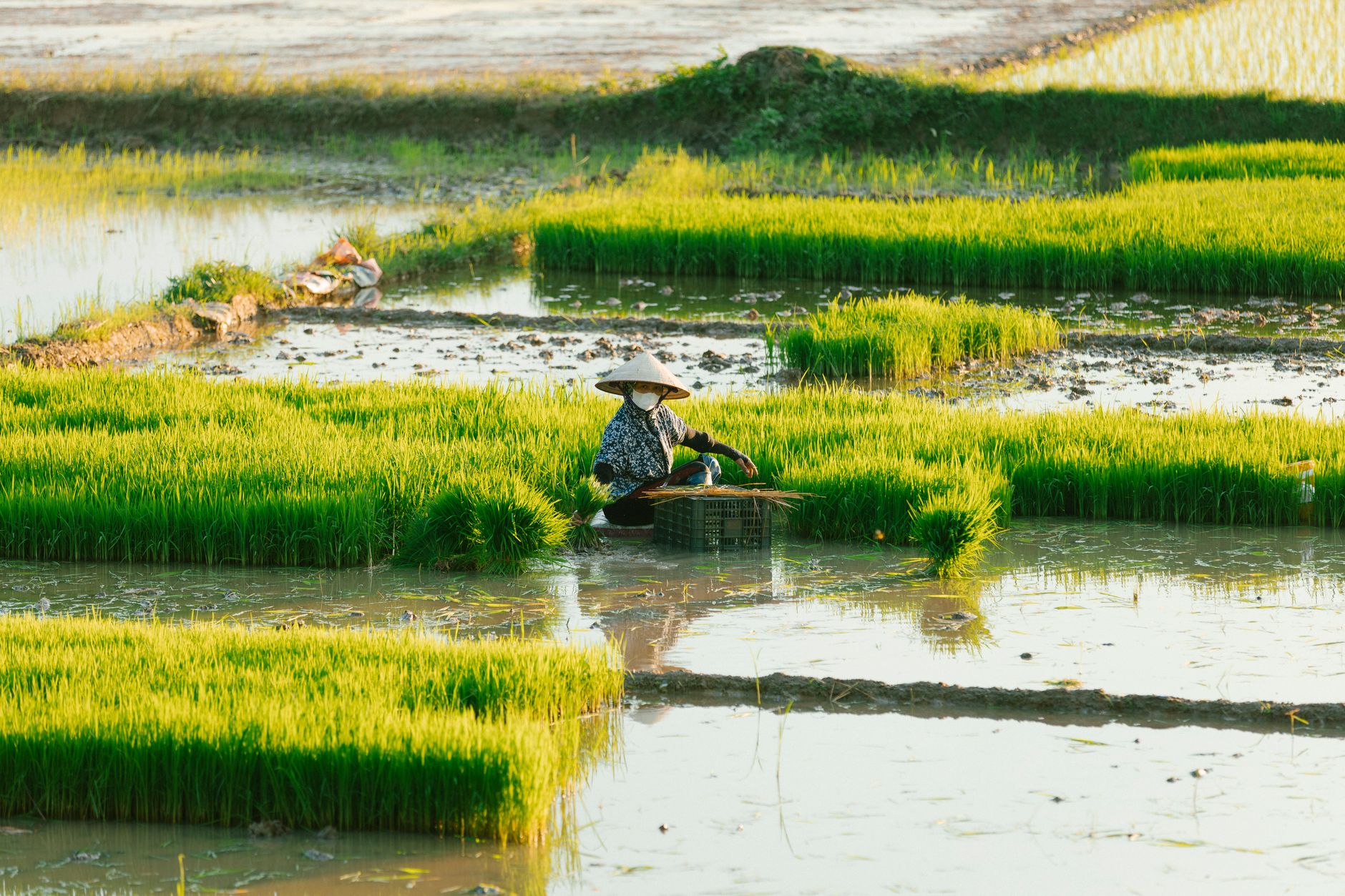
Buffalo riding during Tet happens on working family farms in the Red River Delta, about 90 minutes north of Hanoi. A session runs 3–4 hours: you meet your buffalo handler (often a multigenerational farmer), learn basic commands and safety on foot, then ride through flooded rice paddies, canal paths, and village lanes while water buffalo wade and graze. The buffalo move slowly—this is not speed riding—and you sit on a simple woven saddle or pad. Tet timing (late January to mid-February) means cooler mornings, festive family atmospheres on farms, and rice paddies full of shallow water, which makes for better footing and scenery. Beginners and families with children aged 8+ do well; seniors often prefer paddling or farm walks instead. Rain rarely stops a session—we reschedule if storms are severe. Cáo Experiences coordinates transport, insurance, and cultural notes by WhatsApp. Ask us for dates and a quote on WhatsApp. Ask about dates on WhatsApp
Buffalo riding during Tet is a quiet, slow-paced immersion in rural Vietnamese life at its most festive time. Unlike tourist-focused stables elsewhere, we partner with working farms where buffalo are active members of the family and the community. You ride the same animal locals use for plowing, hauling, and moving through flooded fields—not a trained performance animal. During Tet, these farms buzz with preparation: families whitewash walls, hang decorations, slaughter pigs, and still move their buffalo to water every morning. Joining that rhythm for a few hours gives you a genuine sense of how new year arrives in the countryside, and it's one of the few activities that doesn't feel like a performance staged for tourists.
Is buffalo riding safe for children and older adults?
Buffalo are large, slow-moving animals with predictable behavior. Children aged 8 and up usually ride confidently; younger ones sit in front of a parent or guide. Seniors with hip or knee concerns often choose to walk alongside the buffalo instead, holding the rope while the guide rides—equally rewarding and no balance risk. We assess each person on arrival and adapt: if someone feels unsafe after a few minutes, we switch to ground-level farm walks or canal paddling instead.
What weather concerns should you plan for during Tet?
Tet falls in late January to mid-February, Vietnam's coolest months, so mornings hover around 12–18°C (54–64°F). Drizzle is common; we ride in light rain—your guide has rain ponchos and knows which paths drain well. Mud is manageable. Heavy thunderstorms do delay or reschedule sessions, but we confirm by WhatsApp 24 hours ahead and offer alternative dates. Dress in layers: long pants (jeans or cotton, not new or precious), a light jacket, closed-toe shoes with grip, and a hat. Avoid flip-flops, open sandals, and anything you fear losing to water.
How does Tet atmosphere change a buffalo farm visit?
During Tet, farms transform. Families decorate with peach blossoms (a northern new year symbol), hang red banners, and prepare feasts visible in courtyards. Buffalo still work, but the pace is gentler—plowing is mostly done by then, and animals spend time in shade. Locals are more relaxed, often standing around chatting or preparing family meals. If invited, you might eat rice cake, candy, or dried fruit straight from the farm kitchen. The buffalo handler's family mood is noticeably lighter than on a regular working day, and that warmth carries into teaching: they're often more patient and chatty. This seasonal shift makes Tet the warmest time to experience a farm visit, even though the air is cool.
What's the honest difference between buffalo riding and horse riding in Vietnam?
Buffalo move at a walk only—about 1–2 km/h (0.6–1.2 mph). Horses, by contrast, trot or canter and demand more balance and leg control. Buffalo don't spook easily; they stop and stand for minutes without complaint. Horses are skittish, need constant steering, and suit experienced riders more. Buffalo riding suits absolute beginners, families, and people who want a meditative pace; horse riding experiences in pine forests suit people craving a faster, more athletic session. Both are real farm experiences, but buffalo is genuinely passive—the animal chooses the pace, and you're a passenger learning to sit steady.

What should you bring and wear on a buffalo ride?
| Item | Why | Avoid |
|---|---|---|
| Long, loose pants | Protect legs from mud splash and sun. Jeans okay if worn-in. | Tight leggings (chafe); new jeans (stiff, show stains). |
| Closed-toe shoes (sneaker or hiking boot) | Grip wet ground; protect from sharp grass stubble. | Flip-flops (slip off in mud); open sandals (sun burn). |
| Light jacket or long-sleeve shirt | Cool mornings; sun protection on water (reflects heat). | Heavy winter coat (you'll overheat); sleeveless (sunburn risk). |
| Hat or cap | Sun on paddies is intense; water reflects glare. | Baseball cap only (doesn't protect neck). |
| Sunscreen (SPF 30+) | Water and rice paddies reflect UV; easy to burn. | Skip if you burn easily. |
| Small backpack (2–3 liters) | Water bottle, phone, ID, cash tips for handler. | Large day pack (bounces on buffalo's back). |
| Wet wipes or towel | Hands and face mud after dismounting. | None (you'll be sticky). |
Bring cash in small notes for the farm family if you wish to tip or buy snacks. Your guide and handler are not paid per tourist—tips are genuine gratitude, not required.
How does Cáo Experiences coordinate a buffalo riding session?
We arrange a driver to pick you up from your hotel in Hanoi by 7:00 a.m., drive north to the farm (90 minutes), and return by 2:00 p.m. You meet your handler on arrival, spend 30 minutes on foot learning buffalo behavior and basics, then ride 1.5–2 hours through fields and lanes. Lunch is light (rice, vegetables, often cooked on the farm) and eaten with the handler's family. We handle insurance, translation, and safety briefing. If you have food allergies or mobility limits, tell us early so we can liaise with the farm kitchen ahead of time. All communication is in English via WhatsApp; no hidden surcharges or rushed scheduling.
What to check before you book
- Mobility: If you have hip, knee, or back pain, ask us whether walking alongside the buffalo suits you better than riding.
- Tet dates exact to your travel: Tet 2026 falls early February. Confirm your dates match farm availability—we'll tell you if your week is fully booked.
- Dietary needs: Rice, vegetables, and simple proteins are always on farms. Let us know allergies or strict diet (vegetarian, halal, etc.) so the family can prepare.
- Footwear breakdown: Try your shoes in water before the day. Worn-in hiking boots or light trainers work best; new or expensive shoes often suffer.
- Group size: Private sessions suit couples and families; small-group sessions (4–6 people) are more affordable and equally intimate. Ask which is available for your dates.
How does a buffalo ride connect to broader farm and countryside experiences?
If you're interested in rural Vietnam, buffalo riding is one of several farm and countryside experiences we offer. Some guests combine a morning buffalo ride with an afternoon at a different farm doing vegetable gardening, fish netting, or orchard work. Others pair it with a Vietnamese cooking class at a farmhouse kitchen, where you learn to cook the very vegetables you saw growing. A few book both a farm day and a street food and market tour in Hanoi to compare urban and rural food cultures. Each experience stands alone, but they're richer in combination.
Tet is also a time many guests explore experiences in Hanoi or nearby towns: temple visits, family stays, craft workshops. If you're curious about other activities during the season, we can suggest timing and logistics by WhatsApp.
FAQ
Can children under 8 ride buffalo?
No. Under 8, they sit in front of a parent or guide, or walk alongside the buffalo holding the rope. Kids 8–12 ride independently on a guide's recommendation. We assess balance and confidence on arrival—no child is forced to ride if they feel unsure.
What if I'm nervous about falling off?
Buffalo walk at 1–2 km/h on flat ground. Falls are rare because the animal is so slow and steady. Our guides teach you how to grip with your thighs and hold the rope. If you feel unsafe after 10 minutes, we switch to walking alongside instead. No judgment.
Does Tet mean the farm will be closed?
No. Tet is a family celebration, not a full shutdown. Farms still feed and move their buffalo daily. We work with farms that welcome visitors during Tet because they enjoy sharing the season. You'll see family energy and decorations—it's part of the charm.
How much do I need to tip the buffalo handler?
Tips are entirely voluntary. If you feel the experience was genuine and warm, a tip of any amount is appreciated. It's not expected or included in the session fee. Small notes work best.
What if it rains heavily on the day?
We reschedule to the next suitable day if storms are severe (heavy, sustained rain that floods paths). Light drizzle and muddy paddies are normal and we ride through them. We confirm weather and final timing 24 hours before by WhatsApp.
Can I ride the same buffalo twice if I book another session?
Maybe. Buffalo are tied to specific handlers and farms, so if you return to the same farm weeks later, you might meet the same animal. We can't guarantee it, but we'll note your preference when you ask about dates on WhatsApp.
Is this experience suitable for people over 70?
Yes, if mobility is reasonable. Walking alongside the buffalo is equally rewarding and safer for joints. Many guests over 70 prefer this option. Tell us your age and any pain points, and we'll recommend the best version for you.
Ask about dates
Tell us the city, your dates and what you would like to try. We reply on WhatsApp in English with options and availability.
FAQ
Can children under 8 ride buffalo?
No. Under 8, they sit in front of a parent or guide, or walk alongside the buffalo holding the rope. Kids 8–12 ride independently on a guide's recommendation. We assess balance and confidence on arrival—no child is forced to ride if they feel unsure.
What if I'm nervous about falling off?
Buffalo walk at 1–2 km/h on flat ground. Falls are rare because the animal is so slow and steady. Our guides teach you how to grip with your thighs and hold the rope. If you feel unsafe after 10 minutes, we switch to walking alongside instead. No judgment.
Does Tet mean the farm will be closed?
No. Tet is a family celebration, not a full shutdown. Farms still feed and move their buffalo daily. We work with farms that welcome visitors during Tet because they enjoy sharing the season. You'll see family energy and decorations—it's part of the charm.
How much do I need to tip the buffalo handler?
Tips are entirely voluntary. If you feel the experience was genuine and warm, a tip of any amount is appreciated. It's not expected or included in the session fee. Small notes work best.
What if it rains heavily on the day?
We reschedule to the next suitable day if storms are severe (heavy, sustained rain that floods paths). Light drizzle and muddy paddies are normal and we ride through them. We confirm weather and final timing 24 hours before by WhatsApp.
Can I ride the same buffalo twice if I book another session?
Maybe. Buffalo are tied to specific handlers and farms, so if you return to the same farm weeks later, you might meet the same animal. We can't guarantee it, but we'll note your preference when you ask about dates on WhatsApp.
Is this experience suitable for people over 70?
Yes, if mobility is reasonable. Walking alongside the buffalo is equally rewarding and safer for joints. Many guests over 70 prefer this option. Tell us your age and any pain points, and we'll recommend the best version for you.
More like this
Farm and countryside days
Fishing Experience Vietnam for Japanese Travelers: Where to Go & What to Expect
Vietnam's waterways offer Japanese travelers a chance to learn traditional fishing methods directly from locals. Cáo Experiences runs half- and full-day sessions on rivers, lakes and the Mekong Delta where you cast nets, set traps, and cook your catch.
Farm and countryside days
Fishing Experience Vietnam for Foreigners: Hands-On Guide
Fishing in Vietnam isn't a spectator sport—you'll wade into rivers, cast nets, trap fish in baskets, and cook your catch for lunch. We run small-group and private fishing days in the countryside outside Hanoi, Ha Noi region, and the Mekong Delta.
Farm and countryside days
Fishing Experience in Vietnam: 8 Questions to Ask Before You Go
Fishing in Vietnam means wading through rice paddies, learning trap techniques, or casting in rivers with local guides. Here's what to ask before you book.