
Home › Blog › Farm and countryside days
Buffalo Riding Experience in Vietnam in July: What to Expect
By the Cáo Experiences team · 2026-11-06
Buffalo riding in Vietnam during July is a hands-on countryside experience where you ride or walk alongside water buffalo in flooded rice paddies or riverside settings. Our farm and countryside experiences run in rural areas outside major towns—typically 45–90 minutes from your base, in family-owned paddies or countryside estates. A single session lasts 1.5–2 hours, including a short safety briefing, mounting instruction, and guided movement through shallow water or fields. July is monsoon season: expect high heat (28–32°C), afternoon rain, and muddy ground, which makes the work harder but the landscape more lush. We adapt for beginners, kids (aged 7+), seniors, and nervous riders—no prior experience needed. Cost and availability depend on group size and date; ask us for a quote on WhatsApp. This isn't a tourist attraction; it's working alongside animals in a real agricultural setting, so come prepared to get wet and muddy. Ask about dates on WhatsApp
Why Buffalo Riding in July Is Harder Than Other Seasons
July in Vietnam is the peak monsoon, bringing daily afternoon downpours and high humidity that tests both rider and animal. Water levels rise, muddy banks become slippery, and afternoon heat can reach 32°C or higher before rain cools it down. Most casual tourists choose cooler, drier months—November to February—so July sessions feel less crowded and more authentically tied to working farm life. That said, the buffalo are accustomed to this weather; they're less stressed by heat than by cold or drought. We scale activity intensity based on rain forecasts: if heavy downpours are predicted, we shift focus from riding to walking alongside the animals in shallower water or moving to sheltered fields. Seniors and kids benefit from shorter ride times (30–45 minutes) with longer rest breaks in shade. The practical takeaway: July rides are genuinely intense and rewarding, but not for guests seeking comfort.
See how a session runs
What Actually Happens During a Buffalo Ride: Hour by Hour
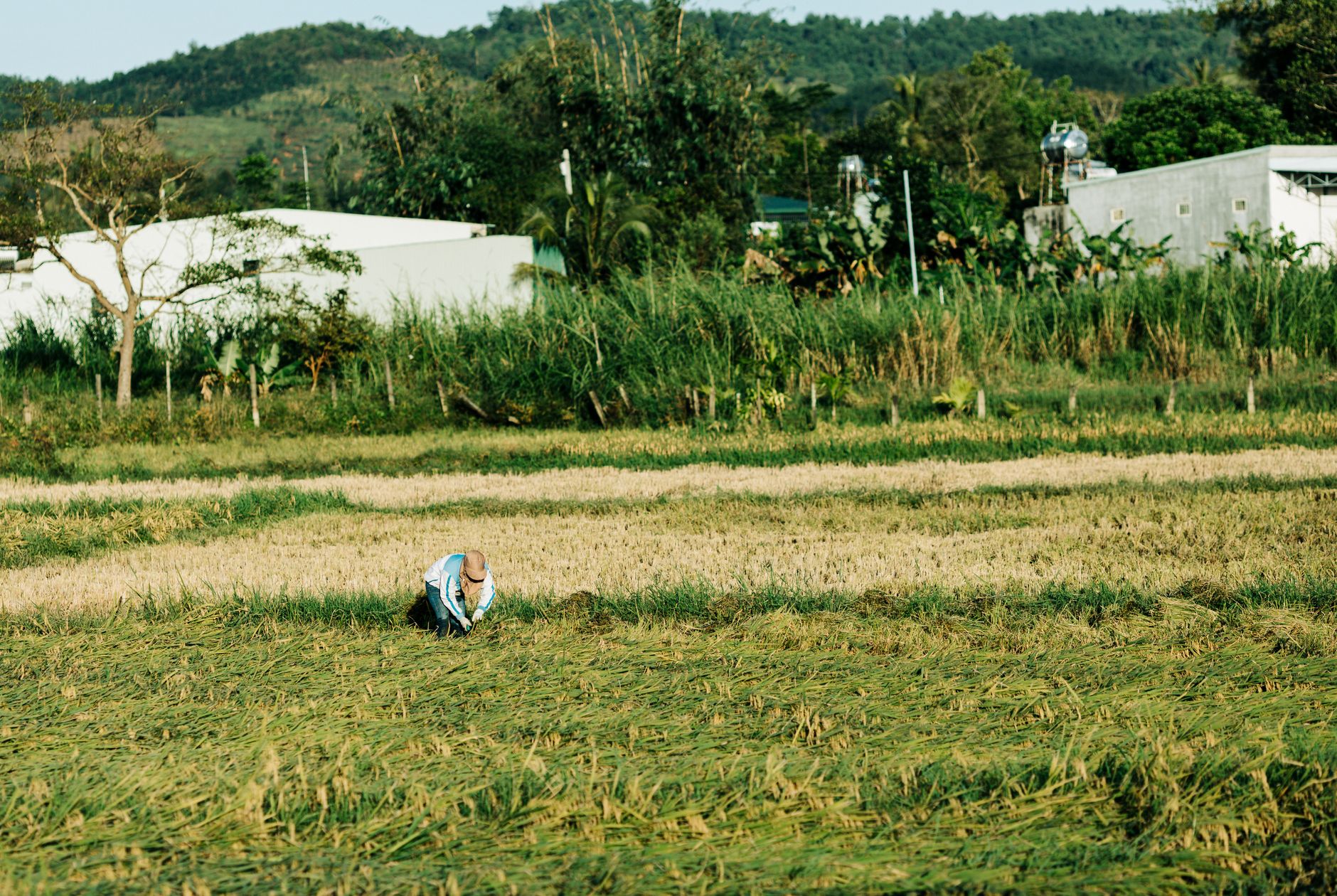
You arrive at a family homestead or working farm in early morning (6–7 a.m.) or late afternoon (3–4 p.m.) to avoid peak heat. We meet the farmer, see the buffalo in their enclosure, and learn basic commands and handling—how to sit, balance, hold the rope, and signal left or right by gentle neck pressure. The animal is calm and used to riders; mounting happens with a step-stool or a natural rise in ground level. From there, we walk or ride into shallow paddies or a riverside zone, moving slowly so the buffalo can wade through water and mud. You'll feel the animal's breathing, hear its steady splashing, and notice how it navigates terrain far better than a human would. Most of the ride is walking pace; we don't gallop or rush. Along the way, the farmer or host points out details—water plants growing for animal feed, traditional plow marks, local bird species—so you're not just riding, you're learning how the land works. After 45–75 minutes in the water, we return, wash down the animal with you (optional, but most guests love this), and rest in shade or a kitchen with water and fresh fruit. Total time on-site is 2–2.5 hours. Kids often bond with the buffalo during rest time; seniors appreciate the slow pace and the stories.
Preparing Your Body and Mind for July Heat and Mud
Monsoon heat in July is relentless, and the humid air makes exertion feel heavier. Wear loose, light-colored cotton clothing (not synthetic fabrics that trap sweat), long sleeves if you burn easily, and a wide-brimmed hat. Bring a high-SPF sunscreen and reapply after rain or water contact. Waterproof sandals or old shoes are essential—your feet will be soaked and muddy, and flip-flops come off in water. Pack a towel, dry clothes (or accept you'll be wet for the drive back), and 2–3 liters of water; we provide drinking water, but bringing extra means you won't dehydrate. Mentally, prepare to be uncomfortable: you'll sweat, likely get mud on your face and clothes, and feel muscle tiredness in your core and legs. That discomfort is temporary and rewarding; guests who expect it enjoy it. Those who come in a "safari mindset" expecting a clean, scenic photo opportunity often feel disappointed. Speak honestly with us about fitness level, fear of animals, or previous injuries—we adapt mounting method, riding duration, and pace to your comfort.
Seasonal Comparison: Why July Differs From Other Months
July stands apart because of monsoon dynamics. From May to September, rainfall and water levels peak, flooding paddies fully and making them ideal for water buffalo (they're semi-aquatic). November to February is dry, cool, and crowded with tourists; paddies are drained or partly dry, so the water experience is less pronounced. March to April is pre-monsoon—hot but less wet, a sweet spot for comfort. June combines pre-monsoon heat with early rains. Here's what shifts your experience:
| Month | Temperature | Water Level | Rain Risk | Crowd Level | Best For |
|---|---|---|---|---|---|
| July | 28–32°C | High (flooded) | Afternoon daily | Low | Authentic work, lush landscape, solitude |
| Nov–Feb | 15–22°C | Low (drained) | Rare | High | Comfort, shorter rides, clear visibility |
| Mar–Apr | 25–28°C | Medium | Occasional | Medium | Balance of warmth and dry periods |
| Jun | 27–30°C | Rising | Often morning | Medium | Transition; varied conditions |
The conclusion: July offers the deepest water immersion and the least tourist interference, at the cost of heat and rain.
Health and Safety: What to Do Before and After Riding
We ask health questions before booking: recent injuries, fear of animals, or conditions affected by heat (heart issues, extreme asthma, pregnancy). Buffalo are prey animals, not aggressive, but they react to sudden noise or rough handling, so we brief you on calm behavior. You'll wear lightweight protective gear (optional) such as a helmet if you prefer, though many guests skip it for comfort. The buffalo wades, never runs; the ride is stable. After riding, your muscles—especially thighs, lower back, and glutes—will feel worked for 1–2 days; this is normal. Shower within a few hours to remove mud and prevent skin irritation. If you have cuts or scrapes, wash them promptly; rice paddies are natural environments, and while serious infection is rare, cleanliness matters. Allergies to animal dander or hay are uncommon but possible; let us know in advance. July heat can exacerbate dehydration; drink water before, during, and after the session. If you feel faint, dizzy, or unwell during the ride, we stop immediately and rest in shade.
How Rain Changes the Plan—And Why It's Often Better
Afternoon rain in July is predictable and brief, lasting 20–60 minutes. We don't cancel for rain; instead, we adapt. If rain starts while riding, we continue at a slower pace—the buffalo is unbothered, and the cooler water feels refreshing. If heavier rain makes footing treacherous, we move to shallower zones or shift to walking alongside the buffalo on firmer ground. If the forecast shows all-day downpours, we reschedule to a clearer afternoon or early-morning slot when rain is less likely. Some guests prefer riding in rain because crowds disappear and the landscape feels wilder. Others find it uncomfortable. We ask your preference when confirming and adjust accordingly. Bring a lightweight rain jacket (not heavy plastic; the humidity makes plastic unbearable). Most guests find that post-rain sessions are actually more enjoyable—cooler air, fewer insects, and authentic monsoon atmosphere.
Combining Buffalo Riding With Other Vietnam Experiences
Buffalo riding pairs naturally with other countryside activities. Many guests spend a morning riding, then visit a nearby farm and countryside kitchen to cook with vegetables grown on the same land. Others combine it with coffee workshop visits in Central Highlands regions where buffalo are still common, or with horse riding experience in other provinces to compare mounted animal work. If you're in a river area, some sessions overlap with street food and market tour stops, where you can taste local dishes made with water buffalo meat (optional; we accommodate vegetarian guests). Urban-based guests often pair countryside mornings with afternoon art and culture classes or tea experiences to balance physical exertion with contemplative time. Group and corporate teams sometimes add buffalo riding as a team-building activity before a lunch session focused on collaborative cooking or craft. These combinations extend your stay and deepen learning; ask us about multi-day itineraries.
What to Check Before You Go
- Age and fitness: Kids aged 7+ can ride short distances; seniors over 75 should confirm comfort with mounting and core strength.
- Allergies: Inform us of dust, hay, or animal dander allergies.
- Recent injuries: Back, knee, or hip issues affect posture and pressure on the buffalo; we adapt but need to know.
- Weather forecast: Check 5-day rain outlook; we'll adjust timing, but monsoon predictions guide your packing.
- Clothing: Waterproof, non-slip footwear and loose, light fabric are non-negotiable.
- Hydration and nutrition: Eat a light breakfast, bring water, avoid heavy alcohol the night before.
- Camera setup: Phone photos work fine in daylight; bring a waterproof pouch if rain is likely.

FAQ
Is water buffalo riding safe for children under 10?
Children aged 7–9 can ride short distances (20–30 minutes) with close adult supervision and our experienced handler walking alongside. Younger children can walk beside the buffalo. Fitness and confidence matter more than age; a nervous 12-year-old may do better than a confident 7-year-old.
What's the difference between buffalo riding in July and riding in November?
July offers flooded paddies, lush green landscape, and monsoon weather; rides happen in deeper water. November has drained paddies, cooler temperatures, and dry conditions. July is more immersive but harder; November is comfortable but less water-focused.
Do I need riding experience?
No prior experience is needed. Buffalo move slowly and are accustomed to inexperienced riders. We teach mounting, balance, and basic commands in a 10–15 minute briefing. First-time riders are common and feel confident within minutes.
Can I ride if I'm afraid of animals?
Yes, if you're willing to move past fear. We start with close ground-level interaction—feeding, touching, observing—before riding. Many nervous guests report that the buffalo's calm nature reduces anxiety. Walking alongside is always an option if riding feels too intense.
What happens if it rains heavily?
Light to moderate rain doesn't stop the session; we ride slower and enjoy cooler air. Heavy downpours prompt us to shift to walking in shallower areas or to reschedule for a clearer time window. We monitor forecasts and confirm final timing 24 hours before.
Are there vegetarian food options after riding?
Yes. We arrange post-ride meals that include fresh vegetables, rice, and tofu-based dishes from the farm kitchen. Let us know dietary preferences when booking.
How sore will I be the next day?
Most guests feel muscle tiredness in thighs and lower back for 1–2 days—similar to a long hike. Stretching and light movement help. Intense soreness suggests pushing too hard; we pace rides to avoid this, but fitness varies.
Can I combine buffalo riding with other experiences in the same day?
Yes. A morning buffalo session (2–2.5 hours) leaves afternoon free for cooking class, coffee workshop, or flower arranging. We coordinate transport and timing.
Ask about dates
Tell us the city, your dates and what you would like to try. We reply on WhatsApp in English with options and availability.
FAQ
Is water buffalo riding safe for children under 10?
Children aged 7–9 can ride short distances (20–30 minutes) with close adult supervision and our experienced handler walking alongside. Younger children can walk beside the buffalo. Fitness and confidence matter more than age; a nervous 12-year-old may do better than a confident 7-year-old.
What's the difference between buffalo riding in July and riding in November?
July offers flooded paddies, lush green landscape, and monsoon weather; rides happen in deeper water. November has drained paddies, cooler temperatures, and dry conditions. July is more immersive but harder; November is comfortable but less water-focused.
Do I need riding experience?
No prior experience is needed. Buffalo move slowly and are accustomed to inexperienced riders. We teach mounting, balance, and basic commands in a 10–15 minute briefing. First-time riders are common and feel confident within minutes.
Can I ride if I'm afraid of animals?
Yes, if you're willing to move past fear. We start with close ground-level interaction—feeding, touching, observing—before riding. Many nervous guests report that the buffalo's calm nature reduces anxiety. Walking alongside is always an option if riding feels too intense.
What happens if it rains heavily?
Light to moderate rain doesn't stop the session; we ride slower and enjoy cooler air. Heavy downpours prompt us to shift to walking in shallower areas or to reschedule for a clearer time window. We monitor forecasts and confirm final timing 24 hours before.
Are there vegetarian food options after riding?
Yes. We arrange post-ride meals that include fresh vegetables, rice, and tofu-based dishes from the farm kitchen. Let us know dietary preferences when booking.
How sore will I be the next day?
Most guests feel muscle tiredness in thighs and lower back for 1–2 days—similar to a long hike. Stretching and light movement help. Intense soreness suggests pushing too hard; we pace rides to avoid this, but fitness varies.
Can I combine buffalo riding with other experiences in the same day?
Yes. A morning buffalo session (2–2.5 hours) leaves afternoon free for [cooking class](/cooking-class), [coffee workshop](/coffee-workshop), or [flower arranging](/flower-arranging). We coordinate transport and timing.
More like this
Farm and countryside days
Fishing Experience Vietnam for Japanese Travelers: Where to Go & What to Expect
Vietnam's waterways offer Japanese travelers a chance to learn traditional fishing methods directly from locals. Cáo Experiences runs half- and full-day sessions on rivers, lakes and the Mekong Delta where you cast nets, set traps, and cook your catch.
Farm and countryside days
Fishing Experience Vietnam for Foreigners: Hands-On Guide
Fishing in Vietnam isn't a spectator sport—you'll wade into rivers, cast nets, trap fish in baskets, and cook your catch for lunch. We run small-group and private fishing days in the countryside outside Hanoi, Ha Noi region, and the Mekong Delta.
Farm and countryside days
Fishing Experience in Vietnam: 8 Questions to Ask Before You Go
Fishing in Vietnam means wading through rice paddies, learning trap techniques, or casting in rivers with local guides. Here's what to ask before you book.