
Home › Blog › Farm and countryside days
Buffalo Riding Experience Vietnam for American Travelers
By the Cáo Experiences team · 2026-11-06
A buffalo riding experience in Vietnam is a 2–4 hour hands-on session where you ride a water buffalo—often named and decades old—through rice paddies, streams, or quiet countryside roads. With Cáo Experiences, we pair you with a calm, well-trained animal; a local handler walks beside you or guides you from behind; and you'll learn basic commands and how to read the buffalo's mood. Most American travelers worry about falling or frightening the animal, but buffalo are deliberate, predictable, and unbothered by nervous riders. Sessions run year-round but are most comfortable November–March (cool, dry); April–September heat and monsoon rains make them harder but possible. Cost varies by group size and location; ask us for dates and a quote on WhatsApp. This is not a trotting horse ride—it's slow, meditative, sometimes muddy, and deeply rural.
What's the actual ride like—speed, comfort, and how steady is a water buffalo?
Water buffalo move at about 2–3 miles per hour on flat ground. You sit on a flat, padded saddle made of woven rattan and cloth, legs dangling slightly longer than on a horse saddle. The buffalo's shoulders are broader and lower than a horse's; the gait is rolling, not bouncy. Most American travelers expect jerky, wild movements—instead, buffalo are among the calmest working animals in Southeast Asia. The handler holds a lead rope or walks alongside, calling to the buffalo in Vietnamese or using a light wooden prod (almost never struck hard). Your job is to stay centered, hold on lightly to a rope or the saddle edge, and lean slightly forward uphill. Discomfort comes from saddle soreness (your thighs and seat on a 3-hour ride) and the sun, not from fear of speed. Many guests say it feels like being a passenger on a slow, warm boat that happens to walk. We recommend light padding under your seat—ask us when you book.
Do I need horse-riding experience, or is this for complete beginners?
Complete beginners ride buffalo all the time—far more often than experienced riders, in our groups. Unlike horse riding experience (which requires balance, leg strength, and steering), buffalo riding is led or walked alongside; you don't steer or canter. The handler does the thinking; you simply sit and enjoy. Children as young as 5 (with a parent or handler) and seniors in their 70s have ridden comfortably. We do ask that you can mount and dismount from about 4 feet up (getting on is the hardest part). If you have significant mobility issues, tell us before booking—we sometimes arrange for a buffalo to kneel or lower itself, or we provide a step-stool. Fear of heights is irrelevant; fear of animals sometimes surfaces, but buffalo are so gentle and responsive that most anxious guests relax within 10 minutes. The only real risk is if you're unpredictably heavy (over 250 pounds), uncomfortable sitting astride, or prone to panic—we'll discuss honestly if that fits.
Which regions of Vietnam have the best buffalo riding for visitors?
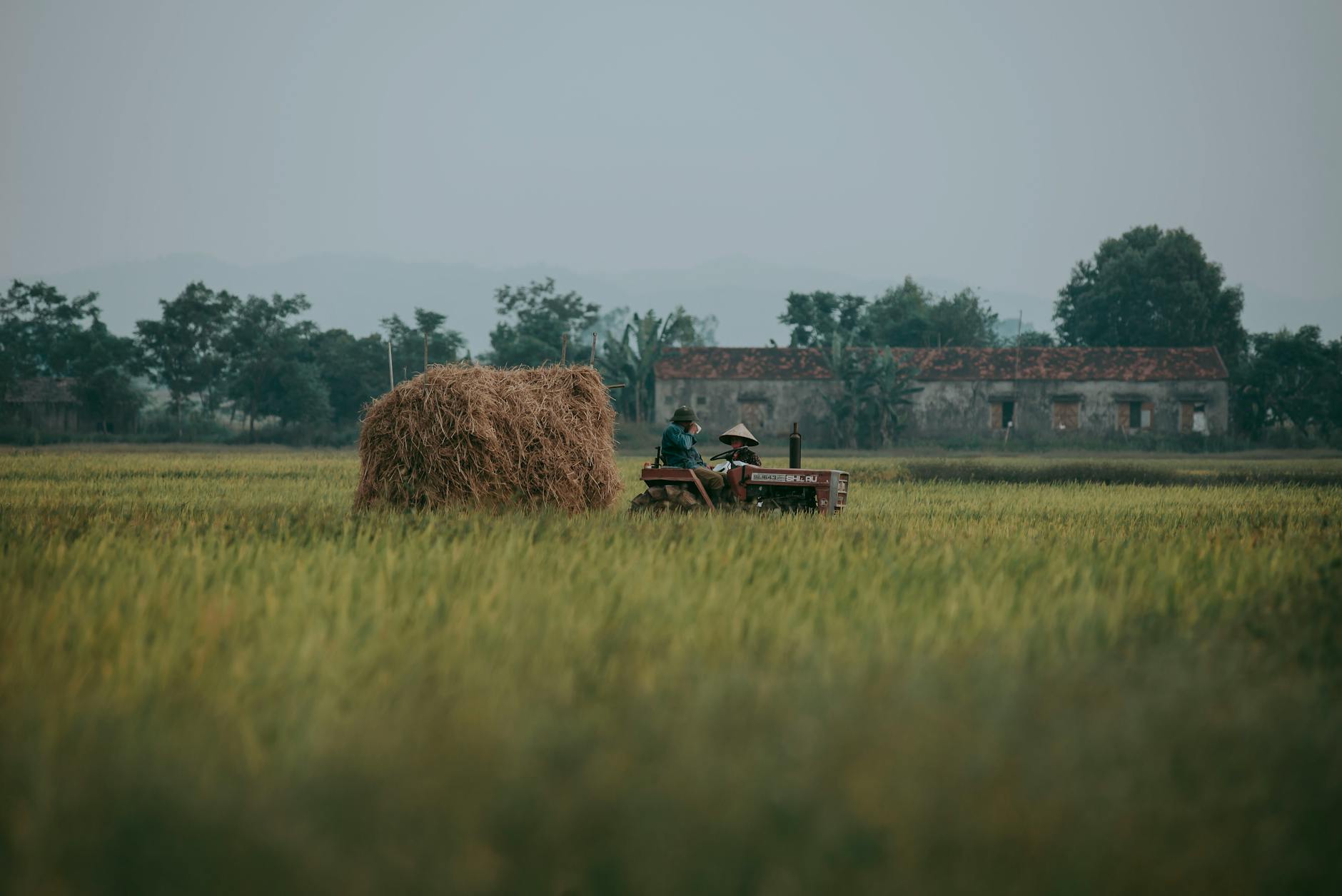
Buffalo riding happens in rural, rice-farming areas outside major cities. The Mekong Delta (south, near Ho Chi Minh City region), the Red River Delta (north, outside Hanoi), and central highlands near Da Lat all have buffalo and working farms. Northern routes often wind through limestone hills and small villages; southern routes cross open paddies and waterways. For American visitors, the northern version (near Hanoi) offers more dramatic scenery and cooler weather; the southern version is lusher and hotter. Each region has different seasonal rhythms: the north is dry and cool October–March; the south is drier and more comfortable November–February. Farm and countryside experiences in each region include buffalo as one option, but we also blend rides with farm meals, visits to family kitchens, or nearby temples. Ask us which region matches your weather tolerance and trip dates.
How do I stay safe and comfortable during a 2–4 hour ride?
Safety depends almost entirely on listening to your handler and respecting the buffalo's signals. Wear long pants (sun, saddle chafe, and insect protection); closed-toe shoes with grip (flip-flops slide off in mud); and a hat or cap. Bring water (dehydration creeps up on you in rural Vietnam heat). Apply sunscreen before the ride; reapply afterward. Tell your handler immediately if you feel the buffalo tensing, shifting strangely, or slowing more than usual—it usually means discomfort or a need for rest, not danger. If rain comes mid-ride, we usually slow or pause; buffalo are cautious in downpours and won't slip, but wet mud is slippery underfoot. Never kick, shout at, or jerk the rope without the handler's instruction. If you feel unstable, grip the saddle rope, not the buffalo's horns (they're not a handle and can hurt the animal). Most injuries happen during mounting or dismounting, not riding—take that step slowly, ask for a hand, or ask the handler to bring the buffalo lower. We carry basic first aid and know the nearest clinic. Allergies to animal dander or strong smells (cattle, manure) should be mentioned when you book so we can prepare or adjust.

What's the difference between buffalo riding, horse riding, and other farm activities?
| Activity | Pace & Feel | Best For | Duration | Skill Level |
|---|---|---|---|---|
| Buffalo riding | Slow, meditative, gait is rolling | Beginners, culture seekers, photo lovers | 2–4 hours | None required |
| Horse riding experience | Medium-paced, rider steers, more active | Experienced riders, adventure seekers, fitness focus | 1–3 hours | Basic–intermediate |
| Farm and countryside experiences | Walking + activities + meals + animals | Families, foodies, cultural immersion | Half-day to full day | Flexible |
| Ox cart rides | Very slow, open-air, rustic seating | Elderly, families, photo sessions | 30–60 minutes | None required |
| Motorcycle farm tours | Fast, modern transport, village stops | Time-conscious travelers, food + scenery lovers | 3–4 hours | None required |
Buffalo riding wins if you want to sit on an animal, move slowly through rural space, and feel genuinely part of the landscape. Horse riding is faster and more physically engaging. Farm experiences bundle animals with meals, workshops (like Vietnamese cooking class in a family kitchen), and longer cultural immersion. We often combine buffalo riding with a farm meal or a street food and market tour to a nearby village market.
What happens if it rains, and what's the actual weather risk?
Rain in Vietnam is seasonal and sometimes predictable. November–March: occasional drizzle, mostly dry. April–September: heavy, sudden downpours, especially afternoons. On a light drizzle day, we ride—buffalo handle wet ground fine, and it's actually quieter and cooler. On a thunderstorm warning or heavy downpour day, we reschedule. Very rarely does a storm arrive during a scheduled ride (we watch the sky and have radio contact); if it does, we seek shelter or cut the ride short. Wet mud is slippery for your feet at mount/dismount; ask the handler to stand closer. Buffalo don't spook in rain; they slow slightly and become even more cautious. Humidity is the bigger discomfort: June–August can feel like riding through thick soup. We provide extra water, suggest early-morning rides, and remind you that you will sweat and smell like cattle afterward. If heat exhaustion is a concern (history of heat sensitivity, older age, medications), book November–March or tell us to schedule an early morning start.
What to check before you book a buffalo riding experience
- Confirm your physical comfort level. Can you mount a 4-foot step, sit astride for 2+ hours, and stay calm around large animals? If unsure, ask us directly.
- Pick a season that fits your weather tolerance. Hot, humid? Choose October–March. Don't mind heat? Any month works, but early mornings are kinder.
- Bring appropriate gear. Long pants, closed shoes, hat, sunscreen, water. We'll remind you by WhatsApp.
- State any allergies or fears when booking. Animal dander, strong smells, anxiety around animals—all manageable with notice.
- Ask about the specific buffalo and handler. Are they the same each time? How old is the buffalo? This builds confidence.
- Understand the itinerary blend. Is it buffalo only, or combined with a farm meal, village walk, or market visit? Ask what's included.
- Know the group size. Solo, couple, family, or group of 6? Smaller is usually calmer; larger is more fun and cheaper per person.
- Ask about photo time. If photography matters, tell us—we'll position the handler and buffalo for good light.
FAQ
Will I fall off the buffalo?
Falling is rare because buffalo don't buck, shy, or bolt. The handler controls pace and direction. Most falls happen during clumsy mounting or dismounting, not riding—we take that slowly and offer a hand.
Is it cruel to ride a water buffalo?
These buffalo are used to farm work daily (plowing, pulling carts). A rider's weight is less strain than a loaded plow. We only work with buffalo raised by families in their village, treated as working partners, rested regularly, and given water and shade. If you see signs of stress (rapid breathing, resistance to move, injury), tell your handler immediately; we stop.
Can I ride if I'm heavy or very tall?
Buffalo have weight limits around 250 pounds (due to saddle design and spinal strain). Very tall riders (over 6'4") sometimes feel saddle discomfort. Tell us your height and weight when booking; we'll match you honestly or suggest an alternative like farm and countryside experiences that don't involve riding.
What if I'm scared of animals?
Most nervous guests relax within 10 minutes on a buffalo. They're not reactive like horses. But if you have severe animal phobia, talk to us before booking. We can explain the buffalo's behavior, arrange a shorter ride, or suggest a farm experience without animal contact.
Can kids ride, and what age is safe?
Children from about 5 years old can ride, usually paired with a parent or handler. Kids under 8 often need help mounting or ride with a parent seated behind them. Teens and older kids (8+) ride independently. Helmet use is optional but recommended; we have adjustable helmets available—ask when you book.
What do I wear and bring?
Long pants (denim or lightweight cotton), closed-toe shoes with grip, a hat, sunscreen, water, and a small bag for valuables. Avoid flip-flops, shorts, and jewelry (can catch on saddle or upset the buffalo). Bring a change of clothes if you're worried about sweat and dust—you will smell like cattle and mud.
Is this experience available in all Vietnamese regions, or only certain areas?
Buffalo riding is available near Hanoi (Red River Delta), in the Mekong Delta (south), and in central regions. Not all areas have well-trained buffalo or safe routes for visitors. We arrange experiences only in regions where handlers are experienced and buffalo are calm. Ask us which region suits your dates and preferences.
Ask about dates
Tell us the city, your dates and what you would like to try. We reply on WhatsApp in English with options and availability.
FAQ
Will I fall off the buffalo?
Falling is rare because buffalo don't buck, shy, or bolt. The handler controls pace and direction. Most falls happen during clumsy mounting or dismounting, not riding—we take that slowly and offer a hand.
Is it cruel to ride a water buffalo?
These buffalo are used to farm work daily (plowing, pulling carts). A rider's weight is less strain than a loaded plow. We only work with buffalo raised by families in their village, treated as working partners, rested regularly, and given water and shade. If you see signs of stress (rapid breathing, resistance to move, injury), tell your handler immediately; we stop.
Can I ride if I'm heavy or very tall?
Buffalo have weight limits around 250 pounds (due to saddle design and spinal strain). Very tall riders (over 6'4") sometimes feel saddle discomfort. Tell us your height and weight when booking; we'll match you honestly or suggest an alternative like [farm and countryside experiences](/farm-experience) that don't involve riding.
What if I'm scared of animals?
Most nervous guests relax within 10 minutes on a buffalo. They're not reactive like horses. But if you have severe animal phobia, talk to us before booking. We can explain the buffalo's behavior, arrange a shorter ride, or suggest a farm experience without animal contact.
Can kids ride, and what age is safe?
Children from about 5 years old can ride, usually paired with a parent or handler. Kids under 8 often need help mounting or ride with a parent seated behind them. Teens and older kids (8+) ride independently. Helmet use is optional but recommended; we have adjustable helmets available—ask when you book.
What do I wear and bring?
Long pants (denim or lightweight cotton), closed-toe shoes with grip, a hat, sunscreen, water, and a small bag for valuables. Avoid flip-flops, shorts, and jewelry (can catch on saddle or upset the buffalo). Bring a change of clothes if you're worried about sweat and dust—you will smell like cattle and mud.
Is this experience available in all Vietnamese regions, or only certain areas?
Buffalo riding is available near Hanoi (Red River Delta), in the Mekong Delta (south), and in central regions. Not all areas have well-trained buffalo or safe routes for visitors. We arrange experiences only in regions where handlers are experienced and buffalo are calm. Ask us which region suits your dates and preferences.
More like this
Farm and countryside days
Fishing Experience Vietnam for Japanese Travelers: Where to Go & What to Expect
Vietnam's waterways offer Japanese travelers a chance to learn traditional fishing methods directly from locals. Cáo Experiences runs half- and full-day sessions on rivers, lakes and the Mekong Delta where you cast nets, set traps, and cook your catch.
Farm and countryside days
Fishing Experience Vietnam for Foreigners: Hands-On Guide
Fishing in Vietnam isn't a spectator sport—you'll wade into rivers, cast nets, trap fish in baskets, and cook your catch for lunch. We run small-group and private fishing days in the countryside outside Hanoi, Ha Noi region, and the Mekong Delta.
Farm and countryside days
Fishing Experience in Vietnam: 8 Questions to Ask Before You Go
Fishing in Vietnam means wading through rice paddies, learning trap techniques, or casting in rivers with local guides. Here's what to ask before you book.