
Home › Blog › Farm and countryside days
Buffalo Riding Experience Vietnam vs Bali: Where to Go
By the Cáo Experiences team · 2026-11-06
Buffalo riding exists in both Vietnam and Bali, but the experience differs sharply. In Vietnam, we work with water buffalo in rice paddies and river valleys—slower, muddier, closer to daily rural life. Bali offers tourist-focused buffalo rides on beaches and terraced farms, often with younger animals and shorter routes. Vietnam's water buffalo are larger, slower, and integral to farming; Bali's are more accustomed to tourists but may work longer hours. A typical Vietnam session through Cáo Experiences lasts 2–3 hours including preparation, a wade through paddies, and time with the animal—no experience needed. Bali rides vary by operator but often pack more riders per day. Both require basic fitness and comfort around large animals. Cost and scheduling differ; ask us for dates and a quote on WhatsApp. Neither is inherently "better"—it depends on whether you want immersion in working farm culture (Vietnam) or a scenic, accessible ride (Bali).
How does buffalo riding work differently in rice paddies versus beaches?
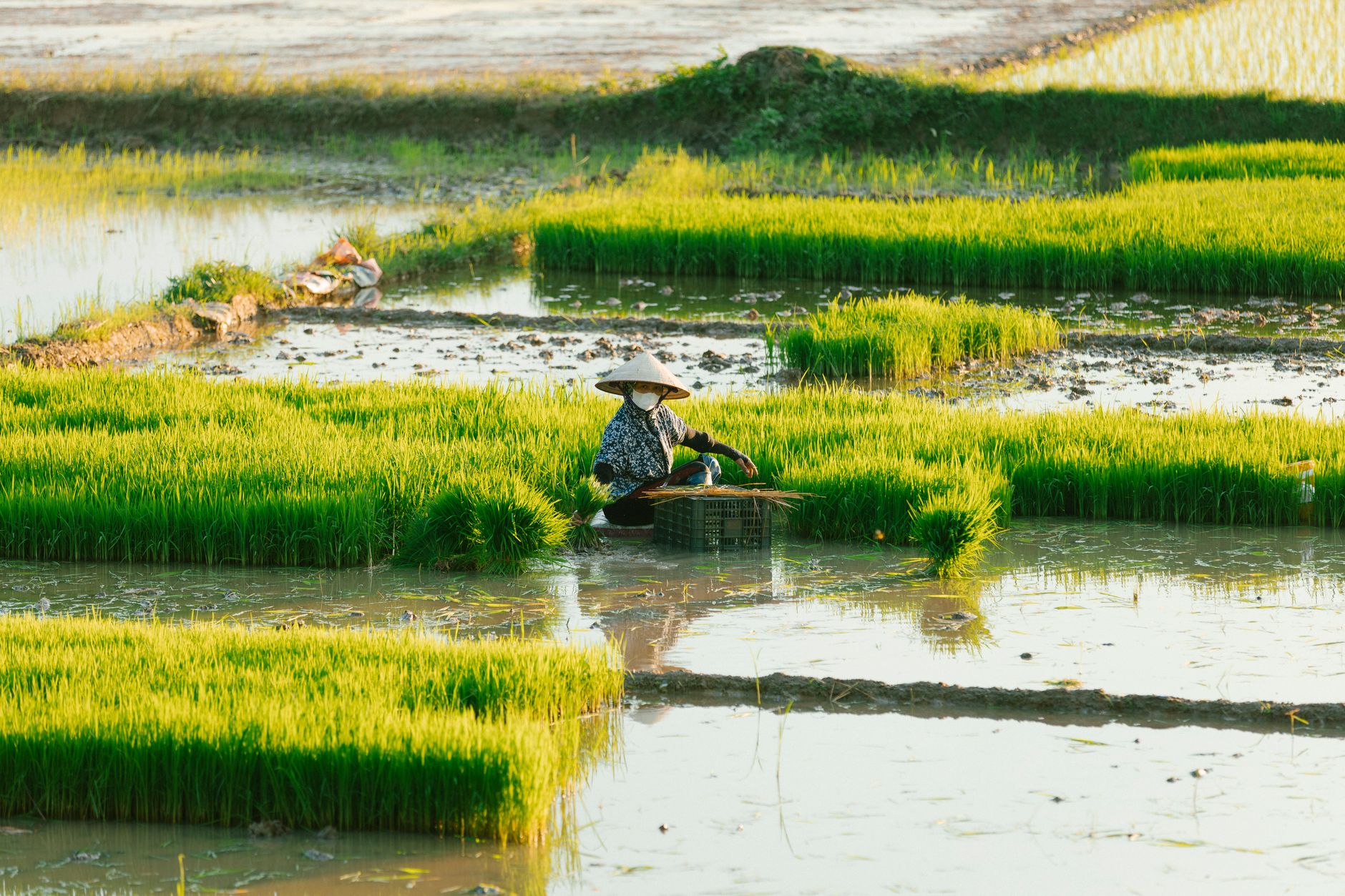
Vietnam's water buffalo live in flooded paddies where they work half the year. We ride bareback or on a simple wooden saddle through shallow water, mud, and grass, moving at their natural pace—often a walk. The animal decides the route; you learn to read its body and trust it. Bali's beach and terraced-farm rides happen on drier, more predictable terrain. Riders tend to sit higher, the route is set, and rides are shorter. In Vietnam, you wade beside the buffalo as much as you ride; in Bali, you stay mounted most of the time. Both teach respect for the animal, but Vietnam's experience is messier and less controlled—which appeals to people seeking authenticity over comfort.
What's the difference in animal welfare and working conditions?
Water buffalo in Vietnam's rice belt are essential to the farming cycle; they work 4–6 months a year during plowing and flooding, then rest and graze. We coordinate with family farms where animals have paddies to roam, water to cool in, and time off-season. Bali's tourism industry moves animals more frequently and sometimes keeps them working year-round. Not all Bali operators prioritize rest days or adequate grazing. In Vietnam, the buffalo you ride likely worked that morning or will tomorrow; you're part of its rhythm, not a separate tourist activity. Ask any operator—ours or elsewhere—how many hours per day the animal works, whether it has access to water and shade between rides, and how long it has lived on that farm. This matters more than location.
Which experience suits families and beginners better?
Both work for beginners and families if you choose the right operator and season. In Vietnam, our sessions start on dry land with grooming, feeding, and walking before any riding. Kids aged 8+ can typically manage a 2–3 hour session if they're comfortable around large animals; younger children can walk alongside. We adapt for nervous riders by letting them stay on the ground longer, ride with a handler, or just walk with the buffalo. Bali's shorter, more controlled rides suit impatient kids and people with limited time, but they feel less intimate. Seniors can do both—Vietnam's slower pace is gentler on joints, though mud and uneven ground require balance. Neither involves jumping, galloping, or surprise moves if you choose a farm-based operator over a tourist-trap hustle. The key: ask the operator how many other riders will be there and what happens if someone feels unsafe mid-ride.
How do seasonal weather and terrain affect each location?
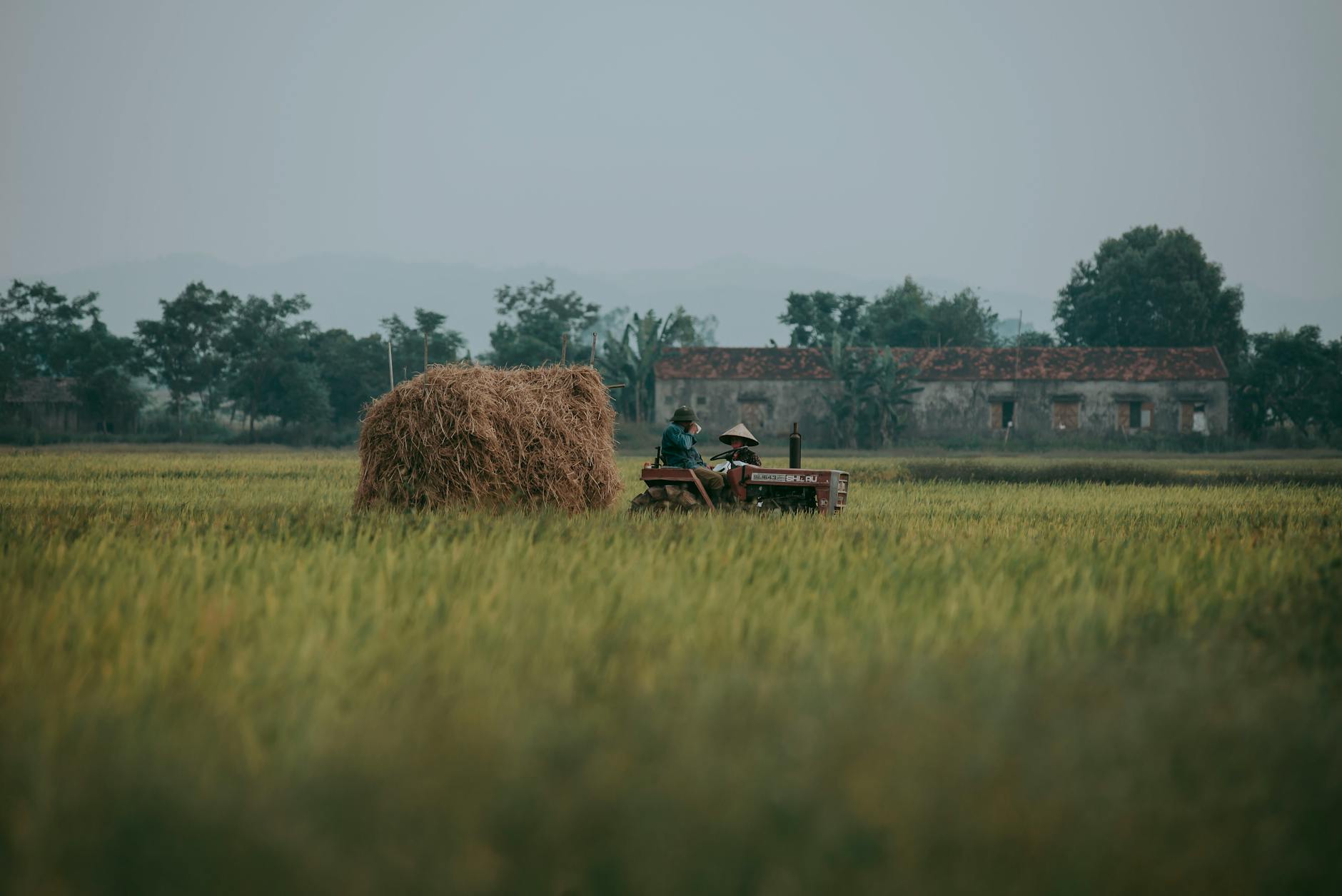
Vietnam's buffalo season peaks May–September, when paddies flood and animals work actively. Rain is common; we work around it. Rides happen in mud, water, sometimes during drizzle—wear clothes you don't mind losing and waterproof footwear. Dry season (October–April) means lower water, firmer ground, fewer animals actively riding, and sometimes farmers less keen to share their animals. Bali's dry season is July–September; the rainy monsoon (November–March) makes some rides muddy or postponed. Bali's terrain is gentler but less variable. In Vietnam, you experience the landscape as it actually is; in Bali, the terrain is managed for tourism. If you hate mud, Bali in peak dry season is safer. If you want to see where 80% of Vietnam's rice comes from, accept that mud is part of it.

What's the actual cost and time commitment, and how do they compare?
We don't state prices here, but ask us for dates and a quote on WhatsApp—it depends on group size, season, and whether you combine it with other activities. Bali operators typically advertise lower headline rates because they move more volume; actual costs per rider may not differ widely. Vietnam sessions are usually 2–3 hours including preparation; Bali's range from 1–2 hours. A fair comparison: Do you want a 3-hour immersion in a real working farm, or a 1-hour scenic ride with photo ops? Both have value. Factor in transport time from where you're staying—that often tips the scale toward Bali for day-trippers, and toward Vietnam for people based in Hanoi or the Red River Delta. Our farm and countryside experiences bundle buffalo riding with cooking, market visits, or village walks—that changes the value math entirely.
Comparison: Buffalo Riding Operator Types in Each Region
| Operator Type | Location | Rides per Day | Animal Rest | Terrain | Best For |
|---|---|---|---|---|---|
| Family farm (working) | Vietnam (N. Delta) | 2–4 | High (seasonal) | Paddies, water, mud | Immersion seekers |
| Tour company (dedicated herd) | Bali (ubud, beaches) | 8–12 | Medium | Pasture, sand, dry trails | Photo, accessibility |
| Commercial multi-activity farm | Both | 4–8 | Variable | Mixed | Groups, variety |
| Luxury resort operator | Bali (resort-based) | 2–6 | High | Groomed trails | Comfort, safety |
What should you check before booking a buffalo ride, anywhere?
Ask these four questions of any operator:
- How many rides per animal per day, and how long is each? More than 6 rides of 1+ hour each suggests burnout risk.
- Do you own/lease the buffalo, or contract them daily? Owned animals are typically better cared for.
- What's the rider weight and fitness limit? (There usually is one; animals have real biomechanical limits.)
- If someone feels unsafe, can they stop, walk beside, or leave without penalty? A good operator says yes immediately.
In Vietnam, we answer these openly; our buffalo are family-farm animals we've worked with for years. Contact us if you want details before deciding. Bali's industry is larger and less regulated—you'll find stellar operators and poor ones. Read reviews from the past three months (seasonal bias matters), not older ones. Ask about recent vet care and water access specifically.
The real difference: What you're actually choosing
Vietnam buffalo riding through Cáo Experiences is not faster, fancier, or easier than Bali's best options. It's slower, muddier, and rooted in a landscape where water buffalo are not a tourist attraction but a farming partner we're inviting you to meet. You'll smell the paddies, feel the animal's warmth, and understand why these animals matter here. Bali offers beauty and accessibility—both valuable. But if you want to see how rice is actually grown, and why buffalo are still here despite tractors, Vietnam's river valleys are where that story lives. Choose based on your comfort level, time, and whether you want a ride or a connection.
Many guests combine buffalo riding with other farm and countryside experiences—a market visit, cooking class, or tea session in the same village. That deepens the experience and answers questions the ride alone leaves open. We can help you build that itinerary.
See how a session runs
Pages from our team you may need
- Vietnamese cooking class
- street food and market tour
- Vietnamese coffee workshop
- flower arranging workshop
FAQ
Can children ride buffalo in Vietnam?
Yes, ages 8+ typically manage a 2–3 hour session if comfortable around large animals. Younger kids can walk alongside. We assess fitness and confidence on the day; no child rides alone or without a handler nearby.
Is buffalo riding safe compared to horse riding?
Both are safe if the animal and operator are well-cared-for. Buffalo are calmer and slower than horses, so falls are less dramatic. The real risk is poor operator judgment—always ask about animal fatigue and rider supervision.
What if it rains during my Vietnam session?
We work in light rain; mud and water are part of the experience. If weather turns severe (flooding risk), we reschedule. Ask us about the best months for your comfort level.
Do I need riding experience for buffalo?
No. We teach bareback balance and how to read the animal's body. Most beginners feel confident within 30 minutes. If you're very nervous, you can walk beside instead.
How is buffalo riding different from a riding stable or tourist farm?
Our partners are working farms where buffalo are essential to the business year-round. You're learning from farmers, not tour guides. The animal you meet works that land; you're not the main point of its day. That context changes everything.
Can I combine buffalo riding with cooking or other experiences?
Yes—many guests add a cooking class or coffee workshop in the same village or region. This lets you meet the people, taste the food, and understand the place more deeply. Ask us about bundling when you contact us.
Ask about dates
Tell us the city, your dates and what you would like to try. We reply on WhatsApp in English with options and availability.
FAQ
Can children ride buffalo in Vietnam?
Yes, ages 8+ typically manage a 2–3 hour session if comfortable around large animals. Younger kids can walk alongside. We assess fitness and confidence on the day; no child rides alone or without a handler nearby.
Is buffalo riding safe compared to horse riding?
Both are safe if the animal and operator are well-cared-for. Buffalo are calmer and slower than horses, so falls are less dramatic. The real risk is poor operator judgment—always ask about animal fatigue and rider supervision.
What if it rains during my Vietnam session?
We work in light rain; mud and water are part of the experience. If weather turns severe (flooding risk), we reschedule. Ask us about the best months for your comfort level.
Do I need riding experience for buffalo?
No. We teach bareback balance and how to read the animal's body. Most beginners feel confident within 30 minutes. If you're very nervous, you can walk beside instead.
How is buffalo riding different from a riding stable or tourist farm?
Our partners are working farms where buffalo are essential to the business year-round. You're learning from farmers, not tour guides. The animal you meet works that land; you're not the main point of its day. That context changes everything.
Can I combine buffalo riding with cooking or other experiences?
Yes—many guests add a [cooking class](/cooking-class) or [coffee workshop](/coffee-workshop) in the same village or region. This lets you meet the people, taste the food, and understand the place more deeply. Ask us about bundling when you [contact us](/contact).
More like this
Farm and countryside days
Fishing Experience Vietnam for Japanese Travelers: Where to Go & What to Expect
Vietnam's waterways offer Japanese travelers a chance to learn traditional fishing methods directly from locals. Cáo Experiences runs half- and full-day sessions on rivers, lakes and the Mekong Delta where you cast nets, set traps, and cook your catch.
Farm and countryside days
Fishing Experience Vietnam for Foreigners: Hands-On Guide
Fishing in Vietnam isn't a spectator sport—you'll wade into rivers, cast nets, trap fish in baskets, and cook your catch for lunch. We run small-group and private fishing days in the countryside outside Hanoi, Ha Noi region, and the Mekong Delta.
Farm and countryside days
Fishing Experience in Vietnam: 8 Questions to Ask Before You Go
Fishing in Vietnam means wading through rice paddies, learning trap techniques, or casting in rivers with local guides. Here's what to ask before you book.