
Home › Blog › Farm and countryside days
Countryside day trip from Hanoi: what to do, where to go
By the Cáo Experiences team · 2026-11-06
A countryside day trip from Hanoi means leaving the city by motorbike, car or bicycle for rice paddies, villages and farms in the rural provinces within 30–90 minutes of the center. Cáo Experiences runs half-day and full-day immersions in working farmland where you ride horses through fields, cook in a family kitchen, or spend morning hours learning crop cycles and village routines—breakfast or lunch included. The cost basis depends on group size and activities chosen (ask us for dates and a quote on WhatsApp). Most trips suit all ages and fitness levels; we adapt for rain by moving into covered kitchens or workshop spaces, and for dietary needs by pre-coordinating ingredients. Avoid peak midday heat (go early morning or late afternoon) and assume uneven paths and muddy conditions in wet season. Ask about dates on WhatsApp
Why leave Hanoi at all for countryside?
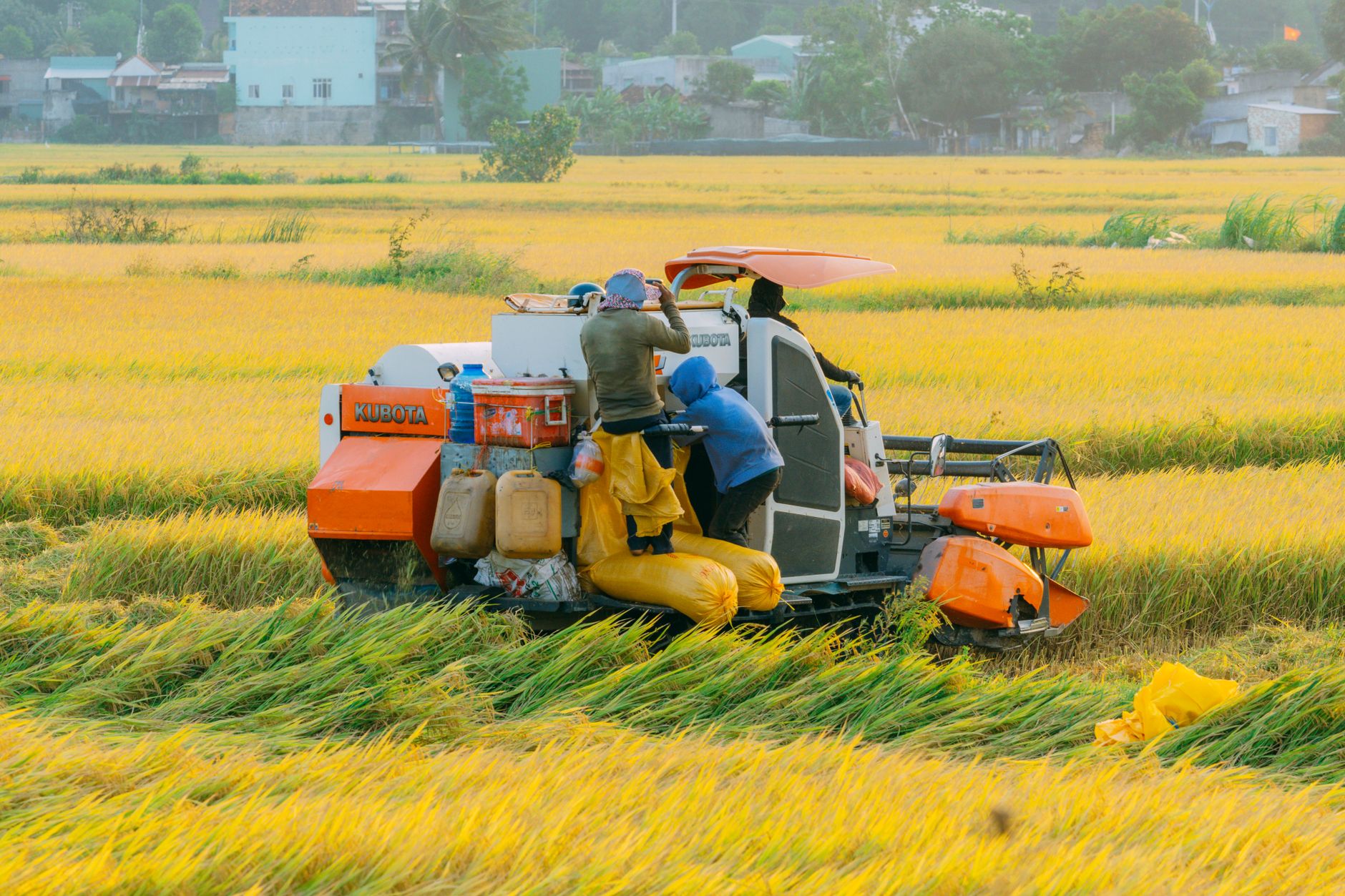
Hanoi's energy is magnetic, but the countryside holds what the city has lost: silence, seasonal rhythms, and people working their own land. Within an hour's ride, you reach villages where no one speaks English, where breakfast is a bread roll and thick coffee from a street vendor, where water buffaloes wade through paddies at dawn. The air smells of woodsmoke and manure. A countryside day trip strips away the guided-tour filter and puts you in a place where you're the novelty, not the attraction. You see how rice grows from water to grain, how families organize labor, what "simple" actually means when half your income comes from a 0.3-hectare plot. That clarity is why people come back.
What activities fit a full day outside the city?
A full countryside day with us typically runs six to eight hours and mixes three or four activities so you're not bored and not exhausted. You might start at dawn on horseback through wet-season fields, return to a farmhouse, help prepare and cook lunch in a wood-fired kitchen, then walk through a nearby craft village or sit with a tea farmer on his porch. Other combinations include market-buying with a local cook, learning to plant or harvest by hand, and visiting a family that raises silkworms or makes lime from shells. Beginners worry they'll slow the group down: we move at your pace, and everyone ends up tired in the same happy way. Kids love riding and mud; seniors prefer cooking and sitting sessions. Rain doesn't cancel—it deepens the experience (paddies flood, air cools, locals keep working). We adapt the schedule on the day based on what you want to linger on.
Explore our horse riding experiences
How do you get there and stay safe?
We arrange transport. Most guests take a shared or private car, motorbike with one of us driving, or—if the route is flat and safe—bicycles. The drive is loud, chaotic, then suddenly quiet once you're past the outer suburbs. Roads are narrow and potholed; assume 45–90 minutes depending on direction and time of day. Motorbike riders sit higher and see more; car passengers sleep or chat. We navigate; you don't. Safety is our constant: we avoid peak traffic hours, use helmets, stay off main highways, and have phone coverage at all times. Older travelers and anyone nervous about two-wheelers take a car. Children under eight usually go by car or sit with a guide on a slower bike route. The drive itself is the trip's first lesson: how the city thins, how rural Hanoi looks, where your food actually comes from.
What do you actually eat on a countryside day?
Breakfast or lunch is cooked in the house you visit, from ingredients we've shopped for or grown there. You don't eat at a restaurant; you eat at a table where a family lives. A typical lunch is rice, a vegetable stir-fry, a soup, fresh herbs, and fish or chicken. You help prepare it. If you're vegetarian or allergic to fish sauce, we know this beforehand and plan the menu together—the host family is used to it. Snacks are fresh fruit, coffee, or tea depending on the season. The portions are generous and deliberately simple: the point is that food tastes different when you've seen the rice field and met the person who planted it. Coffee tastes sharper. Greens taste sweeter. Nobody leaves hungry. If you have severe allergies or dietary restrictions, tell us on WhatsApp before booking so we can confirm the host can provide what you need.
Can you combine countryside with another experience?
Yes. A Vietnamese cooking class can be the main event—you spend the full day in a family kitchen learning three dishes and eating what you cook. A flower arranging workshop or craft workshop fits if the village specializes in that trade. Horse riding can extend into a half-day village walk. A Vietnamese coffee workshop works if you visit a small farm that roasts its own beans. Tea experiences suit hillier regions where tea grows. Many guests combine a farm and countryside day with an early morning street food and market tour in a village market. The magic is layering: you don't just see the countryside, you practice something in it.
See our full farm experiences
What to check before you book a countryside day
Skill and fitness. Horseback riding requires no prior experience, but you need to be comfortable on a moving animal; we teach you on the ground first. Walking is usually 45 minutes to two hours, on uneven ground. Cooking is gentle—no knife skills required. If you have a knee, hip, or back issue, tell us and we'll choose routes and activities that don't aggravate it.
Timing. Book two to four weeks ahead so we can contact the host family and confirm availability. We don't run countryside trips daily—they depend on the host's schedule and seasonal work. Ask us for open dates.
What to bring. Wear old clothes and closed shoes (mud, water, possible animal contact). Bring sunscreen, a hat, cash (many villages don't take cards), a reusable water bottle, and a small backpack. In wet season, bring a light rain jacket and expect wet feet.
Group size. We run private trips for couples and families, and small-group trips (four to eight people) on set dates. Private trips cost more but let you set the pace and choice of activities. Small groups are cheaper per person and often more fun—strangers end up swapping stories and trading photos.
Dietary and allergy needs. Tell us immediately. We work with hosts who are flexible, but advance notice makes a difference.
Language. The host family speaks minimal English; a guide translates. You don't need Vietnamese, but curiosity helps—ask questions, watch hands, listen to accents.

Comparison: countryside options
| Option | Duration | Best for | What's included |
|---|---|---|---|
| Half-day ride + walk | 4–5 hours | Horse lovers, families | Transport, horse, guide, snack |
| Full-day cooking + walk | 6–8 hours | Food curious, slower pace | Transport, market/shopping, cooking lesson, meal, guide |
| Craft village + farm | 5–6 hours | Makers, visual learners | Transport, workshop demo, host lunch, guide |
| Early market + countryside kitchen | 6–7 hours | Market fans, foodies | Transport, market walk, cooking, full meal, guide |
How the day actually feels: a real example
You meet at 6:30 a.m. in Hanoi's old quarter, groggy, holding coffee. A van pulls up. By 7:15 you're outside the city limits, watching hawkers stacking vegetables on carts. By 7:45 you're on a narrow lane where a woman on a bicycle is herding ducks. By 8 a.m., you're on a horse, reins in hand, a guide walking beside you, rice paddies in every direction and the air cool and smelling like mud. Your horse keeps stopping to eat grass. You laugh nervously and nudge him on. An hour later you're in a house with a red-tile roof, sitting on a plastic stool, chopping herbs for lunch while an older woman stirs a pot and talks to you in Vietnamese about her children—the guide translates. You don't understand most of it but you're smiling. Lunch is on a wooden table. The rice is warm. You eat with your hands and a spoon. By 3 p.m., you're sitting on the porch drinking tea, slightly sunburned, completely still, listening to motorbikes on the distant road. That's the feeling. That's what you can't book from a hotel.
Regional variations around Hanoi
North (towards Thai Nguyen): Tea-growing hills, craft villages, cooler air, longer drive (2–2.5 hours). Best for tea workshops and autumn trips.
East (towards Hai Duong): Flat rice country, fruit farms, mango and dragon fruit orchards. Best for seasonal harvests and farming families.
South (towards Hoa Binh): Mountainous, minority villages, longer routes, water buffalo herds. Best for riders and multi-day trips.
West (towards Son Tay): Closest farms, vegetable growers, silkworm families, easier terrain. Best for first-timers and families with young kids.
We know the differences and guide you to what matches your interests.
What to expect when it rains
Rain doesn't stop a countryside day; it changes the texture of it. Paddies fill. The guide wears a raincoat and laughs. Riding becomes softer and slower; paths get slippery, so we stick to flat sections or walk. Cooking happens in a covered kitchen or under an eave. The house smells stronger—woodsmoke, earth, wet thatch. Locals still move between fields and chores, unbothered. You see work that doesn't pause for weather. We have rain jackets if you didn't bring one. By lunchtime the sun often returns and steam rises from the fields.
Who this is and isn't for
Perfect for: Couples wanting a breakaway, families with kids aged 6+, food lovers, horse enthusiasts, anyone burned out by city noise, photographers, slow travelers, people on their second or third Hanoi trip.
Less ideal for: Those who need hotel comfort and restaurant guarantees, travelers on strict schedules (rural logistics shift), anyone with severe physical limitations not disclosed upfront, folks afraid of animals or mud.
We'll tell you honestly whether your expectations fit what we offer. If you're unsure, message us on WhatsApp and describe what you're hoping for.
Learn about experiences in Hanoi

FAQ
How far is "countryside" from Hanoi's center?
30–90 minutes by car or motorbike depending on direction and traffic. We aim for routes where you're still in Hanoi province but clearly out of the city—rice fields visible, houses spaced apart, no tourist restaurants.
What's the earliest I can start a countryside trip?
6:30–7:00 a.m. to catch farm routines and cooler air. We meet in the old quarter; if you're elsewhere, we adjust the pickup point and time.
Can I book a private countryside day for just two people?
Yes. Private trips cost more but let you set the pace, activity mix, and timing. Ask us for a quote on WhatsApp.
What if I'm not confident on a horse?
We teach you before mounting—how to hold reins, how the horse responds, walk-only routes. Many nervous riders end up loving it. If you remain uncomfortable, we substitute walking or a car ride through the same landscape.
Do I need to speak Vietnamese?
No. A guide translates. Pointing, smiling, and asking "why?" gets you far. Locals appreciate the effort even if words don't come.
What's the best season for a countryside day from Hanoi?
October–November (cool, dry, green after rain) and March–April (spring warmth, less humidity). June–August is hot and sticky; September can bring typhoons. Winter (December–February) is clear and crisp.
Can kids join a countryside day?
Yes, ages 6 and up. Younger kids (4–5) can go by car and do gentle farm walks. Riding is usually safe from age 8+, depending on the child's confidence. Tell us their age so we plan accordingly.
Ask about dates
Tell us the city, your dates and what you would like to try. We reply on WhatsApp in English with options and availability.
FAQ
How far is "countryside" from Hanoi's center?
30–90 minutes by car or motorbike depending on direction and traffic. We aim for routes where you're still in Hanoi province but clearly out of the city—rice fields visible, houses spaced apart, no tourist restaurants.
What's the earliest I can start a countryside trip?
6:30–7:00 a.m. to catch farm routines and cooler air. We meet in the old quarter; if you're elsewhere, we adjust the pickup point and time.
Can I book a private countryside day for just two people?
Yes. Private trips cost more but let you set the pace, activity mix, and timing. Ask us for a quote on WhatsApp.
What if I'm not confident on a horse?
We teach you before mounting—how to hold reins, how the horse responds, walk-only routes. Many nervous riders end up loving it. If you remain uncomfortable, we substitute walking or a car ride through the same landscape.
Do I need to speak Vietnamese?
No. A guide translates. Pointing, smiling, and asking "why?" gets you far. Locals appreciate the effort even if words don't come.
What's the best season for a countryside day from Hanoi?
October–November (cool, dry, green after rain) and March–April (spring warmth, less humidity). June–August is hot and sticky; September can bring typhoons. Winter (December–February) is clear and crisp.
Can kids join a countryside day?
Yes, ages 6 and up. Younger kids (4–5) can go by car and do gentle farm walks. Riding is usually safe from age 8+, depending on the child's confidence. Tell us their age so we plan accordingly.
More like this
Farm and countryside days
Fishing Experience Vietnam for Japanese Travelers: Where to Go & What to Expect
Vietnam's waterways offer Japanese travelers a chance to learn traditional fishing methods directly from locals. Cáo Experiences runs half- and full-day sessions on rivers, lakes and the Mekong Delta where you cast nets, set traps, and cook your catch.
Farm and countryside days
Fishing Experience Vietnam for Foreigners: Hands-On Guide
Fishing in Vietnam isn't a spectator sport—you'll wade into rivers, cast nets, trap fish in baskets, and cook your catch for lunch. We run small-group and private fishing days in the countryside outside Hanoi, Ha Noi region, and the Mekong Delta.
Farm and countryside days
Fishing Experience in Vietnam: 8 Questions to Ask Before You Go
Fishing in Vietnam means wading through rice paddies, learning trap techniques, or casting in rivers with local guides. Here's what to ask before you book.