
Home › Blog › Farm and countryside days
Countryside day trip in Vietnam for families: a working guide
By the Cáo Experiences team · 2026-11-06
A countryside day trip in Vietnam for families typically lasts 5–7 hours and puts children and adults into a functioning farm or village setting, usually 45 minutes to 1.5 hours outside a main city. You'll arrive early morning, walk through rice fields or vegetable plots with the farmer, help with seasonal tasks (transplanting, feeding animals, harvesting), rest during lunch, and learn to cook one or two dishes in a family kitchen using what you've gathered. Most trips suit ages 6–75; younger kids tire faster, seniors move at their own pace and we adapt work tasks. Rain doesn't stop us—we wear ponchos and shift focus to indoor cooking or shelter activities. Cost varies by location and group size; ask us for dates and a quote on WhatsApp. Avoid tours that promise "authentic" but keep you on a bus or separate you from the work; the point is to spend time with farmers, not watch them from a distance.
What actually happens hour by hour on a countryside day?
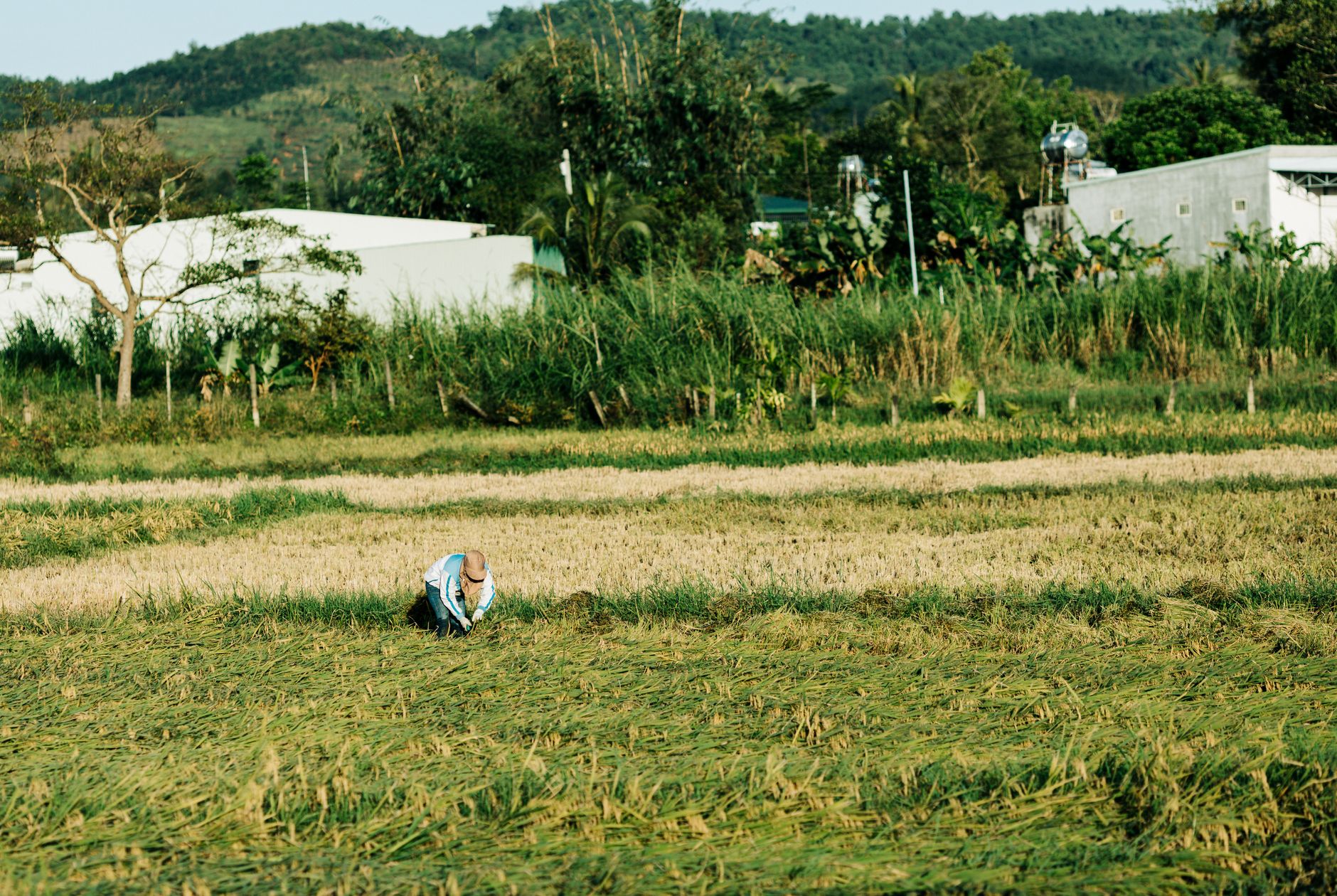
We meet you early—usually 6:30 or 7 a.m.—at an agreed pickup point in the city. Transport is by minivan or private car; it takes 45 minutes to 90 minutes depending on which city and farm. You arrive around 8 a.m. at a family-run farm in a rural lane, away from tourism infrastructure. The farmer or their family greets you in person. Then you walk the land together—usually rice paddies, vegetable gardens, or fruit orchards—and they explain what's happening that day: planting season, irrigation, pest management, or harvest. Kids often wear boots and wade into muddy fields; that's normal and intentional. You help for 60–90 minutes (weeding, planting, feeding buffaloes, collecting eggs). By 10 or 11 a.m., everyone is tired and hungry. You move indoors to the family kitchen—a real kitchen attached to their house, not a cooking school—and prepare lunch together. The farmer or a family member teaches you to make 1–2 dishes using herbs and vegetables from the farm. You eat together at their table. Afterward, you chat, rest, and depart around 1–2 p.m. The whole experience is farm and countryside experiences—no performance, no restaurant ending.
How do we handle children and different fitness levels?
Children aged 6–12 thrive if they like dirt and animals; younger siblings can come but tire quickly and may need to sit with a parent during the farm work. We never force a child to do something they're scared of—if a kid won't touch an animal, they can observe or help pick vegetables instead. Teenagers often surprise themselves by getting genuinely interested in rice cultivation or composting. For adults, we adapt the workload: seniors or anyone with joint issues does lighter tasks—sitting to shell beans, helping in the kitchen, or walking and talking with the farmer. We've supported guests with mobility aids; the farms we use have relatively flat terrain and the farmer understands. Pregnant guests, guests with respiratory issues in smoky kitchens, or anyone with specific physical needs—tell us beforehand on WhatsApp so we can match you with the right farm and plan accordingly. Rain actually helps younger kids relax into the day; it cools the fields and we shift earlier to cooking and shelter activities.
What should families actually pack and wear?
Wear closed-toe shoes with grip (old trainers, hiking boots, or waterproof shoes)—sandals get stuck in mud. Bring a lightweight change of clothes; you will get wet and muddy. A small backpack with a sun hat, sunscreen, insect repellent, and a reusable water bottle. Kids often want a plastic bag for treasures (stones, leaves, eggs they helped collect). Older children appreciate a small notebook to sketch plants or animals. Don't bring valuables; the farm is safe but there's nowhere secure to leave a bag. Wear long sleeves if you're concerned about insect bites, but most families don't worry once they're there. The farmer or their family provides tools; you don't need to bring your own. If you have allergies—peanuts, specific vegetables, shellfish—write them down and send photos of the ingredients you can't eat when you book. The family kitchen will have what you need, and we brief the farmer in advance. Many families ask if lunch is filling; it always is—you'll eat rice, a stir-fry or curry, soup, and fresh fruit.
Why do families choose a countryside day over city tours?
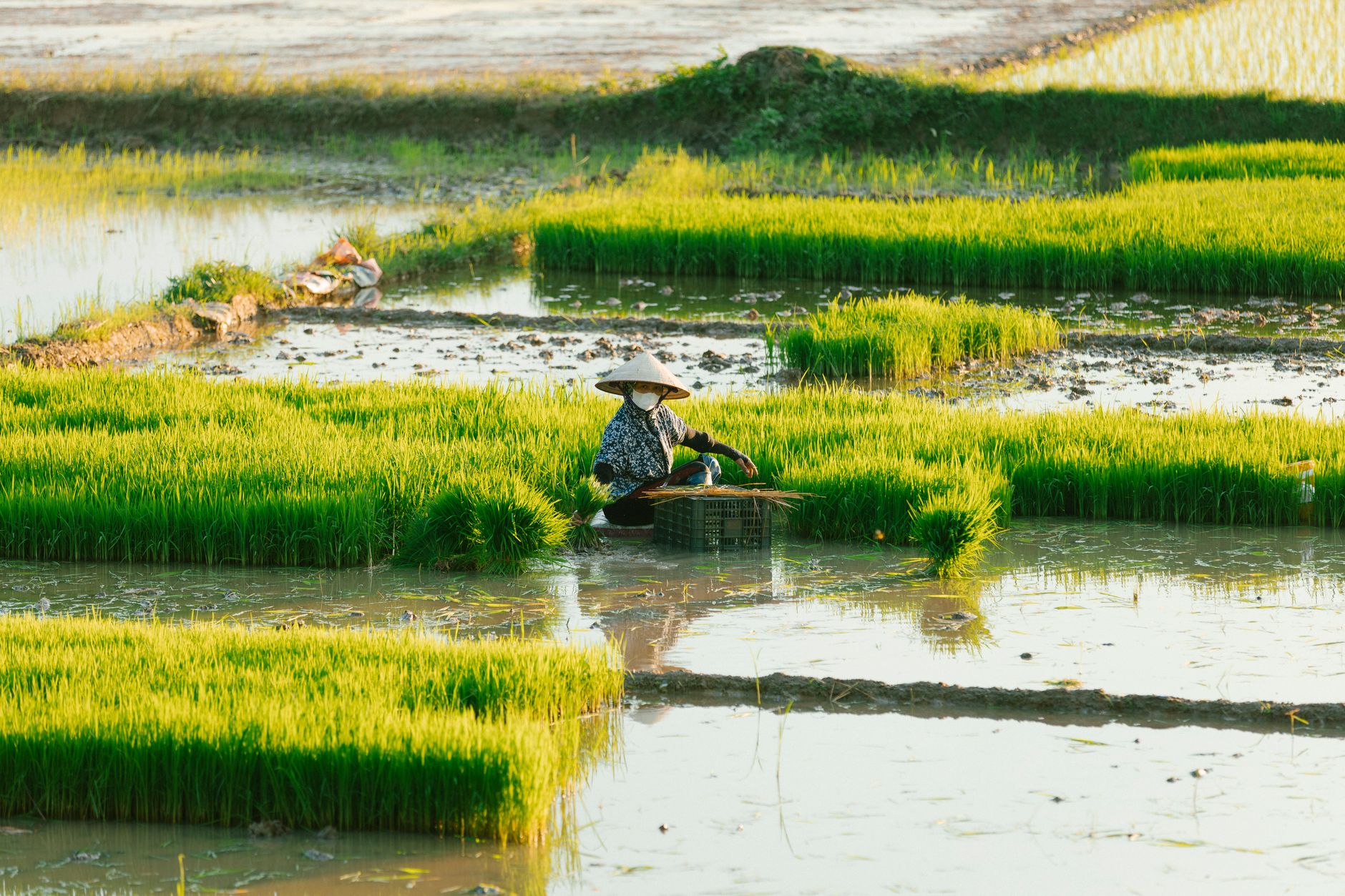
Children in cities get overwhelmed by noise, traffic, and queues at crowded street food and market tour sites. A countryside day is slower: you move at the farm's pace, take breaks when you need them, and no one rushes you through a temple or monument. The experience is tactile—kids remember the mud on their hands, the taste of herbs they picked, the farmer showing them how rice grows—far more than a photo at a famous landmark. Parents also relax; you're not managing a schedule or worrying about pickpockets. Teenagers are less likely to complain when they're actually doing something rather than standing still. Families with very small children (under 5) sometimes worry the day is too long; it's fine if you leave after 4–5 hours instead of the full 7. We've also noticed that multi-generational trips—grandparents, parents, and kids together—bond differently on a farm. Grandparents often know similar work from their own childhoods and share stories with the farmer. It's not a "kids' activity"; it's a family activity.
What's the difference between a farm day and other countryside experiences?
A farm day puts you into work alongside locals—you're not a visitor observing but a participant helping with real tasks. A horse riding experience focuses on horsemanship and landscape; you're mounted and moving. A cooking class (like Vietnamese cooking class) centers on the meal and technique; the farm context is secondary. A tea experience or wellness day emphasizes pause and reflection. A flower arranging workshop is hands-on craft in a dedicated space. A farm day is all of these mixed: you move your body, learn a local skill, eat food you helped prepare, meet a real family, and slow down—but it's not structured as a class. If your family wants education + activity + food + cultural connection in one morning, a farm day works. If you want something more focused (e.g., just riding, just cooking, just learning about tea), pick the specialized family experiences option instead.
| Experience Type | Best for | Duration | Physical demand |
|---|---|---|---|
| Countryside farm day | Mixed-age families, bonding, full sensory day | 5–7 hours | Moderate (muddy, standing, walking) |
| Horse riding | Outdoor enthusiasts, riders, scenic views | 2–3 hours | High (requires balance, confidence) |
| Cooking class | Food-curious families, sit-down learning | 3–4 hours | Low (standing/sitting in kitchen) |
| Tea ceremony | Calm, reflective families, adults | 2 hours | Very low (sitting indoors) |
| Flower arranging | Creative families, kids aged 8+, gift-making | 2–3 hours | Low (sitting, fine motor) |
What to check before you commit to a countryside day
Ask about the specific farm and village. Is it rice or vegetables? Are there animals (buffaloes, chickens, ducks)? How long is the walk? Is there a toilet? Does the kitchen have running water? Some farms are flatter and more accessible; others are hilly or muddy in ways that don't suit certain guests.
Confirm the farmer's language level. We translate, but some farmers speak a little English or French; others speak only Vietnamese. It doesn't affect the experience—body language and demonstration work—but set expectations.
Tell us about dietary restrictions early. Vegetarian, gluten-free, allergies, and religious requirements are all manageable, but the farmer needs to know when you book, not when you arrive.
Check the season. Planting season (May–June) and harvest (September–October) are busiest and most dramatic; dry season (November–February) is cooler but less active. Spring rains are muddy but beautiful; summer is hot. Ask which farm is best for your dates.
Decide if rain is a dealbreaker. We operate in light rain and shift activities indoors (cooking takes longer, becomes the main event). Heavy downpours shut us down; we reschedule with no charge.
Arrange transport yourself or use ours. We can book a driver; you can also take a taxi or arrange your own car. Either way, communicate your hotel pickup address clearly.

FAQ
Can toddlers (under 4) come on a countryside day?
Yes, but they tire quickly and won't do farm work; they observe, play with safe items (sticks, stones), and stay close to a parent. Some families bring a toddler and older child together; the day works best if at least one adult is free to sit with the little one if needed. Let us know your child's age and mobility when you ask about dates.
What if someone in the family has never cooked before?
We don't teach technique—we show you what the farm family cooks and you make it together. Beginners often feel less pressure on a farm than in a formal class because there's no "right" way to chop garlic or stir-fry; the farmer just shows you how they do it. Kids usually lead, adults follow.
Is the food safe to eat if we're not used to Vietnamese rural kitchens?
Yes. The farm family cooks for themselves daily; the kitchen is clean by their standards. Water is boiled, ingredients are fresh from the farm or a local market, and vegetables are cooked thoroughly. If you have severe food sensitivities, tell us and we'll brief the family on what to avoid. We've never had guests get sick.
Do we need to book weeks in advance, or can we book last-minute?
We can often arrange a farm day 5–7 days ahead, sometimes sooner depending on availability and which city. Farms aren't fixed locations; each session is matched to the farmer's schedule and your dates. Ask us for dates and availability on WhatsApp and we'll reply within 24 hours.
What happens if it rains heavily or a family member gets injured and we can't continue?
Light rain we work through; heavy downpours we reschedule with no charge. If someone gets hurt—a twisted ankle or similar—we stop, and you're welcome to rest or leave early. We don't charge for partial days cancelled due to weather or injury. The farmer and we prioritize your wellbeing over the schedule.
Can we do a private countryside day just for our family, or is it always a group?
Both. Small groups (2–3 families) are common and keep costs reasonable. Private days for one family are possible; ask about dates on WhatsApp for a private quote. Private days are quieter and easier for young kids or very large age gaps (e.g., 6-year-olds and 80-year-olds in one family). --- Ask about dates on WhatsApp
Ask about dates
Tell us the city, your dates and what you would like to try. We reply on WhatsApp in English with options and availability.
FAQ
Can toddlers (under 4) come on a countryside day?
Yes, but they tire quickly and won't do farm work; they observe, play with safe items (sticks, stones), and stay close to a parent. Some families bring a toddler and older child together; the day works best if at least one adult is free to sit with the little one if needed. Let us know your child's age and mobility when you ask about dates.
What if someone in the family has never cooked before?
We don't teach technique—we show you what the farm family cooks and you make it together. Beginners often feel less pressure on a farm than in a formal class because there's no "right" way to chop garlic or stir-fry; the farmer just shows you how *they* do it. Kids usually lead, adults follow.
Is the food safe to eat if we're not used to Vietnamese rural kitchens?
Yes. The farm family cooks for themselves daily; the kitchen is clean by their standards. Water is boiled, ingredients are fresh from the farm or a local market, and vegetables are cooked thoroughly. If you have severe food sensitivities, tell us and we'll brief the family on what to avoid. We've never had guests get sick.
Do we need to book weeks in advance, or can we book last-minute?
We can often arrange a farm day 5–7 days ahead, sometimes sooner depending on availability and which city. Farms aren't fixed locations; each session is matched to the farmer's schedule and your dates. Ask us for dates and availability on WhatsApp and we'll reply within 24 hours.
What happens if it rains heavily or a family member gets injured and we can't continue?
Light rain we work through; heavy downpours we reschedule with no charge. If someone gets hurt—a twisted ankle or similar—we stop, and you're welcome to rest or leave early. We don't charge for partial days cancelled due to weather or injury. The farmer and we prioritize your wellbeing over the schedule.
Can we do a private countryside day just for our family, or is it always a group?
Both. Small groups (2–3 families) are common and keep costs reasonable. Private days for one family are possible; ask about dates on WhatsApp for a private quote. Private days are quieter and easier for young kids or very large age gaps (e.g., 6-year-olds and 80-year-olds in one family). --- [💬 Ask about dates on WhatsApp](https://wa.me/84338762340)
More like this
Farm and countryside days
Fishing Experience Vietnam for Japanese Travelers: Where to Go & What to Expect
Vietnam's waterways offer Japanese travelers a chance to learn traditional fishing methods directly from locals. Cáo Experiences runs half- and full-day sessions on rivers, lakes and the Mekong Delta where you cast nets, set traps, and cook your catch.
Farm and countryside days
Fishing Experience Vietnam for Foreigners: Hands-On Guide
Fishing in Vietnam isn't a spectator sport—you'll wade into rivers, cast nets, trap fish in baskets, and cook your catch for lunch. We run small-group and private fishing days in the countryside outside Hanoi, Ha Noi region, and the Mekong Delta.
Farm and countryside days
Fishing Experience in Vietnam: 8 Questions to Ask Before You Go
Fishing in Vietnam means wading through rice paddies, learning trap techniques, or casting in rivers with local guides. Here's what to ask before you book.