
Home › Blog › Farm and countryside days
Countryside Day Trip in Vietnam in August: Heat, Rain & Real Planning
By the Cáo Experiences team · 2026-11-06
A countryside day trip in August in Vietnam is possible but demands careful planning. Expect intense midday heat (32–35°C), high humidity, and afternoon monsoon rain in most regions—particularly the north and central coast. Most visitors choose early morning starts (6–7am), spend midday indoors or under shelter, and return by late afternoon. Trip length is typically 6–8 hours total. Cáo Experiences runs farm and countryside experiences year-round; in August we shift schedules, stay near water or shade, and skip high-altitude areas where clouds roll in unpredictably. Bring lightweight, quick-dry clothing, strong sunscreen, and a rain jacket in your bag. Solo travelers, families, and groups all go—kids under 5 struggle with the heat, seniors may find midday rest essential. Skip midday peak sun (11am–2pm) entirely; it's not romantic, it's unsafe. Ask us for dates and a quote on WhatsApp to lock in an August session tailored to your heat tolerance. Ask about dates on WhatsApp
Why is August the hardest month for countryside trips in Vietnam?
August is Vietnam's peak monsoon season across the north and central regions. Daily temperatures hover at 32–35°C with humidity above 80%, making midday outdoor work genuinely risky—heat exhaustion and dehydration happen fast. Afternoon rain is near-certain in the north; the central coast gets typhoon-season swells. The upside: fewer international tourists crowd the lanes, homestays and family kitchens are less booked, and the landscape is lush and green after weeks of rain. We've hosted August trips successfully, but only by respecting the climate, not fighting it. Plan early starts, built-in rest, and flexibility for weather changes. If you're used to temperate summers, August here will feel extreme.
What time of day should you actually start?
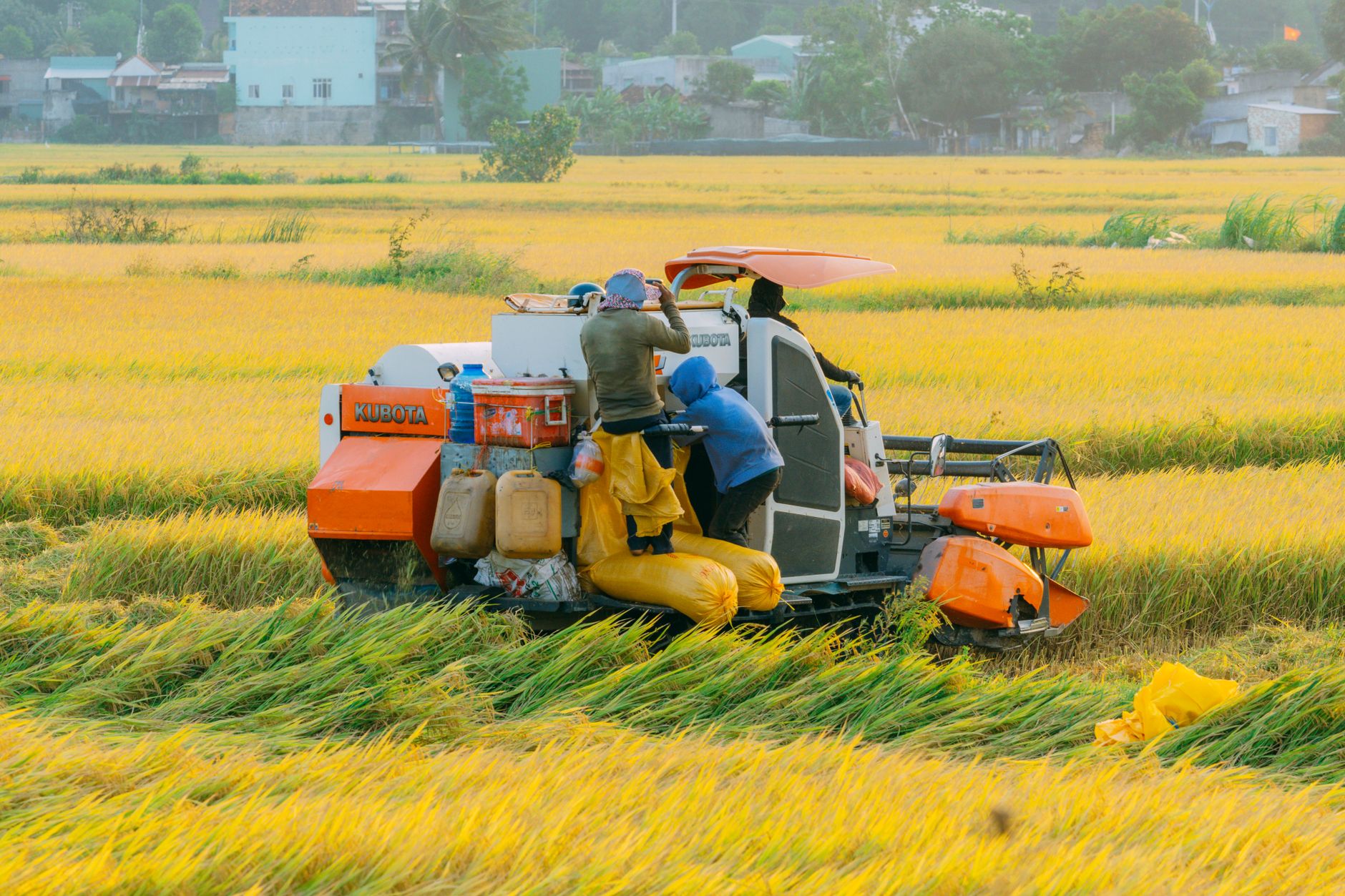
Start between 5:30–7am, before the sun peaks. We meet guests at a collection point or their hotel and head out while air is coolest and light is soft for photos. Morning tasks—walking a farm, helping with harvesting, visiting a family kitchen—happen while it's bearable. By 11am, we stop for a long lunch, shade, and rest. A midday indoor activity (cooking, craft, coffee) fills 12–2pm. Late afternoon brings lighter tasks or departure. This rhythm keeps energy stable, lets you experience real rural life (farmers work early, rest midday), and prevents heat-related illness. Guests often ask if they can "just power through"—we recommend against it. You'll be exhausted, photos will be blurry from sweat, and the memory fades. Early mornings in the countryside are actually when it's most beautiful.
Which regions are safest and most bearable in August?
| Region | August reality | Best for |
|---|---|---|
| Red River Delta (Hanoi area) | 32–34°C, heavy rain, flooding risk | Short morning trips near water; avoid high-humidity enclosed areas |
| Central Coast (Hoi An, Da Nang) | Typhoon season, 30–32°C, wind risk | Covered or indoor work (cooking, crafts); avoid ocean-adjacent farms |
| Mekong Delta | 30–32°C, humid, scattered rain | Water-based activities, early market visits; afternoon risk is real |
| Da Lat (highlands) | 20–24°C, rain, cooler | farm and countryside experiences feel most comfortable; book ahead—many hosts sell out |
| Saigon fringe | 32°C, very humid, afternoon storms | Indoor classes (Vietnamese cooking class, coffee workshop) work better than field days |
Da Lat highlands are objectively most comfortable in August. Saigon and Red River Delta demand more schedule flexibility. Coastal regions (Hoi An, Da Nang) risk sudden weather but are doable with indoor backup plans. Mekong Delta works if you embrace the heat and plan water access.
What should you actually pack and wear?
Wear lightweight, loose, fast-drying cotton or linen—not denim, not tight synthetics. Light long sleeves protect skin better than repeated sunscreen reapplication. A wide hat (not a baseball cap; sunburn on your part is real), sunglasses, and water shoes if walking in mud. Bring:
- 3 liters of water (not 1 liter—you'll refill)
- High SPF sunscreen (reapply every 90 minutes, not "once in the morning")
- A rain jacket small enough to stuff in a bag (not an umbrella; hands-on farm work needs free arms)
- Electrolyte sachets or salt tablets (sweating alone isn't enough; you lose minerals)
- Closed-toe shoes if visiting farms (snakes, insects, sharp stubble)
- A dry bag for phones and documents
- Medications: paracetamol, antidiarrheal, antihistamine (farm environments = new bacteria, bug bites)
Don't wear: white cotton (stains are permanent), leather shoes (sweat + mud = ruin), or jewelry (catches on work, heat makes metal uncomfortable). Guests who pack smart enjoy the day; those who arrive in city clothes and expectations often struggle by noon.
How do rain and heat changes affect what you actually do?
If afternoon rain arrives (likely in August), we:
- Move indoor activities forward (cooking, craft workshops, coffee workshop) rather than delay
- Use sheltered spaces—family kitchens, covered market areas—for hands-on work
- Shorten field time and skip muddy sections that become hazards
- Extend rest time rather than rush through a ruined itinerary
If heat peaks unexpectedly (yes, some August days are worse than forecast):
- We stop work by 10:30am instead of 11am
- Move rest from 1 to 2.5 hours
- Offer a shaded activity (tea, storytelling, quiet craft) instead of standing tasks
- Check in constantly: dizziness, nausea, or chills = trip ends, we find shade and water immediately
Seniors and kids under 8 get priority for shade and rest. Parents often ask if their 4-year-old can manage—honestly, a 2-hour morning visit works; a full day in August heat is tough for small children. We're happy to design shorter sessions or family experiences that are realistic for their age.
No one has ever complained about an early finish or a rain-day pivot. They have complained about pushing too hard and feeling ill afterward. We prioritize safety and memory over checking a box.

What's the honest truth about costs and what's included?
We don't publish fixed prices—heat and rain mean more flexibility, shorter days, and adaptations than other seasons. Ask us for dates and a quote on WhatsApp with your group size, location, and what you want to do (cooking, farm work, etc.). August quotes typically reflect:
- Transport (pickup from hotel or meeting point; return by 4–5pm)
- Host's time and expertise (usually one host for 2–8 guests)
- Materials or ingredients if it's a cooking class or craft workshop
- Water and light snacks (not a full meal unless specified)
- Contingency time for rain or heat delays
- Basic first aid and a host with heat/dehydration awareness
Not included: alcoholic drinks, extensive meals (though we can arrange meal prep as part of a cooking session), personal insurance, or onward transport. If you're traveling with kids or seniors, mention it—we adapt scope and cost accordingly.
Before you book an August countryside trip, check this
- Your heat tolerance: Have you spent a full day (6+ hours) in 32°C+ heat before? If no, start with a shorter morning session or an indoor class (flower arranging, tea experience).
- Your rain comfort: August rains are heavy and quick, not light drizzle. You'll get wet. If that's a dealbreaker, book a city-based indoor session instead.
- Your group's fitness: Countryside work (walking, light farm tasks, standing in heat) isn't strenuous, but it's not a resort lounge either. Mobility issues? Tell us—we choose flatter, shorter routes.
- Local news: Check for typhoon alerts (August in central Vietnam) or unusual flooding (Red River Delta in heavy rain years). We stay updated; you should too.
- Your accommodation's flexibility: Some hotels charge extra for early checkout or late return. Confirm this before booking an early start.
- Your schedule buffer: Book a day before or after your countryside trip with no flights or onward journeys. If heat or rain compresses your plan, you won't be rushing to catch a bus.
If all six of these feel manageable or exciting, August in the countryside is genuinely rewarding—greener than other seasons, slower, and full of real rural rhythms. We'll make it work.
What other August experiences pair well with a countryside trip?
A full farm and countryside experience is its own day. But if you're in a region 2+ days, combine it with:
- Vietnamese coffee workshop (often indoors or under shade; coffee culture is rural, so it complements farm visits)
- Street food and market tour early morning (markets close by 8am; no midday sun; shows where countryside produce goes)
- Cooking class using ingredients from the farm visit (ingredients → kitchen → table; natural flow)
- Horse riding experience in cooler upland areas like Da Lat only (lowland August riding is inhumane for horses and riders)
- Wellness and slow experiences (post-farm rest, tea, reflection) to recover and process the intensity
Most guests do countryside + cooking in Hanoi or Saigon, or countryside + coffee in highlands. Sequential days work better than cramming into one day.
See how a session runs
Where can you find honest stories from other hosts?
Read more stories from our hosts on the Cáo Experiences blog. You'll find real August trips, what worked, what was messy, and how hosts adapted. No marketing gloss—just people sharing what actually happened.
For specific region advice (Hanoi, Saigon, Hoi An, Da Nang, Da Lat), check our destination guides:
- Experiences in Hanoi
- Experiences in Saigon
- Experiences in Hoi An
- Experiences in Da Nang
- Experiences in Da Lat
Each includes what's seasonally realistic for August in that area.

FAQ
Can you actually work on a farm in 32°C heat without collapsing?
Yes, if you start early (5:30–7am), wear the right clothes, drink constantly, and stop by 11am. Farm work is light (harvesting, planting, walking)—not heavy labor. Take it slow and rest in shade. Your host watches for heat exhaustion signs and stops if needed.
What happens if a typhoon warning comes?
We cancel or reschedule with full flexibility. Your WhatsApp chat stays open; we give 24–48 hours notice if weather looks unsafe. No penalties for postponing—August always has other dates available.
Is it safe to bring young kids (under 6) on an August countryside trip?
Short trips (2–3 hours, early morning, near water or shade) work. Full-day trips are harder for their heat tolerance. We recommend morning sessions or family experiences designed for little ones, with more shade and rest built in.
Do you provide meals, or should I eat before?
We provide water and light snacks (fruit, nuts). If it's a cooking class paired with the trip, that meal is included. Otherwise, eat a good breakfast before you start; you'll be hungry by 11am rest time, and we can point you to a family kitchen or shop nearby.
What's the difference between August and other rainy months in Vietnam?
August is the hottest month and the wettest across most regions. June and July are wet but slightly cooler. September is still hot and wet. October–April are drier and cooler. If you have flexibility, October is ideal for countryside trips—heat is manageable, rain is rare, and the country is greening down from summer.
Can I do a countryside trip alone, or do I need a group?
You can go solo. We pair solo travelers with small groups (2–4 people) to keep costs fair. Private trips for one person cost more; ask us for rates.
Ask about dates
Tell us the city, your dates and what you would like to try. We reply on WhatsApp in English with options and availability.
FAQ
Can you actually work on a farm in 32°C heat without collapsing?
Yes, if you start early (5:30–7am), wear the right clothes, drink constantly, and stop by 11am. Farm work is light (harvesting, planting, walking)—not heavy labor. Take it slow and rest in shade. Your host watches for heat exhaustion signs and stops if needed.
What happens if a typhoon warning comes?
We cancel or reschedule with full flexibility. Your WhatsApp chat stays open; we give 24–48 hours notice if weather looks unsafe. No penalties for postponing—August always has other dates available.
Is it safe to bring young kids (under 6) on an August countryside trip?
Short trips (2–3 hours, early morning, near water or shade) work. Full-day trips are harder for their heat tolerance. We recommend morning sessions or [family experiences](/family-experiences) designed for little ones, with more shade and rest built in.
Do you provide meals, or should I eat before?
We provide water and light snacks (fruit, nuts). If it's a [cooking class](/cooking-class) paired with the trip, that meal is included. Otherwise, eat a good breakfast before you start; you'll be hungry by 11am rest time, and we can point you to a family kitchen or shop nearby.
What's the difference between August and other rainy months in Vietnam?
August is the hottest month *and* the wettest across most regions. June and July are wet but slightly cooler. September is still hot and wet. October–April are drier and cooler. If you have flexibility, October is ideal for countryside trips—heat is manageable, rain is rare, and the country is greening down from summer.
Can I do a countryside trip alone, or do I need a group?
You can go solo. We pair solo travelers with small groups (2–4 people) to keep costs fair. Private trips for one person cost more; ask us for rates.
More like this
Farm and countryside days
Fishing Experience Vietnam for Japanese Travelers: Where to Go & What to Expect
Vietnam's waterways offer Japanese travelers a chance to learn traditional fishing methods directly from locals. Cáo Experiences runs half- and full-day sessions on rivers, lakes and the Mekong Delta where you cast nets, set traps, and cook your catch.
Farm and countryside days
Fishing Experience Vietnam for Foreigners: Hands-On Guide
Fishing in Vietnam isn't a spectator sport—you'll wade into rivers, cast nets, trap fish in baskets, and cook your catch for lunch. We run small-group and private fishing days in the countryside outside Hanoi, Ha Noi region, and the Mekong Delta.
Farm and countryside days
Fishing Experience in Vietnam: 8 Questions to Ask Before You Go
Fishing in Vietnam means wading through rice paddies, learning trap techniques, or casting in rivers with local guides. Here's what to ask before you book.