
Home › Blog › Farm and countryside days
Countryside day trip in Vietnam: what to expect
By the Cáo Experiences team · 2026-11-06
A countryside day trip in Vietnam means leaving a city (Hanoi, Saigon, or Hoi An) for a half or full day in rice fields, orchards, or a farming family's home. You'll spend 4–8 hours meeting farmers, learning their work, eating lunch in their kitchen, and walking waterside trails. Most trips include a village guide, a local meal, and no fixed itinerary—you move at the pace of the place. Rain doesn't stop it; we walk or sit under a shelter and listen. Cáo Experiences hosts these as small groups (2–6 people) or private sessions, coordinated on WhatsApp, and we adapt for walkers with weak knees, children who tire, and diets you need to name. You'll get soil on your shoes and a different question in your head.
What actually happens on a farm and countryside experience?
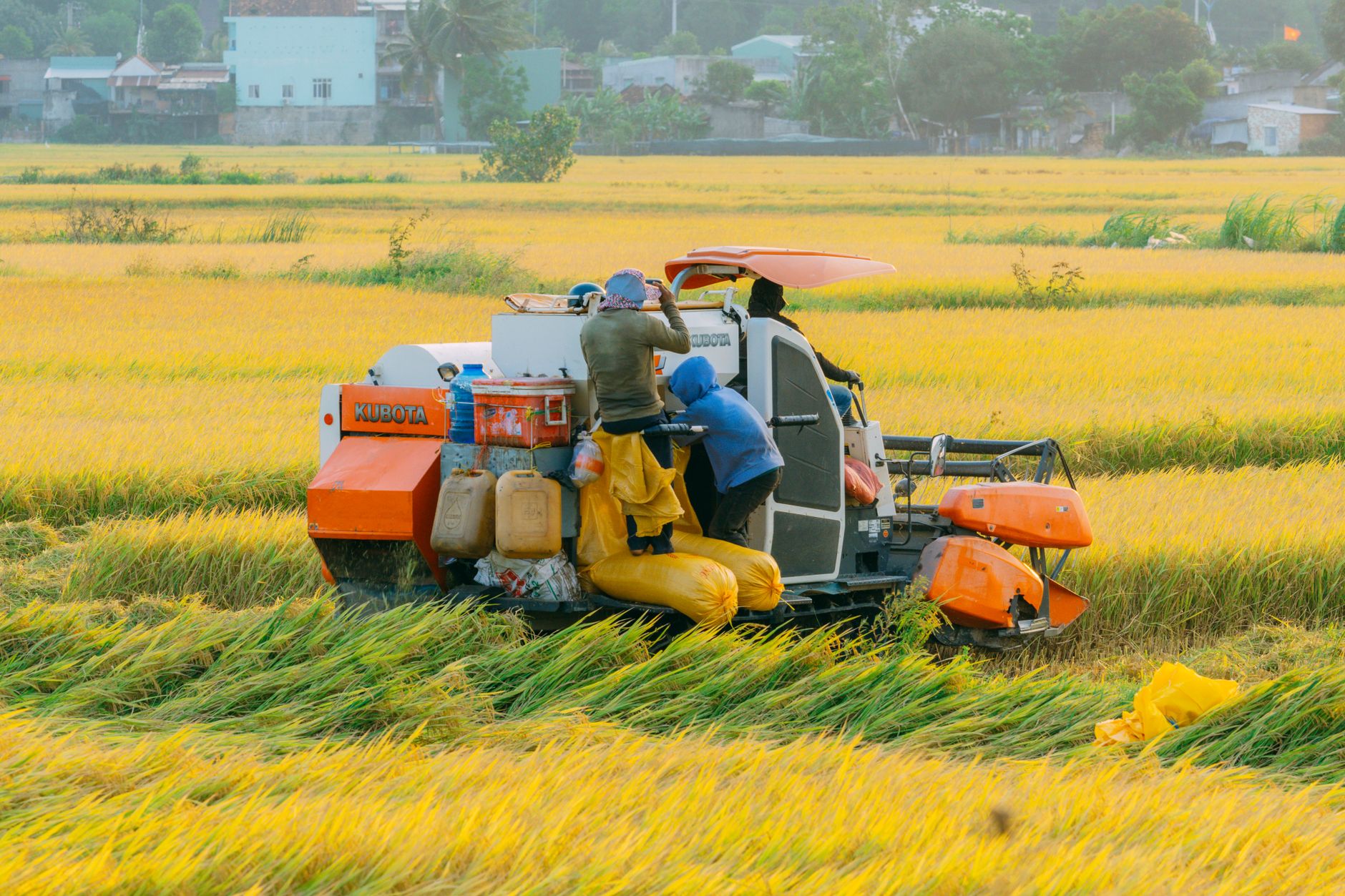
We meet you before sunrise or mid-morning—depends on the season and what the village is doing that day. A local guide (someone who grew up there, not a tour operator) walks with you into the fields. You'll see what's planted, what stage it's at, and what labour looks like when you're standing in it, not watching from a minibus window. If it's rice-season, you might plant or harvest a small plot. If it's fruit season, you pick. If animals are being fed, you help. Lunch happens in a family kitchen—not a restaurant designed for foreigners. You sit at their table, eat what they eat, and if you're allergic or vegan, they've asked us beforehand and adjusted. By late afternoon you're tired, your legs hurt in a good way, and you've asked the farmer a question you didn't know to ask before.
Should I bring special gear, or will regular clothes work?
Wear loose cotton trousers or shorts that go to your knee—many farms don't like bare legs near water or livestock. Slip-on shoes or sandals (not trainers; you'll want to step out of them) because you'll cross paddies and streams. Bring a hat and sunscreen, even if it looks cloudy. A light rain jacket fits in a small bag. Avoid perfume and bright synthetic fabrics; they're uncomfortable and they mark you as passing through. If you have knee or hip pain, tell us; we'll find a village with shorter walks or a boat instead. Children under five usually sit out the heavy work and play near the kitchen. Seniors who walk regularly manage the 4–5 km spread over the day; those who don't can do 2 km with rest stops. No special gear makes you fit—your honesty about pace does.
What's the difference between a farm day and a Vietnamese cooking class?
A farm day is open-ended: you work alongside people, you follow their schedule, you see how a place feeds itself. A cooking class is structured: you learn 4–5 dishes in 3 hours, you go home with a recipe, you know what you made. Many people do both. On a farm day, you might help gather herbs for lunch; in a cooking class, you use them to make a paste. On a farm, a child learns why a plant matters to the family. In a class, they learn to chop without cutting their thumb. Neither is better. A farm day answers "how do rural people live?" A cooking class answers "how do I make this?" If you want both rhythms—the slow morning and the focused skill—we can book a combination day combining both.
What if it rains, or I'm unfit, or I eat only vegetables?
Rain makes a farm day quieter and more real. We don't cancel. You'll stand under a teak shelter, watch the fields turn grey, eat rice with the family, and hear stories you'd miss on a dry day. Mud on your shoes is not a problem; it washes off. If you're unfit, tell us your honest limit—5 minutes' walking, or 30 minutes with rest. We'll find a family with a smaller plot, or arrange a boat for some sections, or seat you near the work and let you watch and talk instead. You'll still cook lunch, meet the animals, and learn. Vegetarian, vegan, gluten-free, allergic to shellfish: we'll confirm all of it on WhatsApp before the date. The family will adjust without fuss. They've fed vegetarians before. The only surprise will be how good the food tastes when someone who knows it grows it.
How does a countryside day compare to a city street food and market tour?
| Angle | Countryside day | Street food tour |
|---|---|---|
| Pace | Slow, based on farm work | Moderate, walking and tasting |
| Physical demand | 4–5 km walking, some labour | 3–4 km walking, standing |
| Who you meet | Farming family, local guide | Vendors, street cooks |
| Food experience | One meal in a kitchen you help cook | 5–7 small tastes, different stalls |
| What you learn | Land, seasons, one family's day | Market history, technique, recipes |
| Best for | Quiet people, families, first-time Vietnam visitors | Fast learners, food-first travellers |
A countryside day answers the question "where does this come from?" A market tour answers "who makes this, and how?" If you're spending two weeks in Vietnam, you could do both. Many of our guests who book a farm day come back for a market and street food tour in the city.

What if I want something quieter, or I'd rather learn to arrange flowers?
Some people come for the farm and the labour; others come to sit and sketch, or to walk and photograph. A tea experience is a counterpoint to the countryside farm day—you drink in silence while fields are visible from a window. A flower arranging workshop uses seasonal plants from nearby growers; you could ask to visit the farm where the blooms came from, and we can link that into a longer day. A horse riding session takes you through countryside villages at a different pace. If you want slow and rural but no physical work, tell us; we'll adjust. The countryside isn't one speed. It's a rhythm you find when you step out of a car and stand still for five minutes.
See how a session runs
How far are these farms from the main cities, and when should I book?
Most countryside days run within an hour's drive from Hanoi, Saigon, or Hoi An—close enough to start at 7 a.m. and be back by 6 p.m. In Hanoi, we work with villages north and west of the city; in Saigon, we work with orchards and gardens in the Mekong suburbs; in Hoi An, we have rice fields and farms within a 30-minute ride. Book 7–10 days ahead so we can confirm with the family. Book earlier if you're travelling a specific week and want a specific date. If you're flexible on dates, we can find something in most seasons. Peak seasons (October to November, March to April) are easier; monsoon (May to September, December to January) requires rain gear and a willingness to cancel if roads flood. Tell us when you'll be in Vietnam, what you want to learn, and any physical or diet limits, and we'll quote you a date.
What to check before you commit to a countryside day
- Your honest pace. Not "I'm usually fit"—your knees, your energy at 9 a.m., your tolerance for mud. Tell us.
- Rain comfort. If you cancel when it rains, a farm day won't suit you. Rain happens 6 months of the year.
- Flexibility. Farm schedules shift. A planting gets postponed. A family needs to attend a funeral.
- Diet and allergies. No guessing. WhatsApp us a list of what you eat and don't eat.
- What you want to carry home. If you want a recipe, tell us. If you want to meet the farmer's child, say so. The day shapes around what matters to you.
Getting more from your Vietnam trip: related experiences
A countryside farm day works well as a start—it settles you into a slower rhythm. After that, you might book a Vietnamese cooking class to take the morning's herbs and learn a dish. You might do a coffee workshop in a southern highland farm. You might visit an art and culture class back in the city to process what you've seen. Or you might just sit and think. Many of our guests do a farm day and nothing else. That's fine. One day of slow work changes how you see a place.
For families with children, we offer dedicated family experiences—smaller distances, more time sitting, snacks kids like. For groups and teams, we run custom days—bonding through shared work, not a trust fall.
If you're unsure where to start, ask us on WhatsApp. We'll listen to what you want to understand about Vietnam and suggest a day that fits.

FAQ
Do I need to speak Vietnamese to enjoy a countryside day?
No. Your guide speaks English and translates. Farmers are used to guests who don't speak their language. Smiling and pointing work. Silence works too.
What if I'm vegetarian and the family cooks meat?
Tell us before you book. We confirm with the family in advance. They'll cook vegetables, rice, and tofu alongside what they normally make. You'll eat well.
How many people go on one day trip?
Small groups are 2–6 people. Private days are you and your family or friends alone. Bigger groups (8–12) we can arrange with advance notice, splitting into two smaller sessions if the farm is small.
Can I bring my children? What age works?
Children 6 and up do the full day. Younger children come but sit more, play near the kitchen, and don't do heavy work. We adapt. Tell us the age and what they like to do.
Do you go on rainy days?
Yes. Rain is part of farming. We bring gear and adjust the walk. If roads flood (rare), we reschedule. You don't lose your money.
What if I'm not fit or I have joint pain?
Tell us specifically—"my knees hurt after 20 minutes" or "I can't squat." We'll find a family with shorter walks, or arrange a boat, or seat you near the work. You still learn and help.
Can I buy products from the farm?
Sometimes. It depends on what's in season and what the family grows. If you want to, we'll ask ahead and make space in the car.
Ask about dates
Tell us the city, your dates and what you would like to try. We reply on WhatsApp in English with options and availability.
FAQ
Do I need to speak Vietnamese to enjoy a countryside day?
No. Your guide speaks English and translates. Farmers are used to guests who don't speak their language. Smiling and pointing work. Silence works too.
What if I'm vegetarian and the family cooks meat?
Tell us before you book. We confirm with the family in advance. They'll cook vegetables, rice, and tofu alongside what they normally make. You'll eat well.
How many people go on one day trip?
Small groups are 2–6 people. Private days are you and your family or friends alone. Bigger groups (8–12) we can arrange with advance notice, splitting into two smaller sessions if the farm is small.
Can I bring my children? What age works?
Children 6 and up do the full day. Younger children come but sit more, play near the kitchen, and don't do heavy work. We adapt. Tell us the age and what they like to do.
Do you go on rainy days?
Yes. Rain is part of farming. We bring gear and adjust the walk. If roads flood (rare), we reschedule. You don't lose your money.
What if I'm not fit or I have joint pain?
Tell us specifically—"my knees hurt after 20 minutes" or "I can't squat." We'll find a family with shorter walks, or arrange a boat, or seat you near the work. You still learn and help.
Can I buy products from the farm?
Sometimes. It depends on what's in season and what the family grows. If you want to, we'll ask ahead and make space in the car.
More like this
Farm and countryside days
Fishing Experience Vietnam for Japanese Travelers: Where to Go & What to Expect
Vietnam's waterways offer Japanese travelers a chance to learn traditional fishing methods directly from locals. Cáo Experiences runs half- and full-day sessions on rivers, lakes and the Mekong Delta where you cast nets, set traps, and cook your catch.
Farm and countryside days
Fishing Experience Vietnam for Foreigners: Hands-On Guide
Fishing in Vietnam isn't a spectator sport—you'll wade into rivers, cast nets, trap fish in baskets, and cook your catch for lunch. We run small-group and private fishing days in the countryside outside Hanoi, Ha Noi region, and the Mekong Delta.
Farm and countryside days
Fishing Experience in Vietnam: 8 Questions to Ask Before You Go
Fishing in Vietnam means wading through rice paddies, learning trap techniques, or casting in rivers with local guides. Here's what to ask before you book.