
Home › Blog › Farm and countryside days
Countryside day trip in Vietnam: what to expect and how to plan
By the Cáo Experiences team · 2026-11-06
A countryside day trip in Vietnam is a guided half-day or full-day experience in rural villages and farming areas within 1–2 hours of major cities. Most trips include walking through rice paddies or vegetable farms, visiting family-run workshops (weaving, pottery, incense-making), eating lunch cooked by locals, and learning directly from farmers or craftspeople. We run sessions in English near Hanoi, Ho Chi Minh City, Hoi An and Da Lat, hosting groups of 2–10 or private parties. Trips cost from our current quote–our current quote per person depending on location, group size and inclusions (ask us for dates and a quote on WhatsApp). What to avoid: rushing between too many villages, booking peak season (November–February) without advance notice, assuming you'll find an English speaker if you book independently, and underestimating the heat and humidity—bring water and a wide hat. Ask about dates on WhatsApp
What does a typical countryside morning look like?
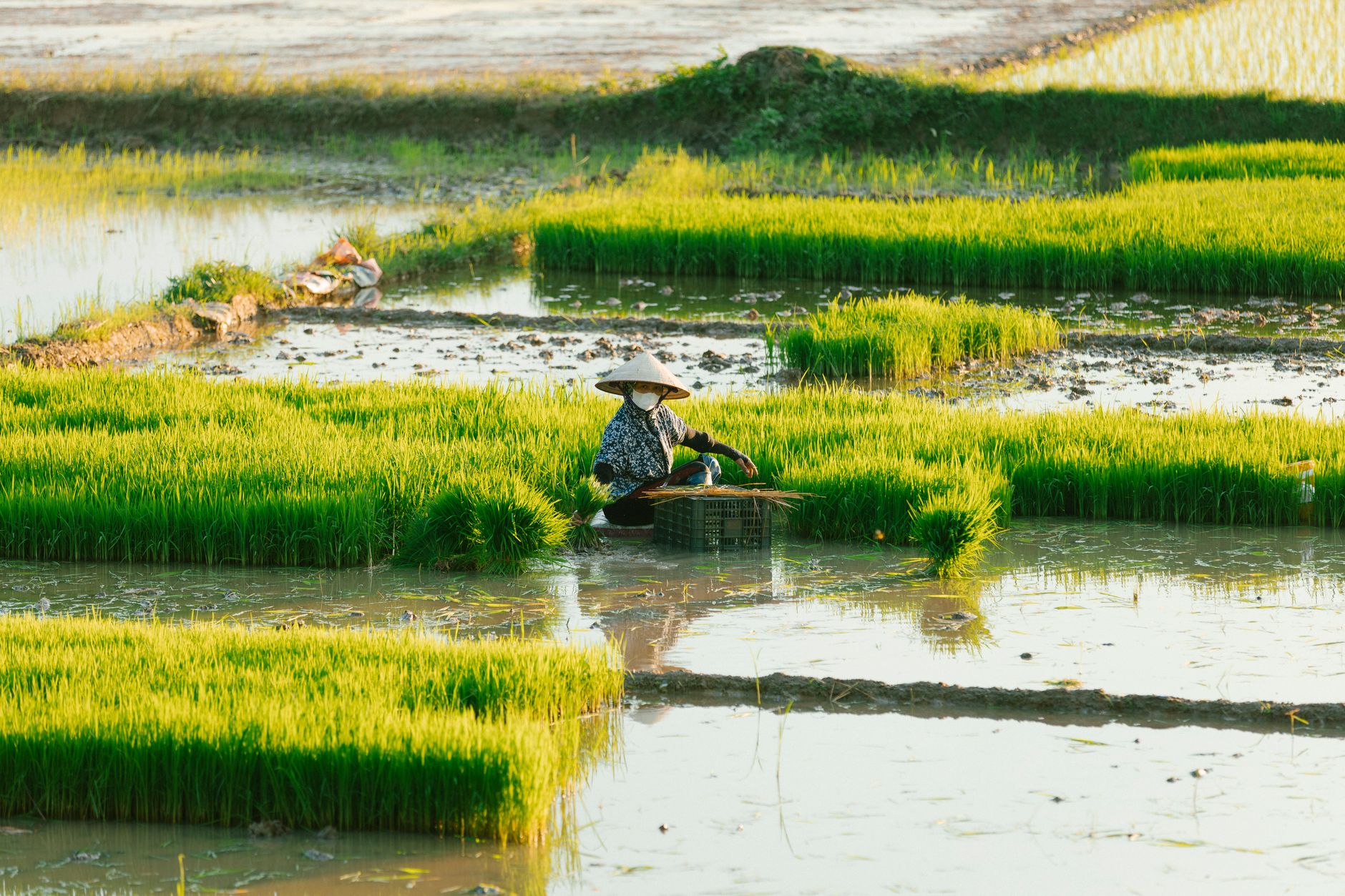
We meet at your accommodation or a central checkpoint around 8 a.m., when rural areas are busiest and coolest. A van collects the group; the drive takes 30–60 minutes depending on which city you're in. Once we arrive at a family kitchen in a rice-farming lane, we sit with the hosts, drink fresh coffee or tea, and talk about the day's plan. Most guests expect a tour; instead, we explain you'll be helping—peeling vegetables, learning to use hand tools, or walking the fields with the farmer. Beginners worry they'll slow everyone down. We go at your pace; the farmer isn't racing. By 9:30 a.m. you're usually in rubber boots, walking between paddies or alongside a vegetable plot, getting your hands muddy and asking real questions about water management, seed timing and crop rotation. No scripts, no photo-op rush.
How do the morning work and lunch actually run?
For the next two hours, you're either in the fields or in a family kitchen preparing lunch from what you've just harvested or seen grow. If you're on a Vietnamese cooking class style session, you'll clean, chop and cook alongside the host—often a grandmother or mother who speaks limited English but communicates through demonstration and laughter. If you're doing farm work, you might help water, weed, or tie plants to stakes. Around noon, you all eat together at a wooden table in the house or under a shelter, eating rice, soup, greens and whatever protein the family has. No restaurant plating; real family portions. We've hosted 8-year-olds and 74-year-olds on the same morning; the only difference is pace and what we ask them to carry. Kids love the animals (ducks, chickens, sometimes water buffalo). Seniors appreciate sitting more and listening to stories; we adapt. Vegetarians and those with allergies eat alongside everyone—just tell us in advance so the host can adjust the shopping and cooking plan.
What if rain or extreme heat hits?
Vietnam's countryside is wet half the year. Rain doesn't cancel a countryside day trip; it changes it. If a morning looks wet, we often shift to a craft workshop inside—learning weaving, pottery or incense-rolling from an artisan in a family workshop nearby—and do the field walk for 30 minutes if conditions clear. The host will already have a backup meal plan (usually a simpler one that doesn't require fresh harvesting). Extreme heat (April–May, above 35°C) means an earlier start (6:30 a.m.), more water, frequent shade breaks, and possibly a shorter afternoon. We're not heroic about discomfort; if you say you need to rest, we rest. Tell us your health concerns in advance—we've worked around arthritis, asthma, and heart conditions by adjusting routes and pacing.
| Scenario | What changes | What stays the same |
|---|---|---|
| Rain forecast | Shift to indoor craft or shorten field time | Lunch, family connection, hands-on learning |
| Heat >35°C | Earlier start, more breaks, shorter walk | Cooking, cultural exchange, authenticity |
| Mobility limits | Shorter distance, more sitting activities | Quality of teaching, food, host welcome |
| Dietary need | Host shops differently; meal plan shifts | Everything else; same kitchen and farmer |

Which region suits your countryside day best?
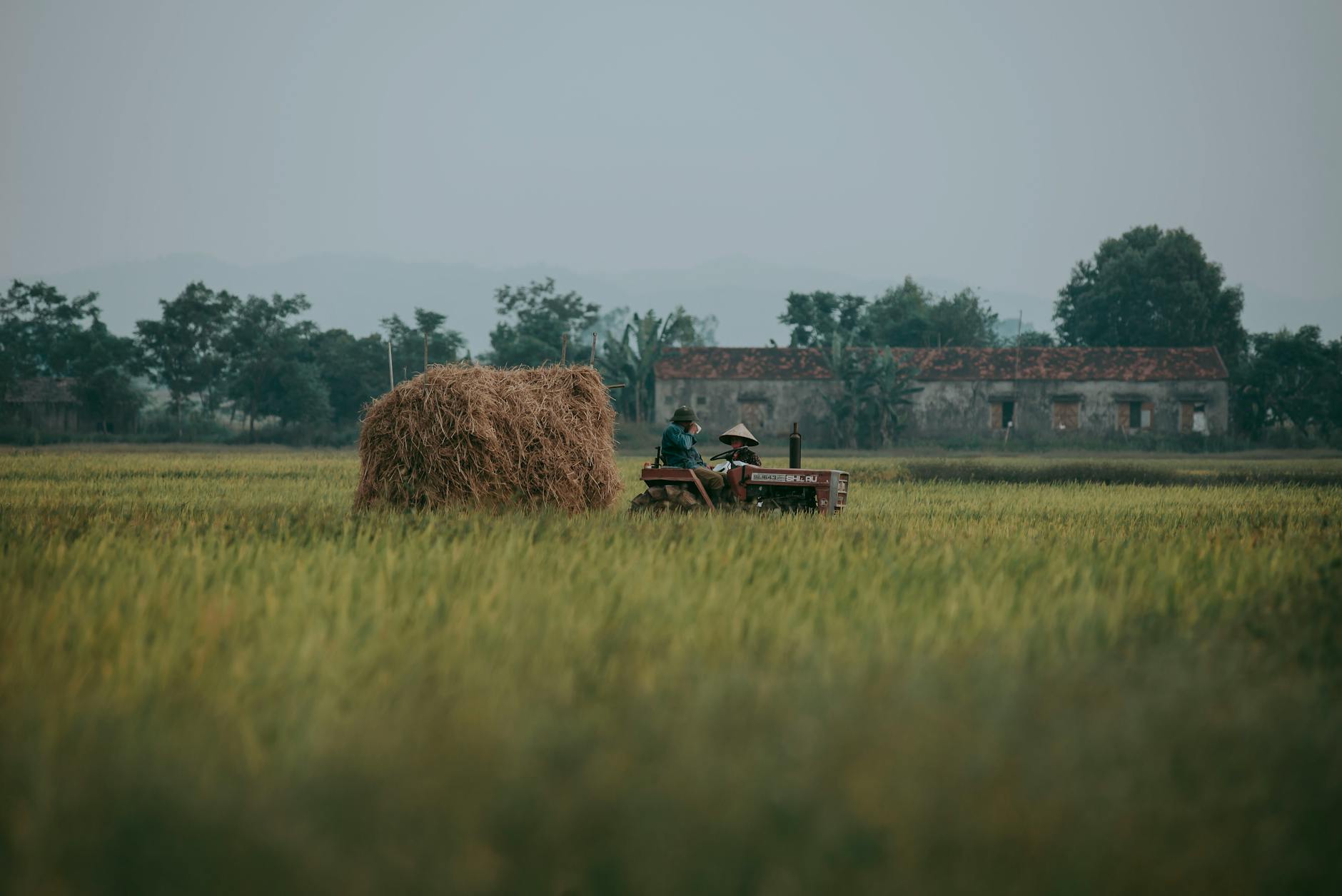
Hanoi's countryside—rice plains, vegetable belts and fish farms within an hour north or west—suits people interested in water-based farming and village crafts. Experiences in Hanoi often lean toward weaving cooperatives and morning market energy. Central Vietnam around Hoi An and Da Nang offers different crops (herbs, coconut, citrus) and mountain-edge villages; countryside trips from Hoi An often pair with water-buffalo rides or boat trips through fields. Da Lat's cooler highlands mean flower and vegetable farms, with fresher air and longer walking comfort. Ho Chi Minh City's Mekong Delta trips take a boat into orchards and coconut islands—very different from paddy walking but equally hands-on. Your choice depends on what crops interest you, how far you want to travel, and whether you want animals or rivers or hills in the mix. All are genuine: no "theme park" villages, no staged photo shoots.
How does a countryside day fit with other experiences?
Many guests combine a countryside morning with a Vietnamese cooking class lunch elsewhere, or start with street food and market tour to see where rural produce lands in the city. Some do a flower arranging workshop in the afternoon after a farm morning—learning to use flowers they've just seen growing. Coffee lovers often pair a Vietnamese coffee workshop with a visit to a coffee-growing region. If you're in the mood for animals, add horse riding in a nearby stable on the same afternoon. Family-focused countryside days include simpler tasks for kids (feeding animals, planting, painting) and longer lunch breaks. Tea experiences fit well too—many farms grow tea, and a tea-making session indoors follows a morning of walking the plants. The key is not overpacking: two deep experiences beat four shallow ones. Ask us about combining sessions so the timing and logistics actually work.
See how a farm session runs
A final honest note: countryside days aren't spa retreats. You'll be hot, muddy, slightly tired, and eating food you didn't cook perfectly. The wifi might be slow and the bathroom might be a squat toilet. What you'll get instead is a farmer's answer to "why does this field look different from the one next door?" and a lunch you helped make in a kitchen where four generations have cooked. You'll understand why rice terraces are engineered the way they are. You'll come home with red clay under your fingernails and a real story, not a staged one.
What to check before you book
— Mobility: Tell us if you have knee, hip or heart concerns; we'll choose a flat or gently sloped route. — Allergies: List foods and airborne triggers; the host will adjust shopping and cooking. — Language: You'll speak English with us; the farmer might speak only Vietnamese—that's part of it. — Fitness: No marathons, but 2–4 hours of walking and standing. Wear supportive shoes, not sandals. — Weather windows: Typhoon season (September–October) and Lunar New Year (late January–early February) affect logistics; book early. — Luggage: Leave it at your hotel or in the van; bring only a small backpack with water and sunscreen. — Photos: Ask the host before photographing people; some prefer not to be in pictures.
We host countryside days year-round across Hanoi, Ho Chi Minh City, Hoi An, Da Nang and Da Lat. Each region grows different crops and supports different villages. The core is the same: you work alongside people who grow or make things, eat what they cook, and leave understanding their world a little better than when you arrived.
Browse all farm and countryside experiences
FAQ
Do I need farming experience?
No. We've hosted accountants, designers, retired teachers and 9-year-olds. The farmer assumes you know nothing and teaches from zero. Bring curiosity and willingness to get dirty.
What if I'm vegetarian or allergic to something?
Tell us when you book. The host shops and cooks differently; your meal stays authentic and safe. We've accommodated gluten-free, nut allergy, and vegan guests without trouble.
How early do I need to wake up?
Usually 7 a.m. pickup for an 8 a.m. start, so you're back by 2 or 3 p.m. Some regions offer afternoon sessions instead; ask us.
Will I understand what's being said if the farmer doesn't speak English?
We translate key moments. Most communication happens through watching and doing—the farmer shows you how to hold the tool, you copy, you both laugh. Language barrier is less important than you think.
What's included in the price, and what's extra?
We quote you for transport, guide, lunch and one workshop or activity. Drinks, snacks and tips are separate. Ask us for a detailed quote on WhatsApp.
Can I book a private countryside day for a group?
Yes. Small groups (2–4 people) often book together; larger groups (8+) get group rates. Ask us for dates and pricing for your party size.
What if the weather is really bad on the day?
We'll reschedule, shift to an indoor craft workshop, or offer a partial refund, depending on the forecast and your flexibility. We decide 24 hours ahead.
Ask about dates
Tell us the city, your dates and what you would like to try. We reply on WhatsApp in English with options and availability.
FAQ
Do I need farming experience?
No. We've hosted accountants, designers, retired teachers and 9-year-olds. The farmer assumes you know nothing and teaches from zero. Bring curiosity and willingness to get dirty.
What if I'm vegetarian or allergic to something?
Tell us when you book. The host shops and cooks differently; your meal stays authentic and safe. We've accommodated gluten-free, nut allergy, and vegan guests without trouble.
How early do I need to wake up?
Usually 7 a.m. pickup for an 8 a.m. start, so you're back by 2 or 3 p.m. Some regions offer afternoon sessions instead; ask us.
Will I understand what's being said if the farmer doesn't speak English?
We translate key moments. Most communication happens through watching and doing—the farmer shows you how to hold the tool, you copy, you both laugh. Language barrier is less important than you think.
What's included in the price, and what's extra?
We quote you for transport, guide, lunch and one workshop or activity. Drinks, snacks and tips are separate. Ask us for a detailed quote on WhatsApp.
Can I book a private countryside day for a group?
Yes. Small groups (2–4 people) often book together; larger groups (8+) get group rates. Ask us for dates and pricing for your party size.
What if the weather is really bad on the day?
We'll reschedule, shift to an indoor craft workshop, or offer a partial refund, depending on the forecast and your flexibility. We decide 24 hours ahead.
More like this
Farm and countryside days
Fishing Experience Vietnam for Japanese Travelers: Where to Go & What to Expect
Vietnam's waterways offer Japanese travelers a chance to learn traditional fishing methods directly from locals. Cáo Experiences runs half- and full-day sessions on rivers, lakes and the Mekong Delta where you cast nets, set traps, and cook your catch.
Farm and countryside days
Fishing Experience Vietnam for Foreigners: Hands-On Guide
Fishing in Vietnam isn't a spectator sport—you'll wade into rivers, cast nets, trap fish in baskets, and cook your catch for lunch. We run small-group and private fishing days in the countryside outside Hanoi, Ha Noi region, and the Mekong Delta.
Farm and countryside days
Fishing Experience in Vietnam: 8 Questions to Ask Before You Go
Fishing in Vietnam means wading through rice paddies, learning trap techniques, or casting in rivers with local guides. Here's what to ask before you book.