
Home › Blog › Farm and countryside days
Countryside Day Trip Vietnam for Australian Travellers
By the Cáo Experiences team · 2026-11-06
A countryside day trip in Vietnam means leaving the city (usually Hanoi or Saigon) for 6–8 hours to stay in a working farm village, often involving cooking, gardening, animal care, or riding. Most trips include a home-cooked meal, tea or coffee in a family kitchen, and a walk through rice paddies or orchards. Cáo Experiences runs these as small groups (max 8 people) or private sessions, coordinated by WhatsApp; a typical day costs less than a fancy dinner but requires you to wake early, wear long sleeves against sun and insects, and be ready to get muddy. The biggest mistake Australians make is arriving tired or hungover—countryside work starts at dawn, and jet lag catches up fast. Ask us for dates and a quote on WhatsApp to find a session that fits your calendar and energy level.
How do Australian travellers actually spend a countryside day?
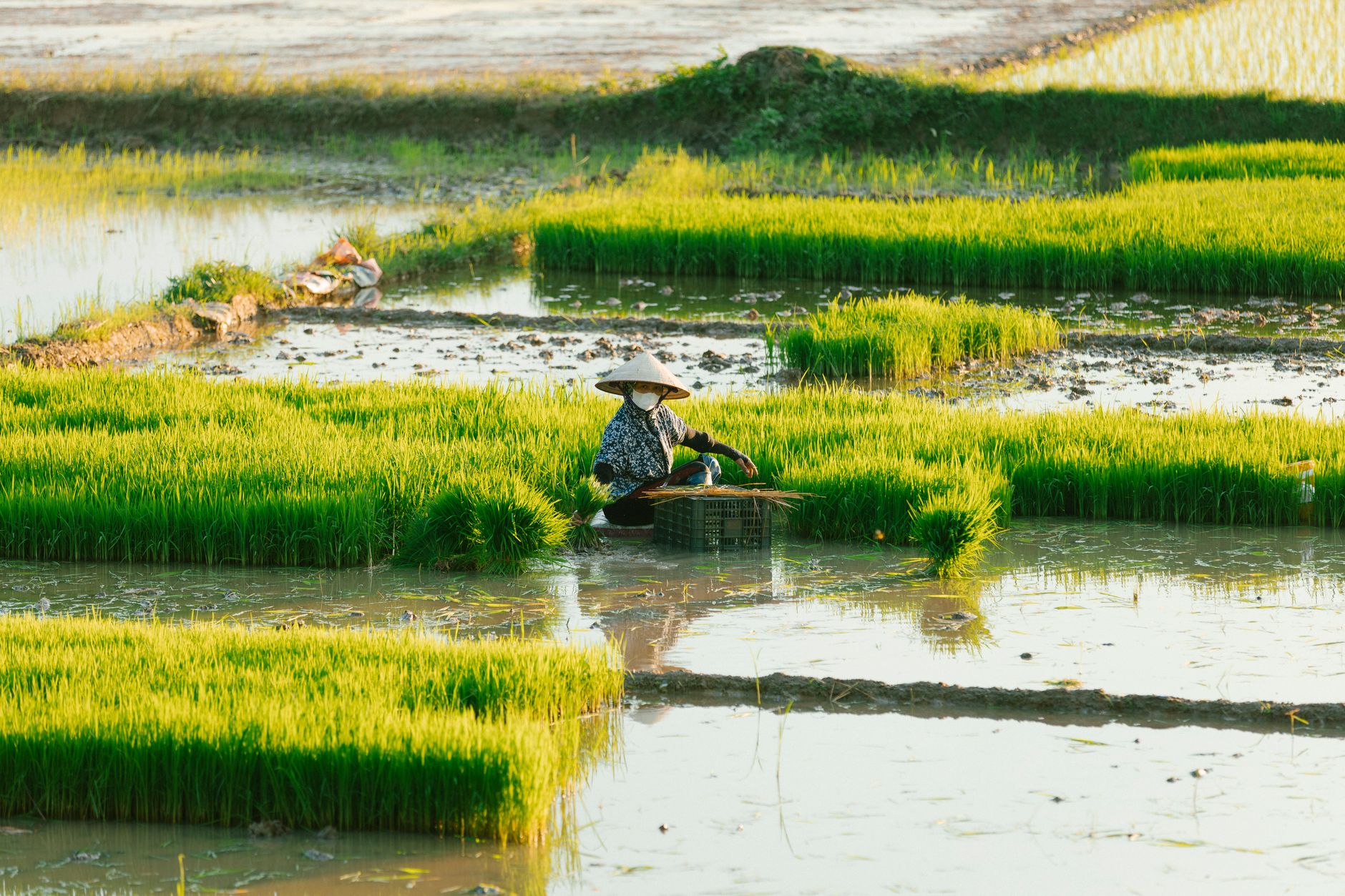
We start before sunrise—6 or 6:30 a.m.—when the village is coolest and the work is happening. You meet your host (usually a farmer, cook, or craftsperson) at a pickup point in the city, then drive 45 minutes to 90 minutes into the countryside. Once there, the day breaks into chunks: hands-on work (planting, harvesting, collecting eggs, weeding), a mid-morning break with fresh tea or water, a long lunch cooked in a family kitchen using what we grew or bought that morning, rest time in the heat, then an afternoon activity—often a ride to a neighbouring village, flower arranging, or a craft workshop—before the drive back. You're home by 4 or 5 p.m., tired and filthy in the best way. Most Australians say the lunch is the highlight: eating in a kitchen where the grandmother is still cooking, no menu, no bill, just abundance.
What's the difference between a real farm day and a tourist farm?
Real farm days mean unpredictable work: if the host's family needs to plant that morning, you plant; if rain comes, you help cover seedlings. Tourist farms script every activity and clean up before you arrive. We've seen Australians disappointed because they expected to "learn farming" but were handed shovels for five minutes, then posed for photos. On a Cáo farm and countryside experience, you do what needs doing. That might mean mucking out an animal pen, tending vegetables for the family's own dinner, or sitting quiet while someone teaches you to knit fishing nets—not for content, but because that's their morning. Yes, you'll be sweaty, confused about what you're doing, unsure if you're helping or hindering. That discomfort is the real thing. We're honest about it: if you want a clean, scheduled, Instagram-ready day, this isn't it.
Why do Australian travellers choose countryside over city tours?
Most Australians come from quiet, land-based childhoods or miss them. Vietnam's cities are loud, hot, and crowded—after a few days, the nervous system starts to cramp. A countryside day flips that: sound shrinks to bird calls and voices. Your body can breathe. You also get a complete answer to "what do people actually do here?"—not a curated version. You see a mother checking her coffee plants, a father repairing a fishing trap, kids doing homework in a kitchen. You eat rice and greens because that's what's ready, not because a menu says "authentic." Many Australians say it's the first time they felt like they understood Vietnam, not visited it.
What do you actually learn by cooking in a village kitchen?
We don't teach techniques the way a cooking class does—no mise en place, no plating rules. Instead, you learn proportions by eye (a pinch, a handful), timing by smell, and how to adjust for who's eating. You'll make a soup, a stir-fry, and a simple dessert using what's in the kitchen right now. The host—usually a woman who's cooked the same meals for 40 years—watches your hands and corrects without words. You'll burn something, oversalt something, and laugh about it. Then you eat it anyway, and it tastes better than restaurant food because you made it with your own confusion and effort. The real lesson is that cooking is not precious; it's a conversation with ingredients and time.
What should Australian travellers wear and bring?
Wear long sleeves and trousers—the sun is hotter than Australia's, mosquitoes arrive at dusk, and farm work snags fabric. Bring a hat, sunscreen, and water (more than you think you'll drink). Wear shoes you don't mind ruining: mud, chicken droppings, and wet ground are guaranteed. Bring a small bag for extras (a light scarf, a change shirt if you're sensitive to sweat). Leave your phone in your pocket unless the light is extraordinary—the whole point is to be present and tired, not content-gathering. If you have food allergies or dietary rules, tell us on WhatsApp before you book; we adapt meals in advance, and the host always has alternatives. Don't bring cologne, heavy makeup, or camera equipment that slows you down. And eat a proper breakfast before pickup—you won't eat again until noon.
What to check before you book a countryside day
| Question | What to verify | Why it matters |
|---|---|---|
| How far is the drive? | Ask us—most trips are 45–90 min each way | Aussies underestimate travel time; jet lag + 3 hrs driving = pain |
| Will it rain? | Check forecast; we do countryside trips in light rain, cancel only if flooding risk | Muddy is fine; stranded isn't |
| What if I'm vegetarian or allergic? | Mention it in your first WhatsApp—we plan the menu around it | Village kitchens adapt, but need notice |
| How early is dawn? | Confirm pickup time; it's usually 5:30–6 a.m. start | Australians used to 7 a.m. wake-ups often book 6 a.m., regret it |
| Will there be animals? | Ask whether the day includes animal care—some people find it confronting | We respect that; there are farm days without it |
| Can my kids come? | Yes, if they're 8+; younger ones tire fast or scare animals | We offer family experiences designed for children |

Real things that go wrong (and how to avoid them)
You arrive dehydrated. Australians forget that humidity dehydrates faster than desert heat. Bring a 1-litre water bottle and drink before you're thirsty. We refill it at the farm.
You wear light clothes and get burned. The sun reflects off water and paddies. Long sleeves feel hot; sunburned legs feel worse. Trust us.
You expect WiFi and a bathroom like home. Rural kitchens have squat toilets and no signal. We warn you beforehand; if that's a dealbreaker, street food and market tours or horse riding in semi-rural areas are better fits.
You book a day, then get sick. Tell us early; we reschedule easily if we have notice. Last-minute cancellations (within 24 hours) are hard to fill.
You're too tired to enjoy it. This is the biggest one. If you've just landed, had two nights out, or are running on five hours' sleep, a pre-dawn farm day is cruel. Book it for day 4 or 5 of your trip.
Countryside days for different kinds of Australians
Couples or friends wanting quiet. A private day (just you, the host, a translator if needed) is worth it. You set the pace, linger over lunch, ask questions that matter to you.
Families with kids 8+. Kids love the unpredictability and the animals. Family experiences include kid-paced activities and shorter days; ask us about combined sessions like countryside morning + craft workshops afternoon.
Solo travellers. Group sessions are safer and funnier—you meet other Australians and locals. We usually run groups of 4–6.
Foodies wanting to dive deep. Pair a countryside day with a Vietnamese cooking class earlier in your trip to build confidence, or ask us about multi-day farm stays.
People needing to slow down. Combine a countryside day with a tea experience or wellness session focusing on stillness, not Instagram.
How rain, heat, and jet lag affect the day
Rain. Light rain doesn't stop us; we work under a kitchen roof or shift to indoor activities. Heavy rain or flooding, we reschedule—no exceptions.
Heat. Vietnamese countryside in summer (April–September) hits 35–40°C by 10 a.m. The work ends early; the afternoon is rest, not labour. Drink constantly. If you've come from Australian winter, give yourself two days to acclimatise before booking.
Jet lag. Australia–Vietnam is usually a 14–16 hour flight; your body arrives two days early. Sleep debt accumulates fast. A pre-dawn countryside day on your first or second morning will flatten you. Book it for day 4 or later.
The honest version: what you're really paying for
You're not paying for luxury or comfort. You're paying for a host who will feed you real food, teach you a skill without ego, let you fail at it, and send you home understanding something true about rural Vietnam that no guidebook mentions. You're paying for Cáo Experiences to coordinate transport, translate, handle emergencies, and take responsibility if something goes wrong. You're paying for permission to be useless and messy and slow. That's rare in travel. That's what it costs.
See how a session runs
Other days that pair well with countryside
If a full farm day feels like too much, try a horse riding experience in semi-rural areas (less early morning, more exercise), or start with a coffee workshop or flower arranging in a village setting—half-day, lighter work. Group and corporate experiences can combine countryside with team activities if you're traveling with colleagues.
We also run countryside days from bases in Hanoi, Saigon, Hoi An, and Da Lat—each region has different work (rice vs. coffee vs. flowers), different climates, and different village rhythms. Ask us which suits your dates and energy.
FAQ
Is a countryside day physically hard for someone over 60?
Not if you tell us your fitness level. We have hosts who do gentle work—gardening, tea preparation, cooking—and shorter days. Walking is minimal. Squatting and standing up repeatedly is the main strain; let us know if that's an issue, and we adapt.
Do I need to speak Vietnamese?
No. We provide a translator if it's a group session; private sessions include translation, too. Most communication happens through actions—watching, copying, laughing at mistakes.
Can I combine a countryside day with other activities?
Yes. Many Australians do countryside in the morning, then craft workshops or art and culture classes in the afternoon back in the city. We coordinate the timing.
What if the weather forecast shows rain?
We monitor it together. Light rain means we proceed (farming happens in rain). Heavy rain or flooding, we reschedule no charge. You don't lose your payment; we find another date.
Is the food safe if I have a sensitive stomach?
Farm food is usually safer than street food—cooked fresh, served hot, prepared in a family kitchen by someone who eats it too. Tell us about allergies or sensitivities in advance; we work around them. Bring antacids if you're cautious.
How early do I actually have to wake up?
Pickup is usually 5:30–6 a.m. from the city. Countryside work starts at 6:30–7 a.m. If you're jet-lagged or a late sleeper, book it for day 4–5 of your trip, not day 1.
Ask about dates
Tell us the city, your dates and what you would like to try. We reply on WhatsApp in English with options and availability.
FAQ
Is a countryside day physically hard for someone over 60?
Not if you tell us your fitness level. We have hosts who do gentle work—gardening, tea preparation, cooking—and shorter days. Walking is minimal. Squatting and standing up repeatedly is the main strain; let us know if that's an issue, and we adapt.
Do I need to speak Vietnamese?
No. We provide a translator if it's a group session; private sessions include translation, too. Most communication happens through actions—watching, copying, laughing at mistakes.
Can I combine a countryside day with other activities?
Yes. Many Australians do countryside in the morning, then [craft workshops](/craft-workshops) or [art and culture classes](/art-classes) in the afternoon back in the city. We coordinate the timing.
What if the weather forecast shows rain?
We monitor it together. Light rain means we proceed (farming happens in rain). Heavy rain or flooding, we reschedule no charge. You don't lose your payment; we find another date.
Is the food safe if I have a sensitive stomach?
Farm food is usually safer than street food—cooked fresh, served hot, prepared in a family kitchen by someone who eats it too. Tell us about allergies or sensitivities in advance; we work around them. Bring antacids if you're cautious.
How early do I actually have to wake up?
Pickup is usually 5:30–6 a.m. from the city. Countryside work starts at 6:30–7 a.m. If you're jet-lagged or a late sleeper, book it for day 4–5 of your trip, not day 1.
More like this
Farm and countryside days
Fishing Experience Vietnam for Japanese Travelers: Where to Go & What to Expect
Vietnam's waterways offer Japanese travelers a chance to learn traditional fishing methods directly from locals. Cáo Experiences runs half- and full-day sessions on rivers, lakes and the Mekong Delta where you cast nets, set traps, and cook your catch.
Farm and countryside days
Fishing Experience Vietnam for Foreigners: Hands-On Guide
Fishing in Vietnam isn't a spectator sport—you'll wade into rivers, cast nets, trap fish in baskets, and cook your catch for lunch. We run small-group and private fishing days in the countryside outside Hanoi, Ha Noi region, and the Mekong Delta.
Farm and countryside days
Fishing Experience in Vietnam: 8 Questions to Ask Before You Go
Fishing in Vietnam means wading through rice paddies, learning trap techniques, or casting in rivers with local guides. Here's what to ask before you book.