
Home › Blog › Farm and countryside days
Countryside day trip Vietnam for Korean travelers: what to expect
By the Cáo Experiences team · 2026-11-06
A countryside day trip in Vietnam typically runs 6–8 hours and takes you outside cities to working villages, orchards, or rice farms where you participate—not just observe. Cáo Experiences runs these as small groups or private sessions with English-speaking hosts who know local families and land. You might help harvest vegetables, cook lunch in a family kitchen, walk through paddies, or learn from farmers about seasonal work. Best for couples, families with kids aged 6+, and groups of friends wanting something real, not a bus tour. The experience suits most fitness levels because we adapt pace and tasks—no climbing required unless you choose it. Expect to get muddy, move slowly, eat extremely well, and feel genuinely tired in a good way. Avoid booking during heavy rain (June–August monsoon) or peak heat (April–May); October–March is ideal for Korean travelers escaping winter.
Why Korean travelers choose countryside experiences over city tours
Korean visitors often arrive in Vietnam expecting chaos and end up seeking calm. Cities deliver crowds, noise, and sensory overload—which is thrilling for two days, then exhausting. A farm and countryside experience flips the energy: early mornings in cool air, long silences while walking, conversations with one farmer instead of 30 tourists. Korean groups appreciate structure and punctuality; we start and end on time, with clear timings sent by WhatsApp the evening before. Many Korean travelers also prioritize food authenticity—they want to know exactly what they're eating and where it comes from, not suspicion. A family kitchen in a rural lane delivers that certainty. You watch ingredients arrive from the garden, see them cooked, taste them at their peak. No mystery, no middleman. We've noticed Korean families especially value experiences where children see real work—rice planting, vegetable sorting, egg collection—rather than performances for tourists.
What actually happens hour by hour on a farm day
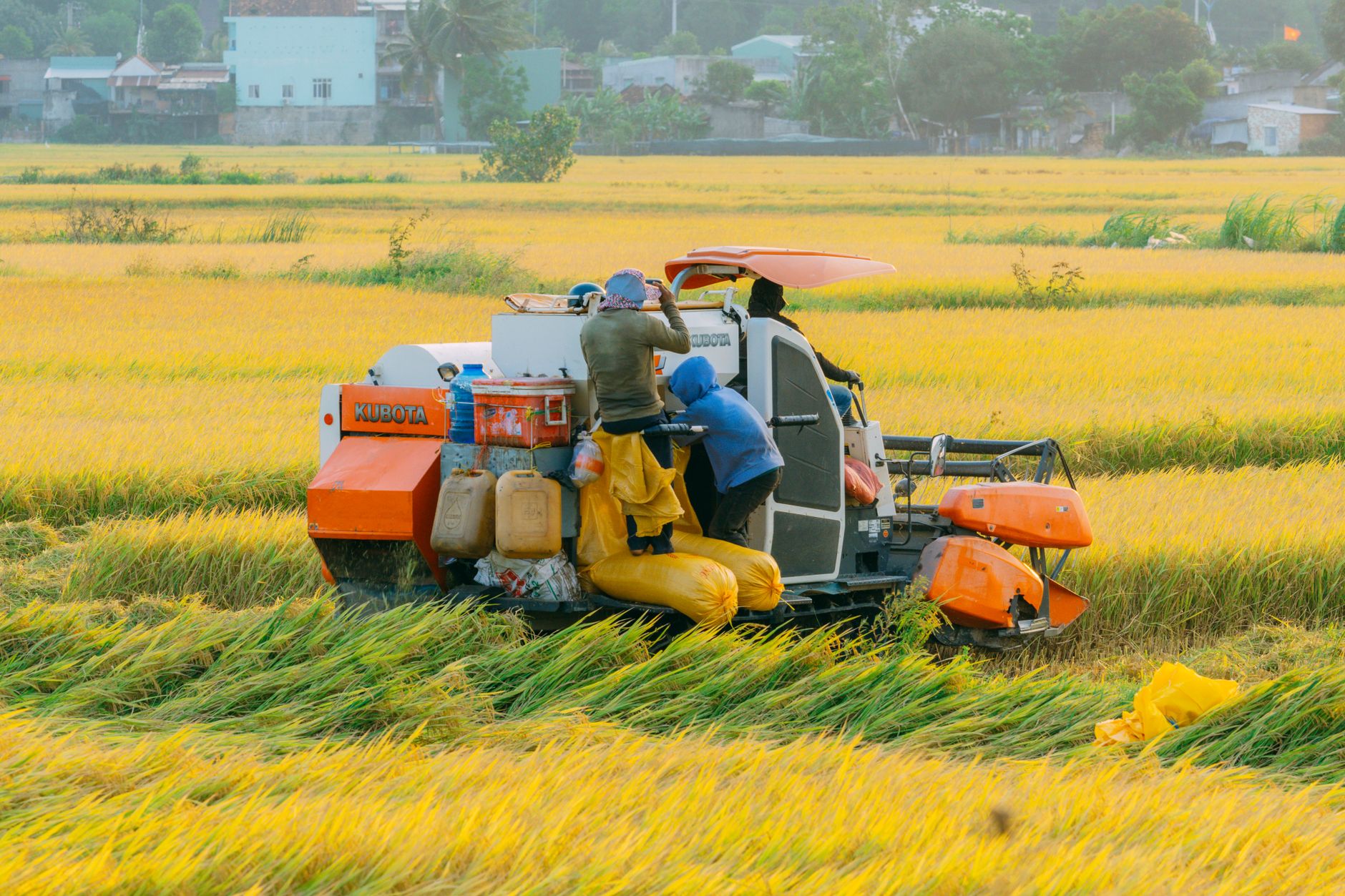
Most days begin at 7:00 or 7:30 a.m. because farmers start early and morning light is best for photos and cooler for walking. A host meets you at your hotel or a central point and drives 30–45 minutes into a district outside the city. You arrive at a family farm—typically 1–3 hectares with vegetable beds, fruit trees, or rice paddies, depending on season. First hour: walk the land, meet the farmer and their family (we translate), help with whatever task is happening—tying bean stakes, harvesting morning greens, checking irrigation. Children often pick fruit or collect eggs. By 9:00 a.m. you're usually in the family kitchen (a semi-open room with a wood or gas stove, water pump, and shared utensils). We prepare lunch together—you chop, stir, taste as you cook. This is never a "cooking class" with recipes and technique lectures; it's practical, casual, you learn by doing. Around 11:30 a.m., you eat together at a big table, often with the farming family. Food includes multiple dishes, fresh herbs, rice, and drinks—no alcohol unless you ask. Afternoon brings a second walk, rest in a hammock or on the porch, a cup of tea, and departure by 2:00 or 3:00 p.m. You return to the city by 4:00 p.m.
Rainy season and heat: when to actually book
Vietnam's monsoon (May–October) brings daily afternoon downpours, especially July–August. Rain doesn't cancel farm days—mud is part of the experience—but heavy rain makes walking slippery and unsafe for families with young children or seniors with joint concerns. We reschedule in genuine danger; otherwise, rain means fewer tourists and fresher air. Typhoon season (September–October) can cause flooding; we avoid this window for paddies but inland farms often run fine. April and May bring heat above 35°C, exhausting for anyone not acclimated. Most Korean groups prefer October–November (cool, dry, clear light) or December–February (similar but cooler, ideal if you're escaping Korean winter). We also run experiences in March—green and fresh but occasional light rain. Never book blindly; tell us your dates via WhatsApp and we'll tell you honestly whether that week is best for your interests.
Adapting for families, seniors, and dietary needs
Children aged 6–10 thrive on farm days if we set realistic expectations: they won't hike 10 km, but 2 km of walking with frequent stops is natural. Kids love collecting vegetables, running in open space, and eating outdoors. We keep them occupied and safe; teenagers (13+) often engage more deeply with farmers and ask practical questions about yield and seasons. Seniors (70+) join regularly and we adjust everything: shorter walks, extra rest time, lower stepping in and out of vehicles, sitting tasks like preparing herbs or shelling beans. One host stays closer to you. Mobility matters—tell us if you use a cane or tire easily, and we'll choose a flatter, closer farm. Dietary needs are handled before booking: vegetarian, no peanuts, no spicy, gluten-free, or allergies—we confirm ingredients with the farm family days ahead and adapt dishes. We've cooked entirely vegetarian lunches for Korean Buddhist visitors and prepared separate bowls for shellfish allergies. Heat sensitivity? We schedule shade time and bring extra water. The key is honesty when you contact us—no surprise restrictions.

What to wear, bring, and realistically expect to experience
Wear old clothes you don't mind muddying: long trousers (protects legs from sun and insects), closed-toe shoes or sandals with grip (not flip-flops; mud is slippery), and a wide-brimmed hat or cap. Layers for morning cool and afternoon warmth. Bring a small backpack with sunscreen, insect repellent (mosquitoes are real but not overwhelming), a water bottle (we refill at the farm), a phone for photos, and a dry towel. Don't pack valuables; farms are safe but there's nowhere secure. Bathrooms are basic—a squat toilet and cold water for washing—so manage your expectations and go before leaving the farm. You will get dirt under your fingernails and on your clothes. Your shoes may sink slightly into mud during walking. This is not a spa day. You will be tired and hungry afterward. You will likely have an ache in muscles you forgot you had—in a good way. Expect genuine surprise at how little "stuff" farm families own and how satisfied they appear. Many Korean visitors mention later that the simplicity was the point.
Why this beats a tour-bus countryside package
Tour buses pick up 40 people, drive to a "model farm" designed for visitors, let you take photos for 20 minutes, sell you overpriced crafts, and move on. You see nothing authentic and meet no one. Private countryside experiences with Cáo Experiences involve a real family, real work, real food, and real conversation. We're not a transportation service; we're a gateway to one place, one family, for half a day. The pace is slow enough that you notice details: how a farmer checks soil by feel, how a mother's hands move while rolling spring rolls, how children greet you without shyness because they see you working, not performing. You also support a real household—money goes directly to the farm family, not a tourism corporation. Korean groups appreciate this transparency and ethical angle.
Comparison: farm experiences and related countryside options
| Activity | Best for | Pace | Physical demand | Meal included |
|---|---|---|---|---|
| Farm day with work | Families, culture-seekers | 6–8 hrs, slow | Low–moderate | Yes, farm lunch |
| Horse riding | Confident riders, adventure | 2–3 hrs | Moderate–high | Light snack |
| Cooking class in countryside | Foodies, couples | 3–4 hrs | Low | Yes, your lunch |
| Tea experiences at rural garden | Relaxation focus | 2–3 hrs | Very low | Yes, tea & snacks |
| Countryside market visit | Early risers, food buffs | 2–3 hrs | Low–moderate | Breakfast only |
How to check before you book
Weather fit: Tell us your dates; we'll confirm season and suitability. Fitness and mobility: Any joint pain, medications, or mobility aids? We adapt immediately. Dietary needs or allergies: List every restriction—we call the farm family ahead. Group size: Private (2–8 people for one family) or small group (up to 12, mixed travelers)? Preference: Vegetable farm, rice paddies, orchard, or no preference? Transport: Pickup from hotel included; tell us the address and hotel name. Language comfort: English-speaking host; no other languages guaranteed, but we translate farmer speech.
Contact us via WhatsApp and be specific. The better you describe yourselves, the better we match you.
Other countryside-adjacent experiences you might combine
A countryside day is perfect as a single outing, but some groups add depth by pairing it with related activities. A coffee workshop works well if your farm day is near a coffee-growing region (Da Lat or Ba Vi mountains). A street food and market tour in the city afterward feels like a natural contrast—you've seen food grow, now see it sold and eaten in chaos. Families with younger kids sometimes pair a farm day with a quieter tea experience the following day to balance activity. Multi-day trips might include a horse riding session on another day if that interests you—very different from farming but equally rural. We help you plan these combinations; ask us for a multi-day itinerary once you've committed to countryside.

FAQ
Do I need farm experience to join a countryside day?
No. We teach you as we go. Beginners are welcome and often the most engaged because everything is new. Farmers expect questions and enjoy teaching.
Can children under 6 come?
Technically yes, but farm days involve walking, mud, unpredictable animals, and unpredictable bathrooms. We honestly recommend age 6+ for safety and enjoyment.
What if it rains on my booked day?
We reschedule or run it depending on safety. Heavy typhoon-level rain means a new date. Light rain means mud and fewer tourists—we decide together morning-of.
Is food safe? Can I get food poisoning?
Farm families cook for themselves and their children daily. Food is fresh, hygiene is basic but real. Visitors from developed countries occasionally get minor stomach adjustments to new bacteria; we've never seen serious illness. Stay hydrated, eat normal portions, avoid tap water (we provide bottled).
Can I book just a cooking class instead of a full farm day?
Yes. A Vietnamese cooking class in a rural kitchen is 3–4 hours and includes lunch. Ask us for countryside cooking-only options.
How far are farms from the city?
30–45 minutes by car, depending on traffic and the city (Hanoi or Ho Chi Minh City vary). We pick you up early to include travel time in the experience.
Do I need to bring gifts for the farm family?
Not required, but thoughtful. Small gifts (tea, chocolate, school supplies for kids) are appreciated. Avoid money—it can feel transactional.
What's the best region for a countryside day: Hanoi or Saigon?
Both work. Experiences in Hanoi often feature rice paddies and vegetable farms in Ba Vi or Soc Son. Experiences in Ho Chi Minh City tend toward fruit orchards and vegetable gardens in Cu Chi. Climate and landscape differ; both are authentic.
Ask about dates
Tell us the city, your dates and what you would like to try. We reply on WhatsApp in English with options and availability.
FAQ
Do I need farm experience to join a countryside day?
No. We teach you as we go. Beginners are welcome and often the most engaged because everything is new. Farmers expect questions and enjoy teaching.
Can children under 6 come?
Technically yes, but farm days involve walking, mud, unpredictable animals, and unpredictable bathrooms. We honestly recommend age 6+ for safety and enjoyment.
What if it rains on my booked day?
We reschedule or run it depending on safety. Heavy typhoon-level rain means a new date. Light rain means mud and fewer tourists—we decide together morning-of.
Is food safe? Can I get food poisoning?
Farm families cook for themselves and their children daily. Food is fresh, hygiene is basic but real. Visitors from developed countries occasionally get minor stomach adjustments to new bacteria; we've never seen serious illness. Stay hydrated, eat normal portions, avoid tap water (we provide bottled).
Can I book just a cooking class instead of a full farm day?
Yes. A [Vietnamese cooking class](/cooking-class) in a rural kitchen is 3–4 hours and includes lunch. Ask us for countryside cooking-only options.
How far are farms from the city?
30–45 minutes by car, depending on traffic and the city (Hanoi or Ho Chi Minh City vary). We pick you up early to include travel time in the experience.
Do I need to bring gifts for the farm family?
Not required, but thoughtful. Small gifts (tea, chocolate, school supplies for kids) are appreciated. Avoid money—it can feel transactional.
What's the best region for a countryside day: Hanoi or Saigon?
Both work. [Experiences in Hanoi](/destinations/hanoi) often feature rice paddies and vegetable farms in Ba Vi or Soc Son. [Experiences in Ho Chi Minh City](/destinations/ho-chi-minh-city) tend toward fruit orchards and vegetable gardens in Cu Chi. Climate and landscape differ; both are authentic.
More like this
Farm and countryside days
Fishing Experience Vietnam for Japanese Travelers: Where to Go & What to Expect
Vietnam's waterways offer Japanese travelers a chance to learn traditional fishing methods directly from locals. Cáo Experiences runs half- and full-day sessions on rivers, lakes and the Mekong Delta where you cast nets, set traps, and cook your catch.
Farm and countryside days
Fishing Experience Vietnam for Foreigners: Hands-On Guide
Fishing in Vietnam isn't a spectator sport—you'll wade into rivers, cast nets, trap fish in baskets, and cook your catch for lunch. We run small-group and private fishing days in the countryside outside Hanoi, Ha Noi region, and the Mekong Delta.
Farm and countryside days
Fishing Experience in Vietnam: 8 Questions to Ask Before You Go
Fishing in Vietnam means wading through rice paddies, learning trap techniques, or casting in rivers with local guides. Here's what to ask before you book.