
Home › Blog › Farm and countryside days
Countryside day trip Vietnam vs Bali: which suits you better
By the Cáo Experiences team · 2026-11-06
A countryside day trip in Vietnam typically lasts 6–8 hours and puts you in rice paddies, family kitchens, or vegetable gardens with locals who farm them daily—not actors performing tourism. Bali's countryside routes are polished, Instagram-ready, and heavy on guides; Vietnam's, through Cáo Experiences, skip the script. You'll harvest greens, cook lunch from what you picked, ride horses through pine forests, or sit in a family's home learning tea or coffee rituals. Vietnam costs less, feels less staged, and leaves you with real relationships rather than photos. Rain is normal; we adapt by moving indoors to cooking, craft, or storytelling. Kids thrive here. Seniors find slower paces in tea gardens or flower markets. Both places are beautiful, but Vietnam's countryside teaches you how people actually live. Ask us for dates and a quote on WhatsApp to start.
What does a real Vietnam countryside morning actually look like?
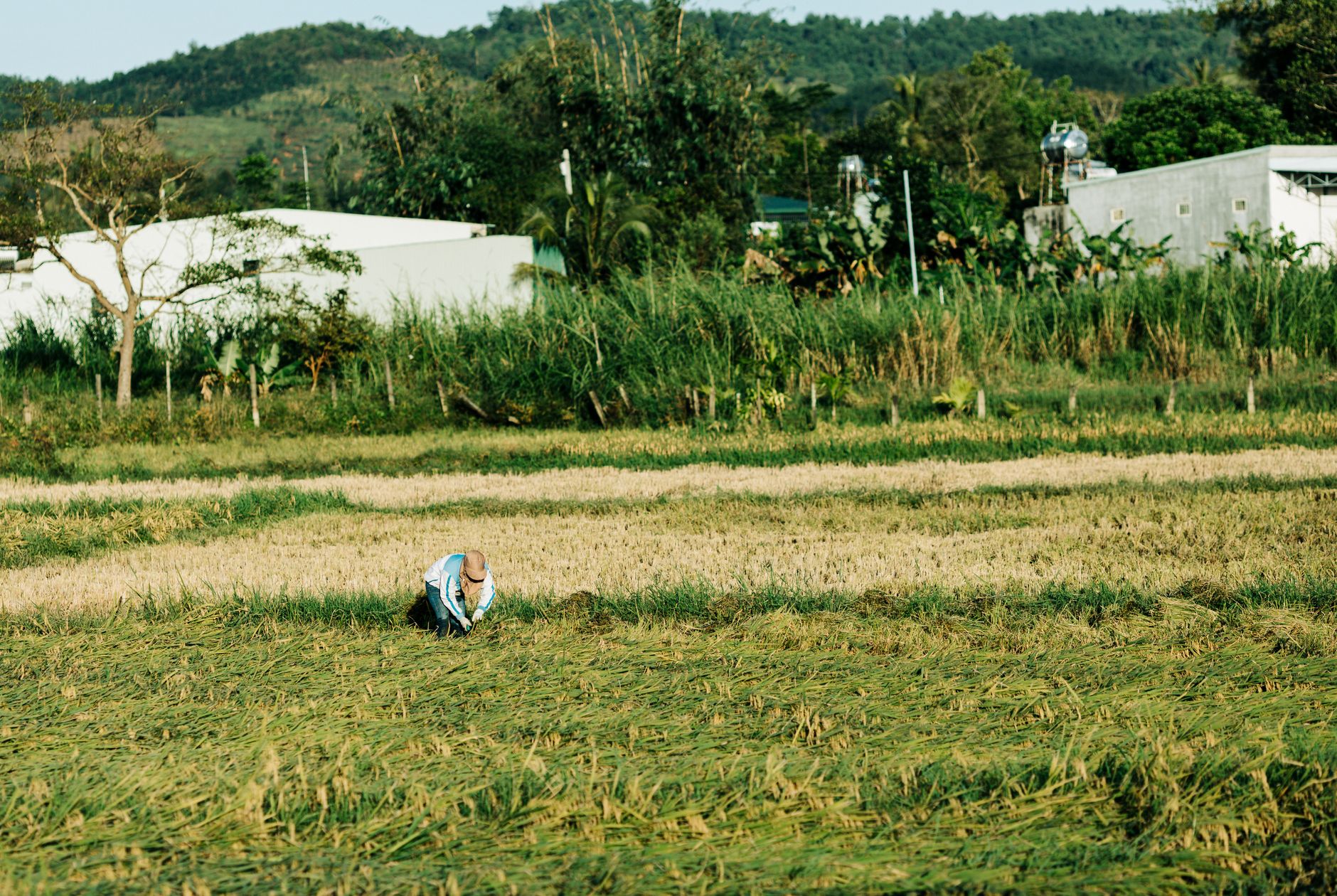
Most tourists in Bali see rice terraces from a motorbike or café balcony. In Vietnam, we bring you into them. You'll arrive at a family kitchen in a lane off the old quarter or a pine-forest stable before dawn, eat rice porridge with neighbors, and work alongside farmers—no rehearsed commentary, no photo op. A typical session runs 6–8 hours: harvest, cook, eat, rest, craft or ride home. Kids help pull vegetables. Seniors sit with grandmothers making spring rolls. Rain? We move to the kitchen, tell stories, learn to make noodles or tea indoors. This is how Cáo Experiences builds farm and countryside experiences that feel like waking up inside someone's real day, not stepping onto a stage.

How does the cost really compare—Vietnam or Bali?
Vietnam's countryside days are markedly cheaper than Bali's resort-loop tours, though we don't quote prices here (ask us for a quote on WhatsApp). What matters: Bali's countryside is bundled—guide, hotel pickup, lunch spot, souvenir shop—all controlled, all marked up. Vietnam's farm experiences let you spend directly on the activity itself, not the infrastructure around it. You walk or cycle from a family's home. Lunch is what you cooked. A horse ride through a pine forest costs less than a Bali stable tour. If you're traveling tight, Vietnam stretches further. If you want convenience, Bali charges for it. Neither is wrong, but honesty matters: Bali's appeal is ease; Vietnam's is depth and value.
| Countryside factor | Vietnam (through Cáo) | Bali (typical resort loop) |
|---|---|---|
| Duration | 6–8 hours, flexible | 4–6 hours, fixed |
| Included | Activity only, lunch you make | Activity, guide, lunch place, shop |
| Local contact | Direct, daily workers | Guided, choreographed |
| Customizable for kids, seniors, allergies | Yes, embedded in design | Sometimes, with advance notice |
| Rain adaptation | Indoors (cooking, craft, tea) | Usually cancelled or truncated |
| Skill bar at start | No experience needed | Same |
| Physical demand | Moderate, your pace | Moderate to high, group pace |
Conclusion: Vietnam offers better value and flexibility; Bali offers more packaged ease.
What activities actually suit families better—Vietnam or Bali?
Bali's countryside is beautiful but often feels like watching adults farm or garden while kids sit in shade. Vietnam's family experiences are designed with children in mind. A 6-year-old harvests carrots, carries them, cooks them for lunch, and eats what she picked—it's a full story, not a photo break. Teenagers help with horse riding, learn a craft skill, or film behind-the-scenes content for their phones. Grandparents sit with village elders over tea or flowers, moving at their own rhythm. We adapt for attention spans, allergies, and comfort. Rain doesn't end it—cooking and craft workshops move indoors seamlessly. Bali's kid-friendly countryside tours exist, but they're rarely integrated the way ours are. If you're traveling as a mixed-age family, Vietnam's hands-on, slow-paced approach keeps everyone engaged without splitting the group.
Which countryside gives you better stories to take home?
Bali's countryside produces excellent photos—rice terraces, traditional dress, smiling guides. But the story often ends when you leave. In Vietnam, you'll have a phone number or WhatsApp contact of the family whose kitchen you worked in. You'll remember the taste of greens you harvested hours before eating them. You'll know the farmer's name, their kids' names, what they plant next season. Our cooking classes, coffee workshops, and flower arranging are designed so you leave with skills, not just memories. A coffee workshop teaches you why a family prefers one method over another—you can replicate it at home. A cooking session gives you recipes and the muscle memory of rolling spring rolls by hand. Bali's experience is curated; Vietnam's is cumulative. Which matters more depends on what you came for: Instagram or understanding.
When should you choose Bali's countryside instead of Vietnam's?
Be honest: if you want maximum comfort, minimal unpredictability, and a polished itinerary, Bali wins. Vietnam's countryside is authentic precisely because it's not fully controlled. Weather changes plans. A family's schedule might shift. Roads are real, not resort walkways. If you're traveling for 2 days and need guaranteed productivity, Bali's all-inclusive loop is safer. If you have mobility limits and can't handle uneven paths, Bali's resort-adjacent countryside is more accessible (though Vietnam's wellness and slow experiences do adapt for seniors—ask us). If you're alone and uncomfortable with close local contact, Bali's guide-mediated experience feels safer. If you value consistency, Bali delivers it. Cáo Experiences' farm and countryside work best for travelers with flexibility, curiosity, and time to sit still.
What to check before you choose
- Timing: Vietnam works year-round; rain is managed, not cancelled. Bali's dry season (May–September) is quieter and cleaner.
- Group size: Cáo Experiences runs group and corporate experiences and private sessions—ask your group's needs. Bali's tours are sometimes rigid on numbers.
- What you actually want to learn: Street food and market tours, craft workshops, tea experiences, horse riding, and art classes all exist in both places. Vietnam's are less touristy.
- Physical demand: Walking, climbing, sitting on floors. Bali's are usually easier. Vietnam's require basic fitness.
- Allergies or dietary needs: Tell us in advance; Vietnam adapts instantly because you're in a family kitchen. Bali's set menus can be harder to modify.
- Language comfort: Both run in English. Vietnam's local hosts speak less English; that's part of the authenticity. If fluent English is essential, Bali is smoother.
FAQ
Do I need farm experience to join a countryside day in Vietnam?
No. We teach from zero. Kids harvest; seniors arrange flowers; non-cooks make noodles. Everyone ends up with lunch and a real skill.
What if it rains?
We move indoors. Cooking, craft, tea, and storytelling happen just as well—sometimes better, because you're cozier. We reschedule only if you ask.
Can I do this solo, or is it couples/groups only?
Solo travelers join regularly. You'll work with a family or a small mixed group. It's intimate, not isolating.
How does a cooking class in Vietnam differ from Bali's?
Ours happen in an actual family kitchen, using what's in the garden. You eat what you cook, at their table, with them. Bali's are often in dedicated "cooking schools." Ours are lived-in.
What if someone in my group is vegetarian or has allergies?
Tell us before booking. A family kitchen adapts instantly—they'll grow or source what you need. It's easier than a fixed restaurant or resort menu.
Can seniors do this comfortably?
Yes. We have wellness and slow experiences designed for pacing and comfort. Sitting, arranging flowers, sipping tea, listening—these are core to Vietnam's countryside offer.
Is it safe for kids?
Yes. We design activities so kids are never bored or in danger. Parents stay close. Our family experiences are built for mixed ages.
How far from the city?
Most are 30–60 minutes by car or scooter—close enough for a day trip, far enough to feel like countryside. You won't spend your whole day in a vehicle. --- Ask about dates on WhatsApp Learn more about our other experiences in Vietnam: explore tea experiences, discover Hanoi countryside sessions, or read more stories from our hosts.
Ask about dates
Tell us the city, your dates and what you would like to try. We reply on WhatsApp in English with options and availability.
FAQ
Do I need farm experience to join a countryside day in Vietnam?
No. We teach from zero. Kids harvest; seniors arrange flowers; non-cooks make noodles. Everyone ends up with lunch and a real skill.
What if it rains?
We move indoors. Cooking, craft, tea, and storytelling happen just as well—sometimes better, because you're cozier. We reschedule only if you ask.
Can I do this solo, or is it couples/groups only?
Solo travelers join regularly. You'll work with a family or a small mixed group. It's intimate, not isolating.
How does a cooking class in Vietnam differ from Bali's?
Ours happen in an actual family kitchen, using what's in the garden. You eat what you cook, at their table, with them. Bali's are often in dedicated "cooking schools." Ours are lived-in.
What if someone in my group is vegetarian or has allergies?
Tell us before booking. A family kitchen adapts instantly—they'll grow or source what you need. It's easier than a fixed restaurant or resort menu.
Can seniors do this comfortably?
Yes. We have wellness and slow experiences designed for pacing and comfort. Sitting, arranging flowers, sipping tea, listening—these are core to Vietnam's countryside offer.
Is it safe for kids?
Yes. We design activities so kids are never bored or in danger. Parents stay close. Our family experiences are built for mixed ages.
How far from the city?
Most are 30–60 minutes by car or scooter—close enough for a day trip, far enough to feel like countryside. You won't spend your whole day in a vehicle. --- [💬 Ask about dates on WhatsApp](https://wa.me/84338762340) Learn more about our other experiences in Vietnam: explore tea experiences, discover [Hanoi countryside sessions](/destinations/hanoi), or read more [stories from our hosts](/blog).
More like this
Farm and countryside days
Fishing Experience Vietnam for Japanese Travelers: Where to Go & What to Expect
Vietnam's waterways offer Japanese travelers a chance to learn traditional fishing methods directly from locals. Cáo Experiences runs half- and full-day sessions on rivers, lakes and the Mekong Delta where you cast nets, set traps, and cook your catch.
Farm and countryside days
Fishing Experience Vietnam for Foreigners: Hands-On Guide
Fishing in Vietnam isn't a spectator sport—you'll wade into rivers, cast nets, trap fish in baskets, and cook your catch for lunch. We run small-group and private fishing days in the countryside outside Hanoi, Ha Noi region, and the Mekong Delta.
Farm and countryside days
Fishing Experience in Vietnam: 8 Questions to Ask Before You Go
Fishing in Vietnam means wading through rice paddies, learning trap techniques, or casting in rivers with local guides. Here's what to ask before you book.