
Home › Blog › Craft workshops
Craft Workshop in Da Lat: Choose Your Hands-On Class
By the Cáo Experiences team · 2026-11-06
A craft workshop in Da Lat with Cáo Experiences is a half-day or full-day session where you learn a single skill—flower pressing, ceramics, textile dyeing, woodwork, or paper-making—in a working studio or family workshop space in the city's artist quarter or surrounding pine forests. Sessions run 3–6 hours, include all materials and tools, and are led in English by practitioners who teach beginners. Groups stay small (2–8 people); we adapt pacing and difficulty for kids, seniors, and mixed skill levels. Rain simply moves indoor sessions to a covered workspace. Da Lat's cooler altitude and artistic tradition mean fewer tourists and more locals willing to teach. Ask us for dates and a quote on WhatsApp to match your interests, group size, and schedule. Ask about dates on WhatsApp
Why is Da Lat different from other craft cities in Vietnam?
Da Lat sits at 1,500 metres elevation in a pine forest, which means cooler weather, clearer light for detail work, and a quieter creative scene than Hanoi or Ho Chi Minh City. The city attracts artists, flower growers, and small-scale makers; workshops tend to be tucked into residential laneways and converted farmhouses rather than tourist strips. When we book a session here, we work with individual artisans, not commercial studios. That means smaller groups, longer personal attention, and the chance to see how materials come from local sources—dyed silk from nearby mills, clay from red earth pits in surrounding valleys, dried flowers from Da Lat's flower markets. The slower pace suits people who want to actually absorb a skill, not just take a photo.
What types of craft workshops does Cáo Experiences offer in Da Lat?
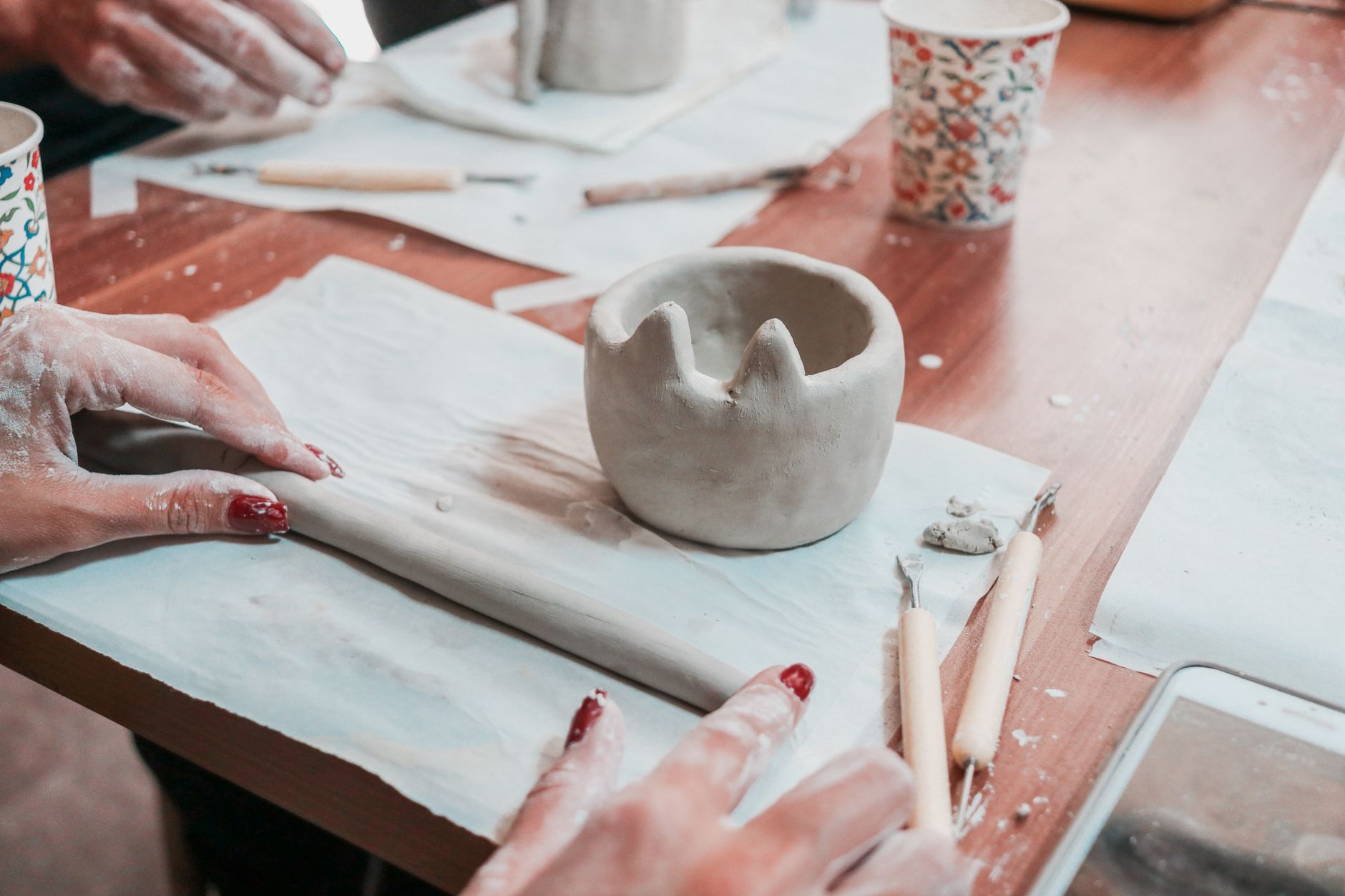
We coordinate five main craft categories. Textile dyeing uses natural indigo and botanical dyes in a workshop kitchen; you boil, fold, and bind cotton or silk scarves and come away with a one-of-a-kind piece. Flower pressing and arrangement happens in a studio with flat-bed presses and archival paper; you learn preservation techniques and design small framed pieces. Hand-formed ceramics (no wheel required) teaches pinch pots, coil vessels, and surface textures; a potter fires work after you leave. Paper-making involves pulping cotton scraps and flower stems in a converted farmhouse; you press and dry sheets by hand. Woodworking basics—small boxes, plant stands, cutting boards—uses hand tools and hand planes in a joinery space outside town. Each has a different rhythm and outcome. Explore all our craft workshops here.
How long does a typical session last and what do I actually make?
Most sessions run 3.5 to 5 hours, not including transport time. A textile dye workshop starts with indigo history and dye-pot setup (30 mins), then 2–3 hours of hands-on folding, binding, dyeing, and rinsing. You leave with a finished scarf or two pieces ready to dry at home. Ceramic sessions yield one small vessel (a bowl or lidded pot) that gets fired in a kiln in the following week; you collect it later or we ship it. Flower-pressing classes produce 2–3 framed pressed-flower designs ready to hang. Paper-making gives you 4–6 handmade sheets. Woodworking projects (a small box or coaster set) are finished and oiled by the end of the day. Everything you make is yours to take home or have us post within Vietnam or internationally.
Who is a craft workshop right for—age, skill, fitness?
Best suited: couples seeking a quiet shared skill, solo travelers wanting to slow down, families with kids 8+, small friend groups, and people recovering from stress who benefit from repetitive hand work. Kids (6–12): we simplify designs, provide child-sized tools, and pair them with an adult or older sibling; flower-pressing and paper-making are easiest. Seniors (60+): textile dyeing and flower arranging require minimal standing and no heavy lifting; we provide seating, adjust table height, and break sessions into shorter phases. Non-beginners: if you've done ceramics or dyeing before, we add complexity—layered resist techniques, larger vessels, multi-stage finishing. Allergies & sensitivities: tell us before booking. Some dyes are synthetic (we note which); we source natural alternatives if you prefer. We avoid plants that trigger common reactions. Mobility: studios are ground-floor or have accessible entry; tell us and we'll confirm access before the date.
What should I bring and wear to a craft workshop?
Wear clothes you don't mind staining—indigo, clay, and dyes mark fabric. Avoid loose long sleeves that dip into dye pots; roll up or wear short sleeves. Closed-toe shoes are safest (clay splashes, hot water). Bring a small towel, a ziplock bag for wet pieces, and a notebook if you want to sketch ideas or take notes. We provide all craft materials, tools, protective aprons, and gloves. Bring water and a snack; some workshops have a short lunch break where we visit a nearby family café for pho or spring rolls. Sunglasses help if you're sensitive to reflected light during detail work. No jewelry that might catch in looms or get stained. If you're prone to back tension, bring a small cushion for seating during long hand-work phases.
How do we adapt sessions for rain and weather?
Da Lat rain is usually gentle and warm; it rarely stops a session. Indoor workshops (dyeing, ceramics, paper-making, woodworking) are unaffected. Outdoor setup in flower-pressing or outdoor arrangement classes simply shifts into a covered studio space or the artisan's sheltered workspace—same materials, same instructor, full experience. If rain is heavy, we may shorten transport between your hotel and the workshop or reschedule; we'll confirm this on WhatsApp and offer an alternative date with no cost difference. Cold mornings (Da Lat dips to 10–15°C in winter months) mean we suggest a light sweater or cardigan; most workshops have warm drinks on hand.

Craft workshop types: a quick comparison for Da Lat
| Craft Type | Duration | Best For | What You Make | Physical Demand | Messiness |
|---|---|---|---|---|---|
| Textile dyeing | 3.5 hrs | Couples, groups wanting one shared outcome | 1–2 finished scarves or fabric pieces | Low–medium (standing at pots) | Medium (dye on hands, water) |
| Flower pressing | 3 hrs | Quiet solo travelers, families, slow pace lovers | 2–3 small framed artworks | Low | Low |
| Hand ceramics | 4.5 hrs | Anyone wanting tactile, earthy work; kids love it | 1 small bowl, pot, or vessel | Medium (hand strength, fine motor) | Medium–high (clay dust) |
| Paper-making | 4 hrs | Environmentally minded, patience for repetition | 4–6 unique sheets (thick, textured) | Medium (lifting wet paper) | Medium (water, pulp splashes) |
| Woodworking basics | 5 hrs | Detail-oriented, those with light carpentry interest | 1 small box or coaster set, finished | Medium–high (hand planing, chiseling) | Low–medium (sawdust, wood shavings) |
Each suits different moods: dyeing for colour lovers, pressing for meditative makers, ceramics for primal hand-feeling, paper for eco-conscious creators, woodwork for precision-minded guests.
Do we ship finished pieces home, and how much does that cost?
Yes. We wrap and post items within Vietnam (5–7 working days) or internationally (10–14 days to most countries). Shipping cost depends on weight and destination; ask us for a quote on WhatsApp before your session if you plan to post work. Fragile pieces (ceramics, dried flowers in frames) are padded carefully. For lightweight items (scarves, paper sheets, small wood pieces), we can often include postage in a combined quote with your workshop fee. Alternatively, most guests pack work into their luggage or day bag. We avoid overpacking; finished pieces are sized to travel.
What to check before booking a craft workshop in Da Lat
- Confirm your craft interest early: tell us if you prefer colour work (dyeing, flowers), tactile earth work (ceramics, wood), or precision (paper, detail pressing).
- Check physical access: If you have mobility limits, knee pain, or hand weakness, tell us the specific activity—we'll suggest the easiest option or modify setup.
- Ask about materials sourcing: If you care whether dyes are natural or synthetic, or if clay is local, ask; we'll answer honestly and can often adjust.
- Clarify group size: Private sessions (2–4 people) allow more flexibility; small-group sessions (5–8) move faster and feel more social. We'll match your preference.
- Plan for transport: Ask us to arrange collection from your hotel or provide directions to the workshop space; Da Lat's narrow lanes can be tricky on first visit.
- Discuss timing: Some workshops suit early morning (cooler for hand work), others afternoon (less rush, more relaxation). Tell us your preference and hotel location when you ask for dates.
How is a craft session different from a factory tour or cooking class?
A craft workshop focuses on you making something by hand, end-to-end, not observing others. Our cooking classes teach food techniques and you eat the meal; craft workshops are about the making process, the finished object, and the skill you take away. A factory tour is informational and passive; a workshop is active and personal. We also run art and culture classes that cover art history and technique (more conceptual) alongside hands-on work; craft workshops skip theory and jump straight into making. If you want to experience Da Lat's creative side more broadly, you might combine a short farm and countryside experience to see where indigo and flowers grow, then a dyeing workshop the next day—we can coordinate both.
A note on finding authentic craft experiences
Not all "craft workshops" in Da Lat are equal. Some are tourist-facing studios that teach mass-produced souvenir designs; others are working artisan spaces where the maker is training for their own livelihood. Cáo Experiences partners with the latter: small operations run by people who dye or make for local galleries and regional markets, not for tour buses. That's why groups are small, why pacing can slow down, and why you might see the artisan's own work in progress on a shelf. It also means sessions don't always run daily; we book you into their real schedule, not a fixed timetable. That unpredictability is worth the trade-off for authentic, unhurried learning.

FAQ
Can I do a craft workshop if I've never made anything before?
Yes, all sessions assume zero experience. We teach fundamentals step by step, slow down without frustration, and celebrate imperfection—handmade things are supposed to look handmade. Beginners often make the most interesting pieces because they haven't learned what "should" be perfect yet.
What's the group size, and can I do a private session?
Standard small-group sessions have 2–8 people (usually 4–6). Private sessions for couples or families are available; ask us for dates and a quote on WhatsApp, as pricing adjusts for group size and artisan availability.
Can kids join a craft workshop?
Yes, ages 6+ suit most classes. Younger kids (under 6) can attend with a parent if the craft is simple—flower pressing, for instance. Woodworking and ceramics with sharp or hot tools work best for ages 8+. We'll adapt tools, seat height, and project scale.
What if I have a food allergy or sensitivity to dyes?
Tell us before booking. Natural indigo and plant-based dyes are gentler on skin than synthetic alternatives; we can request natural dyes if available. Synthetic dyes are still food-safe (they're not ingested, just worn or displayed). If you have severe dye sensitivity, flower-pressing or woodworking are safer bets.
How do I book and what happens after I ask for dates on WhatsApp?
Text us your craft interest, dates you're in Da Lat, group size, and any access needs. We'll confirm artisan availability, send a quote, and coordinate collection from your hotel. You pay a deposit to hold the date; the balance is due a few days before. We'll send you a detailed map, what to wear, and the artisan's phone number in case of last-minute questions.
Do I take my finished piece home immediately, or is it sent later?
It depends on the craft. Dyed scarves, pressed flowers, paper, and small woodwork are ready same-day. Ceramics need firing in a kiln (1–2 weeks), so you collect it later, or we post it for a shipping fee. We'll confirm timelines when you book.
Is the workshop experience very different in winter versus summer?
Summer (May–Sept) is humid and warm; workshops move slower because hand-work is sweatier and dye-baths feel hotter. Winter (Nov–Feb) is cool and clear—ideal for detail work. Both seasons are fine; just pack accordingly. Da Lat rarely gets cold enough to stop an outdoor session, but layers help.
Can I combine a craft workshop with other Cáo Experiences in Da Lat?
Absolutely. A flower arranging workshop pairs well with textile dyeing or pressing if you're interested in colour and design. A tea experience or farm and countryside day in the morning, then a craft workshop in the afternoon, makes a full creative day. We'll coordinate both bookings and timing on WhatsApp.
Ask about dates
Tell us the city, your dates and what you would like to try. We reply on WhatsApp in English with options and availability.
FAQ
Can I do a craft workshop if I've never made anything before?
Yes, all sessions assume zero experience. We teach fundamentals step by step, slow down without frustration, and celebrate imperfection—handmade things are supposed to look handmade. Beginners often make the most interesting pieces because they haven't learned what "should" be perfect yet.
What's the group size, and can I do a private session?
Standard small-group sessions have 2–8 people (usually 4–6). Private sessions for couples or families are available; ask us for dates and a quote on WhatsApp, as pricing adjusts for group size and artisan availability.
Can kids join a craft workshop?
Yes, ages 6+ suit most classes. Younger kids (under 6) can attend with a parent if the craft is simple—flower pressing, for instance. Woodworking and ceramics with sharp or hot tools work best for ages 8+. We'll adapt tools, seat height, and project scale.
What if I have a food allergy or sensitivity to dyes?
Tell us before booking. Natural indigo and plant-based dyes are gentler on skin than synthetic alternatives; we can request natural dyes if available. Synthetic dyes are still food-safe (they're not ingested, just worn or displayed). If you have severe dye sensitivity, flower-pressing or woodworking are safer bets.
How do I book and what happens after I ask for dates on WhatsApp?
Text us your craft interest, dates you're in Da Lat, group size, and any access needs. We'll confirm artisan availability, send a quote, and coordinate collection from your hotel. You pay a deposit to hold the date; the balance is due a few days before. We'll send you a detailed map, what to wear, and the artisan's phone number in case of last-minute questions.
Do I take my finished piece home immediately, or is it sent later?
It depends on the craft. Dyed scarves, pressed flowers, paper, and small woodwork are ready same-day. Ceramics need firing in a kiln (1–2 weeks), so you collect it later, or we post it for a shipping fee. We'll confirm timelines when you book.
Is the workshop experience very different in winter versus summer?
Summer (May–Sept) is humid and warm; workshops move slower because hand-work is sweatier and dye-baths feel hotter. Winter (Nov–Feb) is cool and clear—ideal for detail work. Both seasons are fine; just pack accordingly. Da Lat rarely gets cold enough to stop an outdoor session, but layers help.
Can I combine a craft workshop with other Cáo Experiences in Da Lat?
Absolutely. A [flower arranging workshop](/flower-arranging) pairs well with textile dyeing or pressing if you're interested in colour and design. A [tea experience](/tea-experience) or [farm and countryside day](/farm-experience) in the morning, then a craft workshop in the afternoon, makes a full creative day. We'll coordinate both bookings and timing on WhatsApp.
More like this
Craft workshops
Craft Workshop in Saigon: Small Group Classes for Beginners
Cáo Experiences runs small-group craft workshops across Saigon where you learn traditional and contemporary making in intimate studio and community spaces. Sessions suit absolute beginners, families, and skill-builders.
Craft workshops
Craft workshop in Saigon for couples: what to choose
Couples in Saigon have three main craft paths: ceramics in a family studio, natural-dye silk painting, or bamboo weaving. Each teaches differently and suits different moods.
Craft workshops
Craft Workshop in Hoi An: What to Expect Step by Step
A craft workshop in Hoi An with Cáo Experiences is a half or full-day session where you learn a traditional Vietnamese skill—lantern-making, silk painting, woodblock printing, or lacquerware—in a working studio or family workshop. You leave with a finished piece you made yourself.