
Home › Blog › Craft workshops
Craft Workshop in Da Nang for Tourists: What We Teach
By the Cáo Experiences team · 2026-11-06
Craft workshops in Da Nang through Cáo Experiences are 2–3 hour hands-on classes where you learn one traditional Vietnamese craft—pottery wheel, silk painting, lacquer inlay, wood carving, or indigo dyeing—from an artisan in their own workspace or a shared studio. You'll make something to take home. Groups are usually 2–6 people; we run private sessions too. Classes suit adults, teenagers, couples, and families with kids (ages 8+); beginners need no prior skill. We adapt for left-handers, sore wrists, and mobility limits. Materials, aprons, and basic tools are provided. Sessions happen year-round; rain rarely cancels (most studios are covered). Ask us for dates and a quote on WhatsApp—no fixed pricing online.
What craft options do we actually teach?
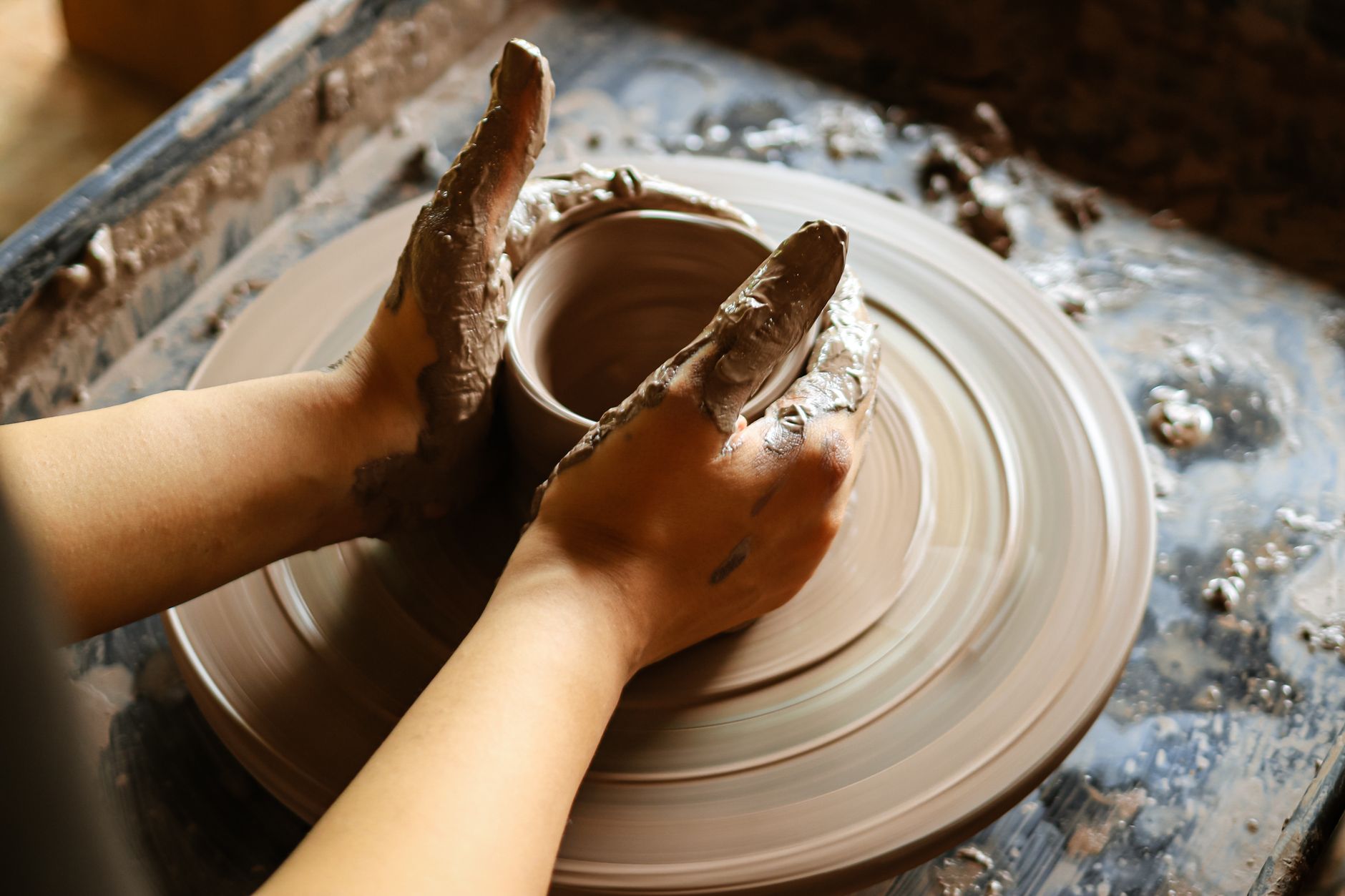
We don't teach all crafts equally. Pottery wheel (throwing clay on a spinning wheel) is most popular—you center clay, open it, pull walls, trim the base, and fire it later; it takes practice and feels physical. Silk painting on scarves or wall panels is less messy; you apply wax, dye sections, then reveal patterns; suitable for all ages and mobility levels. Lacquer inlay (embedding eggshell or gold leaf into black lacquer) is intricate but doable in one session; the finished piece looks polished and gift-ready. Indigo dyeing of cotton or silk (tie-dye and batik techniques) produces bold textiles; your hands will stain slightly for a few days—it's temporary. Wood carving (relief or relief-and-chip work) is quieter and suits smaller groups in a dedicated workshop. Each craft has its own studio or partner space; we coordinate transport and timing via WhatsApp. Check craft workshops for the full seasonal menu.

How does a typical pottery session run, hour by hour?
You arrive at a quiet ceramics studio (usually outside the central tourist zone, near the river or suburbs). We greet you, show you clay, aprons, and the wheel. Minutes 0–10: introduction—we demo centering (the hardest part) and show a finished bowl. 10–50: you throw your own piece; the teacher sits beside you, guiding your hands, adjusting wheel speed, correcting your posture. Most people throw a small bowl or cup; some attempt a taller form and collapse it—that's normal and funny. 50–70: trimming and detail (adding a foot ring, smoothing the rim, carving initials). 70–90: cleanup and photos. Your piece goes into a kiln; you'll get it mailed to you 4–6 weeks later (the studio handles glazing and firing; we cover that in the quote). Beginners often worry their piece will fall apart mid-session—it won't if the teacher is present, which we always are. Seniors with arthritis can work on the wheel if we reduce speed and pad the seat; let us know in advance.
What do silk-dyeing and textile sessions include?
Silk classes focus on pattern-making and color rather than production. We use scarves (typically 1 meter square) or smaller sample fabrics. Batik method: you draw a design with hot wax, then dip the cloth in cool indigo or bright dye, then boil off the wax to reveal white lines. Tie-dye (shibori): you fold, clamp, or stitch the cloth, then dye it; each person's pattern is unique. Silk painting: you use a resist (gutta) to outline designs, then fill in with liquid dyes; no heating required. Sessions last 2–2.5 hours because drying and cooling time is built in. Kids (8+) love tie-dye because it's tactile and the results are instant and surprising. Families often book this together; we have dye stations set up side-by-side. The finished scarf or cloth is yours to pack in your luggage (it won't dye other fabrics if rinsed properly, which we show you). If you have a wool or silk allergy, tell us before booking—some dyes can trigger sensitivity.
Should we choose lacquer, wood carving, or pottery—how do we decide?
| Craft | Best for | Physical demand | Mess level | Take-home timeline |
|---|---|---|---|---|
| Pottery wheel | Meditative, sensory, keepsake | Medium (arm strength, balance seated) | Clay dust, water splash | 4–6 weeks (fired) |
| Silk dyeing | Quick results, gift-ready, colorful | Low (standing, hand dexterity) | Dye stains (temporary), water) | Immediate (needs air-dry, 1 hour) |
| Lacquer inlay | Fine detail, luxury look, conversation piece | Low–medium (steady hands, focus) | Minimal (indoors, sealed) | Immediate (cured, take home same day) |
| Wood carving | Quiet, meditative, artistic control | Medium (grip strength, small chisels) | Wood shavings, dust (mask provided) | Immediate (unfinished or oil-sealed) |
For couples: pottery or silk create a shared memory and look good in photos. For senior travelers: silk or lacquer (less physically demanding). For families with kids: tie-dye or wood carving (immediate, safe, loud laughter). For solo travelers wanting alone-like focus: pottery wheel (one person per wheel, teacher attention). Pottery is most memorable; lacquer is most polished as a gift. Silk is fastest to complete. Ask us which studio has availability on your dates—we'll match you to the right one.
What are common beginner worries, and what actually happens?
"Will I mess it up?" Yes, almost certainly, and it's delightful. Pottery bowls collapse. Lacquer inlay pieces have fingerprints. Dyed scarves come out streaky. The teacher expects this; it's not a failure—it's the point. You learn by trying, not perfecting. We've never had someone regret their wonky pot; they treasure it.
"I have arthritis / bad wrists / weak hands—can I still do this?" Yes. We adapt everything. Pottery wheels can spin slower. Lacquer work uses fine brushes instead of chisels for people with grip issues. Silk painting requires no force. Wood carving can be done seated with a vice to hold the block. Tell us your concern in the WhatsApp chat; we'll discuss modifications with the artisan before you arrive.
"Will my clothes get ruined?" Aprons are provided. Pottery and carving create dust; wear clothes you don't mind dust-coating. Dyes can stain skin temporarily (washes off in 2–3 days) but rarely clothing if you're careful. Lacquer work is the cleanest.
"What if it rains?" Most studios are roofed. Pottery wheels and lacquer tables are covered. Indigo vats are usually indoors. We rarely cancel due to rain; we reschedule only if flooding occurs (extremely rare in Da Nang city proper).

How does rain, allergies, or dietary needs fit into a craft day?
We adapt everything. Rain: covered studios, no wet-foot risks. Bring flip-flops or shoes you don't mind getting damp from clay water. Allergies: tell us before booking. Some people react to lacquer fumes (rare, but we can ventilate or choose another craft). Dyes are synthetic and low-allergy, but we have the dye composition on hand. Latex-free gloves are available. Dietary needs: craft workshops don't usually include food, but if you're booking a group and corporate session or combining a craft with a cooking class, we plan around allergies and vegetarian/vegan diets in advance via WhatsApp. Mobility: narrow studio doorways and high tables exist; let us know and we'll find an accessible venue or arrange for you to work at a lower, wider table.
What should you check before booking a craft workshop?
- Is the artisan present during the session, or is it a generic instructor? We pair you with the actual maker whenever possible—you learn their techniques, not a script.
- Do you get to take the piece home the same day, or does it need to be fired/cured later? (Pottery: fired later. Lacquer: same day. Silk: same day if air-dried. Carving: same day if unfinished or oil-sealed.)
- Is English spoken fluently, or will there be a language barrier? We coordinate all sessions in English; the artisan may speak some English, and we brief them on key phrases.
- How many people will be in the group? Smaller (2–4) is more intimate; larger (5–8) is more social. Let us know your preference.
- What happens if the piece breaks during transport home? Pottery and lacquer are sturdy once finished; carving is fragile. We can arrange safe packaging or shipping if needed.
- Is there a minimum group size or private-session surcharge? Ask us—pricing varies by craft and date.
What other experiences pair well with a craft workshop in Da Nang?
If you're spending 2–3 days in the city, layer in other hands-on learning. A Vietnamese cooking class (morning) + craft workshop (afternoon) is a full creative day. A street food and market tour followed by lacquer (you see raw materials, then learn the artisan's process). A flower arranging workshop appeals to the same mindset as pottery—meditative, visual, gift-ready. Families often combine a family-experiences session (kids' art class or tie-dye) with a pottery or carving workshop (teens and adults). For wellness-minded travelers, tea experiences or wellness sessions feel similarly grounding. Check craft workshops to see what's available, then WhatsApp us to build a custom itinerary.
How do we handle shipping if you want the piece mailed after you leave?
Pottery that's fired is sturdy and ships well. We coordinate packing (bubble wrap, sturdy box) and shipping details with you before you leave Vietnam. You'll pay shipping cost separately (ask us for an estimate based on weight and destination). Lacquer and wood carving are heavier; ask about options. Silk textiles are lightweight and post easily. We handle all the details via WhatsApp—give us your home address and preferred mail carrier (or we use a standard shipper). Pieces take 4–8 weeks from completion to arrival, depending on customs and distance. We've never lost a piece; we photograph it before packing so you have proof.
FAQ
Can kids (under 8) join a craft workshop?
Most classes suit ages 8+. Younger kids may struggle with motor control on a pottery wheel or fine lacquer work, but silk tie-dye and wood carving (with supervision) can work for ages 6+. Message us; we'll discuss your child's skills and the specific craft.
What if I've never done pottery, silk dyeing, or carving before?
All our classes are beginner-friendly. The artisan teaches from zero; no prior skill is assumed. You'll spend most of the session doing, not watching. Expect your first piece to be imperfect—that's the entire point.
Do you offer private workshops, or only group sessions?
Both. Small groups (2–6) are standard and social. Private one-on-one sessions are available; ask us for availability and a custom quote on WhatsApp.
How long does a pottery piece take to finish after the session?
Throwing takes 1–1.5 hours during your session. Drying, bisque-firing, glazing, and final firing take 4–6 weeks total. You get it mailed to you or collect it on a return trip.
Can I do a craft workshop if I have a physical disability or chronic pain?
Yes. Tell us your specific limitation (arthritis, back pain, mobility aid needed) and we'll adapt—slower wheel speed, seated carving, lighter tools, or an alternative craft entirely. No one is turned away.
What's the difference between a craft workshop and a souvenir-shop class?
We teach technique and process directly from the artisan in their workspace or a serious studio. You learn why they do it, not just the Instagram version. Your piece reflects your effort, not a template.
If the piece breaks or goes wrong, do I get a refund or a second try?
Breakage during the session is rare (the teacher prevents it). If your pottery cracks during firing later, we'll discuss options—remake, refund, or learning opportunity. Ask us upfront about the studio's policy.
Do I need to wear special clothes or bring anything?
Wear clothes you don't mind getting dusty or slightly stained. Closed-toe shoes are best (some clay, water, or carving shavings on the floor). We provide aprons, tools, and all materials. Bring a small bag for your finished piece if it's take-home same-day.
Ask about dates
Tell us the city, your dates and what you would like to try. We reply on WhatsApp in English with options and availability.
FAQ
Can kids (under 8) join a craft workshop?
Most classes suit ages 8+. Younger kids may struggle with motor control on a pottery wheel or fine lacquer work, but silk tie-dye and wood carving (with supervision) can work for ages 6+. Message us; we'll discuss your child's skills and the specific craft.
What if I've never done pottery, silk dyeing, or carving before?
All our classes are beginner-friendly. The artisan teaches from zero; no prior skill is assumed. You'll spend most of the session doing, not watching. Expect your first piece to be imperfect—that's the entire point.
Do you offer private workshops, or only group sessions?
Both. Small groups (2–6) are standard and social. Private one-on-one sessions are available; ask us for availability and a custom quote on WhatsApp.
How long does a pottery piece take to finish after the session?
Throwing takes 1–1.5 hours during your session. Drying, bisque-firing, glazing, and final firing take 4–6 weeks total. You get it mailed to you or collect it on a return trip.
Can I do a craft workshop if I have a physical disability or chronic pain?
Yes. Tell us your specific limitation (arthritis, back pain, mobility aid needed) and we'll adapt—slower wheel speed, seated carving, lighter tools, or an alternative craft entirely. No one is turned away.
What's the difference between a craft workshop and a souvenir-shop class?
We teach *technique* and *process* directly from the artisan in their workspace or a serious studio. You learn *why* they do it, not just the Instagram version. Your piece reflects your effort, not a template.
If the piece breaks or goes wrong, do I get a refund or a second try?
Breakage during the session is rare (the teacher prevents it). If your pottery cracks during firing later, we'll discuss options—remake, refund, or learning opportunity. Ask us upfront about the studio's policy.
Do I need to wear special clothes or bring anything?
Wear clothes you don't mind getting dusty or slightly stained. Closed-toe shoes are best (some clay, water, or carving shavings on the floor). We provide aprons, tools, and all materials. Bring a small bag for your finished piece if it's take-home same-day.
More like this
Craft workshops
Craft Workshop in Saigon: Small Group Classes for Beginners
Cáo Experiences runs small-group craft workshops across Saigon where you learn traditional and contemporary making in intimate studio and community spaces. Sessions suit absolute beginners, families, and skill-builders.
Craft workshops
Craft workshop in Saigon for couples: what to choose
Couples in Saigon have three main craft paths: ceramics in a family studio, natural-dye silk painting, or bamboo weaving. Each teaches differently and suits different moods.
Craft workshops
Craft Workshop in Hoi An: What to Expect Step by Step
A craft workshop in Hoi An with Cáo Experiences is a half or full-day session where you learn a traditional Vietnamese skill—lantern-making, silk painting, woodblock printing, or lacquerware—in a working studio or family workshop. You leave with a finished piece you made yourself.