
Home › Blog › Craft workshops
Craft Workshop in Hanoi for Foreigners: What to Expect
By the Cáo Experiences team · 2026-11-06
A craft workshop in Hanoi with Cáo Experiences is a 2–3 hour hands-on session where you learn a traditional Vietnamese craft—silk painting, lantern making, lacquer work, bamboo weaving, or ceramics—in a family workshop space off the busy streets. We work in small groups (4–8 people) or private, with one host who speaks English and adapts to your pace. You arrive, we show you the tools and materials, you practice under live guidance, then take home what you made. Absolute beginners are the norm; no prior skill is needed. Cost varies by craft and group size; ask us for dates and a quote on WhatsApp. The main thing to avoid: booking a "tourist craft class" at a shop that sells souvenirs—those are rushed and staged. We work in real working spaces where locals learn the same craft. Ask about dates on WhatsApp
Why Choose a Real Workshop Over a Tourist Shop Class?
Most "craft classes" in Hanoi's central tourist zones are held in shops or studios rented just for tourists, often with 15+ people, rushed timing, and pre-made pieces you paint rather than build. A real workshop feels different: noise from actual work, materials stacked by use, a host who shows you the way they actually make things. We partner with family workshops in quieter lanes where the craft is still a living skill, not a performance. You learn the same technique locals use, make fewer pieces but with real care, and the host can answer questions that only someone doing this work daily can answer. The difference is whether you're watching a demo or thinking like a maker.
What Craft Types Work Best for Foreigners with No Experience?
We offer five main crafts, each suited to different preferences and physical comfort:
| Craft | Time | Good for | What you make | Best if you... |
|---|---|---|---|---|
| Silk painting | 2.5 hours | detail-focused, patient learners | 1–2 finished pieces on silk cloth | like precision and colour |
| Lantern making | 2 hours | hands-on learners, kids 8+ | 1 complete bamboo-frame lantern | enjoy building structure |
| Lacquer work | 3 hours | texture lovers, small-group focus | 1 lacquered wooden box or plate | want something durable |
| Bamboo weaving | 2.5 hours | rhythm-minded, group energy | 1–2 woven items (coaster, small tray) | like repetitive, meditative work |
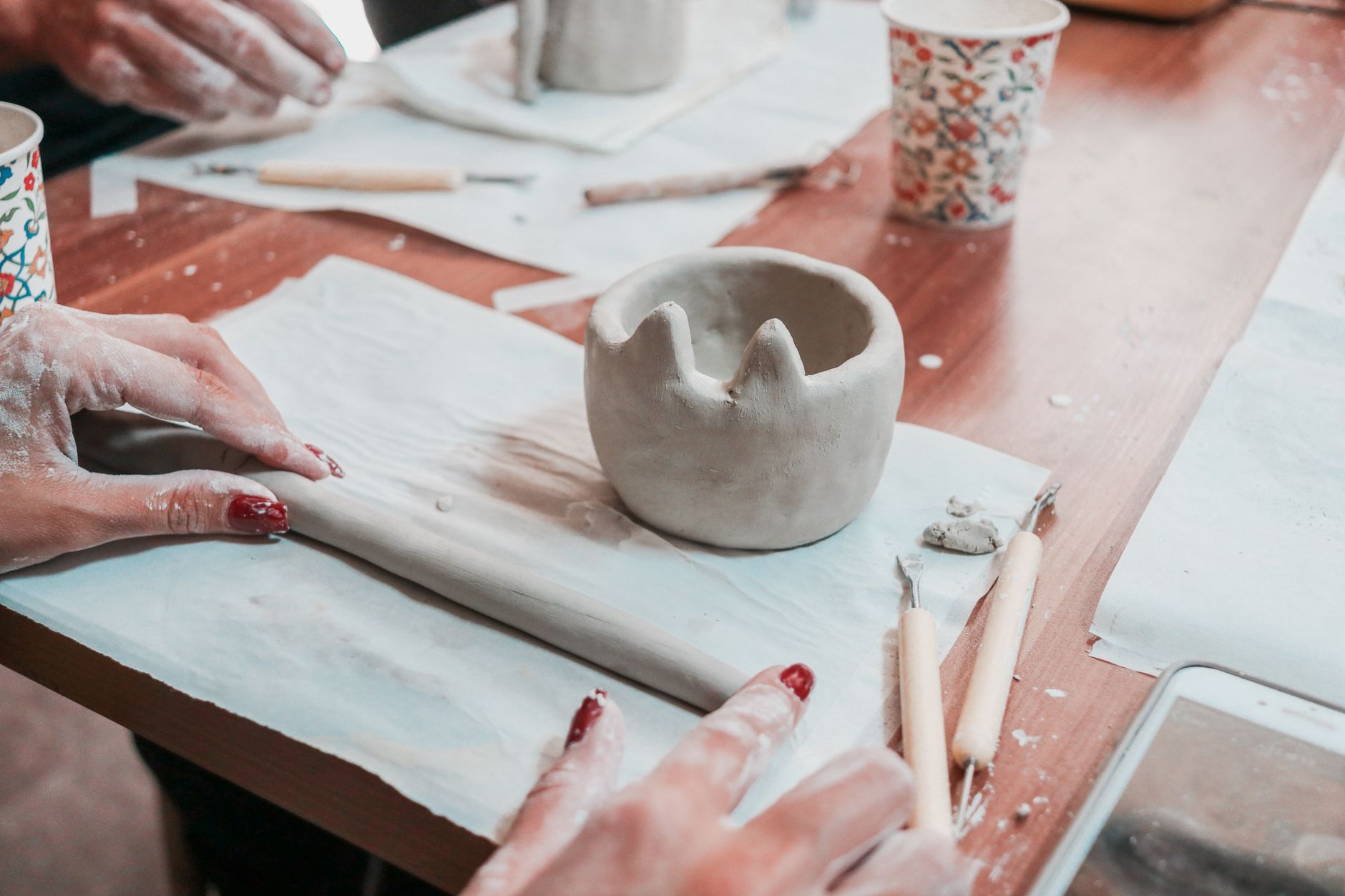
| Ceramics (hand-building) | 2 hours | sculptural thinkers | 1 hand-formed bowl or vessel | prefer tactile, forgiving media |
Every craft teaches you something about how Vietnamese makers think: patience, balance between hand and tool, respect for material. Silk and lacquer feel slower and more precious; weaving and lanterns have quicker wins. None require strength or prior coordination. If you're unsure, ask us on WhatsApp—we can match the craft to your mood.
How Do We Adapt Sessions for Different Ages and Abilities?
Children (8–14): Lantern making and weaving are the hits—visible progress, tactile feedback, and no pressure to "finish perfectly." We slow down the instructions, repeat more, and let them decorate freely. A parent can work alongside or watch. We skip anything requiring fine motor skills younger than 8.
Teens and adults: Silk painting and lacquer suit focused learners; we explain technique deeply and let them experiment. No dumbing down.
Seniors and those with limited hand strength: Weaving and lantern work don't require grip strength; silk painting requires steady hands but no force. We adjust table height, provide cushioned stools, and break into shorter focused chunks (5–10 minutes of instruction, then work, then rest). Absolutely fine to attend—many seniors prefer this to a cooking class.
Mixed skill levels in one group: We demonstrate once for everyone, then circulate. Beginners get a second demo; confident makers get pushed to add detail or try a variation. Nobody feels rushed or left behind.
Allergies or sensitivities: Lacquer and some silk dyes have fumes. We work outdoors or in well-ventilated spaces; tell us beforehand and we can swap to weaving or ceramics.
Rainy days: Weaving and ceramics stay the same—they're indoors. Silk painting moves to a covered space or we reschedule; lacquer must wait for dry air, so we suggest another date.

What's the Real Cost and What's Included?
We don't advertise prices publicly—they vary based on group size, private vs. shared, and which craft. A typical small-group session (4–6 people) costs less per person than a private; private sessions let you pick the time and craft with no compromise. All sessions include materials, tools, host guidance, and you take home your finished work. We don't upsell: no "premium dyes," no add-on gifts. You pay once, you get the full experience.
Ask us for dates and a quote on WhatsApp and we'll give you exact numbers based on your dates and group.
How to Choose Between a Craft Workshop and Other Hanoi Experiences?
If you want to stay hands-on with Vietnam's artisan tradition, a craft workshop is your answer. But Cáo Experiences also runs Vietnamese cooking classes, flower arranging workshops, coffee workshops, and art and culture classes—all in small groups, all in real working spaces. A cooking class teaches you food history and technique through making lunch; a craft workshop teaches patience and material understanding. Some guests do both in one visit. Explore all our Hanoi experiences to see what resonates, or ask us to suggest a pairing.
What to Check Before Booking Your Craft Workshop
- Workshop location: Ask where—a family lane near the old quarter, not a souvenir shop. Real workshops have modest storefronts, not polished branding.
- Group size: Confirm how many will attend. Small (4–6) feels intimate; larger (7+) has more energy but less one-on-one time. Private sessions suit couples and families.
- Outdoor or covered? Weaving and ceramics are typically indoors; silk painting may be open-air in good weather. Ask if rain is forecast and check our plan.
- What you take home: Confirm your finished piece will be dry or finished by the end. Lacquer takes longer—sometimes it's collected the next day.
- Accessibility: Mention stairs, mobility needs, or allergies upfront. We adjust seating and materials; you'll know we've got it covered.
- Language: We host in English. If your group has non-English speakers, tell us—we've worked with translators or used gesture and demo.
- Dietary needs for breaks: Most sessions include tea or coffee. Mention allergies, veganism, or preferences.

FAQ
Do I need any craft experience to join?
No. Every guest is a beginner—that's the norm. The host teaches the whole technique from scratch. You'll be surprised what your hands can do in two hours.
What if I mess up my piece halfway through?
You keep working. Mistakes in hand crafts become character. Silk brush strokes, uneven weave lines, and wonky ceramics shapes are authentic, not failures. The host will help you adjust technique, not redo the work.
Can I bring my kids to a craft workshop?
Yes, from age 8 upwards (sometimes 7 if they sit well). Lantern making and weaving are kid-favorites. Younger siblings can watch but shouldn't try; it's not a babysitting service. Ask us about family-friendly experiences if you have a mixed-age group.
How long does a typical workshop take?
2–3 hours, depending on the craft. Weaving and lanterns are usually 2–2.5 hours; silk painting and lacquer are 2.5–3. You're done when your piece is finished and you've cleaned up. We don't rush; if you're close at the end time, we give you an extra 10 minutes.
What happens if it rains on the day I booked?
Ceramics and indoor weaving run as normal. Silk painting may move indoors or we reschedule to a dry day at no extra cost. Lacquer definitely waits—humidity ruins the finish. We'll text you the plan the day before.
Can I do a private workshop with just my partner?
Yes. Private sessions are popular for couples, anniversaries, or families. We can often accommodate the same day if you ask early enough; otherwise we'll find a time that works. Same experience, full attention from the host, just the two of you.
What do I wear to a craft workshop?
Comfortable clothes you don't mind getting stained—dyes, paint, and clay don't always wash out. Closed-toe shoes if we're in a workshop with foot traffic or uneven floors. An apron is provided; sleeves rolled up help. Nothing fancy needed.
Will my finished piece be good enough to display or gift?
Honestly, yes—for home display or a sincere gift. You won't have a museum-quality piece, but it'll be handmade by you, finished, and genuinely nice to look at. That's the point. Many guests display them or give them as gifts to family; people appreciate the story.
Ask about dates
Tell us the city, your dates and what you would like to try. We reply on WhatsApp in English with options and availability.
FAQ
Do I need any craft experience to join?
No. Every guest is a beginner—that's the norm. The host teaches the whole technique from scratch. You'll be surprised what your hands can do in two hours.
What if I mess up my piece halfway through?
You keep working. Mistakes in hand crafts become character. Silk brush strokes, uneven weave lines, and wonky ceramics shapes are authentic, not failures. The host will help you adjust technique, not redo the work.
Can I bring my kids to a craft workshop?
Yes, from age 8 upwards (sometimes 7 if they sit well). Lantern making and weaving are kid-favorites. Younger siblings can watch but shouldn't try; it's not a babysitting service. Ask us about [family-friendly experiences](/family-experiences) if you have a mixed-age group.
How long does a typical workshop take?
2–3 hours, depending on the craft. Weaving and lanterns are usually 2–2.5 hours; silk painting and lacquer are 2.5–3. You're done when your piece is finished and you've cleaned up. We don't rush; if you're close at the end time, we give you an extra 10 minutes.
What happens if it rains on the day I booked?
Ceramics and indoor weaving run as normal. Silk painting may move indoors or we reschedule to a dry day at no extra cost. Lacquer definitely waits—humidity ruins the finish. We'll text you the plan the day before.
Can I do a private workshop with just my partner?
Yes. Private sessions are popular for couples, anniversaries, or families. We can often accommodate the same day if you ask early enough; otherwise we'll find a time that works. Same experience, full attention from the host, just the two of you.
What do I wear to a craft workshop?
Comfortable clothes you don't mind getting stained—dyes, paint, and clay don't always wash out. Closed-toe shoes if we're in a workshop with foot traffic or uneven floors. An apron is provided; sleeves rolled up help. Nothing fancy needed.
Will my finished piece be good enough to display or gift?
Honestly, yes—for home display or a sincere gift. You won't have a museum-quality piece, but it'll be handmade by you, finished, and genuinely nice to look at. That's the point. Many guests display them or give them as gifts to family; people appreciate the story.
More like this
Craft workshops
Craft Workshop in Saigon: Small Group Classes for Beginners
Cáo Experiences runs small-group craft workshops across Saigon where you learn traditional and contemporary making in intimate studio and community spaces. Sessions suit absolute beginners, families, and skill-builders.
Craft workshops
Craft workshop in Saigon for couples: what to choose
Couples in Saigon have three main craft paths: ceramics in a family studio, natural-dye silk painting, or bamboo weaving. Each teaches differently and suits different moods.
Craft workshops
Craft Workshop in Hoi An: What to Expect Step by Step
A craft workshop in Hoi An with Cáo Experiences is a half or full-day session where you learn a traditional Vietnamese skill—lantern-making, silk painting, woodblock printing, or lacquerware—in a working studio or family workshop. You leave with a finished piece you made yourself.