
Home › Blog › Craft workshops
Craft Workshop in Hanoi for Tourists: What to Choose
By the Cáo Experiences team · 2026-11-06
Craft workshops in Hanoi for tourists are hands-on classes where visitors learn a traditional Vietnamese skill—silk painting, lacquerware, weaving, or ceramics—usually in a family workspace or local studio. Sessions run 2–4 hours in English with a local host and typically include materials, tools, tea, and a finished piece to take home. Cáo Experiences runs small-group and private workshops for all ages and skill levels; beginners worry about "ruining" their work, but we adapt every step so you succeed regardless of past experience. Cost varies by craft and group size—ask us for dates and a quote on WhatsApp. Avoid booking through unlicensed marketplaces; work with hosts who speak your language and show their studio in photos or video before confirmation.
Which craft should I choose—silk, lacquer, weaving, or ceramics?
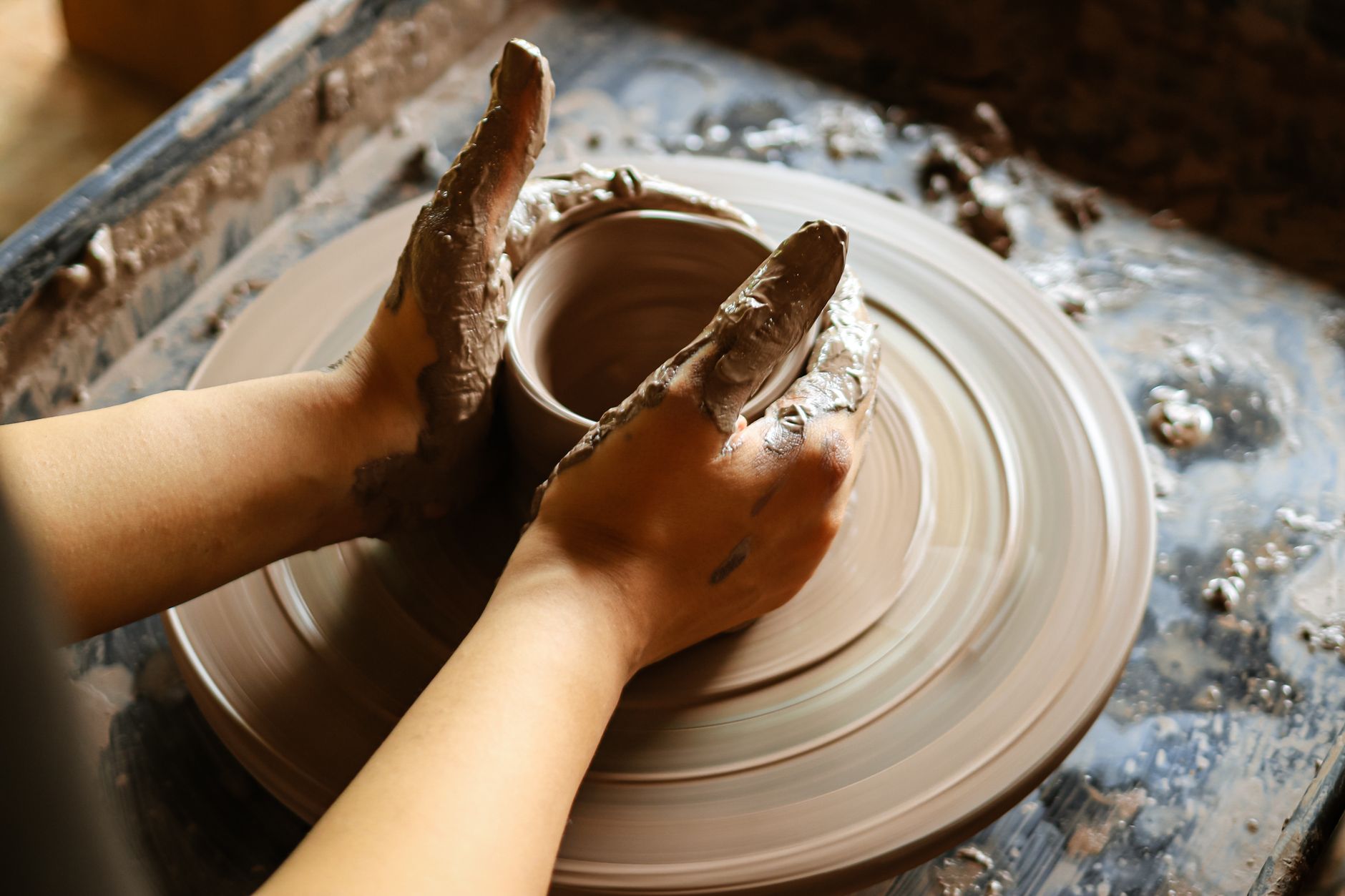
Each craft teaches different hand skills and takes home a different keepsake. Silk painting lets you apply dye and wax to fabric in a few hours; you leave with a small wall hanging or scarf. Lacquerware involves brushing shellac and decorative inlay—slower, meditative, and the finished piece is functional: a small box or coaster. Weaving on a hand loom builds rhythm and patience; bamboo or silk thread becomes a table runner or wall tapestry in one session. Ceramics (hand-building or wheel) is messier and requires more arm strength but gives you a bowl or vessel shaped entirely by you. Choose silk or lacquer if you want a quick, beautiful result; weaving if you like repetitive, calming work; ceramics if you don't mind getting wet clay on your clothes and want something sculptural.
What actually happens during a craft workshop—hour by hour?
You arrive at a family studio or workshop space in the old quarter or a quiet lane; we greet you with tea and show you the workspace. The host demonstrates the first technique—how to hold the brush, mix dyes, or tension the loom—on a sample, then you try it yourself on scrap material while they watch and adjust your grip. Next, you work on your actual piece: silk to paint, wood to lacquer, thread to weave, clay to shape. The host circulates, answers questions, and fixes mistakes without judgment. Around midway, we pause for photos, a snack, or a water break. You keep working, and if time allows, we add finishing touches—a second coat, a border, a signature. The piece air-dries or sets while we clean up, photograph your work, and wrap it carefully for transport. You leave with a completed item, photos, and often a contact card from the host for future orders or commissions.
Who is this right for—families, couples, solo travellers, or groups?
| Visitor type | Why it works | How we adapt |
|---|---|---|
| Solo traveller | Meet locals, take home a keepsake, no pressure | Pair with 1–2 others or run private if you prefer |
| Couple | Shared creative time, something to hang together | Private session, slower pace, storytelling about the craft |
| Family with kids (6+) | Kids make, parents make, everyone proud | Smaller tools, lower tables, simpler designs, 2-hour max |
| Seniors (60+) | Seated, no heavy lifting, meditative | Extra cushions, large-print instructions, 2-hour session |
| Group (6–12) | Team bonding, everyone different output | We run at 2–3 stations, hosts rotate, less pressure per person |
Families with young children (under 6) can attend but may need a second adult; seniors enjoy the sitting-down nature of weaving and painting but should avoid ceramics wheel (standing, spinning). Solo travellers often feel more at ease in a small group of 3–4 than private; couples prefer private for intimacy.
What do I need to bring, wear, and know before arriving?
Wear loose, washable clothes: silk dye can stain, clay splashes, and lacquer dust settles on fabric. Avoid tight sleeves or white linen. Bring a phone or camera if you want photos (we take some, too). No experience needed—the host teaches from zero. Tell us in advance if you have a latex allergy (some lacquerware uses natural rubber) or are left-handed (we set up for you). If you have arthritis or limited grip strength, mention it; we'll choose a craft and adjust tools. Arrive 10 minutes early. Rain doesn't cancel unless it's a countryside visit; city workshops run in a covered space. If the session is private and you cancel within 48 hours, ask us about rebooking terms on WhatsApp.

How does a craft workshop compare to other Hanoi experiences—cooking, coffee, or art?
| Experience | Hands-on time | Takeaway | Physical demand | Who it suits |
|---|---|---|---|---|
| Craft workshop | 2–4 hours | Finished piece (art) | Low–medium (seated mostly) | Visual learners, all ages |
| Vietnamese cooking class | 2–3 hours | Lunch/snacks you cooked | Medium (standing, chopping) | Food lovers, group fun |
| Vietnamese coffee workshop | 1–2 hours | Coffee knowledge, one cup | Low (standing, tasting) | Coffee enthusiasts, quick activity |
| Flower arranging workshop | 1.5–2 hours | Bouquet or arrangement | Low (seated, gentle) | Special occasions, fast learners |
| Art and culture classes | 1–3 hours | Artwork (ink, oil, watercolour) | Low–medium (seated) | Art students, deeper study |
Craft workshops are best if you want a physical skill, a durable keepsake, and flexibility (can fit 2–4 hours into a travel day). If you're interested in Vietnamese tradition, stack a craft workshop with a tea experience or farm visit to deepen your understanding.
What do beginners worry about, and how do we avoid those problems?
"I'll mess it up and waste materials." We use offcuts and samples for practice first. Your piece gets touched up by you, not hidden. Imperfections often look better—hand-made charm, not factory flat.
"I'll be slower than others." Groups run at the slowest person's pace. No rush. Faster guests help peers or add extra detail instead.
"I can't sit for 3 hours." We break halfway, walk around, stretch. Ceramics sessions are shorter. Weaving is repetitive but restful, not boring.
"My hands shake / I'm not coordinated." The host works beside you. Brush strokes are forgiving. Lacquer hides tremors. Weaving is a pattern, not freehand.
"I won't like the piece after." Photos go home even if you gift the piece. The memory, not the object, is the keepsake.
What to check before you book a craft workshop.
- Host communication: Do they reply on WhatsApp within a few hours? Do they answer questions in clear English before you commit?
- Location clarity: Is the studio address (or nearest landmark) shared? Can you see photos of the actual workspace, not just stock images?
- What's included: Does the price cover all materials, tea, and the finished piece, or do you pay extra? Ask for a simple breakdown.
- Group size: Will you be alone, in a small group of 3–4, or mixed with 10 strangers? Confirm before booking.
- Cancellation: If you fall ill, can you reschedule? What's the notice period?
- Physical fit: Is the pace suited to your age, fitness, and patience level? Ask the host directly.
- Finishing: Will the piece be wrapped carefully for travel? Will it survive a suitcase or backpack?
See how a session runs
We host craft workshops daily in Hanoi; the most popular are silk painting (quick, beautiful), weaving (meditative), and lacquerware (heirloom-quality). Small groups are warmer and cheaper; private sessions let you choose the pace and design. If rain comes on the day, city workshops move indoors or we reschedule. If you're visiting multiple cities, we also run craft workshops in Hoi An and Da Lat, where silk and ceramics are especially strong.
Ready to learn and make something with your hands? Ask us for dates and a quote on WhatsApp—we'll match you to the right craft and host.

FAQ
Do I need any art or craft experience to join a workshop?
No. Every session is designed for beginners. The host teaches from the first step—how to hold a brush, thread the loom, or center clay. Experienced crafters are also welcome; we can push the design complexity or add advanced techniques for you.
How long does a typical craft workshop run?
Most sessions are 2–3 hours, including a tea break and cleanup. Lacquerware can extend to 4 hours if you add inlay details. Weaving and silk painting usually finish in 2 hours. We adapt for families with young kids (1.5 hours max) or seniors who need a slower pace.
What can I take home—will it survive my suitcase?
Yes. Silk paintings are rolled in tissue. Lacquerware dries hard and travels well in a box. Woven pieces are folded carefully. Ceramics are hand-carried or shipped if fragile. Ask your host for packing advice based on your craft and luggage situation.
Can I book a private session instead of a group?
Yes. Private workshops are available for couples, families, or solo travellers who prefer one-on-one teaching. The price is higher; ask us for a quote and available dates on WhatsApp.
What if I have a food allergy or physical limitation?
Tell us when you book. Craft workshops are low-allergy (no food contact, mostly). If you have arthritis, back pain, or mobility issues, we adjust seating, tool size, and duration. Lefties get a left-handed setup without extra charge. We've hosted guests in wheelchairs and walking frames—let us know, and we'll prepare.
Can I do a craft workshop if it rains?
City workshops in covered studios run rain or shine. If the session is on a farm or in open countryside, rain may postpone it; we'll reschedule you immediately to another date or offer a refund. Ask us about weather policies when you book.
Ask about dates
Tell us the city, your dates and what you would like to try. We reply on WhatsApp in English with options and availability.
FAQ
Do I need any art or craft experience to join a workshop?
No. Every session is designed for beginners. The host teaches from the first step—how to hold a brush, thread the loom, or center clay. Experienced crafters are also welcome; we can push the design complexity or add advanced techniques for you.
How long does a typical craft workshop run?
Most sessions are 2–3 hours, including a tea break and cleanup. Lacquerware can extend to 4 hours if you add inlay details. Weaving and silk painting usually finish in 2 hours. We adapt for families with young kids (1.5 hours max) or seniors who need a slower pace.
What can I take home—will it survive my suitcase?
Yes. Silk paintings are rolled in tissue. Lacquerware dries hard and travels well in a box. Woven pieces are folded carefully. Ceramics are hand-carried or shipped if fragile. Ask your host for packing advice based on your craft and luggage situation.
Can I book a private session instead of a group?
Yes. Private workshops are available for couples, families, or solo travellers who prefer one-on-one teaching. The price is higher; ask us for a quote and available dates on WhatsApp.
What if I have a food allergy or physical limitation?
Tell us when you book. Craft workshops are low-allergy (no food contact, mostly). If you have arthritis, back pain, or mobility issues, we adjust seating, tool size, and duration. Lefties get a left-handed setup without extra charge. We've hosted guests in wheelchairs and walking frames—let us know, and we'll prepare.
Can I do a craft workshop if it rains?
City workshops in covered studios run rain or shine. If the session is on a farm or in open countryside, rain may postpone it; we'll reschedule you immediately to another date or offer a refund. Ask us about weather policies when you book.
More like this
Craft workshops
Craft Workshop in Saigon: Small Group Classes for Beginners
Cáo Experiences runs small-group craft workshops across Saigon where you learn traditional and contemporary making in intimate studio and community spaces. Sessions suit absolute beginners, families, and skill-builders.
Craft workshops
Craft workshop in Saigon for couples: what to choose
Couples in Saigon have three main craft paths: ceramics in a family studio, natural-dye silk painting, or bamboo weaving. Each teaches differently and suits different moods.
Craft workshops
Craft Workshop in Hoi An: What to Expect Step by Step
A craft workshop in Hoi An with Cáo Experiences is a half or full-day session where you learn a traditional Vietnamese skill—lantern-making, silk painting, woodblock printing, or lacquerware—in a working studio or family workshop. You leave with a finished piece you made yourself.