
Home › Blog › Craft workshops
Craft Workshop in Ho Chi Minh City: What to Expect
By the Cáo Experiences team · 2026-11-06
At Cáo Experiences, a craft workshop in Ho Chi Minh City is a small-group or private session (2–10 people) held in a working artisan studio or shared maker space in the city. Sessions run 2–3 hours and cover one traditional or contemporary craft: lacquer techniques, hand-painted silk, hand-thrown pottery, weaving, or embroidery. We supply all materials and tools; you work alongside an experienced maker who speaks English and adapts pacing for complete beginners, kids (age 6+), and seniors. You'll create one finished piece to take home. No prior skill needed. Ask us for dates and a quote on WhatsApp for exact timing, group size, and craft focus. Rain doesn't cancel; we work indoors. We accommodate dietary needs and physical limitations on request.
What happens hour by hour in a craft workshop?
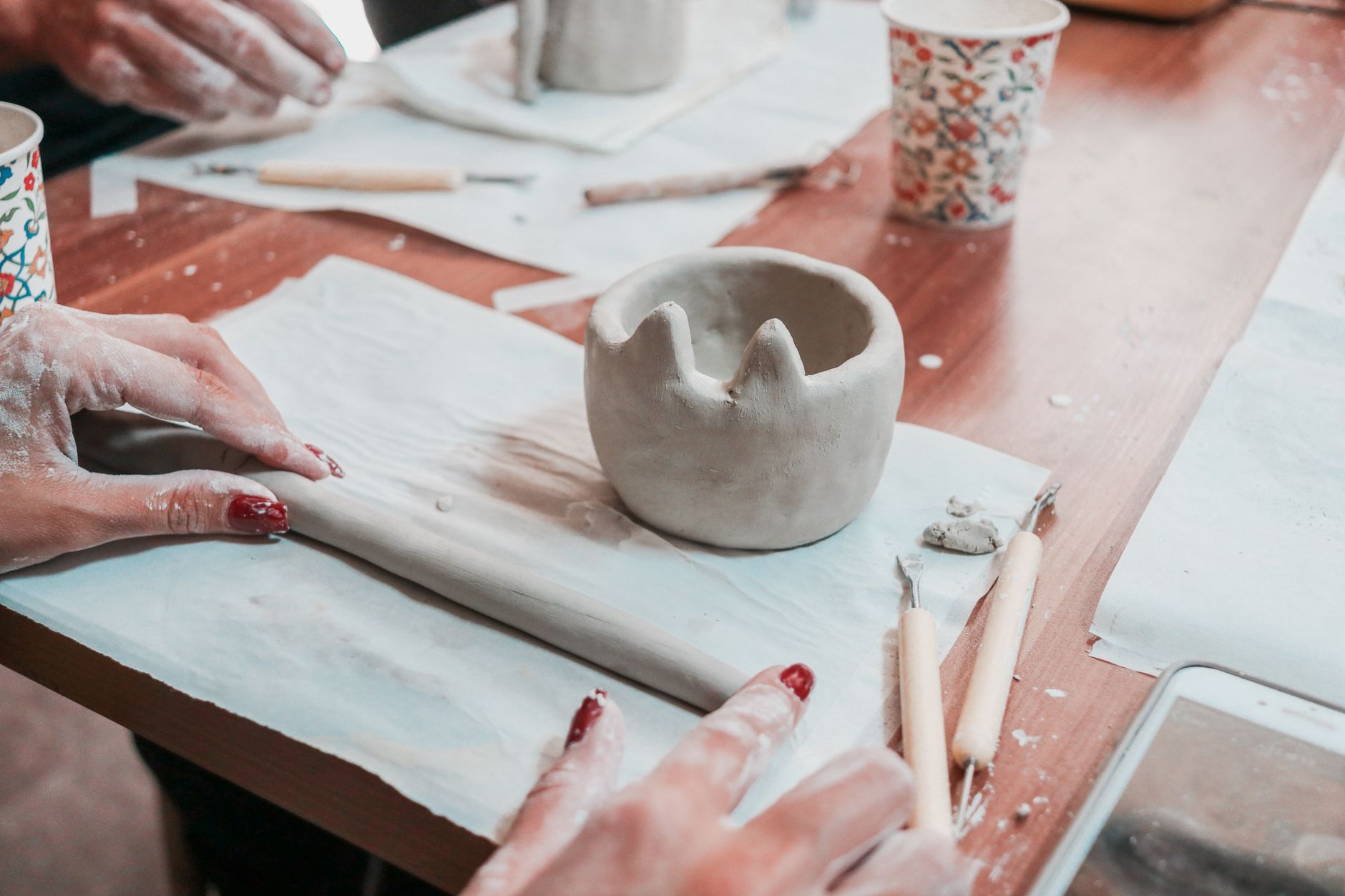
Most sessions open with tea and a 10-minute introduction to the craft's history and the maker's own practice. You'll see finished samples and handle raw materials—clay, silk, wood, metal, or thread—so you understand texture and weight. Then we move to your workspace: you'll stand or sit at a table, bench, or wheel depending on the craft. The first 45 minutes covers technique: how to hold a brush, center clay, stretch fabric, or layer a design. We demonstrate, then you repeat on practice pieces while the maker circulates, correcting hand position and rhythm. By hour two, you're working on your actual project—a small bowl, a scarf panel, a lacquered box, or a woven sampler. The maker intervenes only if you're stuck; most guests prefer to find their own pace and mistakes. In the final 20 minutes, we finish or seal your piece (drying and firing happen after you leave if needed), wrap it, and sit down to recap what you learned. It's unhurried and conversational, not a performance.

Who should sign up for a craft workshop?
Couples and solo travelers seeking a peaceful 2–3 hour break from city noise; families with kids aged 6–14 (younger kids need a parent's hands very close; we adapt projects to size and attention span); groups of friends looking for a shared memory and a tangible souvenir; seniors who enjoy sitting work and learning new hand skills (arthritis or mobility? we adjust seating and tool grip); creatives exploring a craft before committing to a longer course. One person per workshop said afterward: I've never thrown a pot before, and I was nervous my hands wouldn't work. But within 30 minutes I stopped thinking and just felt the clay. That's what I came for. Skeptics sometimes arrive to humor a traveling companion and leave with genuine surprise at what they made.
What should you wear and bring?
Wear closed-toe shoes (clay dust and metal shavings) and clothes you don't mind staining—aprons are supplied, but sleeves and pants can pick up pigment or wax. Bring a small phone or camera if you want to photograph your work before wrapping; most makers allow this. Water bottle is optional but wise in Saigon's heat; we'll offer tea and sometimes water. Don't bring jewelry that snags thread or clay (remove rings, bracelets). Glasses are fine; we'll tuck them safely when hands are wet. Arrive 10 minutes early so we can adjust seating, show you where the toilet is, and start on time. A notebook is rarely needed—learning here is muscle memory, not notes.
How do we adapt for rain, allergies, or dietary needs?
Our workshop spaces are fully indoors and climate-controlled; rain changes nothing. Allergies: tell us before the session starts. We use water-based dyes and food-safe glazes in most workshops, but if you have a sensitivity to dust (clay), metal, or natural fibers, let us know on WhatsApp when you book so we can select a craft that suits you—perhaps hand-painting silk rather than wheel-throwing. We keep antihistamines and inhalers on hand. Food: we offer hot or cold tea and sometimes a small snack; if you have a nut allergy or vegetarian requirement, mention it when you ask for dates and we'll prepare accordingly. Physical limits: arthritis or mobility issues? We can adjust table height, provide a cushioned seat, use lighter tools, or shift you to a craft that doesn't need sustained grip strength (painting over pottery, for instance). Pregnancy: sitting work is fine; we'll offer a footrest and a break if you need one. Age: kids under 6 usually can't focus for 2+ hours; 6–8 is borderline (bring a quiet toy for downtime); 9+ thrives. Teens and adults have no upper limit; we've hosted guests in their 80s who moved slowly but with deep attention.

What real projects might you make?
The craft depends on your chosen workshop—ask us which makers are available on your dates. Typical first-time pieces include:
| Craft | What you make | Time to finish | Why guests choose it |
|---|---|---|---|
| Hand-painted silk | A head scarf or wall hanging, 30×30 cm | 2–2.5 hours | Meditative brushwork; immediate color feedback. |
| Lacquer | A small box or coaster set, 10 cm | 2.5–3 hours | Sees Vietnam's signature technique; very tactile. |
| Ceramics (wheel) | A small bowl or cup | 2–3 hours | The thrill of centering clay; finished feel. |
| Hand weaving | A cotton napkin or bookmark | 1.5–2 hours | Rhythmic, portable, wearable result. |
| Embroidery | A framed textile panel, 20×20 cm | 2–3 hours | Slow, meditative; intricate final look from simple stitches. |
All pieces are yours to keep. Some dry or cure at the studio after you leave (clay needs 3–5 days, lacquer needs 24 hours); we'll ship them or hold them for pickup—ask when you book.
How do skill levels really differ in the same workshop?
A beginner often arrives worried: What if I'm no good at art? Within 5 minutes they realize this isn't about talent—it's about attention and repetition. A painter in one lacquer session created an uneven, gestural box that looked more striking than the maker's own symmetrical demo piece. Someone with prior pottery experience might throw a taller, thinner form; a first-timer makes a sturdier, wider bowl. We don't grade; we adjust. If you finish your main project early, we offer a second piece or a variation. If you're stuck, we slow down and redo a technique section with just you. Teenagers sometimes arrive skeptical of "craft" and leave fascinated by the maker's workflow and philosophy. Solo older travelers often say the real value was 2 hours of silence and hand work—a reset from screens.
What to check before you book a craft workshop
- Confirm the craft type. Not all makers are available every day. Lacquer might require Thursday morning; ceramics might be Tuesday afternoon. We'll suggest options based on your dates when you ask on WhatsApp.
- Check group size and privacy preference. A small-group workshop (4–6 people) costs less than a private session and mixes you with other travelers—often a bonus for solo guests. Private is quieter and lets us go slower. Ask which feels right.
- Mention mobility, allergies, or dietary needs. We adapt, but we need to know upfront so the maker can prep space, tools, or materials.
- Arrange transport. The studio is in an inner-city residential area or lane; a taxi or Grab is easiest. Bring your phone to show the driver the address we'll send after you confirm.
- Ask about take-home logistics. Some pieces need time to set. We can ship or hold them if you're leaving soon.
Ho Chi Minh City's craft community is alive—makers work in shared studios, family workshops, and artist collectives across districts 1, 3, and 10. A craft workshop here isn't a tourist performance; it's a real workspace where you enter a maker's routine, make something by hand, and leave with a tangible object and a small taste of how the person across the table thinks. You'll also walk back through neighborhoods you might not have explored, spotting other studios, cafés, and the textures of Saigon's creative side.
Interested in other hands-on experiences while you're in the city? We also run Vietnamese cooking classes, flower arranging workshops, and art and culture sessions that work beautifully as part of a longer stay.
FAQ
Do I need any art experience to join?
No. All our craft workshops assume zero prior skill. The maker teaches technique from the ground up. Most guests have never done this craft before, and that's expected and normal.
Can children join a craft workshop?
Yes, ages 6+. Younger kids (6–8) need close parent support and may create a simpler version. Ages 9+ usually work independently with maker feedback. Teens and adults have no limit.
Will the workshop run if it rains?
Yes. All workshops are indoors. Weather doesn't affect scheduling or what you'll make.
How much does a craft workshop cost?
Ask us for dates and a quote on WhatsApp. Pricing depends on group size (small-group vs. private), craft type, and materials. We'll send a clear quote before you confirm.
Can I book a private workshop just for my group?
Yes. We run private sessions for couples, families, and groups of friends. A private workshop gives you the maker's full attention and flexibility on pacing. WhatsApp us with your group size and preferred dates.
Ask about dates
Tell us the city, your dates and what you would like to try. We reply on WhatsApp in English with options and availability.
FAQ
Do I need any art experience to join?
No. All our craft workshops assume zero prior skill. The maker teaches technique from the ground up. Most guests have never done this craft before, and that's expected and normal.
Can children join a craft workshop?
Yes, ages 6+. Younger kids (6–8) need close parent support and may create a simpler version. Ages 9+ usually work independently with maker feedback. Teens and adults have no limit.
Will the workshop run if it rains?
Yes. All workshops are indoors. Weather doesn't affect scheduling or what you'll make.
How much does a craft workshop cost?
Ask us for dates and a quote on WhatsApp. Pricing depends on group size (small-group vs. private), craft type, and materials. We'll send a clear quote before you confirm.
Can I book a private workshop just for my group?
Yes. We run private sessions for couples, families, and groups of friends. A private workshop gives you the maker's full attention and flexibility on pacing. WhatsApp us with your group size and preferred dates.
More like this
Craft workshops
Craft Workshop in Saigon: Small Group Classes for Beginners
Cáo Experiences runs small-group craft workshops across Saigon where you learn traditional and contemporary making in intimate studio and community spaces. Sessions suit absolute beginners, families, and skill-builders.
Craft workshops
Craft workshop in Saigon for couples: what to choose
Couples in Saigon have three main craft paths: ceramics in a family studio, natural-dye silk painting, or bamboo weaving. Each teaches differently and suits different moods.
Craft workshops
Craft Workshop in Hoi An: What to Expect Step by Step
A craft workshop in Hoi An with Cáo Experiences is a half or full-day session where you learn a traditional Vietnamese skill—lantern-making, silk painting, woodblock printing, or lacquerware—in a working studio or family workshop. You leave with a finished piece you made yourself.