
Home › Blog › Craft workshops
Craft workshop in Hoi An for foreigners: what to expect
By the Cáo Experiences team · 2026-11-06
A craft workshop in Hoi An with Cáo Experiences is a 2–3 hour hands-on class where you learn one traditional Vietnamese artisan skill—silk lantern making, wood carving, embroidery, lacquerware, or ceramics—in a working artisan studio or family workshop. We host small groups (usually 2–6 people) or private sessions, with all instruction in English and materials included. You leave with a finished or half-finished piece. Sessions run mornings or afternoons, year-round, adapting for weather and dietary needs. Beginners are the norm; no prior experience required. Ask us for dates and a quote on WhatsApp—pricing depends on craft type, group size, and whether you need private transport. We pair sessions with walking tours of the old town or a riverside lunch if you want a full day.
What craft can you actually learn in Hoi An?
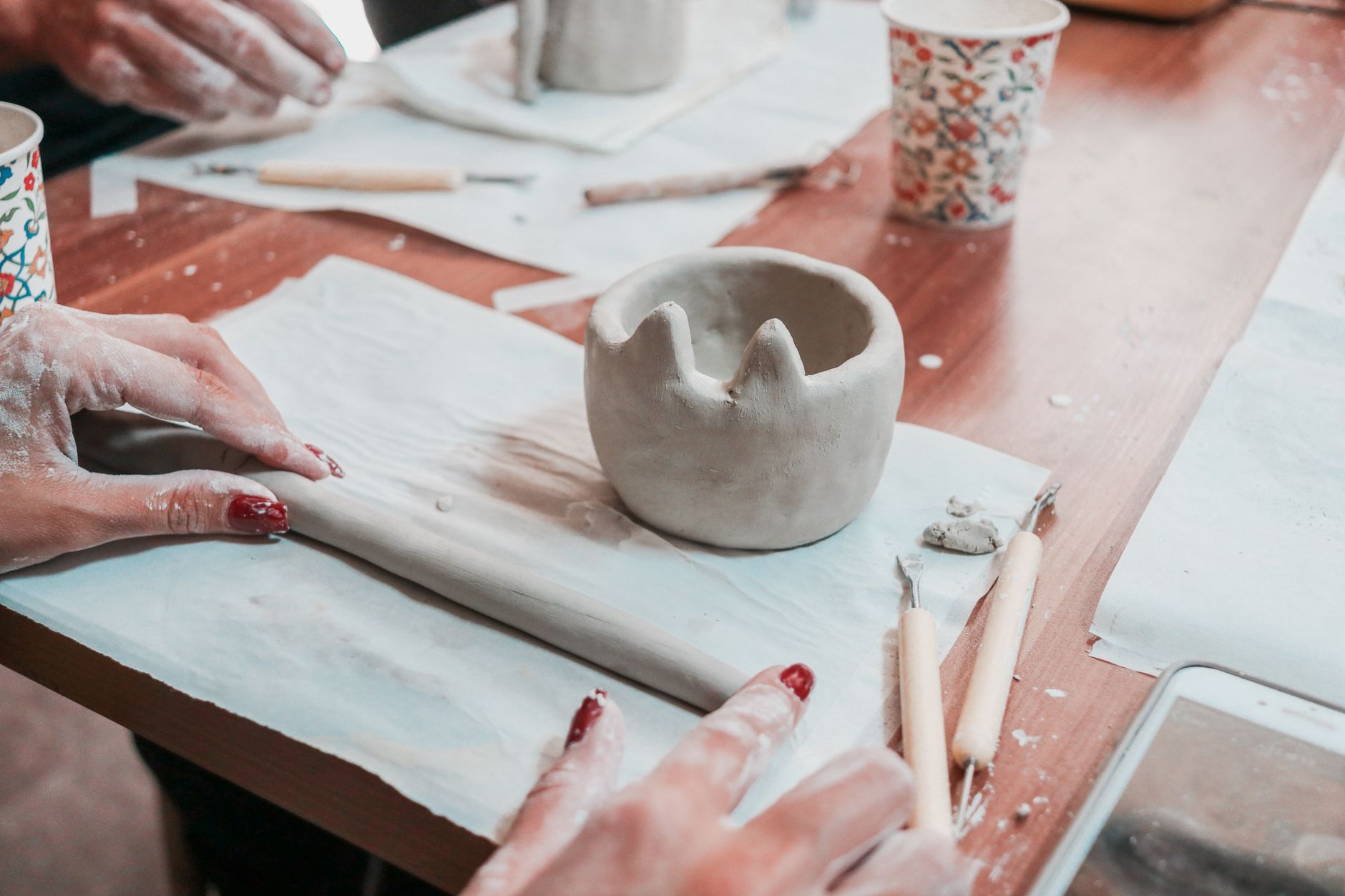
Hoi An's artisan ecosystem is real but narrow. The most accessible workshops teach silk lantern assembly (a tourist staple, but genuinely tactile), hand-embroidery on silk or cotton, woodblock printing, ceramic hand-throwing, and basic lacquer techniques. We also arrange sessions in family workshops doing traditional wood carving, indigo dyeing, or weaving. What isn't common: bronze casting, high-fire pottery, or bespoke tailoring classes (tailors guard their methods). Embroidery and lantern-making suit absolute beginners; ceramics require steadier hands; wood carving is hardest but most rewarding. Choose based on what you want to take home: a lantern or pillow cover you made versus a dish you actually use.
Is a craft workshop worth the time versus buying from a shop?
Yes, if you want to understand how it's made and own the story. Buying a hand-embroidered silk piece at a tourist shop in Hoi An Ancient Town takes 10 minutes; making one yourself takes 2–3 hours and teaches you why it costs what it does. You also meet the person who typically teaches you (the artisan or their family member), see their workspace, and often learn about regional variations or material sourcing. The finished piece is messier, less perfect, and priceless to you. The downside: if you want museum-quality work, buy from a master's stall instead. Choose a workshop if the experience and imperfection matter more than polish.
How do we adapt a craft class for different ages and abilities?
Kids (6–10) do well with lantern assembly, woodblock printing, or pre-sketched embroidery—tasks with clear steps and fast results. Teenagers and adults can tackle ceramics or carving if they're patient; impatient learners prefer lantern-making or indigo-dyeing (immediate, visible, forgiving). Seniors with arthritis or limited hand strength work best with embroidery (seated, no pressure) or woodblock printing (no grip needed). We always demonstrate first, work beside you, and adjust materials—thinner thread, smaller tools, shorter sessions. Rain doesn't stop us; most workshops have covered areas. Allergies to dyes or natural materials (shellac, lacquer fumes) we know about in advance via WhatsApp and either substitute or choose a different craft workshop style. Expect 45 minutes of instruction, 60–90 minutes of hands-on work, then tea and photos.
Which craft should you book if you're not sure what appeals?
Use this framework: Lantern-making if you want something decorative, fast, and foolproof. Embroidery if you like precision, quiet, and textiles; it's meditative. Ceramics if you want to get messy, feel the material, and make something functional. Woodblock printing if you're artistic but not experienced—design repeats, ink, print, done in under 2 hours. Wood carving if you love detail work and don't mind a learning curve.
Most first-timers choose lanterns or embroidery. Mixed-skill groups (one person crafty, one not) often do lanterns or printing together because there's less judgment. Couples sometimes prefer ceramics because it's collaborative—one throws, the other steadies. Families with kids lean lantern or printing. Ask yourself: do I want to sit still for 3 hours (embroidery, carving) or move around and make noise (ceramics, printing)?
| Craft | Best for | Messiness | Time | Final product |
|---|---|---|---|---|
| Silk lantern | Beginners, quick result | None | 2 hours | Decorative lantern, ready to hang |
| Hand embroidery | Patient, detail-focused | Minimal | 2.5–3 hours | Pillow cover or framed piece |
| Ceramics | Getting-messy learners | High (clay, water) | 2.5 hours | Unglazed bowl or dish |
| Woodblock printing | Artistic, no carving skills | Low–medium (ink) | 1.5–2 hours | Printed cards or fabric |
| Wood carving | Detail lovers, experienced hands | Low | 2–3 hours | Small carved object or relief |

What do you actually need to bring and avoid?
Bring: an open mind, closed-toe shoes (some workshops have wet floors), and a phone to take photos of your work and the artisan's process. Avoid: perfume or heavy colognes (they irritate other makers and mask natural material smells); long, loose sleeves (they catch dye, water, or tools); and unrealistic expectations about perfection (your first lantern will be wobbly; that's the point). Avoid booking if you have a flight within 6 hours—clay under fingernails and ink stains take time to come off. If you're sensitive to dust (woodcarving) or fumes (lacquer, indigo vats), mention it when you contact us. Most workshops are in 100–200-year-old buildings with open sides or high ceilings, so ventilation is decent but not climate-controlled. Wear layers.
How does a session differ from a cooking class or other experiences?
Craft workshops focus on stillness, repetition, and making an object. Vietnamese cooking classes are active, multi-sensory, and end with a meal you eat right away. Flower arranging is faster (45–60 minutes) and produces a vase you take home in one hit. Coffee workshops teach ritual and tasting, not making something tangible. Art and culture classes cover history and technique without necessarily making a finished product. If you want a single, tangible keepsake you made with your hands, choose a craft workshop. If you want to feed people or learn a skill you'll use at home, cook or arrange flowers. If you're bundling a full day in Hoi An, we often link a craft morning with a street food and market tour or farm and countryside experiences afternoon—ask us to combine them.
What to check before you book
- Allergy or sensitivity to materials? Tell us in advance (dyes, natural finishes, dust). We'll swap crafts or source alternatives.
- Physical limitations? Arthritis, back pain, or joint issues—we adjust seating, tool size, and duration. Mention it when asking for dates.
- Group composition. Solo traveler, couple, family with kids, or team? Different crafts suit different group dynamics.
- Rainy-day backup. Some workshops (lantern, embroidery, printing) run indoors unchanged; ceramics and carving shift to covered pavilions. Either way, we adapt.
- Transport. We can arrange pickup from your hotel, or you meet us at the workshop entrance. Ask when you contact us.

FAQ
Do I need any craft experience to join?
No. Most guests are beginners. We teach you the whole skill from scratch. Experienced embroiderers or potters sometimes join to learn a Vietnamese-specific technique; we adapt by giving them a harder challenge.
What if it rains during the workshop?
Most craft workshops in Hoi An have roofs or covered areas. Lantern-making, embroidery, printing, and ceramics all run unchanged. Wood carving might shift to a pavilion, but the work continues. We'll tell you the exact venue when you confirm the date.
Can kids under 8 do a craft workshop?
Yes, but we recommend kids 6 and up. Under 6, attention span and fine-motor skills make it tough. We offer family-friendly experiences that mix crafts with other activities if you have very young children; ask us about options.
How much does the finished piece cost, and can I take it home?
The piece is yours to take—there's no separate fee. If it's unfinished (wet clay, drying lacquer), you leave your contact info and we ship it to your home address or hold it for you locally. Most pieces are travel-sized (lantern, pillow cover, printed cards, small dish) and fit in a carry-on or checked bag.
Can you customize a workshop for a team-building day or special occasion?
Yes. Group and corporate experiences can be tailored—mixed crafts, a guides-led walk, a meal in a local family kitchen, and team-bonding games. Let us know group size, dates, and interests via WhatsApp, and we'll design something.
What's the best time of year to do a craft workshop in Hoi An?
October to April (cool, dry). May to September is hot and humid; workshops are still available but expect slower work in the heat. Rainy season (September–October) doesn't stop us, but water-based crafts (indigo dyeing, ceramics) are tidier in dry months.
Ask about dates
Tell us the city, your dates and what you would like to try. We reply on WhatsApp in English with options and availability.
FAQ
Do I need any craft experience to join?
No. Most guests are beginners. We teach you the whole skill from scratch. Experienced embroiderers or potters sometimes join to learn a Vietnamese-specific technique; we adapt by giving them a harder challenge.
What if it rains during the workshop?
Most craft workshops in Hoi An have roofs or covered areas. Lantern-making, embroidery, printing, and ceramics all run unchanged. Wood carving might shift to a pavilion, but the work continues. We'll tell you the exact venue when you confirm the date.
Can kids under 8 do a craft workshop?
Yes, but we recommend kids 6 and up. Under 6, attention span and fine-motor skills make it tough. We offer [family-friendly experiences](/family-experiences) that mix crafts with other activities if you have very young children; ask us about options.
How much does the finished piece cost, and can I take it home?
The piece is yours to take—there's no separate fee. If it's unfinished (wet clay, drying lacquer), you leave your contact info and we ship it to your home address or hold it for you locally. Most pieces are travel-sized (lantern, pillow cover, printed cards, small dish) and fit in a carry-on or checked bag.
Can you customize a workshop for a team-building day or special occasion?
Yes. [Group and corporate experiences](/group-and-corporate) can be tailored—mixed crafts, a guides-led walk, a meal in a local family kitchen, and team-bonding games. Let us know group size, dates, and interests via WhatsApp, and we'll design something.
What's the best time of year to do a craft workshop in Hoi An?
October to April (cool, dry). May to September is hot and humid; workshops are still available but expect slower work in the heat. Rainy season (September–October) doesn't stop us, but water-based crafts (indigo dyeing, ceramics) are tidier in dry months.
More like this
Craft workshops
Craft Workshop in Saigon: Small Group Classes for Beginners
Cáo Experiences runs small-group craft workshops across Saigon where you learn traditional and contemporary making in intimate studio and community spaces. Sessions suit absolute beginners, families, and skill-builders.
Craft workshops
Craft workshop in Saigon for couples: what to choose
Couples in Saigon have three main craft paths: ceramics in a family studio, natural-dye silk painting, or bamboo weaving. Each teaches differently and suits different moods.
Craft workshops
Craft Workshop in Hoi An: What to Expect Step by Step
A craft workshop in Hoi An with Cáo Experiences is a half or full-day session where you learn a traditional Vietnamese skill—lantern-making, silk painting, woodblock printing, or lacquerware—in a working studio or family workshop. You leave with a finished piece you made yourself.