
Home › Blog › Craft workshops
Craft Workshop in Ninh Binh for Foreigners: What to Expect
By the Cáo Experiences team · 2026-11-06
Cáo Experiences runs half-day and full-day craft workshops in Ninh Binh for international visitors of all skill levels. Sessions take place in family workshops or studio spaces in the countryside surrounding the province's main towns, hosted in English with hands-on instruction from artisans or trained guides. You'll learn one traditional Vietnamese craft — often textile weaving, pottery hand-building, or brush painting — work at your own pace, and leave with finished pieces. No prior experience is needed; we adapt for complete beginners, kids, and seniors. Sessions run year-round; ask us for dates and a quote on WhatsApp. What beginners worry about most: "Will I mess it up?" The honest answer is yes, sometimes — but that's the point. You're learning, not performing. We've never seen a visitor leave unhappy with their work, even the wonky bowls. Ask about dates on WhatsApp
What craft skills can you actually learn in half a day?
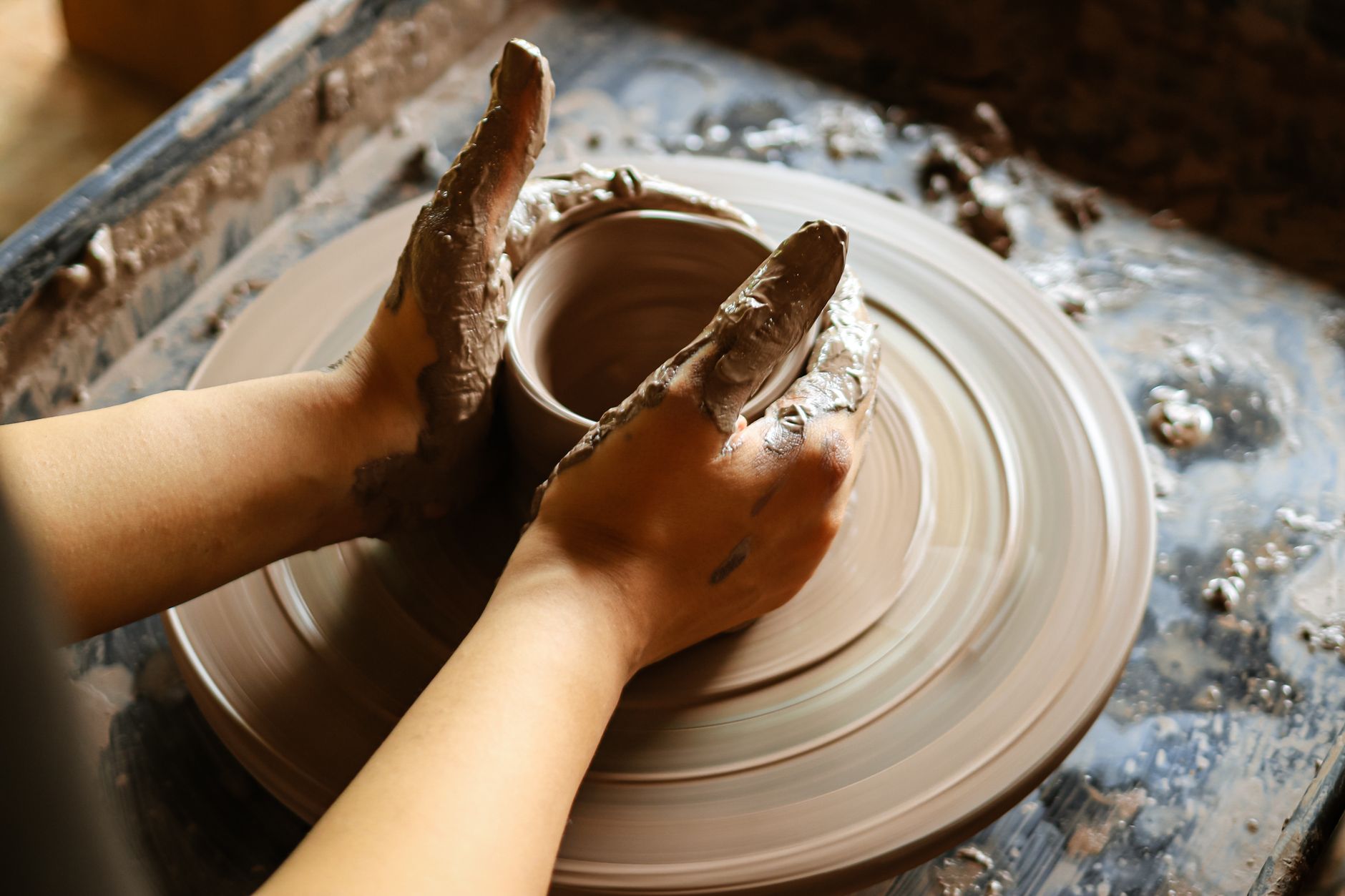
The most realistic half-day sessions teach one focused technique. Textile weaving on a simple floor loom: you'll learn the threading, basic pattern, and complete a small scarab or wall hanging over 3–4 hours. Hand-building ceramic vessels: you'll throw or hand-coil a bowl or cup, decorate it, leave it to dry for firing (collected later or shipped). Lacquer painting on wooden panels: you'll apply traditional motifs using natural pigments and brushes. Silk painting on fabric: design, stretch, wax-resist, dye, iron. Each has a learning curve, but the instructor breaks it into steps you repeat until muscle memory clicks. The pieces are raw but unmistakably yours.

Why Ninh Binh over Hanoi for craft learning?
Hanoi hosts craft workshops in tourist zones and schools, convenient but often crowded and rushed. Ninh Binh's workshops sit in or near family homes and working studios in quieter countryside — you'll see real artisans at their own looms or wheels, not performers. The pace is slower. A weaver in a rural hamlet works by natural light on the same loom her grandmother used; there's genuine conversation, tea breaks, and time to absorb technique without noise. You're learning in context, not a classroom facsimile. Travel is 2–3 hours from Hanoi by minivan, which we arrange.
How do we adapt for kids, seniors, and allergies?
Kids (6–12): Shorter sessions (2–3 hours) work best — shorter attention span, faster hand fatigue. Weaving and painting are ideal; throwing clay is harder. We pair kids with one guide, keep instructions simple, and celebrate messy results. Parents usually join or sit nearby. Seniors: We arrange cushions, stepstools, good lighting, and frequent breaks. Repetitive hand movements (weaving, painting) suit arthritis better than heavy clay work. Pacing is leisurely; no rush. Allergies (dust, dyes, latex): Tell us in WhatsApp before booking. We source natural dyes when possible, provide masks and ventilation for dusty work, and source latex-free clay tools. One guest with a shellfish allergy? Not relevant to crafts, but we note all health info to arrange safe seating and rest breaks.
What's the real difference between group and private sessions?
Group sessions (4–8 people): You'll work alongside other visitors — travelers, expats, couples. Shared setup, equal instruction, lower cost basis. Energy is higher; you'll chat and compare work. Instructors manage pacing for mixed abilities. Private sessions (1–4 people, often families or couples): Fully tailored timing, technique focus, and social comfort. Instructors slow down for you, repeat steps, adjust difficulty on the fly. Takes longer but feels less pressured. Ask us for dates and a quote on WhatsApp to compare both formats — private costs more, group is more social and economical.
What to wear, bring, and expect weather-wise
Wear loose, washable clothes — loom threads catch buttons; dyes stain. Closed shoes (dusty studios). A scarf or hair tie if you have long hair. Bring water (we provide tea). Leave jewelry and watches at your hotel if hands-on work — they get in the way. Rainy days: Ninh Binh's monsoon (May–September) brings humidity and occasional downpours. Indoor studio work (painting, weaving, small pottery) continues uninterrupted. If the session involves visiting local artisan homes or markets to source materials, we reschedule the outdoor portion or shorten it. You'll still make something complete. Sun/heat: December–February is ideal — cool, dry, 15–20°C mornings. March–April gets hot; sessions start early (7 a.m.) to work in cooler hours. You won't overheat indoors, but hydration matters.

How to decide: group, private, or a multi-day craft trail?
| Format | Who it suits | Typical length | Why choose it |
|---|---|---|---|
| Group session | Solo travelers, couples, friends | 4 hours | Social, economical, set dates. |
| Private session | Families, corporate teams, skill-focused learners | 3–6 hours | Tailored pace, flexible timing, intimate. |
| Multi-day craft trail | Serious learners, expats, artists | 2–3 days | Learn 2–3 crafts, visit multiple artisans, slow immersion. |
Honest overlap: A group morning session costs less but has fewer repeat dates and fixed timing. Private sessions wait for your schedule but cost more. Multi-day trails offer the deepest learning but suit travelers staying 5+ days in Ninh Binh. We also blend: private first day (learn basics), group second day (different craft, meet people). Ask us for dates and a quote on WhatsApp.
What to check before you book
- Confirm the craft: Tell us which technique interests you — weaving, pottery, painting, silk, lacquer, wood carving, or rattan. Not all run every week; some need 1–2 weeks' notice.
- Verify your fitness: Be honest about mobility (stairs? standing 4 hours?). We'll suggest the right setup.
- Dietary notes: No craft-food overlap, but we often offer lunch or coffee. Flag allergies early.
- Photography: Ask if you can film or photograph work. Some artisans prefer not; we'll confirm.
- Shipping pieces home: Finished pottery or textiles can be bulky. Painted items are lightweight. We can ship if you prefer not to hand-carry — ask about options.
- Weather tolerance: Expect humidity, dust, or cold depending on season. Dress accordingly.
- Language: All instruction is in English; local artisans may speak some English or work through translation. Comfortable silences are normal.
Other experiences to combine with a Ninh Binh craft workshop
A craft session works beautifully paired with farm and countryside experiences — visit a rice-farming family in the morning, learn cooking from them at lunch, then do an afternoon pottery session with a nearby artisan. Or add a Vietnamese coffee workshop in a rural café overlooking limestone karsts before or after your craft day. Many visitors combine crafts with flower arranging to learn a second skill, or book back-to-back days to go deeper into one craft.
Ninh Binh's countryside also suits horse riding and tea experiences if you're staying longer. Cáo Experiences coordinates the full itinerary — one WhatsApp conversation books it all.
The honest summary
Craft workshops in Ninh Binh work because the setting is calm, the artisans are real, and there's no pretense. You won't become a master weaver in 4 hours. Your ceramic bowl will wobble. Your brush strokes won't match the instructor's. That's entirely the point. You'll understand how Vietnamese artisans think, how their hands learned what their eyes see, and why a handmade piece costs what it does. You'll leave with something you made, not bought. That shifts how you see craft forever.
See how a session runs
FAQ
Do I need to have artistic talent to enjoy a craft workshop?
No. We've taught accountants, engineers, and non-artists who'd never painted before. Craft skill is 90% repetition, 10% vision. Beginners often do better because they don't overthink — they just follow steps and surprise themselves.
Can I take my finished piece on the plane home?
Small items like painted scarves or wooden panels travel easily. Ceramics are fragile unless you pack carefully or ship them. We can advise on packing or arrange shipping — ask us for costs and timeline.
What if I hate the craft halfway through?
Tell the instructor. We'll pivot to a different technique or shorten the session. No one's forced to finish something unsatisfying. Honesty keeps sessions real.
Do sessions run in rainy season (May–September)?
Yes, but outdoor portions (market visits, artisan home tours) may reschedule. Indoor work — weaving, painting, pottery — continues. Weather rarely cancels a session, just modifies it.
How many people are in a typical group?
4–8 for standard groups; we cap at 8 so everyone gets attention. Private sessions are 1–4 people. Small groups feel intimate, not rushed.
Can I request a specific craft or artisan?
Yes. Tell us your interest in WhatsApp — weaving, ceramic, specific regional style, etc. Some artisans work by appointment only, so a 1–2 week lead time helps us arrange it perfectly.
Ask about dates
Tell us the city, your dates and what you would like to try. We reply on WhatsApp in English with options and availability.
FAQ
Do I need to have artistic talent to enjoy a craft workshop?
No. We've taught accountants, engineers, and non-artists who'd never painted before. Craft skill is 90% repetition, 10% vision. Beginners often do better because they don't overthink — they just follow steps and surprise themselves.
Can I take my finished piece on the plane home?
Small items like painted scarves or wooden panels travel easily. Ceramics are fragile unless you pack carefully or ship them. We can advise on packing or arrange shipping — ask us for costs and timeline.
What if I hate the craft halfway through?
Tell the instructor. We'll pivot to a different technique or shorten the session. No one's forced to finish something unsatisfying. Honesty keeps sessions real.
Do sessions run in rainy season (May–September)?
Yes, but outdoor portions (market visits, artisan home tours) may reschedule. Indoor work — weaving, painting, pottery — continues. Weather rarely cancels a session, just modifies it.
How many people are in a typical group?
4–8 for standard groups; we cap at 8 so everyone gets attention. Private sessions are 1–4 people. Small groups feel intimate, not rushed.
Can I request a specific craft or artisan?
Yes. Tell us your interest in WhatsApp — weaving, ceramic, specific regional style, etc. Some artisans work by appointment only, so a 1–2 week lead time helps us arrange it perfectly.
More like this
Craft workshops
Craft Workshop in Saigon: Small Group Classes for Beginners
Cáo Experiences runs small-group craft workshops across Saigon where you learn traditional and contemporary making in intimate studio and community spaces. Sessions suit absolute beginners, families, and skill-builders.
Craft workshops
Craft workshop in Saigon for couples: what to choose
Couples in Saigon have three main craft paths: ceramics in a family studio, natural-dye silk painting, or bamboo weaving. Each teaches differently and suits different moods.
Craft workshops
Craft Workshop in Hoi An: What to Expect Step by Step
A craft workshop in Hoi An with Cáo Experiences is a half or full-day session where you learn a traditional Vietnamese skill—lantern-making, silk painting, woodblock printing, or lacquerware—in a working studio or family workshop. You leave with a finished piece you made yourself.