
Home › Blog › Craft workshops
Craft Workshop in Phu Quoc for Foreigners: What to Expect
By the Cáo Experiences team · 2026-11-06
At Cáo Experiences, our craft workshops in Phu Quoc run in small groups or private sessions, typically 2–4 hours, inside family workshops or studios in quieter neighborhoods away from the beach strip. You'll learn one skill—hand-painting lacquer bowls, natural-dye weaving on a simple loom, or hand-forming clay—from someone who does that work daily. Sessions include materials, tools, and a finished piece you take home. No experience needed; we adapt for complete beginners, kids (age 6+), and seniors. Rainy days shift indoors or to covered workshop spaces. Ask us for dates and a quote on WhatsApp—pricing varies by craft type, group size, and duration. Most foreigners book either as a couple, family, or small group of friends; solo travelers often join scheduled sessions. Avoid assuming the workshop will feel touristy or rushed: we choose studios where the craft actually happens, not performance spaces. Ask about dates on WhatsApp
Which craft feels right for your skill level?
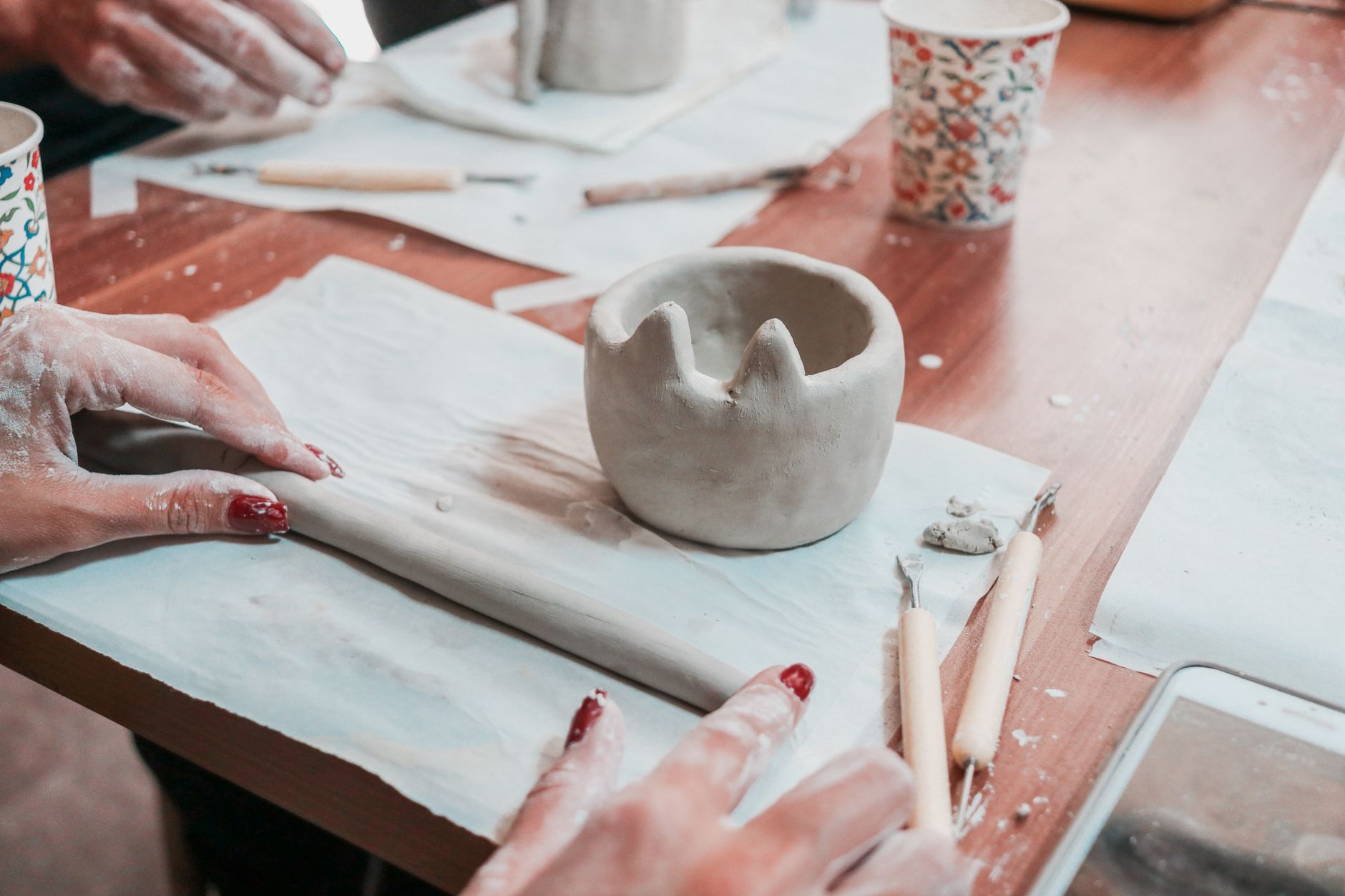
Phu Quoc's best workshops suit absolute beginners. Lacquer painting involves brushing or sponging color onto wooden shapes—a bowl, tray, or box—that the artisan has already prepped; you can't ruin it, and even shaky first strokes look natural against wood grain. Weaving on a simple backstrap or frame loom teaches rhythm and hand control; mistakes are almost impossible. Hand-building clay (pinch pots, coil bowls) forgives unevenness and cracks become part of the character. None of these require a pottery wheel, years of practice, or perfect technique. Seniors and kids thrive because the barrier is confidence, not strength or dexterity. If you've done art before, ask us to suggest a higher-challenge session—some workshops let you design your own lacquer pattern or work with natural indigo dyes that need careful temperature control.

How does a 3-hour lacquer-painting session actually run?
You arrive at a small wooden studio in a lane away from main roads—open-sided or screened, smelling of linseed oil and sawdust. The artisan (or their family member who speaks English) greets you with tea and shows you finished pieces so you understand what's possible. You'll work at a low wooden table on pre-turned wooden blanks: a small bowl, a square box, maybe a spoon. They demonstrate one technique—dry-brush for texture, sponging for pattern, smooth single strokes for clean lines—then step back. You paint for 1.5 hours, trying different colors, asking questions, making deliberate choices about what you like. The artisan watches but doesn't hover; they'll help you thin paint that's too thick or suggest a color mix. Around the 2-hour mark, you pause, rinse your brush, and watch them apply a protective coat to seal your work. The piece stays in the studio to dry fully; we arrange delivery to your hotel, or you can collect it on your last morning in Phu Quoc. Total cost varies—ask us for a quote.
What's the difference between group and private sessions?
| Workshop Type | Best For | Duration | Vibe | Booking Tip |
|---|---|---|---|---|
| Scheduled group | Solo travelers, budget-conscious couples | 2.5–3 hours | 4–8 people, shared energy, you meet other visitors | Book 3–5 days ahead; smaller groups run more often |
| Private family | Kids, couples wanting privacy, groups with different paces | 2.5–4 hours | Just you + host; can take breaks, ask more questions, choose multiple crafts | Reserve 1 week ahead for school holidays |
| Semi-private pair | Two couples or friends wanting some structure | 3 hours | Your pair + host, intimate without pressure to perform | Ideal for groups of exactly 4 who know each other |
Group sessions cost less per person because materials and the host's time spread across participants. Private sessions let you linger, try two techniques, or bring a young child who moves at their own speed. Ask about rainy-day timing: groups may shift by an hour; private sessions shift to a covered workshop space same day.
What should you bring, and what happens if it rains?
Wear clothes you don't mind staining (lacquer paint, clay dust, natural dyes wash out but don't live on your fabric). Bring sunscreen if the workshop is outdoor-covered; bring a small notebook if you want to sketch color ideas before you paint. Don't bring phones to the table—but you can ask the artisan to photograph your work mid-session. Wear closed shoes or go barefoot on the studio floor; flip-flops get messy. A light cardigan helps if you're cold from standing still in the breeze.
Rain in Phu Quoc is heavy but brief, usually one hour. All our partner studios have dry, ventilated indoor space; rain never cancels a session, only tweaks timing. Humidity is high; if you have asthma or sensitivity to dust, tell us and we'll pick a well-ventilated studio or suggest a different craft workshop type (weaving produces less dust than clay).
How do we adapt for kids, seniors, and mixed-ability groups?
Kids aged 6–10 thrive at painting and simple weaving; clay hand-building suits slightly older kids who enjoy sensory play. We set them up with smaller tools, paint pots within reach, and a step or cushion so their elbows don't ache. Seniors often surprise themselves—their hands remember precision from decades of work or hobbies. We arrange seating, offer breaks without comment, and never rush. Groups mixing ages (grandparent, grandchild, parent) work beautifully: the younger one does volume and experimentation, the older one focuses on detail, and both leave with something real.
Allergies and dietary needs are about the workshop snack, not the craft itself. Some studios offer tea and a small sweet; tell us if you need dairy-free, nut-free, or specific drinks—we arrange that beforehand. Mobility: if stairs or uneven ground is hard, we confirm the studio layout and can sometimes arrange transport within Phu Quoc town. Dyslexia, ADHD, autism spectrum? The visual, hands-on, low-pressure nature of these workshops often suits people who find classroom-style learning hard. One-on-one time with the artisan and no performance pressure are built-in.

How does this fit into a Phu Quoc trip alongside other experiences?
A craft workshop pairs well with farm and countryside experiences—combine a morning at a pearl farm or local vegetable garden with an afternoon painting or weaving session. It's completely different from street food and market tours, which are loud, social, and fast-paced; the craft workshop is quiet, internal, and slow. If you're already taking a Vietnamese coffee workshop elsewhere in Vietnam, you've got a taste for hands-on learning—this deepens it. Flower arranging workshops and craft sessions share the same meditative, make-something-beautiful energy; many guests do both in a longer trip. For family experiences, craft workshops are gold: kids stay engaged for 2–3 hours without screens, and parents get to watch them concentrate and create.
What to check before you book
- Confirm the craft type. Not all studios in Phu Quoc offer all crafts. We'll tell you what's available on your dates; if you have a strong preference (lacquer over clay), mention it when you ask for a quote.
- Ask about your piece's finish time. Lacquer needs 3–5 days to cure fully; you won't take it damp. Weaving and clay can sometimes go home the same day if dried quickly, but confirm. We arrange hotel delivery or a collection time if you want to pick it up yourself.
- Know the group size range. Scheduled groups usually cap at 8 people so the host can teach and help; very small groups (one person) run at a higher rate. Ask what typical group size is for your date.
- Check what "materials included" covers. Most workshops include paints, tools, tea, and the blank to paint/weave/form. Extras like a second piece, a gift box for your finished work, or special dyes might cost more. We'll be clear about what's built in.
- Mention mobility, dietary, or sensory needs upfront. A quick message on WhatsApp—"My mum uses a walking stick" or "I'm noise-sensitive"—helps us pick the right studio and time.
- Ask about weather backup the day before. If heavy rain is forecast, we'll confirm timing or offer to reschedule. Phu Quoc's rainy season (May–October) is brief downpours, not day-long; all our workshops have dry backup space.
- Understand the WhatsApp workflow. We coordinate dates, answer questions, send you the studio address and arrival time, collect you (or you get yourself there), and message the morning of to confirm. You don't book via a website or app—it's personal, flexible, and real-time.
Why Phu Quoc craft workshops feel different
The island's craft workshops aren't heritage-site museum pieces or tourist-trodden art classes. They're studios where artisans live and work, making pieces for local use and export. When you paint a lacquer bowl, you're using the same materials and techniques the artisan has used for 10+ years. The studio might share a house with a family, or be a simple open space near the old market. There's no gift shop upsell, no "you must buy three things," no staged photos. The artisan isn't a performer; they're someone who does this work and is patient enough to teach. That simplicity is the draw. You leave with an object you made—not "made with help" or "assembled," but something from your hands—and a quiet sense of having done something real in a place that's real.
Want to add crafts to a longer Phu Quoc itinerary?
Pair a craft workshop with other group and corporate experiences if you're traveling with colleagues or friends—a half-day craft session followed by a farm lunch creates a cohesive day. Solo or couple travelers might thread a craft session into a multi-day trip that includes wellness time (slow morning tea session, quiet afternoon craft, evening walk). If you're exploring beyond Phu Quoc, we also run craft workshops and art experiences in other regions; let us know your travel dates and we'll map out what fits.
FAQ
Do I need any art experience to join a craft workshop in Phu Quoc?
No. Every workshop assumes you're a complete beginner. The artisan teaches the technique step-by-step. Kids, seniors, and first-time makers are common; mistakes are part of the process and often look intentional on handmade objects.
How long does my finished piece stay in the studio before I can take it home?
Lacquer needs 3–5 days to cure fully, so it stays in the studio—we arrange hotel delivery. Weaving and clay hand-built pieces dry faster; some can go home same-day, but we'll confirm when you book. Your piece is safe with the artisan until you collect or we deliver.
What if I'm traveling solo—will I feel awkward in a group session?
No. Solo travelers regularly join our group sessions and often end up chatting with others in the group. The craft keeps you focused, not performing; the artisan treats all participants equally. If you'd prefer complete privacy, ask about a private session—it costs more but is available.
Can I bring my kids, and will they actually stay interested for 2+ hours?
Yes. Kids aged 6–14 typically stay engaged because it's hands-on, not a lecture. We set up at child-height, give them real tools (not toy versions), and let them make mess. Younger kids (under 6) sometimes do short 30-minute sessions; ask us about that option.
What happens if there's heavy rain on my workshop day?
We message you the morning of to confirm. All our partner studios have dry indoor space. We either shift indoors (same experience, same quality) or move to late afternoon if the rain is brief. No session is cancelled due to weather—we work around it.
Can I choose what to make—can I do two different crafts in one session?
Yes, but it depends on the workshop type and duration. A 3-hour session usually covers one craft deeply. A private 4-hour session can fit two lighter techniques (e.g., painting and weaving, or two small lacquer pieces). Ask us when you request dates.
Do I need to bring my own apron or protective clothes?
No. Bring clothes you don't mind staining (paint and clay wash out). The studio usually has aprons or wraps if you want them. Closed shoes are safest; bare feet are fine indoors. Flip-flops get messy fast.
How much does a craft workshop cost in Phu Quoc?
Price varies by craft type, group size, and duration. Ask us for dates and a quote on WhatsApp—we'll give you an exact number based on your needs. Group sessions cost less per person; private sessions offer more flexibility.
Ask about dates
Tell us the city, your dates and what you would like to try. We reply on WhatsApp in English with options and availability.
FAQ
Do I need any art experience to join a craft workshop in Phu Quoc?
No. Every workshop assumes you're a complete beginner. The artisan teaches the technique step-by-step. Kids, seniors, and first-time makers are common; mistakes are part of the process and often look intentional on handmade objects.
How long does my finished piece stay in the studio before I can take it home?
Lacquer needs 3–5 days to cure fully, so it stays in the studio—we arrange hotel delivery. Weaving and clay hand-built pieces dry faster; some can go home same-day, but we'll confirm when you book. Your piece is safe with the artisan until you collect or we deliver.
What if I'm traveling solo—will I feel awkward in a group session?
No. Solo travelers regularly join our group sessions and often end up chatting with others in the group. The craft keeps you focused, not performing; the artisan treats all participants equally. If you'd prefer complete privacy, ask about a private session—it costs more but is available.
Can I bring my kids, and will they actually stay interested for 2+ hours?
Yes. Kids aged 6–14 typically stay engaged because it's hands-on, not a lecture. We set up at child-height, give them real tools (not toy versions), and let them make mess. Younger kids (under 6) sometimes do short 30-minute sessions; ask us about that option.
What happens if there's heavy rain on my workshop day?
We message you the morning of to confirm. All our partner studios have dry indoor space. We either shift indoors (same experience, same quality) or move to late afternoon if the rain is brief. No session is cancelled due to weather—we work around it.
Can I choose what to make—can I do two different crafts in one session?
Yes, but it depends on the workshop type and duration. A 3-hour session usually covers one craft deeply. A private 4-hour session can fit two lighter techniques (e.g., painting and weaving, or two small lacquer pieces). Ask us when you request dates.
Do I need to bring my own apron or protective clothes?
No. Bring clothes you don't mind staining (paint and clay wash out). The studio usually has aprons or wraps if you want them. Closed shoes are safest; bare feet are fine indoors. Flip-flops get messy fast.
How much does a craft workshop cost in Phu Quoc?
Price varies by craft type, group size, and duration. Ask us for dates and a quote on WhatsApp—we'll give you an exact number based on your needs. Group sessions cost less per person; private sessions offer more flexibility.
More like this
Craft workshops
Craft Workshop in Saigon: Small Group Classes for Beginners
Cáo Experiences runs small-group craft workshops across Saigon where you learn traditional and contemporary making in intimate studio and community spaces. Sessions suit absolute beginners, families, and skill-builders.
Craft workshops
Craft workshop in Saigon for couples: what to choose
Couples in Saigon have three main craft paths: ceramics in a family studio, natural-dye silk painting, or bamboo weaving. Each teaches differently and suits different moods.
Craft workshops
Craft Workshop in Hoi An: What to Expect Step by Step
A craft workshop in Hoi An with Cáo Experiences is a half or full-day session where you learn a traditional Vietnamese skill—lantern-making, silk painting, woodblock printing, or lacquerware—in a working studio or family workshop. You leave with a finished piece you made yourself.