
Home › Blog › Craft workshops
Craft Workshop in Vietnam on a Budget: Real Costs & What Works
By the Cáo Experiences team · 2026-11-06
A budget craft workshop in Vietnam costs less than a tourist meal because materials are local and groups are small. At Cáo Experiences, we run craft workshops in converted family homes and shared studios across Hanoi, Saigon, Hoi An, and Da Nang—not resort venues. A typical 2.5-hour session (pottery, lacquer, silk painting, weaving, or embroidery) includes all tools, clay, dye, or silk; a real artisan teaches in English; you leave with your finished work. Budget sessions work best for 2–6 people; larger groups split into shifts or book private time. Rain, allergies, and skill gaps are normal—we adapt. Ask us for dates and a quote on WhatsApp; pricing depends on location, craft type, group size, and whether you want lunch included. Avoid pre-booked "craft experiences" at hotels: they're often 45-minute demos, not hands-on work.
Budget craft workshops in Vietnam need not mean short, shallow, or rushed. When you step away from resort packages and into the working studios where artisans actually train apprentices, you find real skill, real materials, and real cost-per-hour value. We host craft workshops small enough that you learn by doing, not by watching. The difference between a 45-minute demo and a 2.5-hour immersion is skill retention—and trust.
What makes a craft workshop "budget-friendly" without cutting corners?
A true budget session depends on four factors: location (city center costs more than old-town lanes), group size (2–4 people share teacher time efficiently), season (off-peak workshops have flexible dates), and materials (clay and natural dyes are cheaper than gold leaf or imported silk). We run our craft workshops in family kitchens and shared maker spaces, not hired event halls, which saves 30–40% of overhead. Your teacher is a working artisan, not a tourism staff member—they charge per session, not per hour. Groups under six people get individual attention; if you book with eight, we split into two parallel sessions so no one waits. Materials come from local suppliers we've worked with for years, not imported online. Budget-friendly doesn't mean cheap materials or hurried instruction. It means cutting out the middleman. Ask us for dates and a quote on WhatsApp.

Which craft types offer the best value in Vietnam?
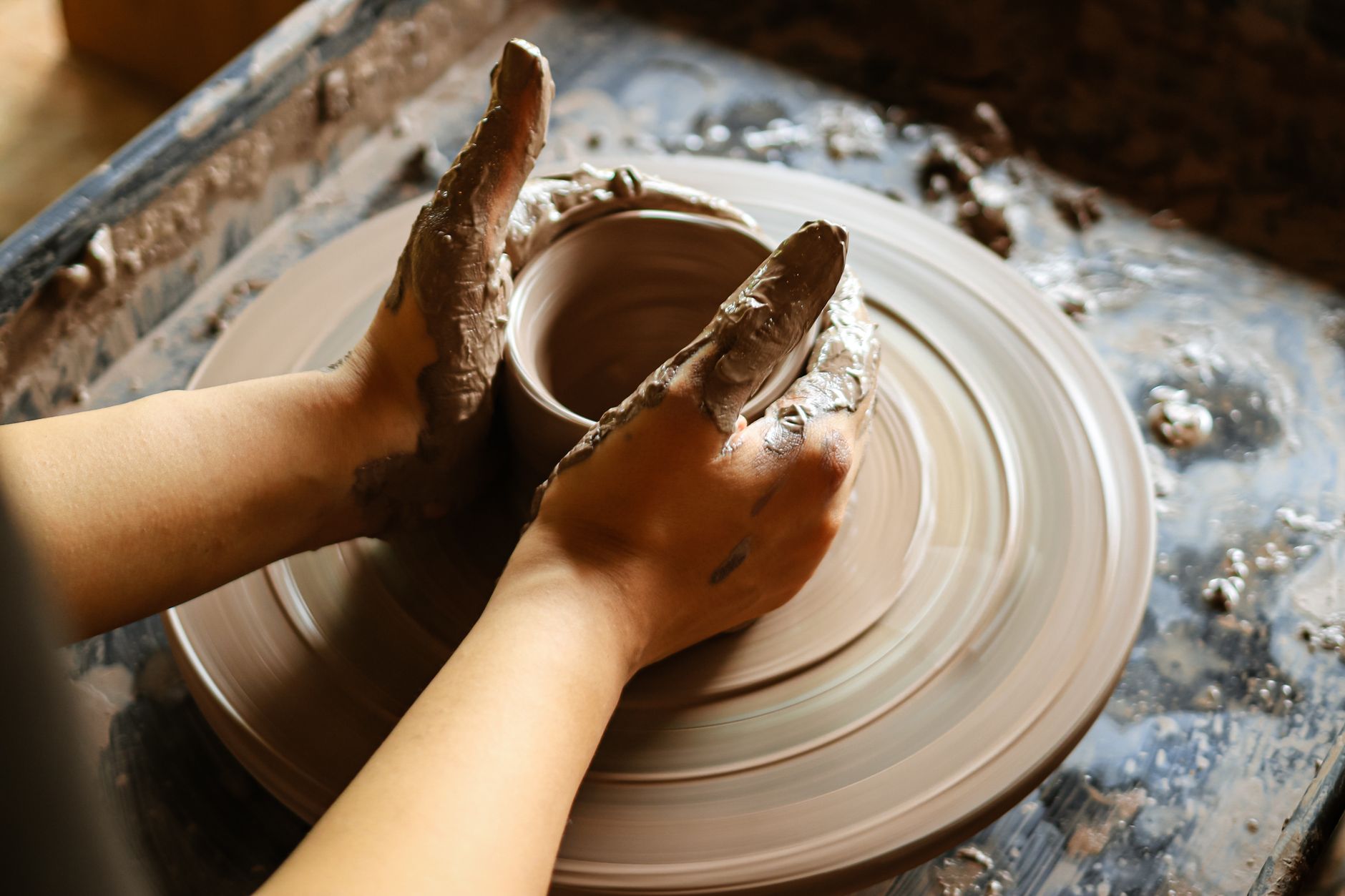
Pottery, natural silk painting, and hand weaving are the most budget-friendly because raw materials (clay, silk scraps, plant-based dyes) are abundant and inexpensive here. A 2.5-hour pottery wheel session where you center clay, throw a bowl, and trim it—then it fires and ships—costs less per person than a 1.5-hour painting workshop because clay is processed locally and firing happens in the studio kiln. Lacquer work takes longer and uses imported resins, so sessions are pricier. Embroidery and weaving are labor-intensive but low-material-cost; you work slowly, learn stitching or threading patterns, and finish a small textile or bookmark to take home. Basket weaving (water hyacinth and rattan) is nearly free material-wise but requires space and takes 3+ hours. For budget-conscious groups, we often recommend pottery or natural silk work as the sweet spot: high skill development, low material cost, tangible take-home, and no waiting for kiln time or drying.
| Craft type | Time | Material cost basis | Output | Best for |
|---|---|---|---|---|
| Pottery wheel | 2.5 hrs | Local clay, kiln use | 1 bowl or vessel, fired | Tactile learners, romantic moments |
| Silk painting (natural dyes) | 2–3 hrs | Silk scraps, plant dyes | 1 small scarf or banner | Color-lovers, quick success |
| Hand weaving | 2–3 hrs | Rattan, hyacinth, thread | 1 small mat or coaster | Patient crafters, process-focused |
| Embroidery basics | 2.5 hrs | Thread, cloth, needle | 1 small pouch or patch | Detail-oriented, needle-shy learners |
| Lacquer painting | 3 hrs | Wood base, resins, pigments | 1 coaster or decorative tile | Intrepid learners (longer dry-time) |
How do you manage a craft workshop on a tight daily budget in a Vietnam trip?
Split costs across your group and build it into your daily food spend. A private pottery session for four people costs roughly what one person spends on three meals at a mid-range restaurant—and you work for three hours and ship your piece home. Book craft workshops mid-week (Tuesday–Thursday) to avoid weekend premium dates. Pair a workshop with a self-guided walk through the old quarter or a street food and market tour the same morning: you spend half a day learning, the other half eating and exploring. Avoid workshop packages bundled with transport, meals, and guide fees—they sound convenient but inflate cost by 50%. Instead, take a shared taxi or app to the studio (cost is under our current quote most cities) and pack water and snacks. If you're in Da Lat or Hoi An, farm and countryside experiences often include a half-day craft session (pressing flowers, natural dye-work) alongside vegetable picking or coffee roasting—that's more economical per activity than booking each separately. Many travelers underestimate how much a real workshop teaches you: you go home with a skill you can try again, photographs, and something you made with your hands. That stays valuable longer than a souvenir bought from a shop.

What should you wear and bring to avoid discomfort or damage?
Wear clothes you don't mind staining. Clay, dye, and wet materials will splash. Long sleeves and closed shoes are best for pottery (wheel-spin can catch loose fabric) and lacquer work (fumes and pigments stain). Bring water, sunscreen if the studio opens to a courtyard, and a phone camera or small notebook to photograph the process (many artisans enjoy seeing how you capture their techniques). If you have sensitive skin or allergies, tell us in the booking message: natural dyes are gentler than synthetic, but some people react to indigo, turmeric, or shellac. We have latex-free aprons and glove alternatives. On rainy days, pottery and indoor painting work perfectly—lacquer sessions might shift indoor or to a covered space. Weaving sheds often flood, so we reschedule those without penalty. Bring a small bag or ask us about a sturdy paper box to carry your finished piece if it's wet or fragile.
How do you avoid overpaying for a rushed or shallow "craft experience"?
Check whether the session includes all materials and firing/finishing costs upfront. Some venues quote a low price, then charge extra for clay, glaze, or kiln use; or they rush you through so fast you don't finish. Ask: How much time do I spend actually working with the material? If it's less than 90 minutes of hands-on time, walk away—that's a demo, not a workshop. Ask if your finished piece is fired, sealed, or treated before you take it, or if you leave clay that still needs kiln time (which happens, and is fine, but the venue should ship it to you free—clarify that). Check whether the instructor is a working artisan or a tourism guide who learned the craft last year. We pair each group with someone who teaches the craft daily, usually to apprentices. Ask if the group size is capped—if a workshop says "up to 20 people," it's a class, not a workshop. We cap groups at six to keep it hands-on. Finally, compare what you're paying per person per hour. If a 2.5-hour session for one person costs more than a private cooking class, that's a luxury experience (nothing wrong with that), not a budget one. For true budget value, book a group of three or more and ask for a group rate.
Can kids, seniors, or people with no experience really do this?
Absolutely, with one adjustment per person. Kids under 10 often can't center a pottery wheel safely, but they can hand-build or paint; we slow the session and let them make a pinch pot or stamp designs instead. Seniors sometimes worry about standing (pottery wheels require it) or fine motor control (embroidery). We offer seated painting, hand-weaving, or lacquer work instead, and provide brighter lighting and magnifying glasses if needed. Complete beginners are our default: artisans expect no prior knowledge and enjoy teaching fundamentals. What matters is curiosity and willingness to get hands dirty. We've run workshops for groups of twelve-year-olds learning alongside 72-year-olds; the older person often teaches the younger one threading or knot-tying, and everyone benefits. If mobility is a concern, mention it when you ask for dates—we choose studios that are ground-floor and accessible. If you're pregnant, recovering from injury, or have sensory issues, tell us: we adapt the angle, timing, or material without shame. The only real blocker is very high anxiety around failure, because early attempts are messy. But that's why you're there—to learn, not to be perfect.
What to check before you book
- Duration: Minimum 2 hours hands-on work, not including setup or photos.
- Materials included: All clay, dye, thread, or silk; firing or sealing; and your finished piece to take home or have shipped.
- Group size: Capped at 6 per teacher, or private (2–4 people, same rate).
- Instructor background: Ask if they teach this craft full-time.
- Allergies and accessibility: Mention dietary restrictions (if lunch is included), mobility needs, or skin sensitivities in your booking message.
For hands-on learning that doesn't drain your trip budget, book with us. We host craft workshops in Hanoi, Saigon, Hoi An, and Da Nang with small groups, real artisans, and transparent pricing. If you're mixing workshops with cooking, street food, or outdoor activities—Vietnamese cooking class, flower arranging workshop, or horse riding experience—ask us about combining sessions for better group rates.
See how a session runs or Ask about dates on WhatsApp
FAQ
Do I need to be artistic or skilled to join a craft workshop?
No. Craft workshops teach fundamentals from zero—centering clay, mixing dye, threading a needle. Your teacher assumes you've never done it. Nervousness is normal; within 20 minutes, your hands relax and learning clicks. Finished pieces won't be gallery-perfect, but they're genuinely yours.
What happens to my finished piece if it needs drying or firing after the session?
Clay pieces are fired in the studio kiln over 5–7 days; we ship it to you or hold it for pickup. Silk, embroidery, and woven work leave the studio the same day. Lacquer pieces are sealed and ready to use. All shipping costs and timelines are confirmed before you book.
Can I book a private workshop for my family or partner, and is it much more expensive?
Yes. Private workshops (2–4 people) cost roughly the same per person as group sessions, sometimes slightly less if material overhead is shared. Private sessions let you set the pace and take more photos. Ask for a private quote on WhatsApp, mentioning your group size and craft preference.
What's the difference between a budget craft workshop and a luxury or resort-based one?
Budget workshops run in working studios or family homes, use local materials, and have smaller groups. Luxury ones are often in resorts or hotels, use imported or premium materials, include meals or gifts, and run as demonstrations. Both are valid—choose based on experience goals, not just price.
If I'm nervous about getting messy or failing, should I avoid craft workshops?
Not at all. Messiness is part of learning—clay splashes, dye stains, thread tangles. That's why we give aprons and work in spaces made for it. Failure (a crooked pot, uneven stitching) teaches more than success. Come curious, not precious, and you'll enjoy it.
Ask about dates
Tell us the city, your dates and what you would like to try. We reply on WhatsApp in English with options and availability.
FAQ
Do I need to be artistic or skilled to join a craft workshop?
No. Craft workshops teach fundamentals from zero—centering clay, mixing dye, threading a needle. Your teacher assumes you've never done it. Nervousness is normal; within 20 minutes, your hands relax and learning clicks. Finished pieces won't be gallery-perfect, but they're genuinely yours.
What happens to my finished piece if it needs drying or firing after the session?
Clay pieces are fired in the studio kiln over 5–7 days; we ship it to you or hold it for pickup. Silk, embroidery, and woven work leave the studio the same day. Lacquer pieces are sealed and ready to use. All shipping costs and timelines are confirmed before you book.
Can I book a private workshop for my family or partner, and is it much more expensive?
Yes. Private workshops (2–4 people) cost roughly the same per person as group sessions, sometimes slightly less if material overhead is shared. Private sessions let you set the pace and take more photos. Ask for a private quote on WhatsApp, mentioning your group size and craft preference.
What's the difference between a budget craft workshop and a luxury or resort-based one?
Budget workshops run in working studios or family homes, use local materials, and have smaller groups. Luxury ones are often in resorts or hotels, use imported or premium materials, include meals or gifts, and run as demonstrations. Both are valid—choose based on experience goals, not just price.
If I'm nervous about getting messy or failing, should I avoid craft workshops?
Not at all. Messiness is part of learning—clay splashes, dye stains, thread tangles. That's why we give aprons and work in spaces made for it. Failure (a crooked pot, uneven stitching) teaches more than success. Come curious, not precious, and you'll enjoy it.
More like this
Craft workshops
Craft Workshop in Saigon: Small Group Classes for Beginners
Cáo Experiences runs small-group craft workshops across Saigon where you learn traditional and contemporary making in intimate studio and community spaces. Sessions suit absolute beginners, families, and skill-builders.
Craft workshops
Craft workshop in Saigon for couples: what to choose
Couples in Saigon have three main craft paths: ceramics in a family studio, natural-dye silk painting, or bamboo weaving. Each teaches differently and suits different moods.
Craft workshops
Craft Workshop in Hoi An: What to Expect Step by Step
A craft workshop in Hoi An with Cáo Experiences is a half or full-day session where you learn a traditional Vietnamese skill—lantern-making, silk painting, woodblock printing, or lacquerware—in a working studio or family workshop. You leave with a finished piece you made yourself.