
Home › Blog › Craft workshops
Craft Workshop in Vietnam: Questions to Ask Before You Book
By the Cáo Experiences team · 2026-11-06
Craft workshops in Vietnam vary widely: some teach traditional lacquerware or ceramic techniques in family studios, others focus on textile dyeing or bamboo weaving in countryside settings. At Cáo Experiences, we run small-group and private craft workshops in Hanoi, Ho Chi Minh City, Hoi An, and Da Nang—typically 2–4 hours, 2–8 people per session, in working family kitchens or studios where you actually make something to take home. Before booking, ask: How many people attend? Will beginners feel lost? What happens if rain comes? Do you accommodate allergies or mobility needs? Are materials included, or do you buy extras? Most reputable hosts adjust class pacing for skill level, cap group size to ensure hands-on time, and have indoor backup plans. Cost and exact location usually depend on your dates and group size—ask us for a quote on WhatsApp so you know what you're paying for and what's included.
What's the actual skill level you'll reach in one session?
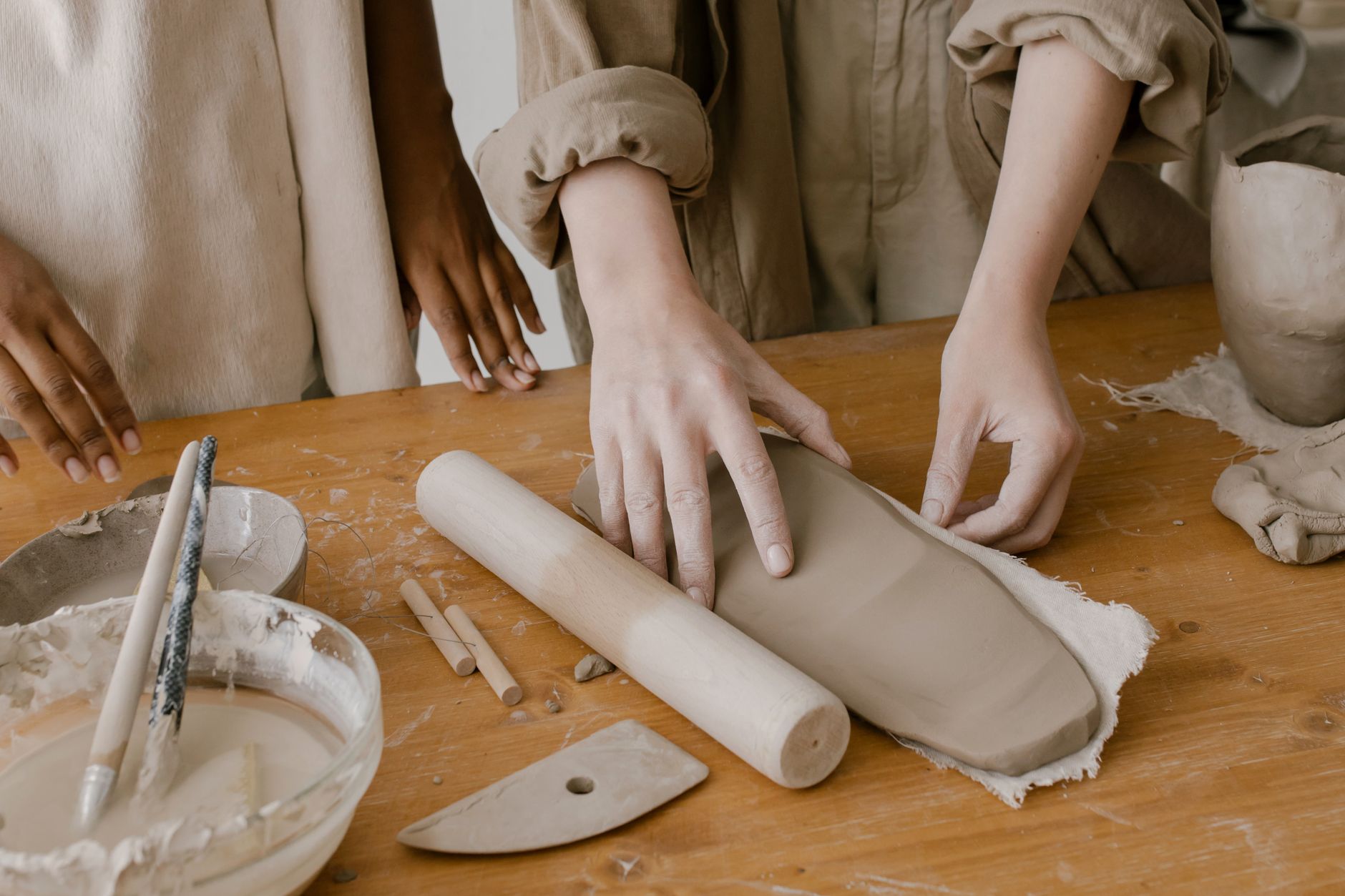
Most craft workshops teach enough technique in 2–4 hours that you leave with a finished piece—not museum-quality, but genuinely made by you. If you're learning hand-thrown pottery, you'll center clay, shape a bowl, and glaze it; instructors don't expect you to master throwing in one afternoon. With textile dyeing, you prepare the dye bath, bind or fold your fabric, dip it, and rinse—you see the full process. Workshops teach you to do something real, not just watch. Beginners often worry they'll slow the group down; experienced hosts pace sessions so everyone makes progress at their own tempo without frustration. The piece you take home—a ceramic cup, dyed scarf, or woven bookmark—is proof you learned, even if you refine your technique later back home.

How small should the group be so you get real instruction?
A group of 2–4 people lets each person get hands-on time and personal feedback without feeling rushed or ignored. With 6–8 people, one instructor must split attention—some guests will wait longer for their turn at the wheel or dye bath. Private sessions (just you, a partner, or a family) mean the instructor adapts entirely to your pace and interests, which suits people who are shy, have mobility needs, or want to dig deeper into one technique. Group sessions work well if you enjoy learning alongside others and want to meet fellow travelers or expats. Ask: Will the instructor stay with you while you work, or leave you to follow a video? Can you ask questions without holding up the group? If rain forces a move indoors, does the space fit everyone comfortably? A reputable host will answer these honestly—if they're vague, that's a red flag.
Does the workshop adapt for kids, seniors, or dietary/mobility needs?
Yes, but it depends on the specific technique and how you communicate upfront. Our family-friendly sessions work well for kids aged 6+; younger children often need close adult support. We simplify steps so kids shape clay instead of centering it, or dye pre-cut fabric squares instead of large bolts. For seniors, we offer chairs with good back support, ensure the work table is at a comfortable height, and break the session into shorter focused blocks with rest time. If you have arthritis, we adapt tools—lighter pottery wheels, easy-grip brushes, or seated weaving. Allergies to dyes, glues, or natural materials need mentioning before booking; a good host will confirm ingredients, provide alternatives (synthetic dyes instead of plant-based, for example), or recommend a different workshop type. Wheelchair access varies by venue—some family studios have narrow lanes or steps; ask specifically about the location, not just "is it accessible?" A clear yes or honest "not for wheelchair users, but we can meet at a street-level studio" beats a vague reply.
What materials come with the fee, and what might you buy extra?
Typically, basic materials—clay, dyes, fabric, wood, glue—are included in the session cost. You won't pay per item or feel pressured to buy premium supplies. However, some workshops offer upgrades: after dyeing a cotton scarf, you can buy a silk one for a higher cost to dye the same afternoon. If you're learning to paint lacquerware, they may stock finished wooden pieces (boxes, bowls, trays) at different sizes for you to decorate; you choose what appeals and pay accordingly. Some hosts in Hoi An or Da Nang source materials from local artisans and can tell you where each supply comes from—that storytelling adds value. The honest approach: the workshop fee covers you making one finished item; anything beyond that is optional. A few workshops use this to upsell aggressively; better ones present extras as genuine options for people who want to deepen the experience. Before booking, ask: "What do I make in the base session?" and "Are there optional add-ons, and what do they cost?" Then you can budget fairly.
What's the honest backup plan if it rains, and what about the venue itself?
Rain is common in Vietnam from May to September. Reputable hosts move indoor sessions (like ceramic painting or weaving) without fuss—same instructor, same schedule, just a different room. Outdoor activities like farm visits or flower arranging in a garden may shift to a covered workshop space or be rescheduled entirely. Some hosts operate in family homes or studios that are mostly indoors already; ask specifically: Is the usual venue covered or open-sided? If weather is bad, where do we go instead? Is it the same distance from my hotel, or will I travel longer? A clear answer means they've thought this through. Check the forecast before you book; if a typhoon warning is issued, legitimate hosts will contact you proactively to reschedule.
How do you know if the instructor is actually experienced and patient?
Ask: How long have you been teaching this craft? Are you a practicing maker yourself, or only an instructor? Some of the best hosts learned the technique from a family member over many years and still make pieces for their own use—they teach because they love it, not just for income. Others are trained instructors hired by a studio. Both can be excellent; the difference is how they answer. If a host says "I've been teaching cooking for three years and just started pottery last month," that's honest; if they dodge the question or claim mastery in ten different crafts, be cautious. Look for hosts who describe their own mistakes and how they solved them—that honesty signals real skill. If their website or WhatsApp reply feels generic (copy-pasted, no personal detail, no answer to your specific question), they may be delegating to someone less experienced. A real host answers your questions in their own words, quickly, and admits what they don't offer. Before you pay, have a brief conversation—not just a booking form.
Choosing the Right Workshop: A Quick Reference
| Workshop type | Best for | Typical duration | Take-home item | Rainy-day risk |
|---|---|---|---|---|
| Hand pottery (clay wheel) | Beginners, couples, focus-seekers | 2.5–3.5 hours | Ceramic bowl or cup | Low (indoors) |
| Textile dyeing | Families, dye enthusiasts, groups | 2–3 hours | Scarf, tote, fabric piece | Medium (needs water access) |
| Lacquerware painting | Detail-oriented, older kids | 2–4 hours | Painted box or tray | Low (indoors) |
| Bamboo/rattan weaving | Patient learners, artisans | 3–4 hours | Basket or place mat | Low (indoors) |
| Flower arranging | Beauty-lovers, occasion planners | 1.5–2.5 hours | Arrangement to take home | Medium (needs table, gentle handling) |
| Woodblock printing | Artists, printmakers | 2–3 hours | Printed paper or tote | Low (indoors) |
What to Check Before You Book: An Honest Checklist
- Location & travel time: Is the venue walkable from your hotel, or is transport included? How long is the journey?
- Group size: How many people will be there? Can you request a private session if you prefer?
- What you make: Will you finish one complete item, or work on a project you can't take home?
- Materials & quality: Are they new, clean, and ethically sourced? (For plant-based dyes, ask if the seller is fair-trade.)
- Instructor presence: Will the instructor work alongside you the whole time, or give a demo and leave you to follow instructions?
- Bathroom & refreshments: Are they available during the session? Does the venue provide water or tea?
- What to wear: Do you need closed shoes, an apron, or old clothes? Will the workshop provide protection?
- Cancellation & rescheduling: What if you're sick or the weather is severe? Can you move to a different date?
- Language: Will instruction be in English? Is there a translator if the host speaks limited English?
- Photos & sharing: Can you photograph your work and share it on social media, or does the host ask you not to?
- Physical demands: Will you stand, sit, or move around? Are breaks built in?
Before you decide, ask yourself: Am I here for the social experience, to learn a real skill, or to take home something beautiful? Different workshops serve different goals. A small group in a family studio suits people who want intimacy and storytelling; a class in a proper art center suits learners who want structured feedback. Neither is better—they're different. Once you know what you want, the right questions become obvious.
We also run Vietnamese cooking classes, tea experiences, and family-friendly activities across Vietnam if you'd like to combine workshops with other hands-on learning.

FAQ
How much do craft workshops cost in Vietnam?
Pricing depends on technique, group size, location, and materials. Ask us on WhatsApp for a quote—we'll give you a clear all-in price for your dates and group. Workshops range widely based on whether they're private, semi-private, or group sessions.
Can I book a workshop on short notice (like tomorrow)?
Sometimes, depending on instructor availability and how busy the schedule is. Reach out on WhatsApp with your preferred dates and workshop type; we'll confirm within hours if we can fit you in. Peak seasons (October–March) book faster.
What if I don't like my finished piece?
Pieces made in one session are genuine first efforts, not gallery-ready. If you feel the instructor rushed you or didn't teach clearly, say so on the day—most hosts offer follow-up time or a reshuffle. Dishonesty about skill level is rare, but it happens; picking an instructor with good reviews and a clear explanation of expectations helps.
Do I need to bring anything, or is everything provided?
Materials are provided. Bring comfortable clothes you don't mind getting dye or clay on, closed-toe shoes (safer for pottery studios), and a reusable water bottle. An apron is usually supplied; if you have long sleeves that get in the way, let the instructor know.
Can I book a private workshop if I'm traveling solo?
Yes. Private sessions cost more than group, but you get one-on-one instruction tailored to your pace and interests. Many solo travelers prefer this because there's no pressure to keep up, and you can ask as many questions as you want.
What happens if I have a physical limitation or chronic pain?
Tell us before you book. We adapt workshops by offering chairs with back support, accessible height tables, lighter tools, or techniques that don't stress certain joints. Some crafts (weaving, painting) suit people with mobility limits; others (pottery on a wheel) may not. Honesty helps us match you to the right workshop.
Ask about dates
Tell us the city, your dates and what you would like to try. We reply on WhatsApp in English with options and availability.
FAQ
How much do craft workshops cost in Vietnam?
Pricing depends on technique, group size, location, and materials. Ask us on WhatsApp for a quote—we'll give you a clear all-in price for your dates and group. Workshops range widely based on whether they're private, semi-private, or group sessions.
Can I book a workshop on short notice (like tomorrow)?
Sometimes, depending on instructor availability and how busy the schedule is. Reach out on WhatsApp with your preferred dates and workshop type; we'll confirm within hours if we can fit you in. Peak seasons (October–March) book faster.
What if I don't like my finished piece?
Pieces made in one session are genuine first efforts, not gallery-ready. If you feel the instructor rushed you or didn't teach clearly, say so on the day—most hosts offer follow-up time or a reshuffle. Dishonesty about skill level is rare, but it happens; picking an instructor with good reviews and a clear explanation of expectations helps.
Do I need to bring anything, or is everything provided?
Materials are provided. Bring comfortable clothes you don't mind getting dye or clay on, closed-toe shoes (safer for pottery studios), and a reusable water bottle. An apron is usually supplied; if you have long sleeves that get in the way, let the instructor know.
Can I book a private workshop if I'm traveling solo?
Yes. Private sessions cost more than group, but you get one-on-one instruction tailored to your pace and interests. Many solo travelers prefer this because there's no pressure to keep up, and you can ask as many questions as you want.
What happens if I have a physical limitation or chronic pain?
Tell us before you book. We adapt workshops by offering chairs with back support, accessible height tables, lighter tools, or techniques that don't stress certain joints. Some crafts (weaving, painting) suit people with mobility limits; others (pottery on a wheel) may not. Honesty helps us match you to the right workshop.
More like this
Craft workshops
Craft Workshop in Saigon: Small Group Classes for Beginners
Cáo Experiences runs small-group craft workshops across Saigon where you learn traditional and contemporary making in intimate studio and community spaces. Sessions suit absolute beginners, families, and skill-builders.
Craft workshops
Craft workshop in Saigon for couples: what to choose
Couples in Saigon have three main craft paths: ceramics in a family studio, natural-dye silk painting, or bamboo weaving. Each teaches differently and suits different moods.
Craft workshops
Craft Workshop in Hoi An: What to Expect Step by Step
A craft workshop in Hoi An with Cáo Experiences is a half or full-day session where you learn a traditional Vietnamese skill—lantern-making, silk painting, woodblock printing, or lacquerware—in a working studio or family workshop. You leave with a finished piece you made yourself.