
Da Nang what to do in 3 days: food, culture and coast
By the Cáo Experiences team · 2026-11-06
Da Nang rewards three days with a working rhythm: day one, the markets and old town; day two, a cooking class or coffee workshop in a family kitchen, plus beach time; day three, a countryside ride or a craft afternoon in the hills beyond town. This pace lets you move without rushing. Cáo Experiences hosts hands-on sessions—Vietnamese cooking class, coffee workshops, flower arranging, horse riding, craft workshops—in English, in real working spaces, not tourist setups. Most visitors pack too much into too few hours; three days works best when you pick two or three things deeply rather than tick ten boxes. Avoid the first week of Lunar New Year (shops close, guides vanish); May–September brings heat and occasional rain, but fewer crowds. Budget time for walking—the city reveals itself on foot between scheduled things, not during them. Ask about dates on WhatsApp
Where do I start in Da Nang in three days?
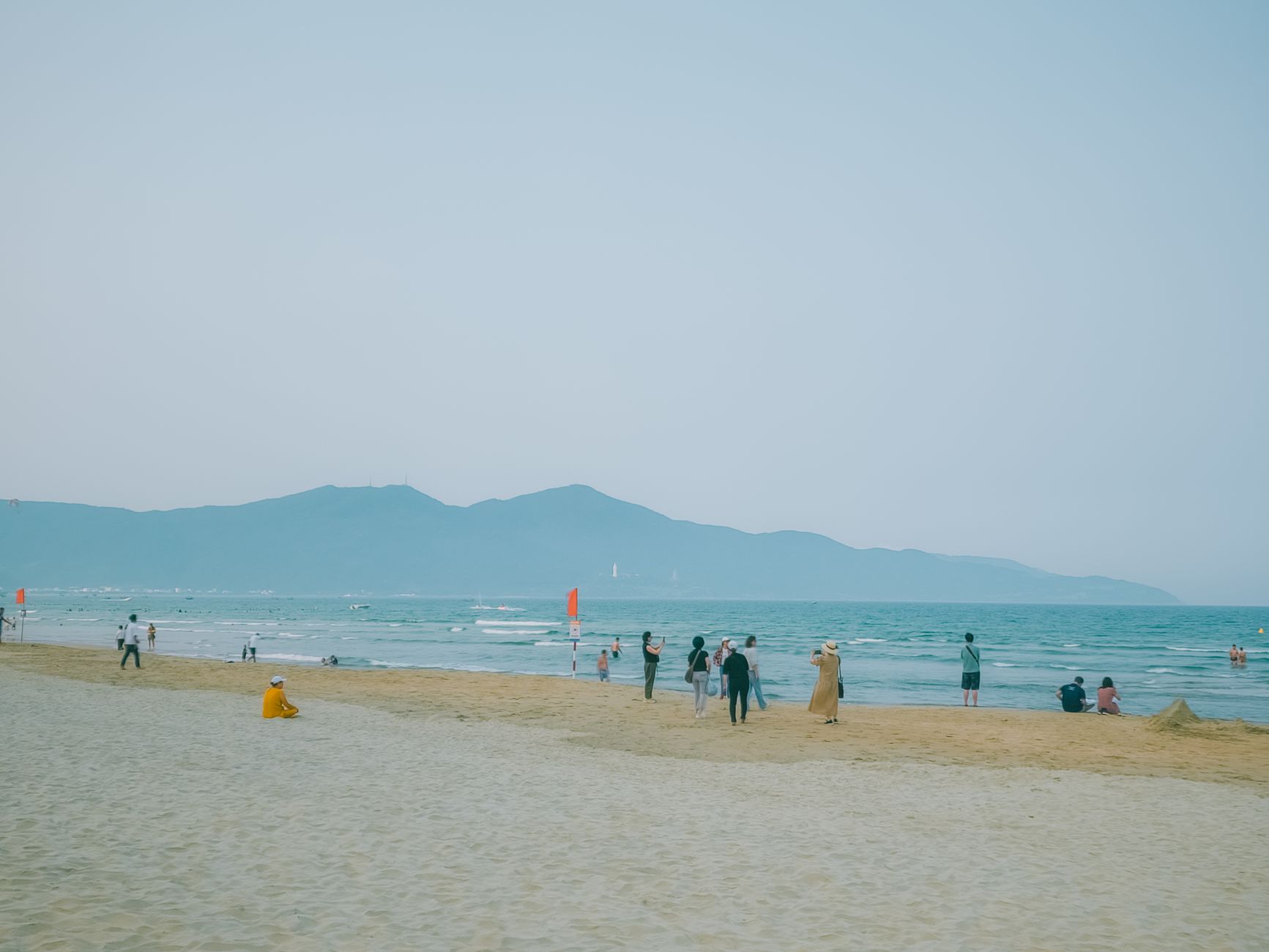
Your first half-day anchors in the core. Head to Hoan Kiem Lake and the Old Quarter by mid-morning; these are permanent landmarks, not run-of-the-mill attractions. Walk the lanes around the market—you'll hear vendors, smell grilled seafood, see the rhythm. Eat breakfast or lunch somewhere busy with locals, not tourists: rice paper rolls, grilled fish cakes, cold coffee with condensed milk. By afternoon, rest at a beach near the central promenade, or climb the coastal hill for sunset views. The point is to get the feel of the place before you book anything structured. Third-day lesson: never plan day one tight.
What hands-on classes work best for a three-day visit?
A Vietnamese cooking class is the single best use of a half-day. You arrive at a family kitchen in a lane off the old quarter around 8:30 a.m.; the host takes you to the market first so you choose your own vegetables, fish, or meat—and meet the people who grow or catch it. Back in the kitchen (never a school or studio), you make three dishes: typically a soup or broth, a stir-fry, and a roll or spring thing. You eat what you cooked. By 12:30 p.m. you're done and hungry and know how Vietnamese seasoning actually works. Alternatively, a Vietnamese coffee workshop takes 90 minutes and works better if you're jet-lagged or prefer morning time alone—you learn the metal drip filter, try three regional roasts, and understand why Vietnamese coffee tastes like nothing else. Both classes run in English, adapt for allergies, and work for couples, groups, or solo travelers. Pick one; don't try both in three days.
How do I balance beach days with cultural time?
The honest answer: Da Nang's beaches are lovely but not unique—the real edge is the culture and food, which take work to reach. Use a simple framework: one full beach day (pick the morning or afternoon, swim, eat seafood lunch), one cooking or craft half-day (leaves you the other half for markets or walking), one countryside half-day (horse riding outside town, or a farm experience in the hills, or a tea experience in a family orchard). That's two solid memory-making sessions plus one pure relaxation day. If you're traveling with kids, family experiences let them join the kitchen or ride without sitting out. The mistake most people make: they book a beach resort for three days and never leave it. You're already here—spend two mornings doing things you can't do at home.
What should I eat, and how do I find real food?
Da Nang's food is Hoi An's neighbor—the technique is similar, the ingredients fresher because the harbor is close. You'll eat grilled fish in lemongrass, pork in caramel and black pepper, fresh herbs and fish sauce in everything. Don't hunt for "best restaurant" on the internet; instead, walk into a busy lane at lunch or dinner and eat where there's a queue. Ask your host at the cooking class where they eat—that's real. Markets near the water sell live prawns and crab in the morning; a small eatery near the market entrance will cook them for you while you wait. Breakfast: rice paper rolls with grilled fish, or sticky rice with a savory filling. Coffee always, at any time—Vietnamese coffee culture here is serious. One meal: budget time for a street food and market tour if you want guide-led discovery, but honestly, the three-day rhythm above includes enough food learning.

Should I rent a motorbike, or book guided experiences?
Don't rent a motorbike if you're not fluent on roads or comfortable with traffic. Instead, use grab (the ride app) for beaches and town, and book half-day horse riding or craft workshops with pickup included—that's faster, safer, and the host knows the way and the people. One exception: if you ride at home and have a valid international license, a motorbike gives you freedom for the countryside on day three. But if you're unsure, stick to walking the old town, grabbing to the beach, and booking structured experiences for countryside time. The group and corporate experiences page has options for organized group visits, but for three days as a couple or small group, the cooking and coffee workshops are the core.
Comparison: how to allocate three days
| Focus | Morning | Afternoon | Evening | Best for | Energy needed |
|---|---|---|---|---|---|
| Food learner | Market walk + cooking class start | Cook, eat lunch | Beach or rest | Couples, foodies | High first day, easy after |
| Nature + culture | Horse riding or farm experience | Return by 1 p.m., lunch, beach | Old town walk, dinner | Active travelers, groups | Moderate, spread across days |
| Slow pace | Breakfast, walk | Coffee workshop, lunch | Beach or rest | Honeymooners, over-50s | Low; minimal schedule |
| Family with kids | Family experiences: cooking or craft | Free time, beach | Early dinner, night market | Parents, grandparents | Flexible; kids set pace |
What to check before you go
- Timing: Classes run Tuesday–Sunday; Lunar New Year and late July–August are busy. Ask Cáo on WhatsApp for available dates for your window.
- Weather: May–September is hot and humid; June–September brings rain. Bring a lightweight rain jacket if you're visiting then, but sessions run unless there's a storm—we adapt.
- Dress: Wear loose, breathable clothes. For cooking, wear an apron (we provide it) or something you don't mind getting marked. For riding, wear long trousers and closed shoes.
- Allergies: Tell your host when you book. We adapt menus for fish, shellfish, peanut, or any other restriction; just give 48 hours' notice.
- Language: All Cáo sessions run in English. A phrase book in Vietnamese is fun but not needed.
- Transport: Book accommodation in the old town or near the beach, within grabbing distance of the market. Countryside experiences include pickup.
- Camera: Bring one. The light at 6 a.m. at the market and sunset on the beach are both worth filming.
Why Cáo, and where to book from here
We run small groups—usually 2–8 people—in real spaces: a family kitchen, a stable in the pine hills, a crafts lane in the old quarter. No school vibe, no performance, no heavy selling. You learn from people who cook or ride or make things for a living, not career instructors. Every session is in English; we coordinate on WhatsApp before and after so there are no surprises. Our blog has stories from other travelers who've done three days in Da Nang and what stuck with them.
See how a session runs
To find dates, times, and a quote for your group, message Cáo on WhatsApp. Tell us the dates you're in Da Nang, how many of you, and whether you're interested in cooking, coffee, riding, crafts, or a mix. We'll suggest a rhythm that fits and let you know what's open. Most people book 2–3 sessions across three days; that leaves room to sleep, swim, eat, and wander.

FAQ
Is three days enough to see Da Nang?
Three days is enough for a real taste—Old Quarter, markets, one cooking or craft session, the beach, and maybe a countryside ride. It's not enough to see everything, but that's the point: depth over breadth beats a checklist. Most visitors feel they could stay longer.
What's the best time of year to visit Da Nang?
October–April is cooler and less rainy. March–April and November are ideal: warm but not scorching. May–September is hot, humid, and prone to rain, but fewer tourists come, so classes and guides are easier to book and less crowded.
Should I book the cooking class or coffee workshop?
Choose cooking if you want a full sensory morning including the market and a lunch you made. Choose coffee if you're jet-lagged, prefer quiet mornings, or want something short and focused. Both teach you something you'll use at home. Don't do both in three days.
Can kids join the cooking class?
Yes. Children from age 6 up enjoy it; they chop, stir, taste, and eat. Younger kids come but sit more and help less. Our family experiences page has sessions designed for mixed-age groups; ask on WhatsApp if you're bringing young kids.
What if I'm allergic or vegetarian?
Tell us when you ask for dates. We adapt menus for any dietary need—fish sauce, shellfish, nuts, gluten, meat, dairy, whatever. Give 48 hours' notice and we'll source different vegetables, tofu, or eggs and teach you the same techniques with your ingredients.
Do I need to speak Vietnamese?
No. All Cáo sessions run in English with our host. Learning a few words—hello (xin chào), thank you (cảm ơn), delicious (ngon)—is fun and appreciated, but not necessary. Your host will teach you while you work.
How much should I budget for experiences in Da Nang?
Ask us for dates and a quote on WhatsApp. Prices vary by group size, session type, and how many people join; we'll give you a clear number once you tell us your dates and what you want to do.
Ask about dates
Tell us the city, your dates and what you would like to try. We reply on WhatsApp in English with options and availability.
FAQ
Is three days enough to see Da Nang?
Three days is enough for a real taste—Old Quarter, markets, one cooking or craft session, the beach, and maybe a countryside ride. It's not enough to see everything, but that's the point: depth over breadth beats a checklist. Most visitors feel they could stay longer.
What's the best time of year to visit Da Nang?
October–April is cooler and less rainy. March–April and November are ideal: warm but not scorching. May–September is hot, humid, and prone to rain, but fewer tourists come, so classes and guides are easier to book and less crowded.
Should I book the cooking class or coffee workshop?
Choose cooking if you want a full sensory morning including the market and a lunch you made. Choose coffee if you're jet-lagged, prefer quiet mornings, or want something short and focused. Both teach you something you'll use at home. Don't do both in three days.
Can kids join the cooking class?
Yes. Children from age 6 up enjoy it; they chop, stir, taste, and eat. Younger kids come but sit more and help less. Our [family experiences](/family-experiences) page has sessions designed for mixed-age groups; ask on WhatsApp if you're bringing young kids.
What if I'm allergic or vegetarian?
Tell us when you ask for dates. We adapt menus for any dietary need—fish sauce, shellfish, nuts, gluten, meat, dairy, whatever. Give 48 hours' notice and we'll source different vegetables, tofu, or eggs and teach you the same techniques with your ingredients.
Do I need to speak Vietnamese?
No. All Cáo sessions run in English with our host. Learning a few words—hello (xin chào), thank you (cảm ơn), delicious (ngon)—is fun and appreciated, but not necessary. Your host will teach you while you work.
How much should I budget for experiences in Da Nang?
Ask us for dates and a quote on WhatsApp. Prices vary by group size, session type, and how many people join; we'll give you a clear number once you tell us your dates and what you want to do.
More like this
Da Lat
Da Lat local experiences with locals: what to expect
Da Lat's misty mountains and year-round spring weather draw travelers seeking escape from the lowlands. Real local experiences—not tours—happen in family kitchens, forest gardens, and craft workshops where you work alongside people who live here.
Da Lat
Da Lat experiences with hotel pickup: day trips and classes
Da Lat's cool mountain air, flower farms, and craft culture draw visitors year-round. We arrange hands-on experiences with hotel pickup so you skip transport logistics and focus on learning.
Da Lat
Da Lat workshops and classes: hands-on learning in the highlands
Da Lat's cool mountain air and creative community make it ideal for intimate workshops. We run hands-on classes in cooking, coffee, crafts and more—learn a real skill, not a tourist tick.