
Home › Blog › Farm and countryside days
Duck herding experience in Vietnam: what to expect
By the Cáo Experiences team · 2026-11-06
A duck herding experience is a hands-on half or full day working alongside a farmer and their flock, learning to move, manage, and understand waterfowl on working paddies and waterways. Cáo Experiences runs these sessions on family farms in the countryside near Hanoi and in the Red River Delta region, typically 3–4 hours with groups of 2–8 people. You'll wade into water, learn the calls that direct birds, spot which ducks lead and which lag, and help gather them at day's end. No prior skill needed; the farmer adapts pace to absolute beginners and families with kids aged 8+. Cost varies by group size and date; ask us for a quote. Wear quick-dry clothes, bring water, and avoid stiff boots—the learning curve is gentle, but wet feet are guaranteed.
How does a duck herding session actually run from start to finish?
We arrive at the farm in early morning, usually around 6 or 7 am when the ducks are still in their pen. The farmer greets us, explains the day's plan in simple English (we translate if needed), and shows how to read the flock's mood—restless ducks mean they're hungry, calm ones are ready to move. You'll change into whatever you're wearing in the water (boots off, sandals on), grab a long bamboo stick or paddle if using one, and walk to the pen. The farmer opens the gate, and the flock—maybe 50 to 150 birds—pours out toward the paddy. Your job isn't to chase: it's to guide using rhythm and sound. We show you the low quack-quack call that signals "this way," the sharper "tsk tsk" that means "slow down," and when to simply walk behind letting them find their own path. By mid-morning, we pause in the shade, drink water or tea, and you get a real sense of which birds are leaders (bold, always first) and which are followers. After lunch (usually at the farm or a nearby family kitchen), the afternoon focuses on gathering—gently funneling scattered birds back toward water, learning how small movements create big shifts in the flock direction. By 2 or 3 pm, you help herd them back to their pen, close the gate, and debrief with the farmer about what you noticed. The full day ends with a sense of quiet accomplishment and very wet legs.

Why is rhythm and voice more important than speed?
Beginners often worry they'll need to run or shout to move ducks. In reality, consistency beats urgency. A flock responds to a steady tone and predictable movement—if you're calm, they're calm; if you're panicked, they scatter. The farmer will show you that a single repeated call, the same pace of walking, and a familiar stick pattern make ducks move as a unit without stress. Most guests discover within the first 30 minutes that less effort gets better results. The nervous energy you bring actually works against you. Once you sync with the flock's natural rhythm—they want to move to water, they want to eat, they want to return home—your role shifts from "making them move" to "showing them the way." This insight alone makes the session worthwhile, and it's something no video or farm tour can teach. You learn it in your body.
What challenges come up, and how do we handle them?
Rain is the most common question. Ducks love rain; they're waterbirds. A light drizzle makes them more active, and a true downpour just means you're wetter—the work continues, sometimes better because birds are happier. We'll reschedule only if flooding closes access to the paddies (rare, but we check weather three days ahead and offer alternative dates). Heat is trickier. Morning sessions end before midday heat peaks; afternoon sessions start after 2 pm. We always provide shade, water, and salt tablets. Families with very young children (under 8) or seniors with balance concerns can join shortened mornings or observational roles—you won't herd the whole flock, but you'll walk alongside, learn calls, and help with smaller tasks. If you have joint pain or ankle instability, tell us when booking; we can match you with flatter paddies and shorter wading. Allergies to insect bites or strong sun are common—bring high-SPF sunscreen, consider lightweight long sleeves, and take anti-itch cream. The farm environment includes insects; there's no way around it, but early morning (fewer mosquitos) and windier days help.
How does this fit with other farm and countryside experiences we offer?
Our farm and countryside experiences span seasons and activities. Duck herding is purely about movement and animal behavior; it's meditative once you settle in. If you'd rather stay in one place and learn, consider a coffee workshop on a highland farm, or a tea experience in a village setting—both stationary, both centered on craft. Some guests do a herding morning, then a cooking class in a family kitchen the same afternoon, preparing ingredients grown on or near the farm. We also run horse riding sessions in similar countryside, though that's a different skill and mindset—solo work rather than group flock work. Group and team experiences often combine a morning herding activity with lunch and an afternoon craft workshop, which suits friends or colleagues looking for bonding and a sense of shared accomplishment. The rhythm of herding makes a good opening act for a longer day.
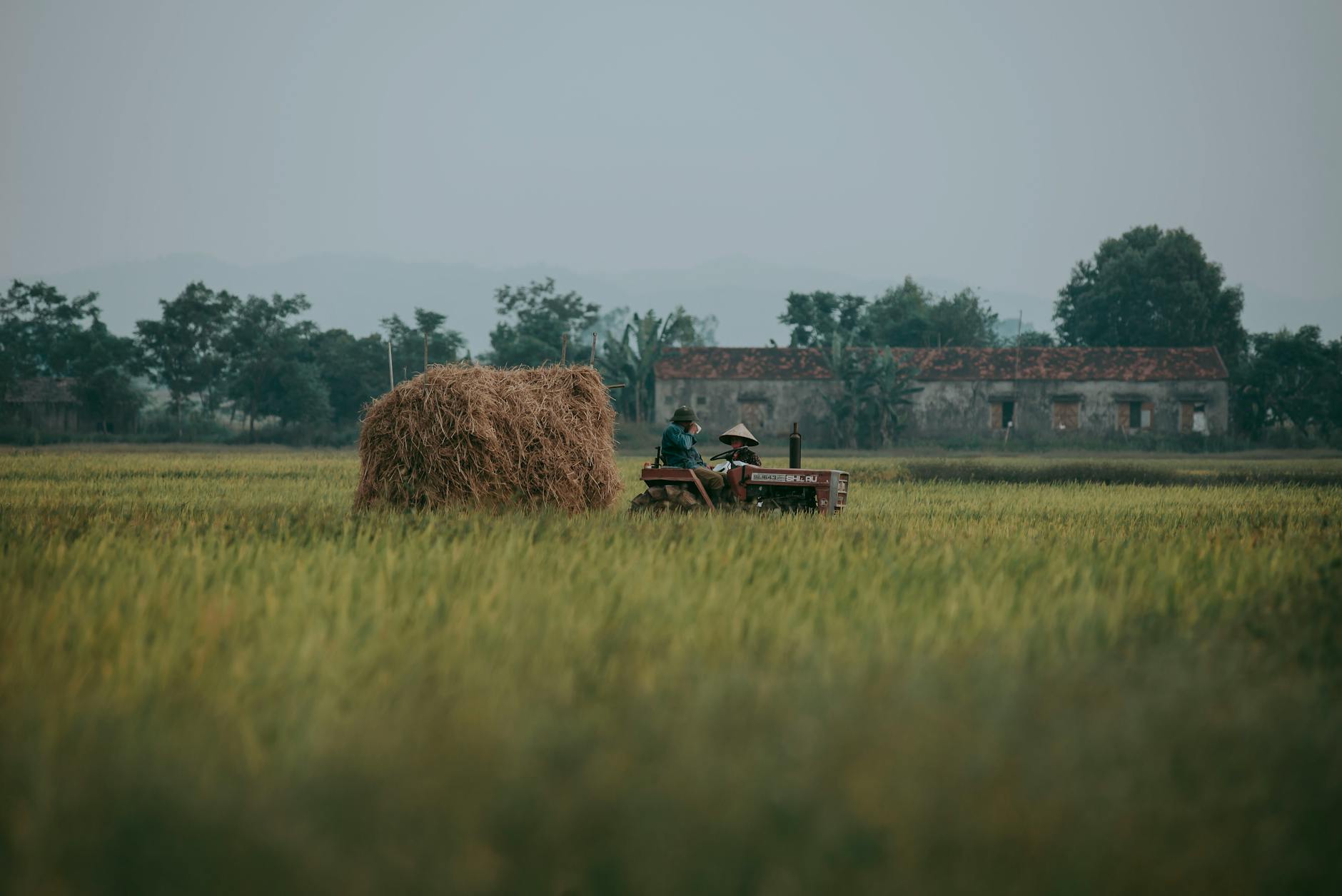
What should you wear, pack, and avoid?
| Item | Why it matters | What to avoid |
|---|---|---|
| Quick-dry shirt/pants | Mud, water, and morning dew soak cotton fast. | Jeans, khakis, or anything that clings when wet |
| Sandals or water shoes | Easy off/on in the paddy; protects feet from sharp plants. | Stiff boots, canvas sneakers, or anything hard to remove |
| Hat and sunscreen | Sun exposure 3–4 hours; UV reflects off water. | Relying on shade alone; fair skin burns fast |
| Lightweight long sleeves (optional) | Insect barrier without overheating in early morning. | Sleeveless + no sunscreen = sunburn + bites |
| Small backpack or crossbody bag | Holds water, phone, snacks; keeps hands free. | Anything bulky that shifts when you move |
| Towel or spare shirt | Farms are muddy; you'll want to dry off. | Assuming the farm will provide one |
| Water bottle (1–2 liters) | Dehydration kicks in after 90 minutes in heat/humidity. | Relying on farmhouse tap water (usually okay, but bring your own) |
Leave behind: heavy jewelry (catches on branches), rigid sunglasses (fall into water), expensive shoes, and the expectation of staying dry. Flip-flops are fine for wading; closed-toe sandals are better. If you're cold-sensitive, bring a light layer for early morning, but you'll shed it within 30 minutes.
How does the farmer teach and adapt for different ages or fitness levels?
The farmer works with us to read your group's pace. Kids aged 8–12 often light up when they realize they can actually move a living flock; we keep their role playful, let them lead a small group of younger ducks, and celebrate their successes loudly. Teenagers and adults learn the full job but at a walking pace, not a race. Seniors who are mobile and enjoy being outdoors do beautifully—they bring patience and calm, which the flock senses. If your group mixes ages, we'll split tasks: kids do the fun shouting and flagging, adults manage the main flock movement, and whoever is less mobile observes from higher ground and learns the calls. Fitness level doesn't matter much because herding is steady-state work, not explosive. The risk is overheating or dehydration, which we prevent by hydrating every 30–45 minutes and pausing in shade. Pregnant guests, people with recent injuries, or those on certain medications should check with their doctor and tell us in advance. We're not a medical service, but we'll know how to adjust your role and when to pause. Expect your legs to feel it—this is real farm work—but it's not elite sport.
What to check before you book
— Confirm the session date and length (half-day vs. full-day) and check your calendar at least two weeks ahead so we can coordinate with the farmer. — Tell us about any mobility limits, health conditions, or dietary needs when you inquire; we need lead time to adapt. — Check weather three days before and be ready for a reschedule if flooding blocks access (rare, but it happens). — Bring cash or confirm payment method; many farms are cash-only, and there's no ATM on-site. — Leave valuables at your accommodation; the farm isn't insecure, but a flooded paddy is no place for a phone or wallet. — Wear clothes you don't mind getting muddy; there's usually a tap for rinsing, but don't assume a full wash station. — If you're traveling with kids under 8, ask whether a shortened or observational role suits your family better than full herding.

FAQ
Will the farmer speak English?
The farmer speaks primarily Vietnamese. We coordinate with you in advance and provide live English translation and cultural context throughout the session. This partnership—you and us and the farmer as guides—is part of the experience.
What if I've never been on a farm or touched an animal before?
Ducks are forgiving teachers. They don't bite or kick the way larger livestock might; they respond to rhythm and patience. By the second hour, almost every guest relaxes and stops overthinking it.
Is the whole day strenuous, or can I take breaks?
You set the pace. We stop for shade, water, and snacks as needed. Morning is more active; afternoon often includes a longer sitting break and quieter observation. Tell us if you need more rest.
What happens if it rains?
Light rain is normal; we continue. Heavy rain or flooding closes access. We check weather early and offer alternative dates. Ducks themselves are unbothered by rain.
Can I bring a small child, or is it too muddy and wet?
Kids aged 5–7 can often join observational roles (watching, learning calls, standing in shallower water). Kids 8+ can herd a small group. Under 5 is tough—paddies are muddy, water is unpredictable, and supervision becomes challenging. Ask us to discuss your specific child's interests and comfort.
Will there be food or toilets on the farm?
Most farms have a basic pit toilet or outdoor washbasin. Some provide lunch or snacks; others expect you to bring or eat nearby. We confirm facilities and food arrangements when you book. Always bring your own water.
Why is this better than just watching a YouTube video about farming?
Because you'll feel the resistance of mud under your feet, hear the exact tone of a duck call, notice which bird leads, get genuinely tired and happy, and eat lunch with the farmer. Your body learns what your eyes alone cannot.
Ask about dates
Tell us the city, your dates and what you would like to try. We reply on WhatsApp in English with options and availability.
FAQ
Will the farmer speak English?
The farmer speaks primarily Vietnamese. We coordinate with you in advance and provide live English translation and cultural context throughout the session. This partnership—you and us and the farmer as guides—is part of the experience.
What if I've never been on a farm or touched an animal before?
Ducks are forgiving teachers. They don't bite or kick the way larger livestock might; they respond to rhythm and patience. By the second hour, almost every guest relaxes and stops overthinking it.
Is the whole day strenuous, or can I take breaks?
You set the pace. We stop for shade, water, and snacks as needed. Morning is more active; afternoon often includes a longer sitting break and quieter observation. Tell us if you need more rest.
What happens if it rains?
Light rain is normal; we continue. Heavy rain or flooding closes access. We check weather early and offer alternative dates. Ducks themselves are unbothered by rain.
Can I bring a small child, or is it too muddy and wet?
Kids aged 5–7 can often join observational roles (watching, learning calls, standing in shallower water). Kids 8+ can herd a small group. Under 5 is tough—paddies are muddy, water is unpredictable, and supervision becomes challenging. Ask us to discuss your specific child's interests and comfort.
Will there be food or toilets on the farm?
Most farms have a basic pit toilet or outdoor washbasin. Some provide lunch or snacks; others expect you to bring or eat nearby. We confirm facilities and food arrangements when you book. Always bring your own water.
Why is this better than just watching a YouTube video about farming?
Because you'll feel the resistance of mud under your feet, hear the exact tone of a duck call, notice which bird leads, get genuinely tired and happy, and eat lunch with the farmer. Your body learns what your eyes alone cannot.
More like this
Farm and countryside days
Fishing Experience Vietnam for Japanese Travelers: Where to Go & What to Expect
Vietnam's waterways offer Japanese travelers a chance to learn traditional fishing methods directly from locals. Cáo Experiences runs half- and full-day sessions on rivers, lakes and the Mekong Delta where you cast nets, set traps, and cook your catch.
Farm and countryside days
Fishing Experience Vietnam for Foreigners: Hands-On Guide
Fishing in Vietnam isn't a spectator sport—you'll wade into rivers, cast nets, trap fish in baskets, and cook your catch for lunch. We run small-group and private fishing days in the countryside outside Hanoi, Ha Noi region, and the Mekong Delta.
Farm and countryside days
Fishing Experience in Vietnam: 8 Questions to Ask Before You Go
Fishing in Vietnam means wading through rice paddies, learning trap techniques, or casting in rivers with local guides. Here's what to ask before you book.