
Home › Blog › Experiences for families and kids
Family workshop Vietnam vs Thailand: where to take kids in 2026
By the Cáo Experiences team · 2026-11-06
Family workshops in Vietnam typically run 2–4 hours in intimate settings—a home kitchen in Hanoi's old quarter, a garden in Hoi An, a farm outside Da Lat—with 4–8 family members per session. Thailand's equivalents are often longer (half or full day), set in purpose-built training centers, and larger groups. Vietnam emphasizes hands-on creativity (kids knead dough, arrange flowers, ride horses); Thailand leans toward structured technique and observation. Both are year-round, but Vietnam's cool season (October–March) suits activity; Thailand's heat is more relentless. At Cáo Experiences, we adapt every session for age, dietary needs, and rain—no rushing, no spectating. Ask about dates on WhatsApp
What exactly happens in a Vietnam family workshop?
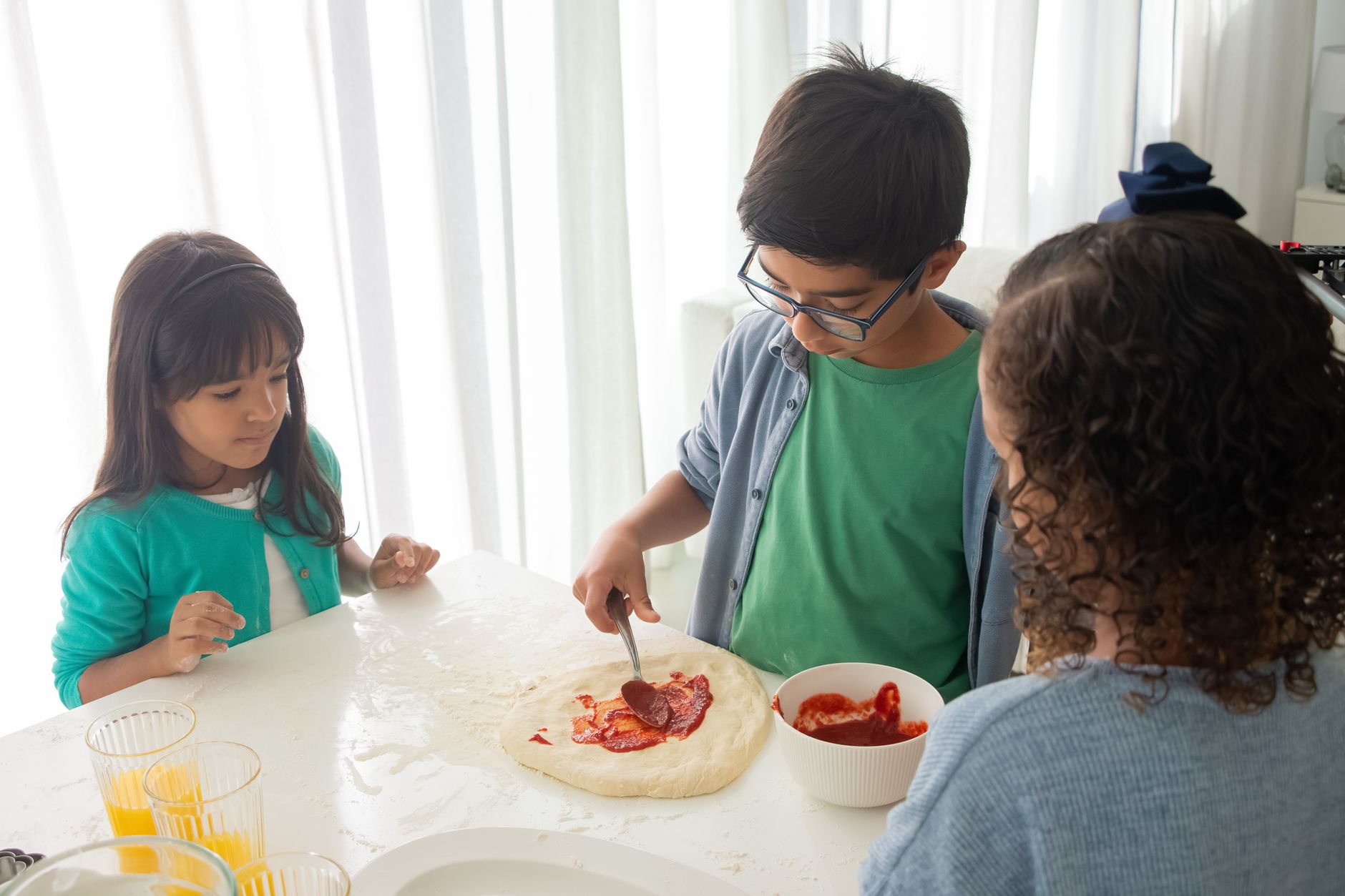
We run small-group family experiences in homes, gardens, and working spaces—not dedicated training centers. A typical Vietnamese cooking class starts with kids choosing ingredients at a local market or in the host's pantry, then they knead, chop, and cook alongside you. No standing and watching: everyone's hands are in the work. If it rains, we cook indoors; if a child has allergies, the host adapts the recipe on the spot. A horse-riding session means mounting at a pine-forest stable outside town, walking real trails, learning to steer—not riding rings. Flower arranging happens in a family garden where kids press blooms into water and foam. Duration is 2–4 hours; we break for tea or a snack. The goal isn't certification or perfection—it's the memory of doing something real with your kids.
How do Thailand family workshops differ in structure?
Thailand's family workshops are usually held in established training facilities—purpose-built kitchens, studio classrooms, resort grounds—with 10–20 participants per session. Sessions run 4–8 hours, follow a set curriculum, and emphasize technique mastery and demonstration. Kids often watch first, then replicate steps. The pace is faster; groups rotate through stations. You receive a certificate or handout. Instructors are professional trainers rather than home hosts. Climate control (air conditioning indoors) means sessions run regardless of weather. Thailand workshops often have a "polished" feel—consistent quality, predictable outcomes, easier to book online without WhatsApp coordination. The trade-off: less intimacy, more structure, fewer last-minute tweaks for individual kids' needs or rain.
Which destination suits different family types?
Families with young kids (3–7): Vietnam's intimate, flexible setting works better—smaller groups, breaks, no pressure to keep pace. A cooking class becomes playtime; horse riding is a gentle intro. Thailand's longer sessions and larger groups can overwhelm toddlers.
School-age kids (8–14): Both work. Vietnam offers more variety per visit—you can do craft workshops in the morning, farm experience after lunch, adapt on the fly. Thailand gives kids a certificate and structured achievement, which some love.
Teens and multi-generational groups: Vietnam's wellness and art classes often blend ages—kids, parents, grandparents learn together. Thailand's longer, more intense sessions suit motivated learners seeking depth.
Couples traveling with one child: Vietnam's shorter sessions (2–3 hours) fit casual, mixed itineraries better. Thailand requires pre-planned, blocked time.
| Family type | Vietnam fit | Thailand fit | Key difference |
|---|---|---|---|
| Toddlers + parents | Excellent—flexible, breaks | Fair—longer, structured | Flexibility & pacing |
| School-age kids | Excellent—variety, hands-on | Excellent—certificate, depth | Intimacy vs. structure |
| Teens & grandparents | Excellent—blended learning | Good—rigorous, professional | Intergenerational ease |
| Solo parent + one kid | Excellent—casual timing | Fair—fixed schedules | Spontaneity allowed |
| Large group (10+) | Good—book private session | Excellent—designed for it | Group cohesion |
When should you book—and which season suits your family?
Vietnam's cool season (October–March) is ideal for active sessions like horse riding and farm work. Humidity drops; kids don't overheat. Rainy season (May–September) is still fine—we move indoor activities indoors, and outdoor work becomes shorter. Book 2–4 weeks ahead on WhatsApp; we're flexible with date swaps.
Thailand's hot season (March–May) pushes indoor workshops. Cool season (November–February) is peak—book 3–6 weeks early; centers fill up. Shoulder seasons (June–October, rainy) offer lower prices and smaller groups but heavy downpours.
Honest comparison: Vietnam has no "peak season crunch"—we run year-round with little booking pressure. Thailand's popularity means earlier booking and less flexibility if plans change.

How do costs and value compare?
We don't quote prices here, but the structure differs. Vietnam sessions (at Cáo Experiences) are typically shorter and priced per hour or per family; there's no hidden markup for venue rental or overhead. Thailand's are longer, with facility costs built in—pricing per person is common, and add-ons (materials, certificates, lunch) vary by center.
Vietnam: You pay for the host's time and ingredients; simpler math.
Thailand: You pay for the session, the venue, the materials, and often a group booking fee; total can surprise you until you research.
What to check before you book: Ask whether meals are included (Vietnam usually isn't; Thailand often is). Whether you get handouts or recipes (Vietnam gives verbal tips and your notes; Thailand prints materials). Whether the price covers kids and adults equally (Vietnam scales it; Thailand often charges per head).
Where in Vietnam and Thailand should you book?
Vietnam: Hanoi, Hoi An, Da Nang, and Da Lat are our main hubs. Hanoi offers cooking, coffee, flower arranging, and craft workshops. Hoi An adds farm experiences and boat trips. Da Lat is best for horse riding and hill-country wellness activities. All accessible by 2-hour local transport from major airports.
Thailand: Bangkok, Chiang Mai, and beachside resort towns (Phuket, Krabi) dominate. Bangkok has big training centers; Chiang Mai has rural homestay workshops; beaches offer resort-based classes. More tourist-facing infrastructure; easier last-minute booking via apps.
Cáo Experiences runs sessions in Vietnam only—we know our hosts, the rainy-day moves, and how to tweak for your family.
One honest angle: what happens when things go wrong?
Vietnam (our experience): A kid gets sick mid-session—we pause, reschedule free, no fuss. Rain floods a farm visit—we move to the kitchen and cook instead. A child hates horses—we do a craft workshop or tea experience that day. A parent forgets dietary requirements—the host adapts the recipe live. These aren't edge cases; we plan for them.
Thailand (typical centers): Cancellations have strict policies (7–14 days). Group workshops can't pause for one child. Rain often means "session proceeds indoors" (not rescheduled). Dietary changes need advance notice. You're one of ten families; last-minute flexibility is rare.
The takeaway: Vietnam workshops suit families who value adaptability and surprise. Thailand suits families who want predictability and a finished product.
Final checklist: before you choose Vietnam or Thailand
- [ ] Duration: Want 2–3 hours (Vietnam) or half/full day (Thailand)?
- [ ] Group size: Family-only intimacy or happy to merge with others?
- [ ] Weather tolerance: Humidity and rain OK (Vietnam any season) or prefer air-con?
- [ ] Booking style: WhatsApp chat and flexibility, or online form and fixed dates?
- [ ] Kids' ages: Toddlers thrive on Vietnam's slow pace; teens may prefer Thailand's depth.
- [ ] Budget (per session): Vietnam is typically lean; Thailand bundles in venue and meals.
- [ ] Memory goal: Photo-heavy and casual (Vietnam) or certificate and structured learning (Thailand)?
Book with Cáo Experiences in Vietnam if your family wants to cook, craft, ride, and learn together at their own pace. Ask us about dates on WhatsApp and we'll match you with a session that fits your kids and schedule.
FAQ
Can kids under 5 join workshops in Vietnam?
Yes. We adapt every session—shorter duration, breaks, simpler tasks. A 3-year-old won't chop vegetables, but will press flowers or shape dough. Toddlers need a parent fully present, not just supervising. Ask us when you WhatsApp; we'll recommend the best activity for their age.
Do Vietnam workshops include meals?
Cooking classes end with eating what you made. Other workshops (flowers, horses, craft) include tea and a snack. Lunch or dinner is usually not included—ask when you contact us. Many families grab lunch at a local spot after and call it part of the experience.
Is horse riding safe for nervous kids?
Yes—our horse riding sessions are walk-only, no trotting. An experienced handler leads; we pair nervous kids with calm horses and a very slow route. Many kids who were scared on arrival ask to ride again the next day. It's confidence-building, not adrenaline.
How much notice do you need to book a family workshop?
2–4 weeks is ideal, especially if you want a specific week or activity. We can sometimes fit you in sooner if a date opens up. Ask us on WhatsApp—we'll check availability and give you honest timings.
Can we book a private family workshop, or only group sessions?
Both. Small-group sessions run regularly; we also offer private family-only workshops. Private sessions are more flexible for timing, dietary needs, and customization. Ask for a quote when you contact us.
What's the age range of other families in group workshops?
Mixed—usually 3–16, sometimes multigenerational (grandparents too). Groups stay small (4–8 people total, often just 1–2 families). It's never a large class; kids get personal attention and rarely feel left behind.
Ask about dates
Tell us the city, your dates and what you would like to try. We reply on WhatsApp in English with options and availability.
FAQ
Can kids under 5 join workshops in Vietnam?
Yes. We adapt every session—shorter duration, breaks, simpler tasks. A 3-year-old won't chop vegetables, but will press flowers or shape dough. Toddlers need a parent fully present, not just supervising. Ask us when you WhatsApp; we'll recommend the best activity for their age.
Do Vietnam workshops include meals?
Cooking classes end with eating what you made. Other workshops (flowers, horses, craft) include tea and a snack. Lunch or dinner is usually not included—ask when you contact us. Many families grab lunch at a local spot after and call it part of the experience.
Is horse riding safe for nervous kids?
Yes—[our horse riding](/horse-riding) sessions are walk-only, no trotting. An experienced handler leads; we pair nervous kids with calm horses and a very slow route. Many kids who were scared on arrival ask to ride again the next day. It's confidence-building, not adrenaline.
How much notice do you need to book a family workshop?
2–4 weeks is ideal, especially if you want a specific week or activity. We can sometimes fit you in sooner if a date opens up. Ask us on WhatsApp—we'll check availability and give you honest timings.
Can we book a private family workshop, or only group sessions?
Both. Small-group sessions run regularly; we also offer private family-only workshops. Private sessions are more flexible for timing, dietary needs, and customization. Ask for a quote when you contact us.
What's the age range of other families in group workshops?
Mixed—usually 3–16, sometimes multigenerational (grandparents too). Groups stay small (4–8 people total, often just 1–2 families). It's never a large class; kids get personal attention and rarely feel left behind.
More like this
Experiences for families and kids
Family Workshop Vietnam Gift Voucher: What Works Best
A family workshop gift voucher in Vietnam lets relatives experience cooking, craft, horse riding or tea together—no tickets, no queues, real hands-on time. We help you pick the right session type and duration for the ages and interests in your group.
Experiences for families and kids
Family workshops in Vietnam for Indian travelers: what to expect
Indian families visiting Vietnam often wonder how to keep children engaged and learn something authentic together. Cáo Experiences runs small-group and private workshops—cooking, coffee, flower arranging, craft, and farm days—designed for kids, parents, and grandparents, hosted in English with real
Experiences for families and kids
Family Workshop in Vietnam: What to Expect
Family workshops in Vietnam let all ages learn together—cooking, flower arranging, coffee, crafts—in small groups with English-speaking hosts who adapt for kids, seniors, and mixed skill levels.