
Home › Blog › Farm and countryside days
Farm Experience in Da Nang for Tourists: What to Expect
By the Cáo Experiences team · 2026-11-06
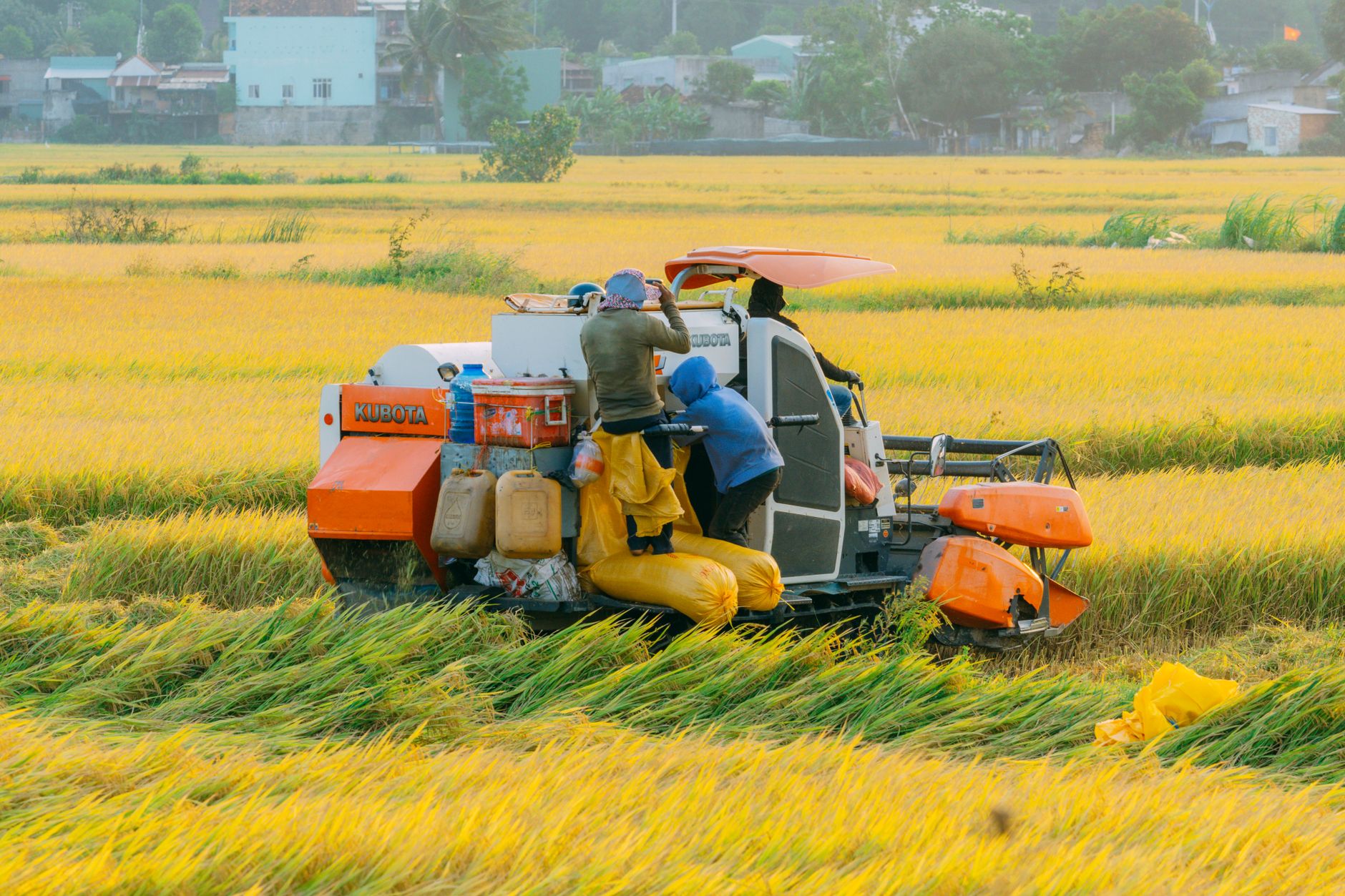
A farm experience in Da Nang with Cáo Experiences is a hands-on half or full day in a family kitchen and fields outside the city, usually 45 minutes' drive from the coast. You'll arrive mid-morning or early afternoon, wear practical clothes, and spend 2–4 hours planting or harvesting seasonal crops, helping prepare a meal using your harvest, and learning how rural families work the land and water. Sessions run year-round; timing shapes what you do—wet season means paddy work, dry season brings vegetable plots. You'll eat what you cook, sit with the family, and leave by late afternoon. We adapt for kids (shorter planting, more play), seniors (seated prep tasks, light garden walks), and dietary needs. There's no fixed price list—ask us for dates and a quote on WhatsApp. Avoid booking rain-dependent tasks last-minute; we'll pivot to indoor craft or cooking if weather turns.
How do we structure a typical farm day?
We start by meeting you at an agreed point in Da Nang and driving to the farm. Introductions happen in the family's yard or covered porch, usually with tea or coconut water. You'll walk the fields or vegetable beds with the farmer—they explain soil, water, seasonal rhythms, pests, and tools in English. Then hands-on work: if it's harvest season, you'll pick leafy greens, beans, or herbs; if planting, you'll learn the spacing and depth for each crop. By late morning, everyone moves to the kitchen. You'll wash your harvest, prep ingredients (chopping, soaking, marinating), and cook 2–3 dishes together—often a stir-fry, soup, or fresh salad using what you've picked. Lunch is communal; you eat with the farming family, their children, and other guests. Afternoons sometimes include a walk to a nearby fish pond, compost area, or water source. We finish by 3–4 p.m. Total time on-farm is usually 4–5 hours. Rainy mornings shift fieldwork indoors: you'll focus on kitchen prep, fermentation, or drying herbs instead.

Which guests suit farm experiences best?
Families with children aged 5+ find real engagement here—kids get muddy, see where food grows, and eat lunch they've partly grown. Seniors enjoy seated tasks (herb-bundling, vegetable sorting) and the slower pace. Couples seeking something beyond typical tours appreciate the intimacy of a working kitchen and the story behind rural livelihoods. Small groups (4–8 people) work well because the farmer can manage everyone's hands-on work without chaos. Solo travelers often team with other guests or book private sessions to avoid feeling out of place. If you've done a Vietnamese cooking class in the city, a farm day deepens that knowledge—you meet the people who grew the ingredients. People with mobility limits should mention this when booking; we can arrange garden walks without heavy fieldwork. Anyone with food allergies must tell us upfront so the family prepares alternatives or sources safe ingredients.
What's the difference between morning, afternoon, and full-day farm sessions?
Session type | Best for | Typical flow | Why choose it ---|---|---|--- Morning (4–5 hours) | Families, first-timers, mixed groups | Arrival 8–9 a.m., fieldwork + cooking, lunch, depart 1–2 p.m. | Leaves afternoons free; covers core farm-to-table cycle Afternoon (3–4 hours) | Travelers with late starts, lunch-before visitors | Arrival 1–2 p.m., light fieldwork or herb work, cooking, dinner prep, depart 5 p.m. | Works if you want a morning market tour or beach walk first Full-day private (6–7 hours) | Couples, groups wanting depth, photography | Early arrival, extended fieldwork, cooking, leisurely lunch, garden tour, craft work | More time with the family; you see multiple tasks and eat two meals
Morning sessions suit most tourists because they finish early and let you visit other experiences the same day—e.g., pair a farm morning with an afternoon street food and market tour or horse riding experience nearby. Afternoon sessions work if you sleep late or want to squeeze in city time first. Full-day private bookings (ask us for dates and a quote on WhatsApp) let couples or small groups linger, ask deeper questions, and help with multiple crops if the season allows. Rainy days don't cancel farm work—we adapt tasks, so you still participate; cooking indoors is actually easier on wet days.
What should you bring and wear to a farm?
Wear closed-toe shoes or boots (not sandals)—fields are muddy even after rain stops, and you'll step on irrigation channels or stubble. Bring a change of socks and light shoes for inside the house. Long pants or capris are practical; sleeves protect from sun and insect bites. A light long-sleeved shirt works if you burn easily. Avoid loose jewelry; tie long hair back. Bring a small towel, sunscreen, and insect repellent (we usually have some, but your own is more reliable). A camera or phone is welcome—the light at midday can be harsh for photos, so early morning or late-afternoon light near trees works better. Don't bring a large backpack; a cross-body bag or small daypack is easier in cramped kitchen spaces. Leave valuables in your Da Nang accommodation. The farm provides water, but if you prefer your own bottle, bring it empty and we'll fill it. Waterproof phone protection is smart if you're photographing fieldwork; morning dew and spray from irrigation are common.
How do we adapt farm days for kids, seniors, and dietary needs?
Children aged 5–8 do lighter harvest tasks—picking beans or herbs rather than digging. Older kids (9+) can help plant, weed, and carry water. We keep groups with young kids smaller (max 6–8 people) so the farmer isn't overwhelmed. Kids often tire of fieldwork after 45 minutes, so we pivot to kitchen time, where they feel ownership over cooking and eating. Seniors work at their own pace; we offer seats in the garden, involve them in knowledge-sharing (older farmers often chat longer with older guests), and focus on seated prep—sorting, seasoning, kneading dough. Walking pace is slow and unhurried. Anyone with mobility concerns should tell us; we can arrange farm stays that skip heavy fieldwork. Dietary restrictions are key to mention at booking: vegetarian or vegan guests can focus on vegetable prep and herb work; we source alternative proteins or ensure plant-based dishes are substantial. Allergies (peanuts, shellfish, gluten) are managed by the family in advance—they'll prepare separate ingredients or skip dishes. If you have wellness-focused interests (stress relief, slow living), a quiet farm session is deeply restorative. Families should book directly; rainy weather is actually fun for kids in kitchens, not a cancellation.
Can you pair a farm experience with other countryside activities?
Yes. Many guests combine a morning farm session with an afternoon tea experience in a nearby tea house, or a flower arranging workshop in Da Nang town later the same day. A full-day itinerary might start with a farm morning in the countryside, then drive to a coffee workshop back in the city, tasting Vietnamese coffee over lunch. Couples often add a horse riding experience outside town—check timing with us to avoid double-booking transport. Groups booking group and corporate sessions sometimes combine farm work with a craft afternoon—e.g., learning to weave, make fish traps, or tie herbs. Family experiences often layer multiple activities: kids might do a farm morning, then visit a local market or art and culture classes with cultural context. If you're staying in Da Nang and want to explore the wider region, experiences in Da Lat (cooler highlands, different crops) are 4 hours' drive away and worth a multi-day trip. Our hosts have written real stories of how these combinations work. Ask us to build a custom itinerary; we'll coordinate transport and timing so nothing feels rushed.
What to check before you book a farm session
- Season and what crops are active: wet season (May–October) often means paddy fields and leafy greens; dry season (November–April) brings vegetable plots. Ask which is in season when you want to visit.
- Group size and privacy: smaller groups (2–4) get more one-on-one attention; larger groups (8+) might feel less intimate. Confirm if it's private or mixed with other guests.
- Physical demands: if you have joint pain, mobility limits, or are very unfit, tell us—we'll choose a farm with less fieldwork and more kitchen time.
- Weather backup plan: ask how rain is handled. If rain means cancellation, get a clear reschedule window. We usually pivot to indoor tasks instead.
- What's included in the meal: if you're vegetarian, gluten-free, or allergic, specify now. Don't assume the farm will have alternatives on the day.
- Transport from your hotel: confirm pickup location and time. Late pickups can cut your farm time short.
- Language: sessions are in English; ask if the farmer is fluent or if interpretation is spotty. This affects how much you learn.
- Photo permissions: some families are happy to be photographed; others prefer privacy. Clarify upfront.

FAQ
Is a farm experience safe for tourists unfamiliar with manual work?
Yes. We assign tasks to your fitness level. Fieldwork is gentle—picking, not heavy digging. The kitchen is safer than most home kitchens. Any health concerns should be mentioned at booking so we choose the right farm and adapt the day.
What if you don't like the food or can't eat spicy?
Tell us your tastes and restrictions when booking. The farming family will prepare milder versions or skip hot peppers. You're cooking, so you control the seasoning. If you genuinely dislike the meal, you can eat a simpler dish or bring snacks; no one will be offended.
Can you do a farm experience in the rain?
Yes. Fieldwork becomes indoor kitchen prep, fermentation, herb-drying, or tool-cleaning. Rainy-day sessions are often quieter and more intimate. Cancel only if lightning or flooding poses real risk; we'll reschedule immediately.
How far is the farm from Da Nang city center?
Usually 30–50 minutes' drive by car, depending on traffic and farm location. We pick you up from your hotel or a meeting point. Total time away from the city is 5–7 hours for a morning or afternoon session.
Do you need prior farming or cooking experience?
No. Beginners are welcome. We teach as we go. If you've done a cooking class or market tour before, farm work deepens that knowledge, but it's not required.
What's the age limit for kids on a farm?
Children aged 4–5 can come if a parent watches them closely; fieldwork is light play. Ages 6–12 are ideal—old enough to help meaningfully, young enough to find it fun. Teens work like adults. Babies and toddlers under 3 are tricky in muddy fields; ask us for a tailored option. Ask about dates on WhatsApp
Ask about dates
Tell us the city, your dates and what you would like to try. We reply on WhatsApp in English with options and availability.
FAQ
Is a farm experience safe for tourists unfamiliar with manual work?
Yes. We assign tasks to your fitness level. Fieldwork is gentle—picking, not heavy digging. The kitchen is safer than most home kitchens. Any health concerns should be mentioned at booking so we choose the right farm and adapt the day.
What if you don't like the food or can't eat spicy?
Tell us your tastes and restrictions when booking. The farming family will prepare milder versions or skip hot peppers. You're cooking, so you control the seasoning. If you genuinely dislike the meal, you can eat a simpler dish or bring snacks; no one will be offended.
Can you do a farm experience in the rain?
Yes. Fieldwork becomes indoor kitchen prep, fermentation, herb-drying, or tool-cleaning. Rainy-day sessions are often quieter and more intimate. Cancel only if lightning or flooding poses real risk; we'll reschedule immediately.
How far is the farm from Da Nang city center?
Usually 30–50 minutes' drive by car, depending on traffic and farm location. We pick you up from your hotel or a meeting point. Total time away from the city is 5–7 hours for a morning or afternoon session.
Do you need prior farming or cooking experience?
No. Beginners are welcome. We teach as we go. If you've done a [cooking class](/cooking-class) or [market tour](/street-food-tour) before, farm work deepens that knowledge, but it's not required.
What's the age limit for kids on a farm?
Children aged 4–5 can come if a parent watches them closely; fieldwork is light play. Ages 6–12 are ideal—old enough to help meaningfully, young enough to find it fun. Teens work like adults. Babies and toddlers under 3 are tricky in muddy fields; ask us for a tailored option. [💬 Ask about dates on WhatsApp](https://wa.me/84338762340)
More like this
Farm and countryside days
Fishing Experience Vietnam for Japanese Travelers: Where to Go & What to Expect
Vietnam's waterways offer Japanese travelers a chance to learn traditional fishing methods directly from locals. Cáo Experiences runs half- and full-day sessions on rivers, lakes and the Mekong Delta where you cast nets, set traps, and cook your catch.
Farm and countryside days
Fishing Experience Vietnam for Foreigners: Hands-On Guide
Fishing in Vietnam isn't a spectator sport—you'll wade into rivers, cast nets, trap fish in baskets, and cook your catch for lunch. We run small-group and private fishing days in the countryside outside Hanoi, Ha Noi region, and the Mekong Delta.
Farm and countryside days
Fishing Experience in Vietnam: 8 Questions to Ask Before You Go
Fishing in Vietnam means wading through rice paddies, learning trap techniques, or casting in rivers with local guides. Here's what to ask before you book.