
Home › Blog › Farm and countryside days
Farm Experience in Da Nang: What to Expect & How to Choose
By the Cáo Experiences team · 2026-11-06
A farm experience in Da Nang is a half- or full-day session where you work alongside farmers in family orchards, paddies, or vegetable gardens just outside the city. Cáo Experiences hosts small groups and families in English-coordinated sessions; you'll plant, harvest, learn seasonal rhythms, cook with your pick, and sit down to eat together. No prior farming knowledge is needed—we meet you at your level, adjust pace for kids and seniors, and reschedule for heavy rain. Costs vary by group size and activity length; ask us for dates and a quote on WhatsApp. Most guests arrive wondering if they'll get dirty (yes), whether it's too physical (we adapt), and what to wear (closed shoes, light layers, sunscreen). Choose a farm day to slow down, understand where food comes from, and take home the feeling of real work and real connection.
Why is Da Nang farm life different from city tours?
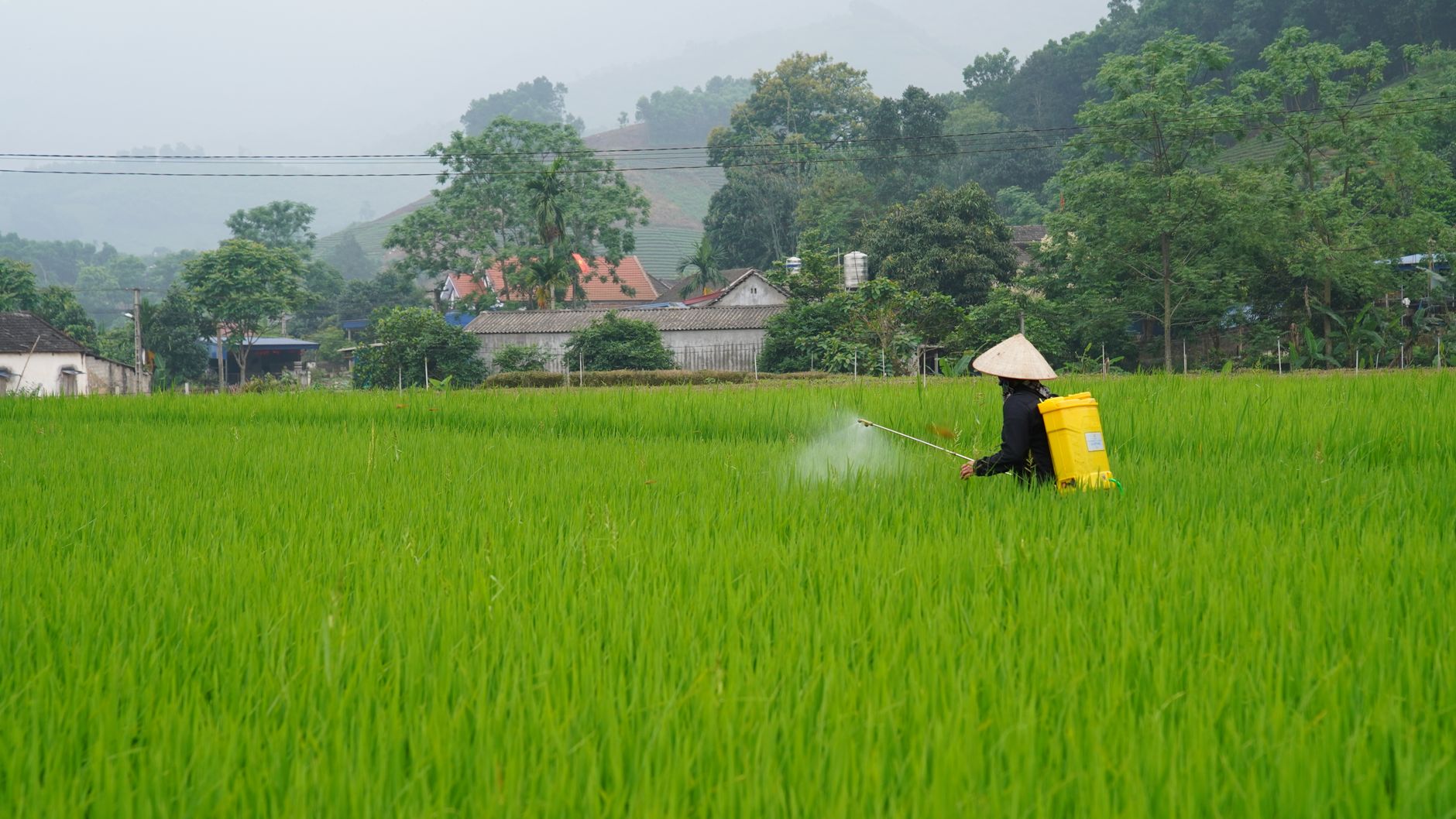
Da Nang's countryside sits between mountains and coast, so farms here mix tropical fruit trees, rice paddies, and vegetable plots on small family plots. Unlike city walking tours, you're not observing—you're working: digging soil, learning names of crops in Vietnamese, tasting fruit straight from the branch. The pace is dictated by the seasons and the farmers' daily rhythm, not a clock. You leave sweaty, calm, and often amazed at how much labor goes into a single bowl of rice. City tourism teaches you about Da Nang; farm work teaches you something about yourself.

What happens hour by hour on a morning farm session?
We pick you up around 7:00–7:30 a.m. from your accommodation and drive 20–40 minutes to a family-run farm outside town. You meet the farmer, who shows you the season's crops and assigns tasks: maybe weeding vegetable rows, harvesting herbs, collecting eggs, or helping with a small irrigation setup. Around 10:30–11:00 a.m., we pause for fresh fruit and water in the shade. You help prepare a simple lunch—chopping, cooking, and eating together with the farmer's family in their open-air kitchen. By 1:00–1:30 p.m., you're back in the city, carrying a small bag of vegetables or fruit you picked. It's low-key, repetitive, grounding work—not a performance or a photo shoot.
How do we adapt sessions for kids and seniors?
Kids often love the hands-on mess: they dig, splash in water channels, and chase chickens. We keep tasks short, pair them with an adult, and let them set their own pace. For seniors, we choose lighter work—sitting to shell beans, harvesting herbs at waist height, or observing and asking questions—and we build in plenty of shade and sitting time. Rain doesn't stop us unless it's heavy; we have shelters and pivot toward indoor farm tasks like sorting, food prep, or storytelling. Allergies to plants or foods? Tell us when you book; we'll note what you handle and adjust your lunch. Mobility issues? We confirm the farm layout upfront so you know what's accessible.
What's the difference between a half-day and a full-day farm session?
A half-day (3–4 hours) focuses on one main task—maybe harvesting and a cooking class with the farmer's family. You get a taste of farm life and a cooked meal. A full-day (6–8 hours, with a longer lunch break) layers in more variety: you might plant in the morning, harvest in mid-morning, rest and cook from 11:00 a.m. to 1:30 p.m., then help with afternoon chores or learn about farm tools and seasonal planning. Full-day sessions suit couples and groups who want immersion; half-days fit travelers with other plans or families with young children. Both include transportation, task guidance, and food; full-day sessions often include more meals and a deeper story from the farmers.
Should you combine a farm day with other countryside experiences?
Many guests pair a farm experience with horse riding in the hills, a Vietnamese coffee workshop at a nearby smallholder plot, or a tea experience in a tea-growing village. Da Nang's countryside is compact, so you can stack activities across 2–3 days without long drives. If you're drawn to food, add a street food and market tour the day after the farm to see where your vegetables end up. If you want to cook what you've picked, our Vietnamese cooking class can be held in a farm kitchen. Each combo offers a different story; choose based on what calls to you most.
What should you wear and pack for a farm morning?
Closed shoes or boots are essential—mud, sharp tools, and uneven ground mean sandals are unsafe. Light, breathable layers work best; you'll warm up quickly with physical work. Bring a wide-brimmed hat, high-SPF sunscreen, and a small water bottle we'll refill. Long sleeves or long pants protect against sun and minor scrapes; avoid heavy jeans—linen or cotton trousers breathe better. A small backpack leaves your hands free. We provide gloves and any tools you need. Don't worry about looking polished; the farmers work in simple, worn clothes. Your job is to be comfortable and ready to get dirty.
How do beginners and experienced travelers choose the right farm?
| Farm Type | Best For | Activity | Pace | Why It Works |
|---|---|---|---|---|
| Vegetable garden | Families, photo lovers | Harvesting, planting | Slow, guided | Variety, colorful produce, quick wins |
| Rice paddy | Culture seekers, water lovers | Planting, wading, learning | Meditative, educational | Iconic to Vietnam, deep cultural roots |
| Fruit orchard | Foodies, fruit-curious travelers | Picking, tasting, pruning | Leisurely, exploratory | Tropical flavors, climbing, easy tasks |
| Egg/chicken farm | Kids, animal lovers | Feeding, collecting eggs | Interactive, playful | Direct animal contact, responsibility lessons |
Ask us about the specific farm when you book, and mention any preferences—we'll match you honestly. Beginners often worry they'll slow everyone down; they never do. Experienced travelers sometimes expect a "rustic Instagram moment"; we promise real work and real sweat instead.
What to check before you book a farm experience
Weather & season: Confirm the farm's workable conditions. Heavy rain (mid-May to mid-September in Da Nang) can waterlog paddies; we'll pivot indoors or reschedule. Dry season (October–March) is easiest.
Your fitness level: Be honest. Farm work is repetitive, not intense—digging, bending, walking on uneven ground. If you have a bad knee or back, tell us; we'll choose tasks and farms accordingly.
Dietary restrictions: Mention allergies and preferences when you book so we coordinate the meal with the farm family.
Group size: Private sessions (2–4 people) allow deeper connection with one farmer. Small groups (5–8) build camaraderie and share costs. Larger groups (9+) need coordination for group and corporate experiences.
Timing & transport: Confirm pickup time and location. We coordinate everything on WhatsApp; be responsive to confirm details 2–3 days before.
Language: We host in English; the farmer may speak only Vietnamese. We translate key moments, but the language gap is part of the honest charm.
For more hands-on countryside time, explore our farm and countryside experiences or read more stories from our hosts to see how others have spent a day in Da Nang's fields.
Pages from our team you may need
- Vietnamese cooking class
- street food and market tour
- Vietnamese coffee workshop
- flower arranging workshop
- horse riding experience

FAQ
Do I need farming experience to join?
No. We teach as we go—you'll learn crop names, seasonal work, and tool use on the day. Your job is to show up, work at your pace, and ask questions.
What if I'm vegetarian or have a food allergy?
Tell us when you book. We coordinate with the farm family to adapt the meal—they're used to dietary needs and usually grow enough variety to accommodate you.
How muddy will I get?
Very. Wear clothes you don't mind staining. We provide gloves and have a water station to rinse hands before eating. Some guests shower afterward at their hotel.
Is it safe for children under 5?
Young kids can come, but keep expectations low—they tire quickly, get bored with repetitive tasks, and need constant supervision around water and tools. Half-day sessions work better than full-day.
What if it rains?
Light rain doesn't stop us. We have shelters and shift to covered tasks like sorting, food prep, or learning in the farm kitchen. Heavy rain (thunderstorms) means we reschedule or move to indoor farm activities.
Can I buy vegetables or fruit to take home?
Yes. Many farms sell surplus to guests at farm-gate prices. We'll ask what you'd like to buy before you leave, pack it, and you take it with you or back to your accommodation.
Ask about dates
Tell us the city, your dates and what you would like to try. We reply on WhatsApp in English with options and availability.
FAQ
Do I need farming experience to join?
No. We teach as we go—you'll learn crop names, seasonal work, and tool use on the day. Your job is to show up, work at your pace, and ask questions.
What if I'm vegetarian or have a food allergy?
Tell us when you book. We coordinate with the farm family to adapt the meal—they're used to dietary needs and usually grow enough variety to accommodate you.
How muddy will I get?
Very. Wear clothes you don't mind staining. We provide gloves and have a water station to rinse hands before eating. Some guests shower afterward at their hotel.
Is it safe for children under 5?
Young kids can come, but keep expectations low—they tire quickly, get bored with repetitive tasks, and need constant supervision around water and tools. Half-day sessions work better than full-day.
What if it rains?
Light rain doesn't stop us. We have shelters and shift to covered tasks like sorting, food prep, or learning in the farm kitchen. Heavy rain (thunderstorms) means we reschedule or move to indoor farm activities.
Can I buy vegetables or fruit to take home?
Yes. Many farms sell surplus to guests at farm-gate prices. We'll ask what you'd like to buy before you leave, pack it, and you take it with you or back to your accommodation.
More like this
Farm and countryside days
Fishing Experience Vietnam for Japanese Travelers: Where to Go & What to Expect
Vietnam's waterways offer Japanese travelers a chance to learn traditional fishing methods directly from locals. Cáo Experiences runs half- and full-day sessions on rivers, lakes and the Mekong Delta where you cast nets, set traps, and cook your catch.
Farm and countryside days
Fishing Experience Vietnam for Foreigners: Hands-On Guide
Fishing in Vietnam isn't a spectator sport—you'll wade into rivers, cast nets, trap fish in baskets, and cook your catch for lunch. We run small-group and private fishing days in the countryside outside Hanoi, Ha Noi region, and the Mekong Delta.
Farm and countryside days
Fishing Experience in Vietnam: 8 Questions to Ask Before You Go
Fishing in Vietnam means wading through rice paddies, learning trap techniques, or casting in rivers with local guides. Here's what to ask before you book.