
Home › Blog › Farm and countryside days
Farm Experience in Ha Giang: What We Actually Do
By the Cáo Experiences team · 2026-11-06
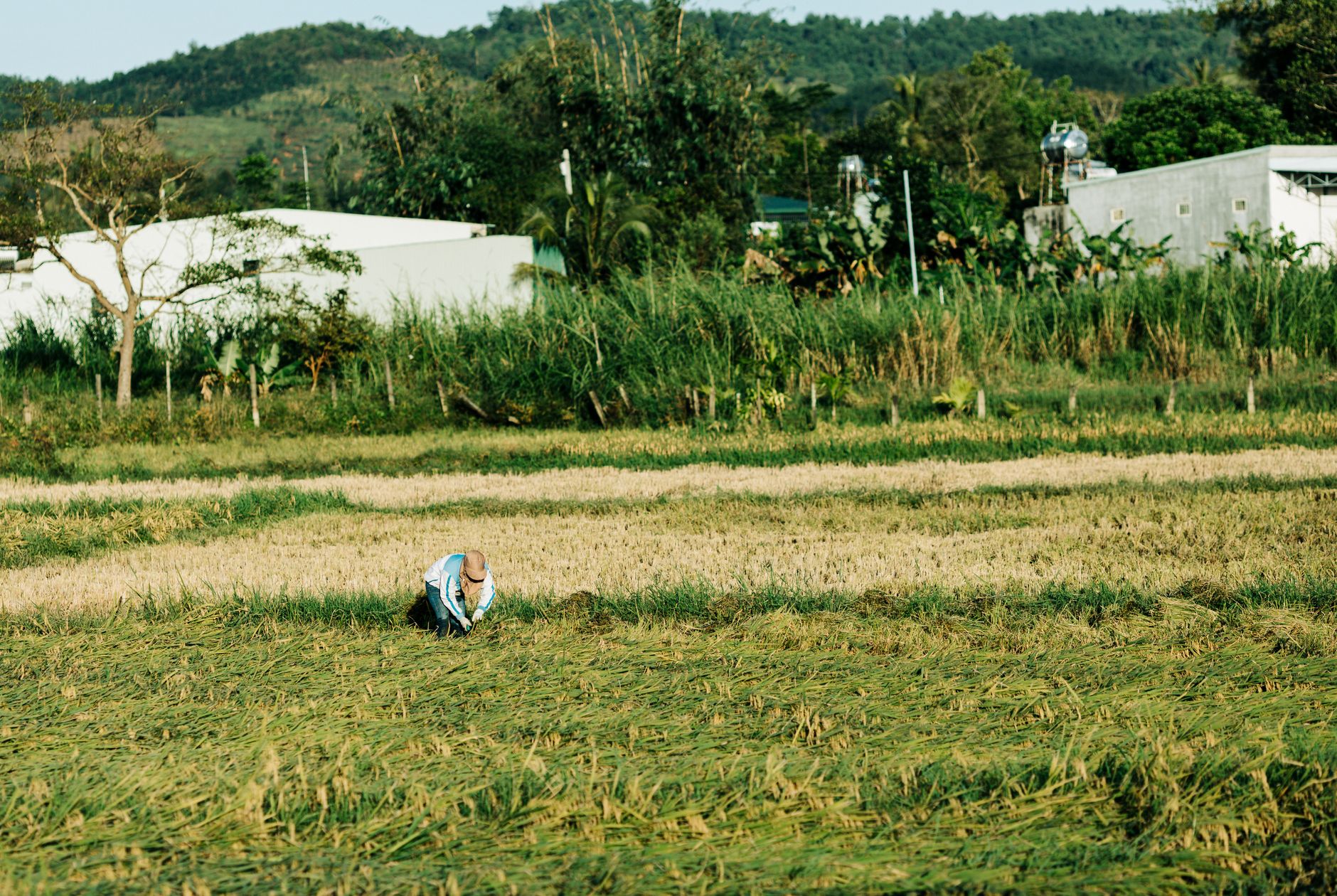
A farm experience in Ha Giang means spending a full day or half-day working on family-run plots in the limestone plateau region north of Hanoi. Through Cáo Experiences, you join a small group (or book private) harvesting or planting whatever is in season—maize, rice, vegetables, citrus—alongside the people who farm there year-round. Sessions run 4–6 hours depending on the activity and your pace; we handle all logistics and work at beginner speed. Cost and exact dates vary by season and group size—ask us for a quote on WhatsApp. Most guests worry they'll be useless at farm work, but farmers welcome genuine help regardless of skill. Wear old clothes, bring water, and expect mud and sun. This is not a tourist show; it's low-key, sometimes tiring, and teaches you how food actually grows. Ask about dates on WhatsApp
What does a typical farm day look like, hour by hour?
We start early: pickup from your accommodation around 6 or 7 a.m., depending on the village distance. The drive north takes 2–3 hours. You arrive at the family's farm by mid-morning, when work is already underway. The farmer or a family member greets you in Vietnamese; we translate. First 30 minutes: they show you the plot, explain what's happening this season, and demonstrate the task—how to strip maize, dig yam, carry water, transplant seedlings. Then you work alongside them for 2–3 hours, sometimes with a break in the shade. Lunch is a simple home-cooked meal right there, often rice, greens, and proteins the family grows or raises. You eat at their table or outside. After lunch, lighter tasks: more picking, tidying tools, or a walk to see the wider farm or neighboring fields. By early afternoon, you head back to town. The rhythm is dictated by the farm's actual schedule, not a clock—work stops when the task is done or when heat peaks, not at a set time. This unpredictability is part of the real experience.

Which seasons offer different farm work in Ha Giang?
Ha Giang's climate shapes what you can do. March to May is planting season: rice paddies flood, and you help transplant seedlings—kneeling in mud, learning the spacing and rhythm locals use. June to August brings vegetable harvesting and weeding; the plateau is greener and cooler than the lowlands, so work is less oppressive. September to November is maize and citrus harvest: heavy work carrying sacks, climbing trees if needed, picking fruit into baskets. December to February is quieter—some farms rest, others prep fields—so you might do fence repair, compost work, or tool maintenance. We plan sessions around what's genuinely happening, not what looks good for photos. If you have a date in mind, we match it to the real farming calendar and tell you honestly whether that month offers substantial work or lighter tasks.
Do kids and older adults actually manage farm work?
Yes, with adjustments. Children aged 6 and up often love being outdoors and do lighter tasks: picking easy crops, carrying small baskets, helping water plants, watching animals. We pair them with farmers' kids sometimes, who show them how it's done. Seniors are welcome if they can walk for 2–3 hours with breaks and tolerate heat and humidity. We choose tasks that don't require kneeling for long periods—standing harvests, hand-digging lighter soil, tool work. We always discuss fitness and any joint issues beforehand, and we scale the physical demand down. Families combining kids and adults often split the day: kids do their tasks, adults do heavier work, and everyone helps with the communal lunch. The farmer is never annoyed by mixed-age groups; farming is multigenerational work anyway. Tell us who's coming, and we'll design the day so no one is left standing idle or pushed too hard.
What rain and heat checks should you make before committing?
Ha Giang's rainy season (May–September) means mornings can be muddy and afternoons may bring downpours. We don't cancel for rain—farmers don't—but we do shorten the session and move indoors (a covered shed, the house) if conditions get intense. Wear waterproof shoes or old flip-flops you don't mind muddying. Bring a packable rain jacket. Heat (May–July peaks above 30°C / 86°F) is real; we start early to avoid midday extremes and provide shade breaks. Always bring at least 1.5 litres of water, plus an electrolyte drink if you sweat heavily. Hat and sunscreen are essential. If you have heat sensitivity, vertigo, or severe mobility limits, tell us before booking—we'll either find a cooler season or suggest farm and countryside experiences elsewhere that might suit you better. Honest feedback now saves disappointment later.

How do allergies, diets, and language barriers work on the farm?
Food allergies: the family cooks lunch and will adapt if we tell them in advance. We confirm allergies and dietary needs (no meat, no fish, etc.) during WhatsApp planning and relay this to the host family. Vegetarian and vegan diets are easy on farms that grow abundant vegetables; just let us know early. Nut allergies, shellfish, and gluten sensitivities are manageable too, though some rural kitchens use shared cooking oil or soy sauce that may cross-contaminate. Discuss this upfront. Language: you'll hear Vietnamese constantly and won't understand most of it. We translate for instructions and key questions, but you'll pick up a few words by day's end (names for crops, simple thanks). This language gap is intentional—it keeps you present and listening rather than overthinking. Hand gestures, demonstration, and laughter bridge most gaps. If you need detailed explanations of agricultural techniques or farm economics, ask us to focus on that during the briefing; we can arrange a slightly deeper cultural conversation if that appeals to you.
Comparison: Farm Experience Types in Ha Giang
| Activity | Best For | Season | Physical Demand | Duration |
|---|---|---|---|---|
| Rice planting | groups, families | Mar–May | medium (kneeling, bending) | 5–6 hours |
| Vegetable harvesting | all ages, first-timers | Jun–Aug | light to medium (standing, picking) | 4–5 hours |
| Maize & fruit harvest | couples, strong bodies | Sep–Nov | high (carrying, climbing) | 5–6 hours |
| Field repair & prep | older adults, quiet learners | Dec–Feb | light to medium (tool work, walking) | 4 hours |
What to check before you book
Ask these questions on WhatsApp before committing:
- What's actually being harvested or planted this week? (We'll tell you honestly if it's light work.)
- How fit do I need to be? (We describe the physical demand; you decide.)
- Is this a private or group session, and who else will be there? (Privacy and group size matter.)
- What's included: transport, meals, water, tools? (Yes to all; we supply what you need.)
- What happens if weather is very bad the day before or morning-of?
- Do I need to bring anything besides water and sunscreen? (Old clothes, a hat, close-toed shoes or sandals you can get muddy.)
- Can I take photos and use them on social media? (Yes, freely; farmers enjoy this.)
Ask us for dates and a quote, including any questions about fitness, diet, or access needs:
We also host farm and countryside experiences in other regions—Da Lat's vegetable highlands, the Red River Delta, and Mekong villages—each with different crops, rhythms, and difficulty levels. If Ha Giang's terrain or season doesn't fit your plans, those might work better. And if you want to stay in Hanoi and still experience agricultural life, experiences in Hanoi include shorter farm or market visits.
Pages from our team you may need
FAQ
Will farmers think I'm useless if I've never done farm work?
No. Rural Vietnam welcomes extra hands regardless of skill. Farmers teach you by showing, not lecturing. Most are kind and curious about where you're from; bad attitude matters more than lack of experience. Come ready to listen and work, and you'll be fine.
Can I visit a specific farm I saw online?
We work with several family farms in Ha Giang's valleys, but we don't advertise exact locations until booking to protect farmers' privacy and keep the experience genuine. Tell us what appeals to you—scale, crops, proximity to town—and we'll match you with a suitable farm.
Is this better than visiting a farm homestay or guided tourism farm?
Different. Homestays involve staying overnight and living more immersed; we do day visits with real work. Guided tourist farms are staged; we connect you to active family operations. If you want immersion and nights on a farm, a homestay is better. If you want one authentic day of real farm work and to sleep in town, we're the fit.
What if I'm not fit enough or get tired?
Tell us your fitness level beforehand—we adjust tasks, give more breaks, and pair you with lighter work. Farmers take natural pauses; you can take them too. Hundreds of people of varying fitness do this; stopping when tired isn't shameful.
Can I combine a farm visit with other activities, like a cooking class or countryside walk?
Yes. Many guests pair a half-day farm session with a Vietnamese cooking class in town (using farm produce) or a craft workshops afternoon. We can string together a full day if you want variety. Ask us during planning.
Do I need travel insurance for farm work?
No special requirement, but general travel insurance covering minor scrapes and sun exposure is sensible. Farming has low injury risk if you follow basic safety (wear shoes, stay hydrated, use tools as shown). We're careful and cautious; real accidents are rare.
Ask about dates
Tell us the city, your dates and what you would like to try. We reply on WhatsApp in English with options and availability.
FAQ
Will farmers think I'm useless if I've never done farm work?
No. Rural Vietnam welcomes extra hands regardless of skill. Farmers teach you by showing, not lecturing. Most are kind and curious about where you're from; bad attitude matters more than lack of experience. Come ready to listen and work, and you'll be fine.
Can I visit a specific farm I saw online?
We work with several family farms in Ha Giang's valleys, but we don't advertise exact locations until booking to protect farmers' privacy and keep the experience genuine. Tell us what appeals to you—scale, crops, proximity to town—and we'll match you with a suitable farm.
Is this better than visiting a farm homestay or guided tourism farm?
Different. Homestays involve staying overnight and living more immersed; we do day visits with real work. Guided tourist farms are staged; we connect you to active family operations. If you want immersion and nights on a farm, a homestay is better. If you want one authentic day of real farm work and to sleep in town, we're the fit.
What if I'm not fit enough or get tired?
Tell us your fitness level beforehand—we adjust tasks, give more breaks, and pair you with lighter work. Farmers take natural pauses; you can take them too. Hundreds of people of varying fitness do this; stopping when tired isn't shameful.
Can I combine a farm visit with other activities, like a cooking class or countryside walk?
Yes. Many guests pair a half-day farm session with a [Vietnamese cooking class](/cooking-class) in town (using farm produce) or a [craft workshops](/craft-workshops) afternoon. We can string together a full day if you want variety. Ask us during planning.
Do I need travel insurance for farm work?
No special requirement, but general travel insurance covering minor scrapes and sun exposure is sensible. Farming has low injury risk if you follow basic safety (wear shoes, stay hydrated, use tools as shown). We're careful and cautious; real accidents are rare.
More like this
Farm and countryside days
Fishing Experience Vietnam for Japanese Travelers: Where to Go & What to Expect
Vietnam's waterways offer Japanese travelers a chance to learn traditional fishing methods directly from locals. Cáo Experiences runs half- and full-day sessions on rivers, lakes and the Mekong Delta where you cast nets, set traps, and cook your catch.
Farm and countryside days
Fishing Experience Vietnam for Foreigners: Hands-On Guide
Fishing in Vietnam isn't a spectator sport—you'll wade into rivers, cast nets, trap fish in baskets, and cook your catch for lunch. We run small-group and private fishing days in the countryside outside Hanoi, Ha Noi region, and the Mekong Delta.
Farm and countryside days
Fishing Experience in Vietnam: 8 Questions to Ask Before You Go
Fishing in Vietnam means wading through rice paddies, learning trap techniques, or casting in rivers with local guides. Here's what to ask before you book.