
Home › Blog › Farm and countryside days
Farm Experience in Hanoi for Families: What to Choose
By the Cáo Experiences team · 2026-11-06
Cáo Experiences' farm days for families are half-day or full-day sessions on a family-run farm in the countryside outside Hanoi, where kids (ages 4+) and parents plant vegetables, feed animals, collect eggs, learn about seasonal crops, and cook a meal using what you've harvested. Sessions run year-round in English with WhatsApp coordination; we adapt activities by age and weather — toddlers help water plants, older kids handle digging and planting tools. A full day includes farm work (2–3 hours), lunch prep in a family kitchen, eating together, and a walk through orchards. We scale activities for children with limited mobility and avoid heavy rain by moving kitchen work indoors or rescheduling. Ask us for dates and a quote on WhatsApp — no hidden fees, transparent from the start.
How does a farm day actually run hour by hour?
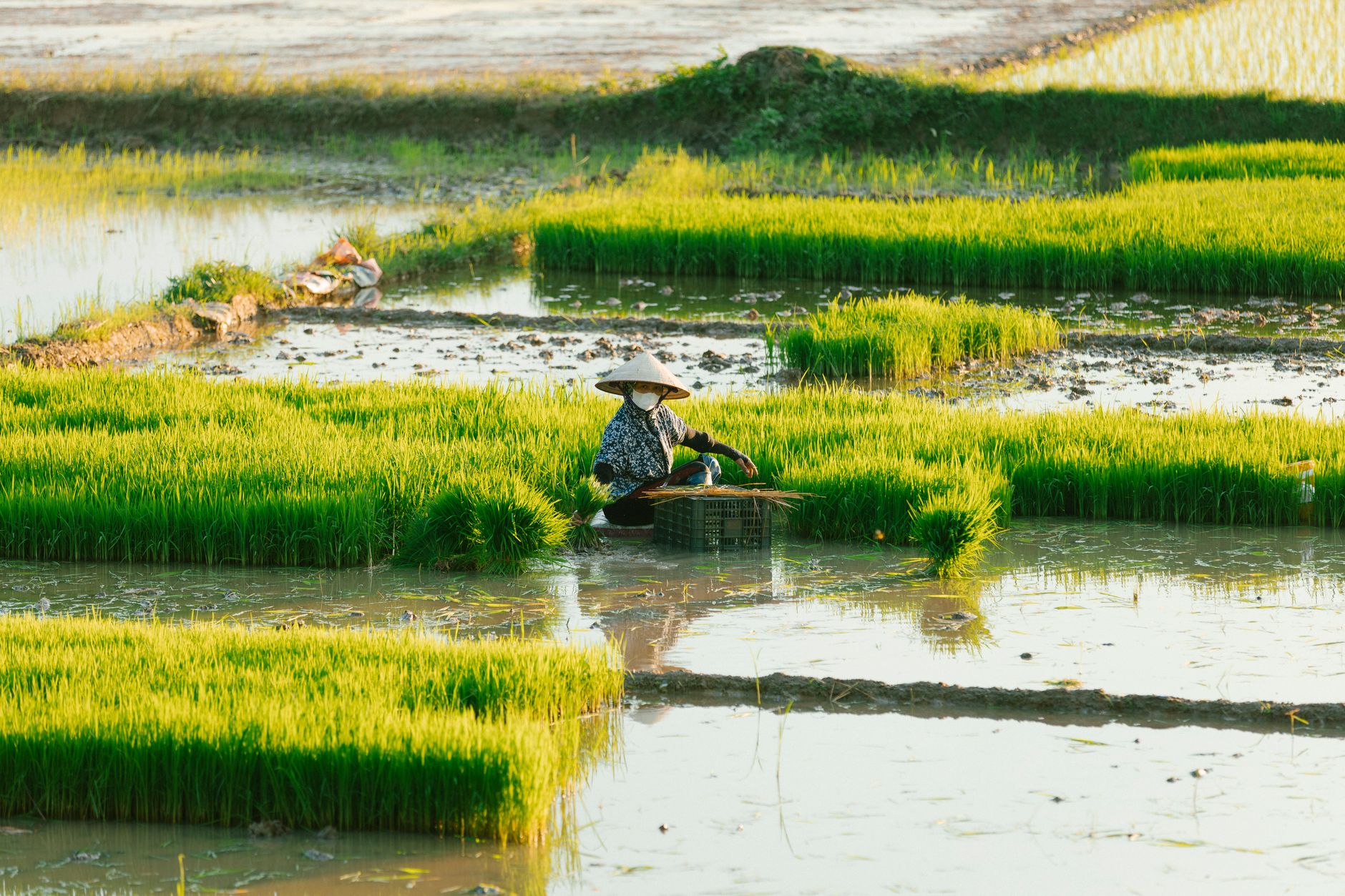
We meet at a lane off the old quarter at 8 a.m. and drive 30 minutes to a family farm in pine-dotted countryside. Kids arrive curious; some have never seen a vegetable grow. Our host greets you at the gate, shows the vegetable patches and animal enclosures, then gives each child a small bucket and gloves. For the first hour, you'll dig in raised beds, plant seedlings (soft soil, easy on tiny hands), or water rows of leafy greens depending on the season. Younger kids water with a can; older ones help transplant herbs. At 10 a.m., we shift to the kitchen — a simple, working space in the family house — where you wash what you picked, chop it together, and prepare a soup, stir-fry, or salad. The host's family or our staff teach basic knife skills (child-safe knives for ages 5+) and talk about why they grow what they grow. You eat lunch at the family table by noon, then either rest, play in the garden, or do a nature walk to see fruit trees. By 2 p.m., you're back in town.
What farm experience suits my family's age range and interests?
| Age group | What happens | Why it works |
|---|---|---|
| Ages 4–6 | Water plants, collect eggs, short knife work with supervision, play in farm space | Sensory + movement; short attention span suits rotating tasks. No heavy digging. |
| Ages 7–12 | Dig, plant seedlings, chop vegetables, feed animals, lead a kitchen task | Ownership: they see seed → growth → food on their plate. Pride in cooking. |
| Ages 13+ | Full gardening work, knife skills, lead cooking steps, ask questions about farming | Responsibility: they plan the meal, manage time, understand farm economics and seasons. |
| Parents/adults | Work alongside kids, learn planting depth and spacing, chat with host family | Connection: you're not watching; you're working together. Real conversation, slower pace. |
| Siblings mixed ages | Rotate: older ones dig while younger water; younger watch older cook; all eat together | No one bored; tasks scale. Family rhythm, not a kids-only class. |
Kids with limited mobility or sensory sensitivities — we adapt. Let us know before you book: we can focus on kitchen work, animal interaction, or storytelling if walking or digging isn't suitable. Families with food allergies: the host can adjust the meal. Rain: we move indoors and turn it into a cooking-focused day or reschedule with no penalty.
What do families actually learn that's different from a restaurant or grocery store?
A farm day teaches cause and effect. Your child picks a tomato still warm from the sun, tastes it five minutes later, and learns that "food is grown, not made in a store." That shift sticks. Kids ask better questions at markets afterward: Why is this lettuce wilted? When do carrots get harvested? They understand soil, water, seasonality — abstract until they've kneeled in the dirt. Parents often tell us their kids eat vegetables at home afterward because they've seen the work, tasted the flavor difference, and feel proud. The host family shares how they choose what to plant, rotate crops, manage pests without chemicals, and sell at local markets — you see a real, small business that feeds a neighborhood. That honesty about farming (it's work, not magic) builds respect. And cooking together in a family kitchen, not a class kitchen, removes the "lesson" feeling — it's just lunch, together, with someone who grows this food every day.
How do we adapt for different seasons and rainy weather?
Spring (February–April): seedling season on most farms — kids transplant into beds, the work is gentle. Soil is warming and moist; digging is easiest. Summer (May–September): harvests peak, but heat is intense by 11 a.m. We do morning work only, then spend longer in the kitchen or rest indoors. Some farms shift to fruit picking — easier on small hands than vegetable digging. Autumn (October–November): second planting and harvesting; weather is ideal. Winter (December–January): leafy greens and root vegetables dominate; fewer insects mean more outdoor time. We don't cancel unless rain is heavy or flooding threatens. Light or steady rain: we move kitchen work indoors, make it cozier, focus on cooking skills. Muddy fields: kids love mud; we bring extra buckets for cleaning up. Pack a rain jacket and spare clothes for kids; we provide aprons and gloves.

What should I check before booking a farm day?
Before you contact us:
- Dietary needs: Do you have allergies, vegetarian, or medical restrictions? Tell us in the first message. The host kitchen can adapt, but they need notice.
- Mobility or sensory support: Walking uneven ground, touching soil, or handling animals — any concerns? We adjust activities, not exclude.
- Farm type: Some farms are larger and busier (you might see workers you don't know); others are intimate, family-only spaces. Tell us what you'd prefer.
- Season match: If your child is afraid of insects, avoid June–August. If they dislike mud, winter is cleaner.
- Transport: Do you have a car and driver, or do you need us to arrange pickup? We can coordinate; just ask early.
- Time of day: Half-day (3–4 hours) vs. full day (6–7 hours including lunch)? Younger kids tire; full days suit ages 8+, or groups with mixed ages and a leisurely pace.
- Group size: Private (just your family) or small group (2–3 other families)? Private is more flexibility; groups are often cheaper per person. Ask us for dates and a quote on WhatsApp.
If you're also interested in learning more about how food is grown and how to cook it deeply, pair a farm day with a Vietnamese cooking class in Hanoi — many families do both on different days, building the story from field to table. Some groups also enjoy a street food and market tour to see where the farm's neighbors sell their harvest.
How does booking and communication actually work?
We coordinate entirely on WhatsApp — no surprise: we're a hands-on team, and messaging suits our pace. You message us with your family size, preferred dates (give us 2–3 options), dietary needs, and any concerns. We reply with available slots, a quote for a private or group session, and the farm details (location, what to wear, what we provide, what to bring). You confirm, and we send the pickup time, host contact info, and a reminder three days before. The night before, your host sends a WhatsApp hello — they're real people, not a faceless booking system. On the day, they greet you, show you around, and stay nearby while you work and cook. If weather changes, we text you early. After you leave, we ask what worked and what didn't — we adapt future sessions based on real feedback. It's unglamorous and totally honest: no photos forced into a highlight reel, no upsell, no pressure to book a follow-up. Just a farm day with a family who wants your kids to eat better.
Pages from our team you may need
FAQ
What age is too young for a farm experience?
We take kids from age 4. Below that, they struggle with focus and tools. A 3-year-old can come if a parent is hands-on (one adult per child under 5), but the experience is more "play at a farm" than active learning. Ask us if you're unsure.
Do I have to cook, or can I just watch my kids?
You can watch, but most parents cook alongside their kids — it changes the energy. You're not supervising a lesson; you're making lunch together. If mobility or time is an issue, tell us; we adapt kitchen roles.
Can I bring food allergies or dietary needs?
Yes. The host kitchen adapts for vegetarian, vegan, nut allergy, gluten-free, and other restrictions. Mention it when you message us, and confirm 48 hours before. They've done this before.
Is this a group class or just our family?
Both. We run private sessions (your family only) and small-group sessions (2–3 families together). Private is more flexible; groups are often cheaper per person. Ask which suits your budget and vibe.
How far is the farm from central Hanoi?
30–45 minutes by car, depending on traffic and which farm. We pick you up from a lane off the old quarter or another central spot. The drive is part of the experience — you leave the city behind.
What do kids actually eat for lunch?
What you picked and cooked — a soup, stir-fry, salad, spring rolls, or rice bowl, depending on the season and what's ready. The host family eats with you. It's simple, real food, not restaurant plating.
Do you offer other experiences that pair well with this?
Yes. A farm and countryside experience builds the story; a Vietnamese cooking class deepens skills at home. Some families add a street food and market tour to see where farm crops are sold. We can link them across days or weeks.
Ask about dates
Tell us the city, your dates and what you would like to try. We reply on WhatsApp in English with options and availability.
FAQ
What age is too young for a farm experience?
We take kids from age 4. Below that, they struggle with focus and tools. A 3-year-old can come if a parent is hands-on (one adult per child under 5), but the experience is more "play at a farm" than active learning. Ask us if you're unsure.
Do I have to cook, or can I just watch my kids?
You can watch, but most parents cook alongside their kids — it changes the energy. You're not supervising a lesson; you're making lunch together. If mobility or time is an issue, tell us; we adapt kitchen roles.
Can I bring food allergies or dietary needs?
Yes. The host kitchen adapts for vegetarian, vegan, nut allergy, gluten-free, and other restrictions. Mention it when you message us, and confirm 48 hours before. They've done this before.
Is this a group class or just our family?
Both. We run private sessions (your family only) and small-group sessions (2–3 families together). Private is more flexible; groups are often cheaper per person. Ask which suits your budget and vibe.
How far is the farm from central Hanoi?
30–45 minutes by car, depending on traffic and which farm. We pick you up from a lane off the old quarter or another central spot. The drive is part of the experience — you leave the city behind.
What do kids actually eat for lunch?
What you picked and cooked — a soup, stir-fry, salad, spring rolls, or rice bowl, depending on the season and what's ready. The host family eats with you. It's simple, real food, not restaurant plating.
Do you offer other experiences that pair well with this?
Yes. A [farm and countryside experience](/farm-experience) builds the story; a [Vietnamese cooking class](/cooking-class) deepens skills at home. Some families add a [street food and market tour](/street-food-tour) to see where farm crops are sold. We can link them across days or weeks.
More like this
Farm and countryside days
Fishing Experience Vietnam for Japanese Travelers: Where to Go & What to Expect
Vietnam's waterways offer Japanese travelers a chance to learn traditional fishing methods directly from locals. Cáo Experiences runs half- and full-day sessions on rivers, lakes and the Mekong Delta where you cast nets, set traps, and cook your catch.
Farm and countryside days
Fishing Experience Vietnam for Foreigners: Hands-On Guide
Fishing in Vietnam isn't a spectator sport—you'll wade into rivers, cast nets, trap fish in baskets, and cook your catch for lunch. We run small-group and private fishing days in the countryside outside Hanoi, Ha Noi region, and the Mekong Delta.
Farm and countryside days
Fishing Experience in Vietnam: 8 Questions to Ask Before You Go
Fishing in Vietnam means wading through rice paddies, learning trap techniques, or casting in rivers with local guides. Here's what to ask before you book.